
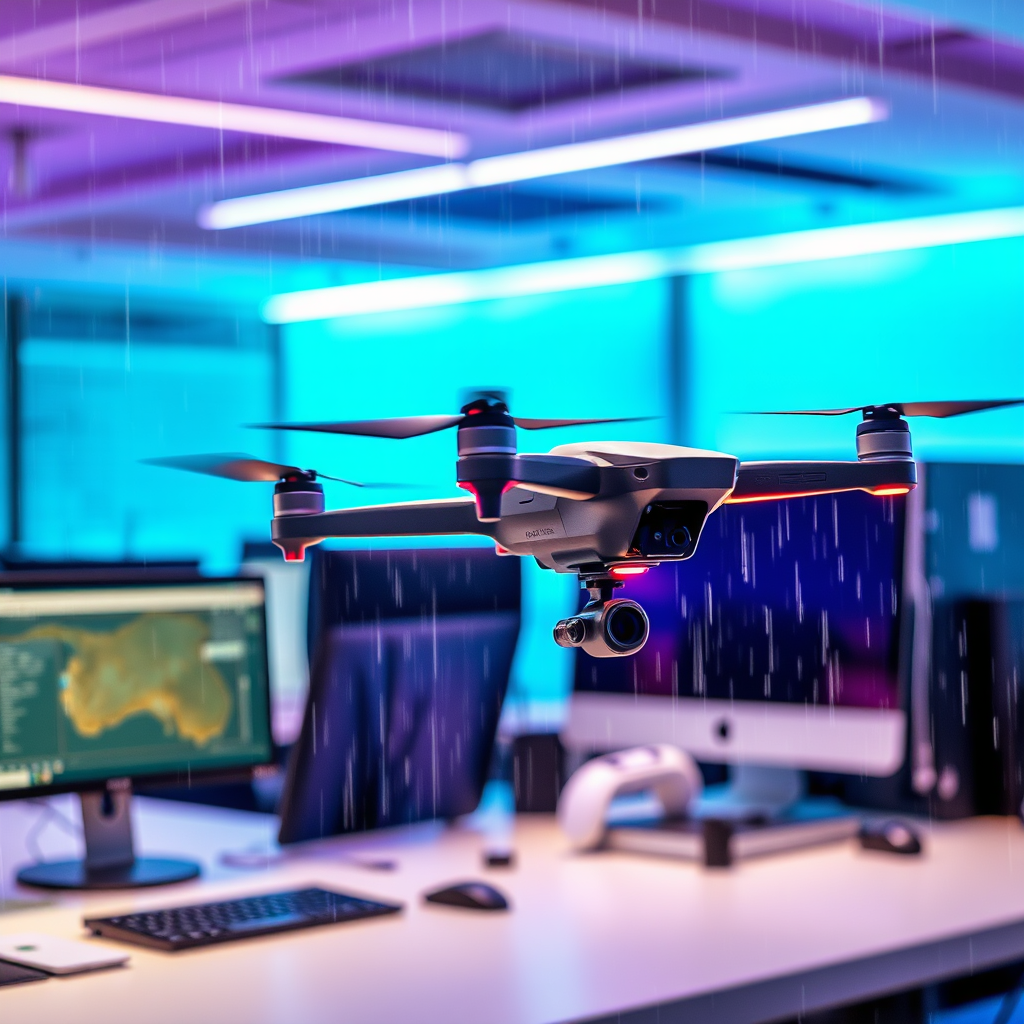
Yes, you can fly a drone in the rain, but it’s not advisable due to potential damage and safety risks. While some drones are built to handle light moisture, heavy rain can severely impair their functionality and increase the likelihood of accidents. It is crucial for drone operators to understand their equipment’s limitations and take necessary precautions to ensure safe operation in wet conditions.
Understanding Drone Water Resistance
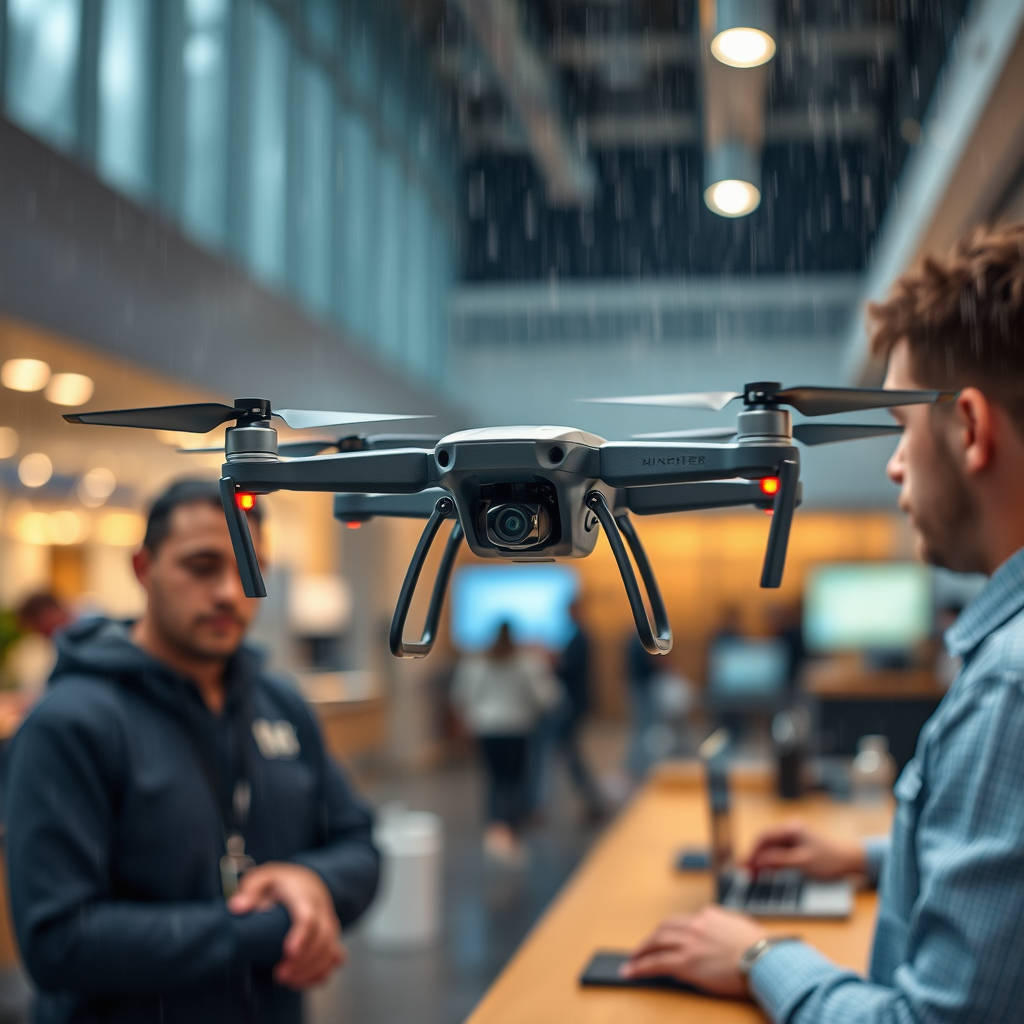
When considering flying a drone in the rain, it’s essential to grasp the concept of water resistance. Many consumer drones are not built with waterproof materials, making them susceptible to water damage. Water can seep into crucial components like the motors, battery, and circuit boards, leading to malfunctions. For instance, a drone like the DJI Mavic Air 2 is not rated for water resistance, while the DJI Mavic 2 Enterprise, specifically designed for more rugged conditions, offers a degree of water resistance.
Before attempting to fly in rainy weather, always consult the manufacturer’s specifications to determine if your drone is rated for wet conditions. Look for information regarding IP ratings, which indicate the level of protection against water and dust. An IP rating of at least IP43 would suggest that the drone can tolerate some level of moisture, though it is not fully waterproof. Understanding these specifications helps you make informed decisions about when and how to fly your drone safely.
Risks of Flying Drones in Rain
Flying a drone in rainy conditions comes with several risks that could jeopardize both the drone and the operator. One of the most significant risks is the potential for electrical shorts. Water can infiltrate sensitive electronic components, causing shorts that lead to unexpected malfunctions. This could result in complete loss of control, potentially causing the drone to crash, which could lead to damage to property or injury to individuals nearby.
Additionally, rain can significantly reduce visibility. When flying in the rain, the drone’s camera may struggle to capture clear images, making it difficult for the operator to navigate effectively. The combination of impaired visibility and reduced control can create a hazardous flying environment. In a worst-case scenario, a drone could become unresponsive and crash into obstacles or even people, leading to serious consequences.
Best Practices for Flying in Wet Weather
If you find yourself in a situation where flying in light rain seems unavoidable, there are best practices to follow. First and foremost, opt for drones that are specifically designed for adverse weather conditions. Models like the DJI Matrice 300 RTK are built with rugged components that can withstand rain, making them suitable for industrial applications even in inclement weather.
When flying in wet conditions, it is advisable to operate at lower altitudes. This practice not only helps maintain better control but also enhances visibility, allowing you to react quickly to any potential issues. Additionally, limit flight time to reduce the exposure of your drone to moisture. If rain begins to intensify, it’s prudent to land your drone immediately and wait for better weather.
Another critical aspect is to keep your drone as dry as possible. Using rain covers or shields can provide extra protection against light rain. However, these accessories should not be relied upon for complete waterproofing, as they may not offer full protection against heavy downpours.
Alternatives to Flying in the Rain
If the weather conditions are too adverse for safe flying, consider postponing your drone operations until the rain subsides. This approach not only prioritizes your safety but also protects your equipment. Alternatively, you can explore indoor flying options if you have access to a suitable space. Indoor drone flying can serve as an excellent opportunity to practice maneuvers and improve your piloting skills without the challenges presented by adverse weather.
Moreover, drone simulators offer a fantastic solution for honing your skills without the risks associated with real-world flying. Programs such as DroneSim Pro or Liftoff provide realistic environments and scenarios, allowing you to simulate various weather conditions and practice navigating through them without damaging your equipment.
Legal Considerations and Regulations
Before flying a drone in the rain, it is imperative to familiarize yourself with local laws and regulations regarding drone operation during inclement weather. Different jurisdictions may have specific rules in place that restrict flying during adverse weather conditions for safety reasons. For example, the Federal Aviation Administration (FAA) in the United States has guidelines that require operators to maintain visual line-of-sight with their drones, which can be challenging in rainy conditions.
In addition to federal regulations, local authorities may impose additional restrictions that could affect your ability to fly in the rain. Ensuring compliance with these rules not only keeps you within legal boundaries but also contributes to overall safety for yourself and others in the vicinity.
Maintenance Tips for Drones Exposed to Rain
If you choose to fly your drone in the rain, proper maintenance afterward is crucial. After landing, thoroughly dry your drone to prevent corrosion. Use a soft cloth to wipe down the exterior and inspect the battery compartment and motors for any moisture. Leaving any residual water can lead to long-term damage, necessitating expensive repairs or replacements.
Regular maintenance checks are essential for ensuring your drone remains in good condition. This includes cleaning the propellers, checking connections, and inspecting all electronic components for signs of wear or damage. If you frequently fly in adverse weather, consider investing in protective gear and components that can mitigate the risks associated with moisture exposure.
Another proactive measure is to use anti-corrosive sprays or treatments on metal components to help protect against rust and deterioration. Being diligent in your maintenance routine can extend the lifespan of your drone and enhance its performance, even in less-than-ideal conditions.
In conclusion, while flying a drone in the rain is technically possible, it carries significant risks and challenges. To prioritize safety, it is advisable to fly only in favorable weather conditions and to understand your drone’s specifications and limitations. By following best practices, exploring alternatives, and adhering to legal regulations, you can ensure a safer and more enjoyable flying experience. Always prioritize the health of your equipment and the safety of those around you when deciding to take to the skies.
Frequently Asked Questions
Can you fly a drone in light rain?
While many drones are designed to withstand some level of moisture, flying a drone in light rain is generally not recommended. Water can damage the drone’s internal components and affect its performance, leading to potential crashes. It’s best to check the manufacturer’s guidelines for your specific drone model to understand its weather resistance capabilities.
What are the risks of flying a drone in the rain?
The primary risks of flying a drone in the rain include reduced visibility, increased weight from water accumulation, and potential electrical damage to the drone’s circuits. Additionally, wet conditions can lead to poor battery performance, reducing flight time and stability. It’s crucial to assess these risks carefully before deciding to fly in rainy weather.
How can you protect your drone from rain while flying?
To protect your drone from rain while flying, consider using a waterproof drone cover or bag designed for your model. Additionally, you can look for drones with waterproof or water-resistant ratings and avoid flying in heavy rain. Always perform a pre-flight check to ensure that all components are dry and functioning properly before takeoff.
Why do some drones advertise as being rain-resistant?
Some drones are specifically designed to be rain-resistant or waterproof, which means they have built-in features to prevent water ingress, such as sealed circuits and hydrophobic coatings. This makes them suitable for flying in light rain or humid environments. However, it’s important to note that “water-resistant” does not mean “waterproof,” and users should still exercise caution.
What is the best practice for flying drones in wet weather?
The best practice for flying drones in wet weather is to completely avoid flying in rainy conditions whenever possible. If you must fly, ensure you have a waterproof drone, limit your flight time, and stay close to your launch point for a quick retrieval. Always monitor weather updates and be prepared to land immediately if conditions worsen.
References
- https://www.faa.gov/uas/getting_started/flight_operations/weather_conditions
- https://www.nasa.gov/feature/nasa-s-drone-research-in-the-rain
- https://www.dronepilotgroundschool.com/can-you-fly-a-drone-in-the-rain/
- https://www.abc.net.au/news/2020-12-29/drones-hold-promise-for-fighting-fires-in-rain/13001768
- https://www.wired.com/story/drones-in-the-rain/
- https://www.sciencedirect.com/topics/engineering/drone-flight
- https://www.ncbi.nlm.nih.gov/pmc/articles/PMC6892168/
- https://www.usatoday.com/story/news/nation/2020/05/07/drone-flying-in-the-rain/3104508001/
