
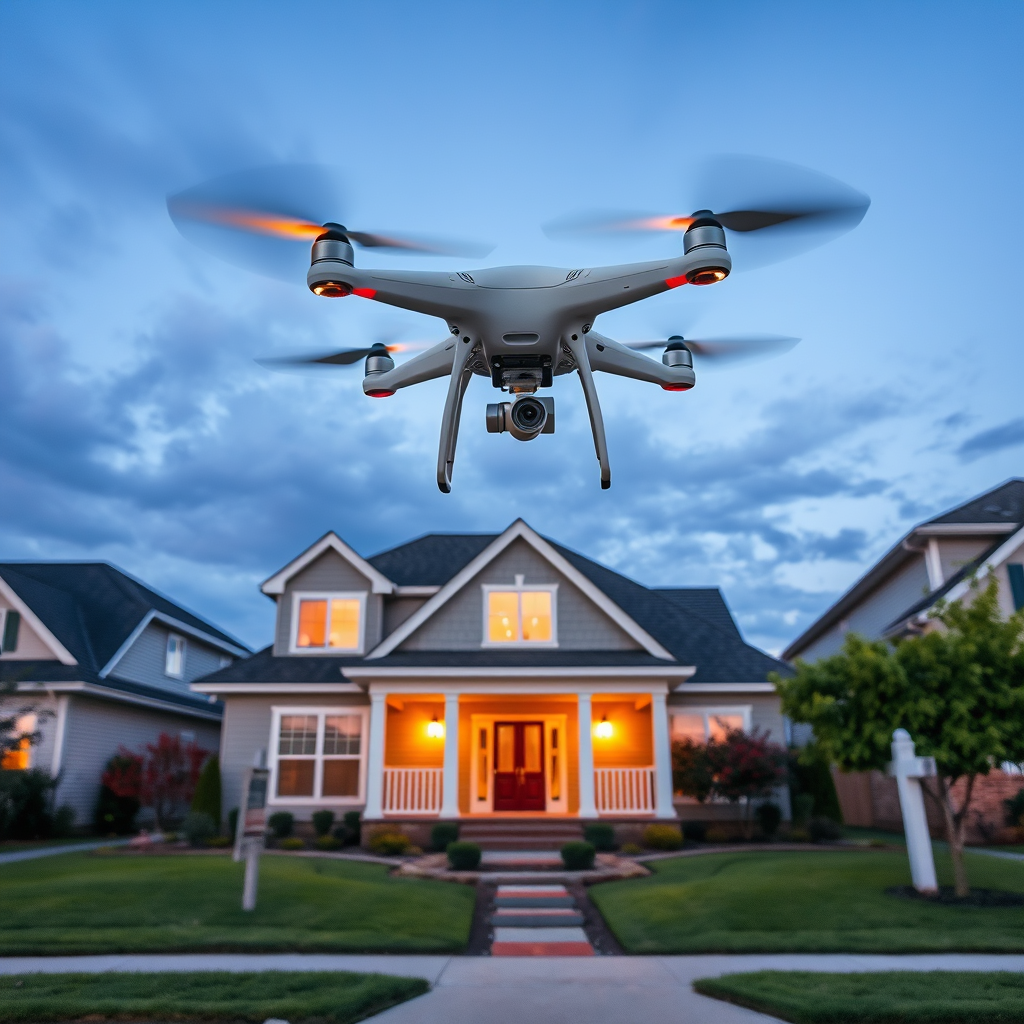
Yes, you can fly a drone over private property, but there are important legal and ethical considerations to keep in mind. Understanding local regulations and respecting the privacy of property owners is crucial before taking to the skies, as failing to do so can result in legal repercussions or strained relationships with neighbors.
Understanding Drone Laws
In the United States, drone operations are primarily regulated by the Federal Aviation Administration (FAA). Under FAA regulations, drone pilots must adhere to the rules set forth in Part 107, which covers commercial drone use. These regulations include maintaining visual line-of-sight, flying below 400 feet, and avoiding flights over people without a waiver. However, when it comes to flying over private property, the FAA does not explicitly regulate this aspect, leaving it to state and local governments to impose their laws.
Local laws can vary significantly from one jurisdiction to another. Some states have enacted laws specifically addressing drone use over private property, while others may follow more general trespassing and privacy laws. For example, California has laws that protect individuals from aerial surveillance, making it illegal to fly a drone over someone else’s property if it invades their privacy. Therefore, before flying your drone, it’s essential to research both federal and local regulations to ensure compliance and avoid any potential legal issues.
Privacy Concerns
Flying a drone over someone’s property can easily lead to claims of privacy invasion, particularly if the drone is equipped with a camera. Property owners may feel uncomfortable or threatened by the idea of being monitored from above, even if the drone is flying at a legal altitude. This discomfort can escalate to legal action if the drone captures images or video that the property owner deems intrusive.
Moreover, privacy is not only about the physical space but also about the perception of safety and security. Respecting personal space is vital for maintaining good relationships with neighbors and community members. To avoid misunderstandings, drone pilots should consider the potential implications of their flights and strive to minimize disruptions or invasions of privacy. Engaging with the community and discussing your drone activities openly can foster goodwill and understanding.
Property Owner Rights
Property owners have rights that extend to the airspace above their land, although the extent of these rights can vary. Traditionally, the law recognizes a “reasonable use” of airspace, which means that while you may generally use the airspace above private property, there are limitations. For instance, flying at an altitude that invades a property owner’s right to enjoy their property could be construed as trespassing.
In many jurisdictions, trespassing laws apply not only to physical encroachment but also to aerial intrusion. If a drone is flown too low—typically below 400 feet—or if it captures images or video that invade the privacy of individuals on the property, the pilot may face legal consequences. Understanding these rights is crucial for drone pilots, as it informs them of the boundaries they should not cross when operating their drones.
Best Practices for Drone Pilots
To navigate the complexities of flying over private property, drone pilots should adhere to several best practices. First and foremost, always seek permission from property owners before launching your drone. This simple step can alleviate potential conflicts and demonstrate respect for their rights.
Additionally, maintaining a safe distance from private properties is advisable. If you need to capture footage or images of an area close to private land, consider flying at a higher altitude or using zoom lenses to minimize the risk of intruding on someone’s personal space. Furthermore, being transparent about your intentions can help mitigate concerns from property owners. Informing them of your flight plans and the purpose of your drone operations can foster trust and cooperation.
Consequences of Ignoring Rules
Failing to adhere to drone laws and regulations can lead to significant consequences. Violating FAA rules can result in fines, penalties, or even the suspension of your drone operation privileges. Local laws can impose additional fines or legal actions, particularly if property owners lodge complaints against you.
Moreover, ignoring property owners’ rights can lead to negative interactions that may escalate into disputes or hostility. Complaints from neighbors can damage your reputation in the community, making it more challenging to conduct future drone operations. Building a positive rapport with those around you is essential for fostering a supportive environment for drone activities.
How to Handle Conflicts
In the event of a conflict arising from your drone operations, it is essential to approach the property owner respectfully and professionally. If they express concerns about your drone flying over their property, listen attentively to their grievances and seek to understand their perspective. Acknowledging their feelings can go a long way in diffusing tensions.
Be prepared to adjust your flight plans if necessary. Demonstrating flexibility and a willingness to accommodate their concerns can help maintain good relations. If needed, offer to meet in person to discuss their issues and find a mutually agreeable solution. Open communication is key to resolving conflicts amicably.
In conclusion, while flying a drone over private property is generally permissible, understanding and adhering to local laws and respecting the rights of property owners is essential. Drone pilots should prioritize safety and respect in their activities, seek permission when in doubt, and maintain open lines of communication with property owners to foster a cooperative environment. By doing so, you can enjoy the benefits of drone flying while minimizing potential legal and ethical challenges.
Frequently Asked Questions
Can I legally fly a drone over my neighbor’s private property?
Legally, flying a drone over private property can be a gray area. While the Federal Aviation Administration (FAA) regulates airspace and allows for drone operation in many areas, property owners have rights to their land. If you fly a drone over someone’s private property without permission, it could be considered an invasion of privacy or trespassing, depending on local laws. It’s best to seek permission from the property owner to avoid legal issues.
What are the privacy laws regarding drones flying over private property?
Privacy laws related to drone use vary by state and can be complex. Generally, while drones can fly in public airspace, capturing images or videos over private property without consent may violate privacy rights. Many states have enacted laws that specifically address drone surveillance and privacy, making it essential to familiarize yourself with local regulations before operating your drone over someone else’s property.
How can I ask for permission to fly my drone over someone’s property?
To ask for permission to fly your drone over someone’s property, it’s best to approach the property owner directly and explain your intentions. You can provide details about the flight, such as its purpose and duration, and assure them about privacy concerns. A written agreement is a good way to formalize the permission, providing both parties with peace of mind.
Why do I need to be cautious when flying a drone over private property?
Being cautious when flying a drone over private property is crucial to avoid potential legal repercussions and conflicts. Property owners may view unauthorized drone flights as a violation of their privacy and property rights, leading to disputes or legal action. Additionally, respecting the boundaries of private property fosters good relationships with neighbors and the community, ensuring responsible and considerate drone use.
What are the best practices for flying a drone near private property?
The best practices for flying a drone near private property include maintaining a safe distance from buildings and people to avoid privacy concerns and accidents. Always check local regulations regarding drone use, and consider flying during times when there is minimal likelihood of disturbing others. Additionally, using a visual observer can help you stay aware of your surroundings and any potential issues that may arise with nearby property owners.
References
- https://www.faa.gov/uas/advanced_operations/operation_over_people
- https://www.nolo.com/legal-encyclopedia/drone-laws-property-rights-29923.html
- https://www.abcnews.go.com/Technology/faa-drone-rules-flying-private-property/story?id=66355256
- https://www.wired.com/story/drone-law-private-property-rights/
- https://www.brookings.edu/research/drone-regulations-and-the-future-of-the-sky/
- https://www.theguardian.com/technology/2021/jun/22/drone-laws-uk-flying-private-property
- https://www.lawfareblog.com/property-rights-drones-and-future-airspace
- https://www.nytimes.com/2021/06/17/technology/drones-private-property-legal-issues.html
