
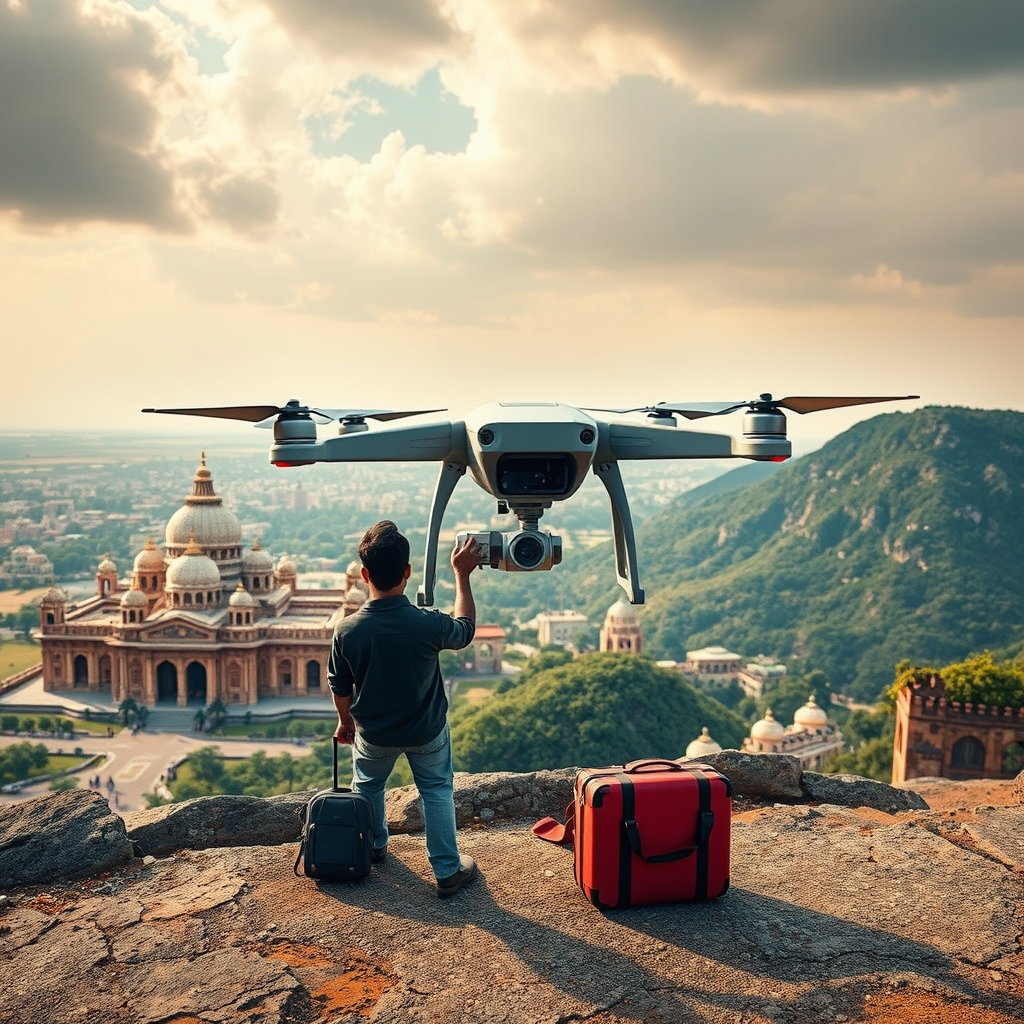
Yes, you can carry a drone in flight to India, but there are specific regulations you must follow to ensure compliance with the country’s laws. Understanding these rules is essential for a smooth travel experience and to avoid potential legal issues. India’s drone policies are designed to maintain safety, security, and privacy, making it imperative for travelers to familiarize themselves with all necessary regulations before arriving.
Understanding Indian Drone Regulations
India has strict regulations regarding drone import and usage, governed by the Directorate General of Civil Aviation (DGCA). The DGCA has established a framework that emphasizes safety and accountability in the use of unmanned aerial vehicles (UAVs). All drones, regardless of size, must be registered with the DGCA, which includes obtaining a Unique Identification Number (UIN) and, in some cases, permission from the Ministry of Civil Aviation (MoCA).
To register a drone, operators must provide various details, including the drone’s specifications and intended use. Furthermore, the DGCA has categorized drones based on their weight and intended function, which influences the regulations that apply. For instance, drones weighing over 250 grams must adhere to stricter guidelines than lighter drones. Understanding these categories is crucial for ensuring compliance and avoiding complications during your travels.
Carrying Drones: Legal Requirements
When entering India with a drone, it is essential to declare your drone at customs upon arrival. The customs authorities are well-versed in identifying drones and may ask for documentation to verify that all legal requirements are met. Ensure that all necessary documentation, including proof of ownership and registration, is readily available.
Having a copy of the drone registration and any applicable permits can significantly streamline the customs process. Travelers should also consider carrying a printed copy of the DGCA regulations, as this can help clarify any questions customs officials might have about the drone’s compliance with local laws. Moreover, it’s advisable to keep receipts and invoices that demonstrate the drone’s purchase and registration to further substantiate your claims during the customs inspection.
Importing Drones into India
Importing a drone may require specific permits and adherence to customs regulations. The DGCA has set forth guidelines to regulate the importation of drones, which can involve obtaining an Import Permit from the Directorate General of Foreign Trade (DGFT). This is particularly important for commercial drones or those that fall under specific categories deemed sensitive by the Indian government.
Certain types of drones may be restricted or banned entirely. For example, drones equipped with high-resolution cameras or specific payload capabilities may require additional scrutiny. It’s critical to research the specific model of your drone and confirm whether it complies with Indian import regulations. Engaging with a logistics provider familiar with drone importation can provide essential insights and assist in navigating the complexities of customs clearance.
Flying Drones in India: Guidelines
Once you have successfully entered India with your drone, you must adhere to specific flying guidelines. Drones can only be flown in designated areas, and operators must respect altitude limits, which are typically capped at 120 meters (approximately 400 feet) above ground level. Additionally, no-fly zones, including areas near airports, military installations, and certain urban areas, must be strictly avoided.
Operators must also obtain a Remote Pilot License (RPL) for commercial use. This includes undergoing training at DGCA-approved institutions, which covers essential topics such as airspace regulations, meteorology, and drone operation protocols. For recreational flying, while an RPL may not be mandatory, it is still beneficial to undertake training to ensure safe and responsible drone operation.
Moreover, it is advisable to check for any local regulations that may apply in the specific area you plan to fly. Some regions may have additional restrictions, and staying informed about these nuances can prevent potential legal issues.
Risks of Non-Compliance
Failing to comply with regulations can lead to significant consequences, including fines, confiscation of the drone, or even legal action. The Indian government takes drone regulations seriously, and violations can result in severe penalties. For instance, flying in restricted areas can not only lead to fines but may also trigger investigations involving law enforcement agencies.
Staying updated on any changes in regulations before your journey is crucial. The DGCA frequently revises its guidelines, and being unaware of recent updates could jeopardize your travel plans. Engaging with online communities, forums, or official DGCA announcements can provide valuable insights into the current regulatory landscape.
Tips for Traveling with a Drone
When traveling with a drone, packing it securely is paramount to prevent damage during transit. Use a sturdy case that offers protection against impact and environmental factors. Additionally, ensure that the battery is properly stored according to airline regulations, as lithium batteries have specific guidelines for transportation due to safety concerns.
Before your departure, check with your airline for specific baggage policies regarding drones. Some airlines may have restrictions on the size or weight of carry-on items, and understanding these policies can help avoid unexpected complications at the airport. Additionally, consider reaching out to fellow drone enthusiasts or joining online forums to gather tips and experiences from others who have traveled to India with drones.
In conclusion, while you can carry a drone in flight to India, it is vital to familiarize yourself with the local regulations and requirements. Understanding the regulatory framework established by the DGCA, ensuring proper documentation, and complying with flying guidelines will significantly enhance your travel experience. By taking proactive steps to prepare ahead of time, you can enjoy the thrill of flying your drone in the beautiful landscapes of India while remaining compliant with local laws.
Frequently Asked Questions
Can I carry a drone in my flight luggage to India?
Yes, you can carry a drone in your flight luggage to India, but there are specific regulations you need to follow. Drones must be declared at customs, and you must ensure that the drone complies with the Directorate General of Civil Aviation (DGCA) guidelines. It’s also advisable to keep the drone in its original packaging to avoid damage and ensure that it is easily identifiable.
What are the regulations for bringing a drone into India?
When bringing a drone into India, you must adhere to the DGCA regulations, which include registering your drone if it weighs more than 250 grams. Additionally, you should have a valid import permit and ensure that the drone does not violate any restricted areas. Familiarize yourself with the local laws regarding drone operation to avoid any legal issues upon arrival.
How can I register my drone for use in India?
To register your drone for use in India, you need to visit the Digital Sky Platform set up by the DGCA. This requires you to create an account, provide details about your drone, and upload necessary documents such as proof of ownership. After submission, you’ll receive a Unique Identification Number (UIN) that permits you to operate the drone legally in India.
Why is it important to check the drone regulations before traveling to India?
Checking drone regulations before traveling to India is crucial because non-compliance can lead to confiscation of your drone, fines, or even legal penalties. Regulations may vary by state and can change frequently, so understanding the specific laws helps ensure a hassle-free experience and allows you to enjoy your drone safely and legally during your stay.
What should I do if my drone gets damaged during the flight to India?
If your drone gets damaged during your flight to India, you should report it immediately to the airline’s baggage claim or customer service. Take photos of the damage for documentation and file a claim with the airline if necessary. Additionally, review your drone’s warranty and insurance policy to determine if repairs or replacements can be covered.
References
- https://www.civilaviation.gov.in/
- https://www.mha.gov.in/sites/default/files/GuidelinesForImportOfDronesInIndia_03082021.pdf
- https://www.thehindu.com/news/national/civil-aviation-ministry-issues-guidelines-for-drones/article32801088.ece
- https://www.reuters.com/article/us-india-drones-idUSKBN2A30K4
- https://en.wikipedia.org/wiki/Drone_regulation_in_India
- https://www.bbc.com/news/world-asia-india-53725963
- https://www.dronepilotgroundschool.com/drone-laws-in-india/
- https://www.ndtv.com/india-news/what-you-need-to-know-about-flying-drones-in-india-2304331
- https://www.mygov.in/sites/default/files/drone_policy_india.pdf
