
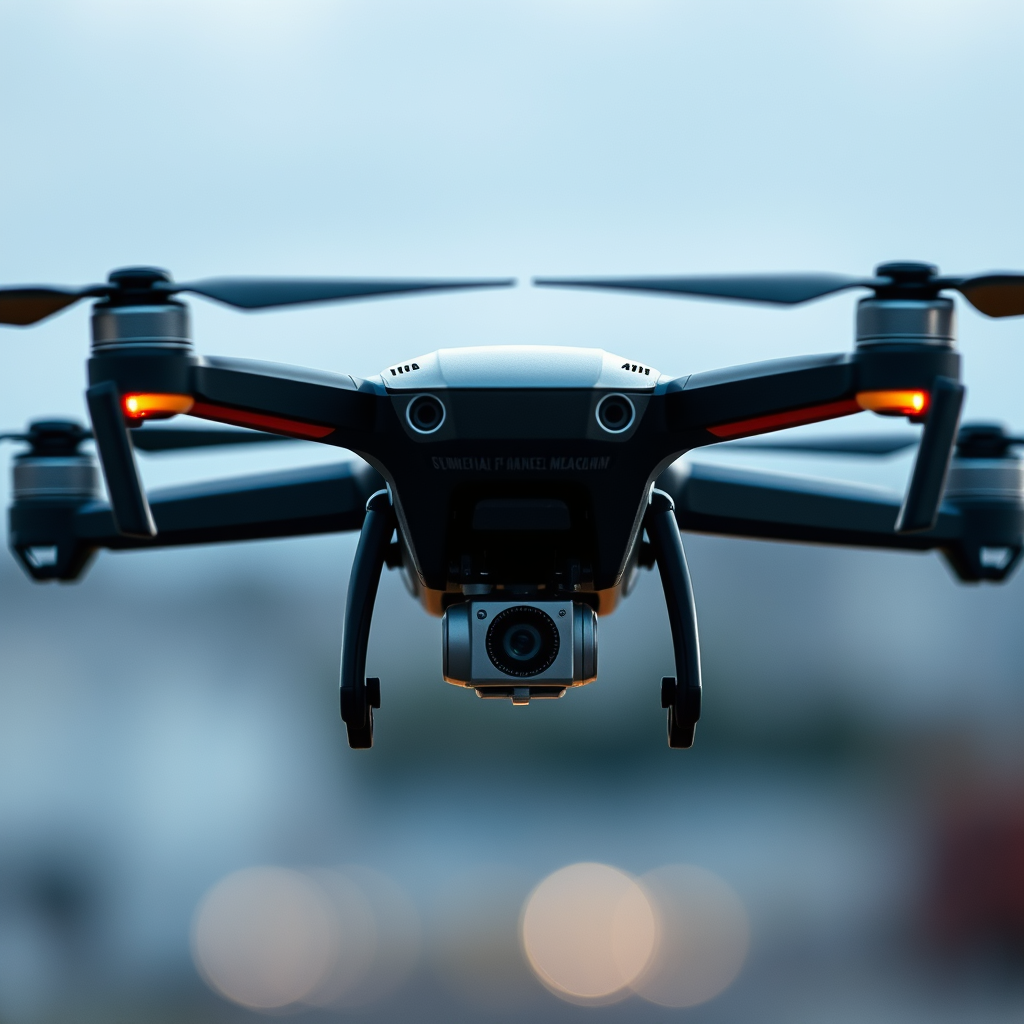
Yes, in certain circumstances, it is possible to shoot down drones, but it is subject to strict legal regulations and potential consequences. The proliferation of drones has raised significant concerns regarding privacy, security, and safety. As a result, the legal landscape surrounding the interception of these unmanned aerial vehicles (UAVs) is complex and multifaceted. This article delves into the intricacies of shooting down drones, examining the legal framework, justifiable reasons, associated risks, alternative measures, technological considerations, and public perception of this contentious issue.
Legal Framework for Shooting Down Drones
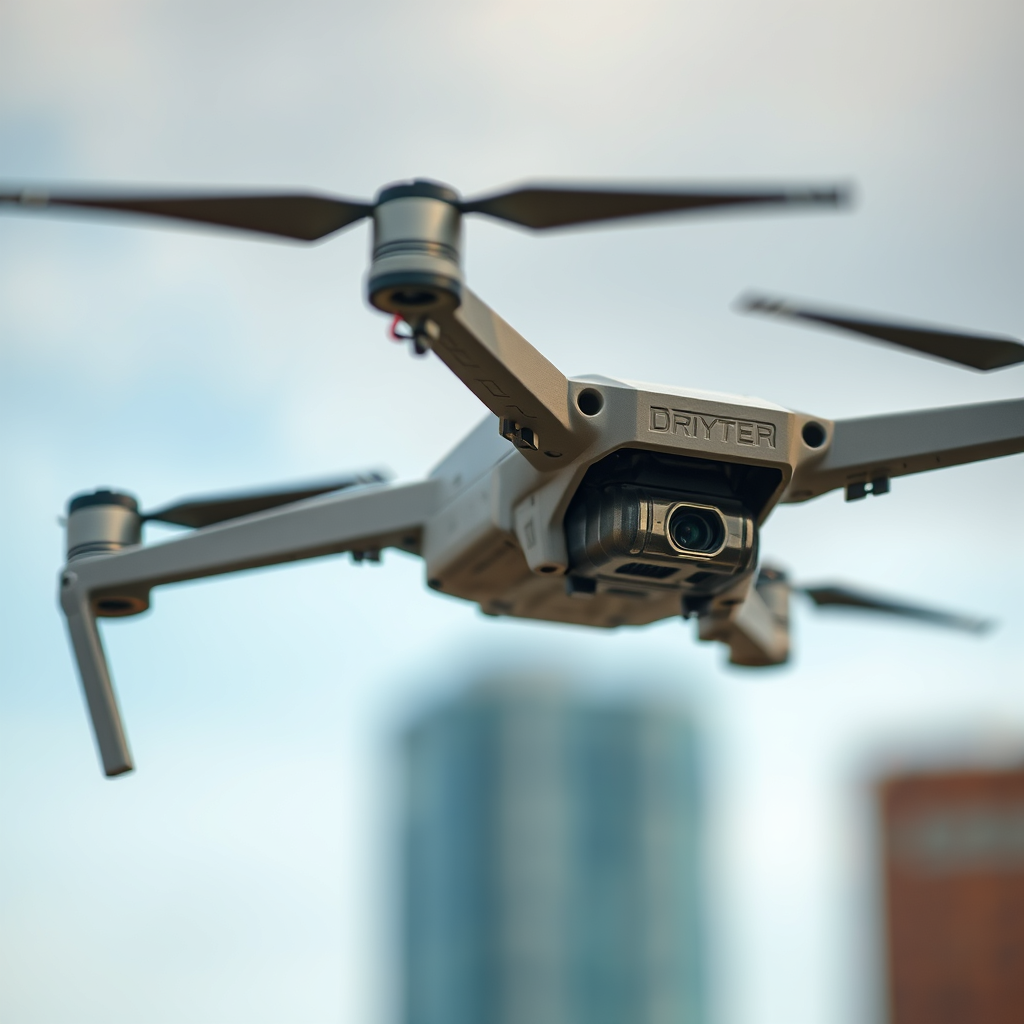
The legal landscape governing the shooting down of drones is primarily shaped by federal and state laws. At the federal level, the Federal Aviation Administration (FAA) regulates airspace and has jurisdiction over all aircraft, including drones. According to the FAA, shooting down a drone is generally illegal unless authorized by law enforcement in specific situations.
State laws vary significantly, with many states enacting legislation that allows individuals to take action against drones that invade their privacy or pose a threat. For instance, some states permit property owners to use reasonable force to protect their property from unwanted surveillance. However, unauthorized destruction of a drone can lead to serious legal repercussions, including potential criminal charges, civil liability for damages, and fines. In 2015, a case in Kentucky highlighted this issue when a man shot down a drone that was allegedly hovering over his property; he faced criminal charges and civil claims for the destruction of the drone.
Justifiable Reasons for Taking Down a Drone
There are specific scenarios where shooting down a drone may be considered necessary or justifiable. These include instances where privacy is invaded, such as when a drone is found surveilling private property without consent. Additionally, drones posing a threat to national security, such as those suspected of delivering contraband into correctional facilities or surveying sensitive military sites, may warrant immediate action.
Historically, there have been instances where drones were shot down due to perceived threats. In 2019, the U.S. military shot down an Iranian drone that was deemed a threat to naval vessels in the Strait of Hormuz. This action was justified based on national security concerns and the perceived danger to personnel and assets. Such examples illustrate the delicate balance between the need for security and the legal and ethical frameworks that govern drone interaction.
Risks and Consequences of Shooting Down Drones
The decision to shoot down a drone carries inherent risks, primarily concerning public safety and legal consequences. One of the most pressing concerns is the potential for harm to bystanders. A drone, depending on its size and weight, can cause significant injury if it falls from the sky. Furthermore, shooting down a drone could lead to collateral damage, impacting nearby property or individuals.
In addition to physical risks, there are significant legal ramifications to consider. Individuals who shoot down drones may face civil lawsuits for damages, potential criminal charges for unlawful use of a firearm, and repercussions from the FAA for airspace violations. The legal complexities surrounding these incidents can lead to protracted litigation, resulting in financial and reputational damage for the individuals involved.
Alternative Measures to Handle Intrusive Drones
Given the legal and safety risks associated with shooting down drones, alternative measures should be prioritized for handling intrusive UAVs. Non-lethal options such as jamming signals, employing drone nets, and utilizing laser systems are becoming increasingly popular. Jamming devices can disrupt the communication signals between the drone and its operator, forcing it to land or return to its point of origin without causing physical harm.
Additionally, drone nets have been developed to safely capture drones without damage. These nets can be deployed from the ground or from other drones, providing an effective means of neutralization. Reporting procedures are also critical. Citizens can report unauthorized drone activity to local law enforcement or the FAA, allowing authorities to investigate and take appropriate action without resorting to potentially dangerous measures.
Technological Considerations in Drone Defense
The rapid advancement of technology has led to the development of various systems designed to detect and neutralize unauthorized drones. Radar systems, radio frequency detectors, and infrared cameras can be employed to monitor drone activity and identify unauthorized flights. Moreover, counter-drone technologies such as drones equipped with nets or electromagnetic pulse (EMP) devices are emerging as viable options for drone defense.
Law enforcement and military agencies are increasingly adopting these technologies to address the growing threat posed by drones. For instance, airports and military bases often utilize comprehensive drone detection systems to prevent incursions that could jeopardize safety. As the technology evolves, the ability to manage drone activity in both public and private spaces will improve, potentially reducing the need for drastic measures such as shooting down drones.
Public Perception and Ethical Considerations
Public sentiment surrounding the act of shooting down drones is varied and complex. On one hand, individuals may feel justified in protecting their privacy and property from intrusive surveillance, especially in cases involving harassment or criminal behavior. On the other hand, there are ethical implications to consider, particularly concerning the potential loss of life, property, or the escalation of conflict.
The ethical discourse surrounding drone use often revolves around the balance between security and privacy. As drones become more ubiquitous in various sectors, including agriculture, delivery services, and aerial photography, the societal acceptance of drone technology hinges on responsible usage and adherence to legal standards. The public must navigate these ethical waters, considering not only their rights but also the implications of their actions on broader societal norms.
In conclusion, while it is technically possible to shoot down drones, it is fraught with legal and ethical challenges. The complexities of the legal framework, the potential risks involved, and the availability of alternative measures highlight the importance of careful consideration before taking any action against a drone. As technology continues to evolve, it is essential that individuals and authorities alike understand the laws governing drone interactions and explore non-lethal solutions to manage drone activity effectively.
Frequently Asked Questions
What are the legal implications of shooting down a drone?
Shooting down a drone can lead to serious legal consequences, as it is generally considered illegal under federal law in many countries, including the United States. The Federal Aviation Administration (FAA) regulates airspace and prohibits individuals from using force to interfere with an aircraft, including drones. Violating these laws can result in hefty fines, criminal charges, and potential civil liability for damages.
How can I protect my property from unwanted drones?
To protect your property from unwanted drones, you can take several preventive measures. First, install physical barriers such as privacy fences or tall trees that may obstruct a drone’s line of sight. Additionally, consider using drone detection systems that alert you when a drone is nearby. Communicating with neighbors about your concerns can also foster community awareness and promote collective action against privacy invasions.
Why are drones difficult to shoot down without legal repercussions?
Drones are difficult to shoot down without legal repercussions primarily due to aviation laws and safety regulations that govern airspace. Shooting down a drone poses safety risks not only to the drone operator but also to people and property on the ground, which can lead to serious injuries or damages. Furthermore, the FAA and law enforcement agencies advocate for non-violent methods of addressing drone-related issues to ensure public safety and compliance with the law.
What options do I have if a drone is invading my privacy?
If a drone is invading your privacy, you can take several actionable steps. First, document the drone’s activities and report them to local authorities, as they may have regulations in place to address drone harassment. You can also file a complaint with the FAA if the drone is operating recklessly. Lastly, consider consulting with a legal professional to explore your rights and potential actions you can take under privacy laws.
Which technologies can be used to disable or redirect drones safely?
Technologies that can be used to disable or redirect drones safely include drone jammers, net guns, and electronic countermeasures. Drone jammers emit signals that disrupt the communication between the drone and its operator, causing the drone to return to its takeoff point or land safely. Net guns can entangle drones in a net, bringing them down without causing damage. However, it is crucial to check local laws regarding the use of these technologies, as regulations vary widely and may still carry legal risks.
References
- https://en.wikipedia.org/wiki/Drone_warfare
- https://www.bbc.com/news/world-us-canada-57083354
- https://www.ncbi.nlm.nih.gov/pmc/articles/PMC6971428/
- https://www.faa.gov/uas/
- https://www.theguardian.com/us-news/2021/jul/13/us-military-drones-attack-ukraine
- https://www.rand.org/research/guides/drones.html
- https://www.nytimes.com/2021/07/09/us/drones-privacy.html
- https://www.pbs.org/newshour/nation/drones-are-a-growing-threat-to-aircraft-what-can-be-done-about-it
- https://www.dhs.gov/publication/drones-and-public-safety
