
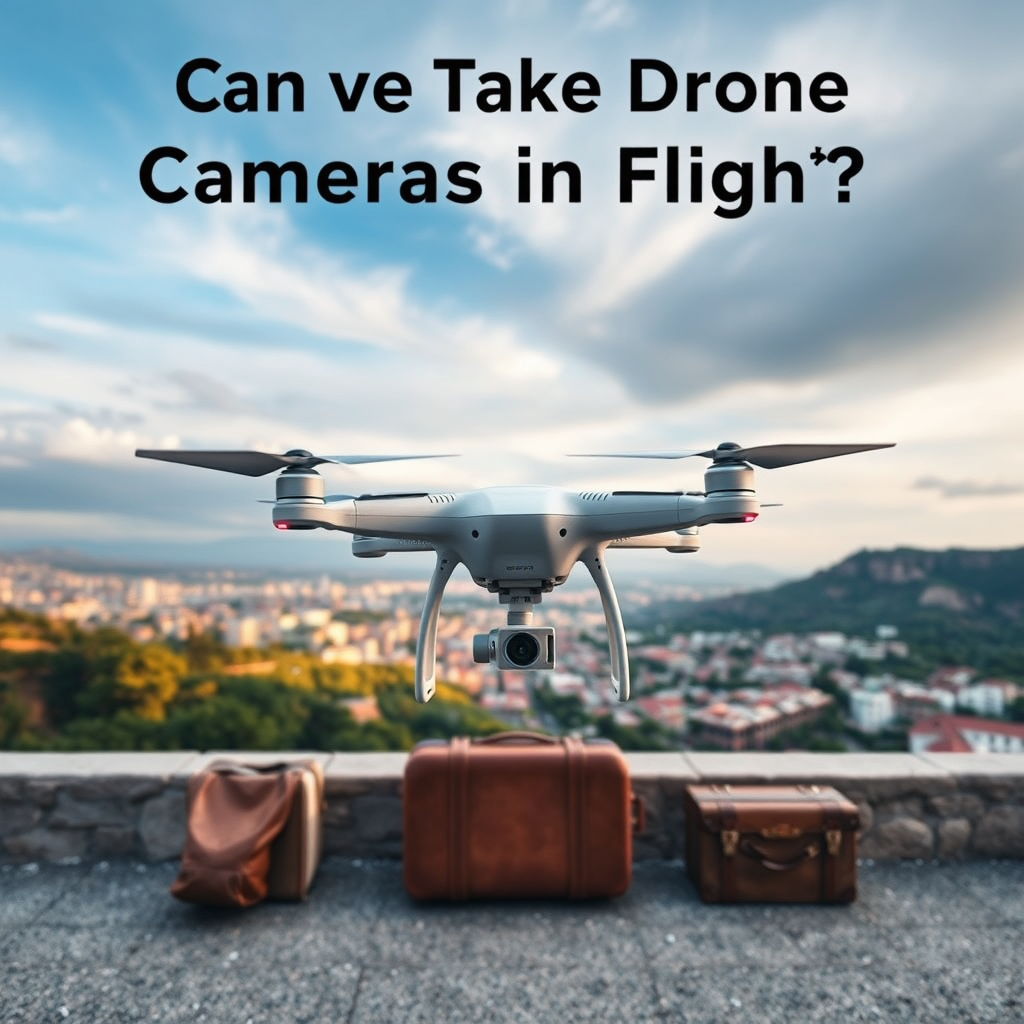
Yes, you can take drone cameras in flight, but there are specific regulations and guidelines you must follow to ensure safety and compliance with the law. Understanding the complexities of drone regulations is crucial for both recreational and commercial operators. This article explores key considerations for flying drone cameras, including legal requirements, safety measures, and best practices, to help you navigate the skies responsibly and effectively.
Understanding Drone Regulations
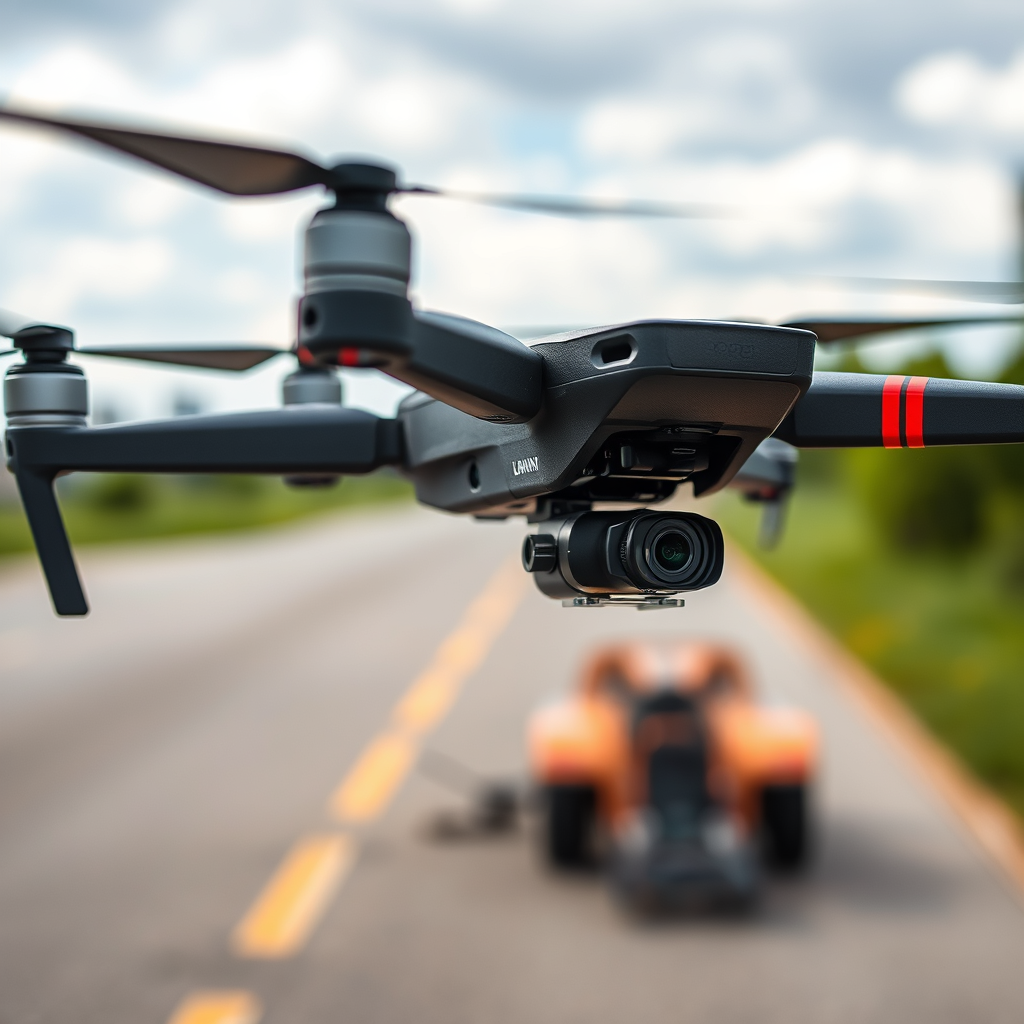
Drone regulations vary significantly from country to country, and even within regions of the same country. For instance, in the United States, the Federal Aviation Administration (FAA) oversees drone operations and mandates that all drones weighing over 0.55 pounds (250 grams) must be registered. This registration process not only provides a means to identify the drone operator but also ensures that operators are aware of the regulations governing drone flights. Similarly, in the European Union, the European Union Aviation Safety Agency (EASA) has established specific categories of drone operations that dictate registration and operation protocols based on the drone’s weight and intended use.
Furthermore, operators must be cognizant of local laws that may impose additional restrictions. For example, some municipalities may prohibit drone flights in public parks or near certain landmarks. Before taking your drone camera into flight, it’s vital to familiarize yourself with both national and local regulations to avoid fines and legal repercussions. Utilizing resources like the FAA’s B4UFLY app can help you check for airspace restrictions and ensure compliance with relevant laws.
Safety Guidelines for Flying Drones
Safety should always be your top priority when operating a drone camera. One of the most fundamental rules is to maintain a visual line of sight (VLOS) with your drone at all times. This practice not only helps you avoid collisions but also allows you to react promptly to any unforeseen circumstances that may arise during flight. Flying beyond your visual line of sight can lead to accidents and potential legal violations.
Additionally, avoid flying near airports, crowded areas, or restricted zones, such as military installations and national parks. The FAA designates these areas as no-fly zones due to safety concerns, and violating these regulations can result in hefty fines or even criminal charges. Always check airspace maps and use apps that provide real-time information about restricted areas before you take off. It’s also advisable to keep a safe distance from people and property to minimize the risk of accidents.
Best Practices for Capturing Footage
Capturing high-quality footage with your drone requires meticulous planning and execution. Before the flight, plan your flight path carefully to optimize the quality of your footage. Consider factors such as lighting conditions, wind speed, and the presence of obstacles. Having a pre-determined flight path can help you achieve the desired shots while also ensuring a stable flight experience.
Utilizing GPS and altitude settings is another crucial aspect of flying drones equipped with cameras. GPS technology allows for precise navigation, making it easier to maintain a steady flight path and altitude. Drone models with altitude hold features can significantly enhance stability, particularly in windy conditions. Moreover, familiarize yourself with your drone’s camera settings to take full advantage of its capabilities, whether it’s adjusting the ISO, shutter speed, or frame rate for video capture.
Insurance and Liability Considerations
When flying drone cameras, considering liability insurance is a prudent decision for both hobbyists and commercial operators. Drone insurance can cover damages resulting from accidents, including property damage and personal injury claims. Some insurance providers offer specialized drone insurance policies that cater to the unique risks associated with aerial photography and videography.
Understanding your legal liabilities is crucial as well. If your drone causes an accident or injury, you may be held liable for damages. Knowledge of your responsibilities can help you take proactive measures to mitigate risks. For commercial operators, liability insurance may even be a requirement for obtaining certain permits or contracts. Investing in insurance not only protects you financially but also enhances your credibility as a responsible drone operator.
Drone Camera Equipment
Choosing the right camera and accessories for your drone model is essential for achieving optimal results. Depending on your needs, you may opt for drones equipped with high-definition cameras, gimbals for stabilization, or even thermal imaging capabilities. Each of these options serves different purposes, such as aerial photography, surveying, or search and rescue operations.
Regular maintenance of your drone camera equipment cannot be overstated. Ensuring that your drone is in peak condition will prevent operational failures during flights. This includes checking battery health, calibrating sensors, and inspecting propellers for wear and tear. Maintaining your equipment not only enhances performance but also extends the lifespan of your drone.
Technology and Innovations in Drone Cameras
The world of drone technology is constantly evolving, with innovations that enhance both functionality and safety. Staying updated on the latest advancements is crucial for any drone operator. Features such as obstacle avoidance systems, automated flight modes, and enhanced battery life have revolutionized the way drones are used and managed, making them safer and more efficient.
For example, drones equipped with obstacle detection technology can automatically navigate around barriers, reducing the risk of collisions. Automated flight modes allow for complex maneuvers to be executed with ease, enabling operators to focus on capturing high-quality footage without the burden of manual control. Keeping abreast of these technological advancements can enhance your aerial photography and videography capabilities while ensuring a safer flying experience.
In summary, while taking drone cameras in flight is possible, it is crucial to adhere to the regulations and safety practices outlined. Always stay informed about local laws, implement effective safety measures, and continuously improve your skills to ensure a safe and enjoyable flying experience. By following these guidelines, you can confidently operate your drone camera while capturing stunning aerial imagery.
Frequently Asked Questions
Can I take a drone camera on a commercial flight?
Yes, you can take a drone camera on a commercial flight, but there are specific regulations you must follow. Most airlines allow drones in carry-on luggage, but it’s essential to check with your airline for their specific policies. Additionally, ensure that the drone’s battery meets the airline’s requirements, as lithium batteries have strict regulations regarding size and watt-hour limits.
What are the regulations for carrying a drone camera on a plane?
Regulations for carrying a drone camera on a plane vary by country and airline. In the United States, the FAA requires that all drones be registered, and you should always carry proof of registration when flying. Furthermore, some countries have restrictions on drone use, so it’s crucial to research the destination’s drone laws before traveling to avoid fines or confiscation.
How do I pack my drone camera for air travel?
To pack your drone camera for air travel, disassemble the drone and place it in a padded case to prevent damage. Remove the batteries and carry them in your hand luggage, as most airlines prohibit lithium batteries in checked baggage. Additionally, ensure that all components, such as propellers and remote controls, are secured to avoid any movement during transit.
Why do airlines have restrictions on drone cameras?
Airlines have restrictions on drone cameras primarily due to safety concerns and regulatory compliance. Drones contain lithium batteries, which pose a fire risk if damaged or improperly stored. Moreover, drones can interfere with aircraft operations, so airlines must ensure that all electronic devices comply with aviation regulations to maintain passenger safety.
What should I do if my drone camera is damaged during flight travel?
If your drone camera is damaged during flight travel, the first step is to document the damage with photos and gather any relevant receipts or proof of purchase. Report the issue to the airline’s customer service immediately, as most airlines have policies for handling damaged items. Depending on the airline’s policy, you may be eligible for compensation or reimbursement for repairs.
References
- https://en.wikipedia.org/wiki/Drone
- https://www.faa.gov/uas/getting_started/part_107/
- https://www.nytimes.com/2021/08/25/us/drone-regulations.html
- https://www.reuters.com/technology/drones-are-changing-how-we-imagine-our-world-2021-12-20/
- https://www.lawfareblog.com/drone-regulations-and-law-what-you-need-know
- https://www.abc.net.au/news/science/2021-06-22/drones-in-flight-safety-regulations/100233442
- https://www.nasa.gov/feature/nasa-uses-drones-to-improve-air-traffic-management
