
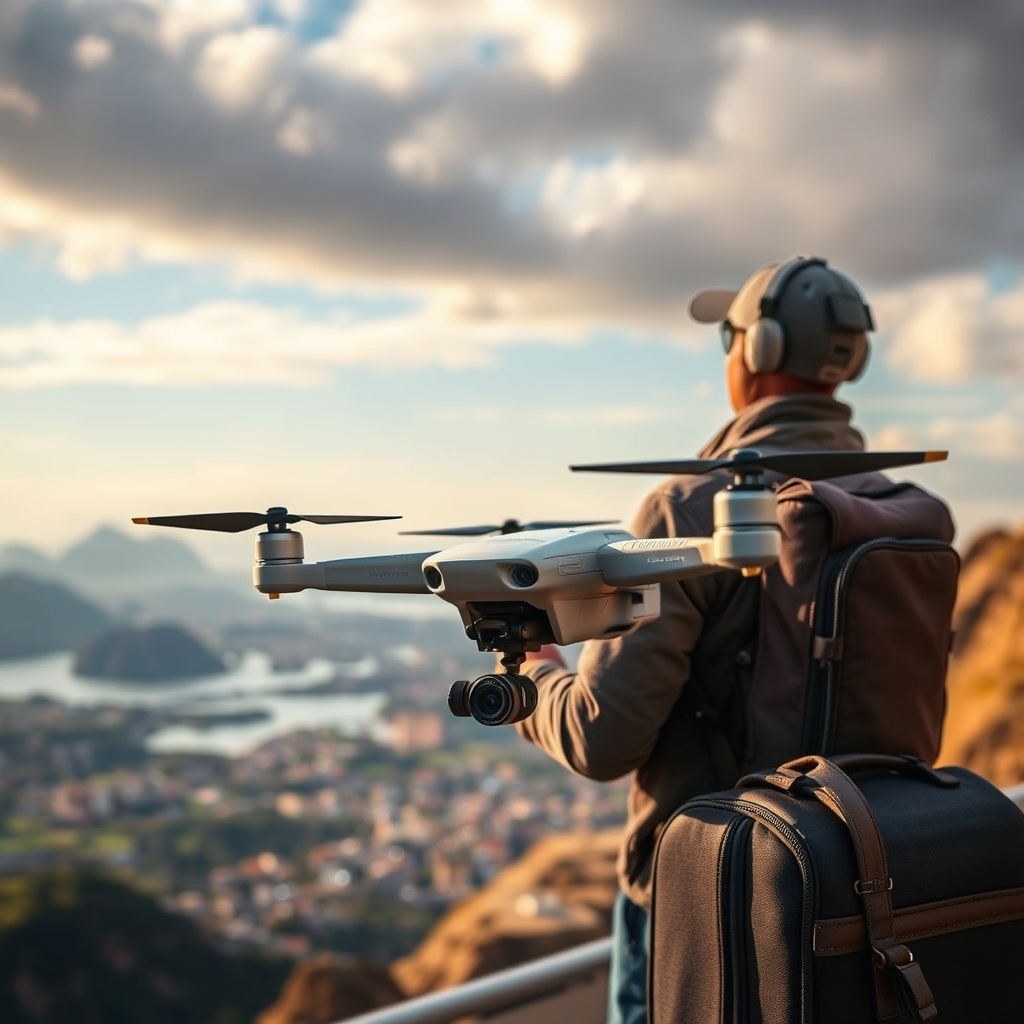
Yes, you can take a drone on a flight, but there are specific regulations and requirements you must follow. Traveling with a drone involves understanding airline policies, adhering to TSA guidelines, and being aware of international regulations. Proper knowledge and preparation can ensure a smooth journey, allowing you to capture stunning aerial footage upon arrival at your destination.
Airline Policies for Drones
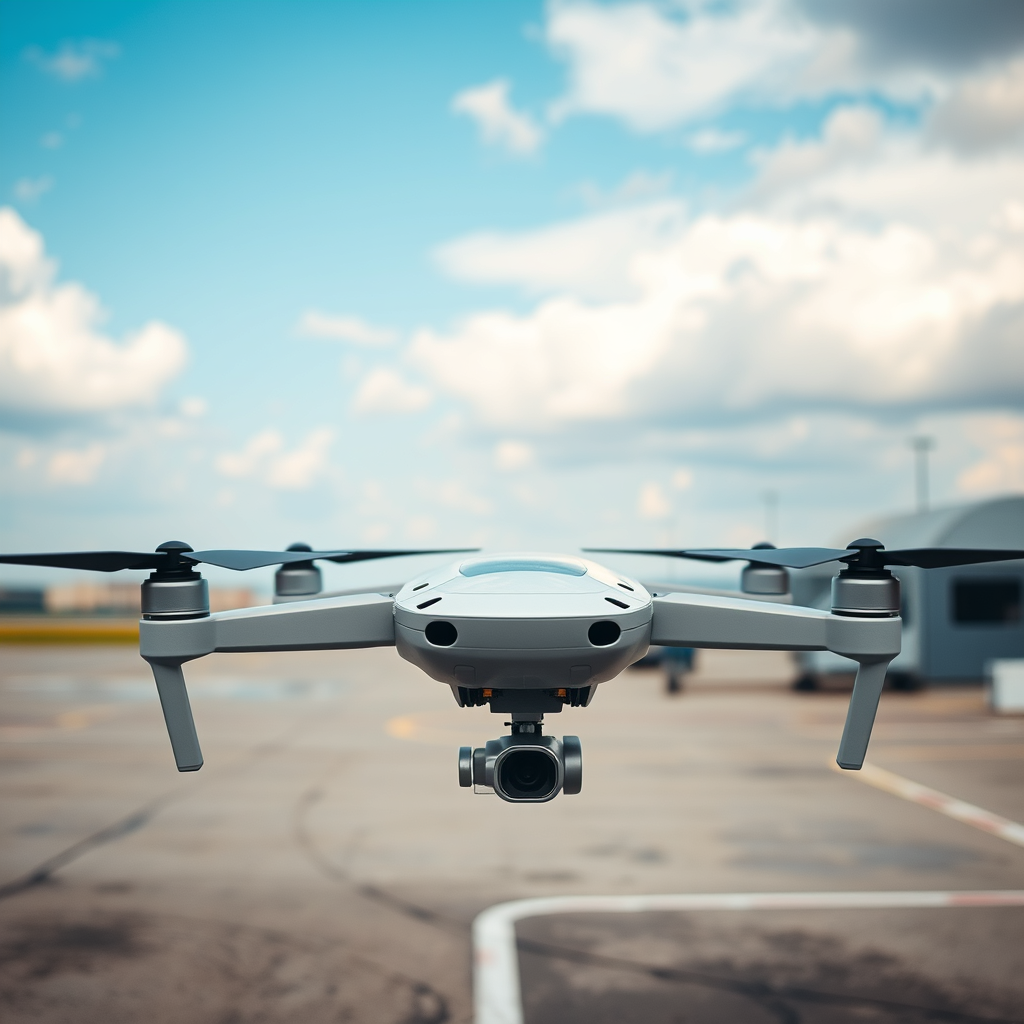
Airlines vary significantly in their policies regarding the transport of drones. While many allow drones on board, each airline has specific guidelines that you must adhere to, including restrictions related to the drone’s size, weight, and battery capacity. For instance, major carriers such as American Airlines and Delta Air Lines permit drones in carry-on luggage, but they may impose limits on the total weight and size.
Before packing your drone, check the airline’s official website or contact customer service for the most current information. It’s also critical to verify the battery specifications, as many airlines have restrictions on lithium-ion batteries, which are commonly used in drones. Typically, batteries exceeding 100 watt-hours may not be allowed in carry-on luggage at all. Knowing these details beforehand can prevent unexpected issues at the airport.
TSA Guidelines for Traveling with Drones
The Transportation Security Administration (TSA) has specific regulations for carrying drones, focusing primarily on safety and security. Drones can generally be transported in either carry-on or checked baggage; however, carrying them in your hand luggage is often recommended. This allows you to keep an eye on your equipment and ensures it’s handled more carefully compared to checked baggage.
When packing your drone, ensure that lithium batteries are stored properly. The TSA advises that batteries should never exceed the watt-hour limits set by the airline and should be stored in a manner that prevents short circuits. For instance, covering battery terminals with tape or placing them in a battery case can enhance safety during transport. Familiarizing yourself with TSA’s guidelines ensures compliance and reduces the risk of delays during the security screening process.
International Regulations and Customs
Traveling internationally with a drone introduces additional complexities, as many countries have stringent regulations governing drone use and importation. For example, countries like Japan and Australia require drone operators to register their devices and may have specific guidelines on where drones can be flown. Researching the local drone laws of your destination is crucial and can often be done through the country’s aviation authority or relevant government websites.
Additionally, some countries may require you to declare your drone at customs upon entry. Failing to do so can result in fines or confiscation of your equipment. For instance, if you are traveling to countries with strict drone laws, like Morocco, be prepared to present documentation that confirms your drone’s registration and adherence to local regulations. Understanding these requirements beforehand can save you from legal hassles upon arrival.
Packing Your Drone for Air Travel
Properly packing your drone is essential for safeguarding it during transit. It’s advisable to use a sturdy, padded case designed specifically for drones. Such cases not only protect your equipment from physical damage but also help streamline the airport security process. Look for cases with compartments for extra propellers and batteries, ensuring everything is organized and secure.
Before packing, remove the battery from your drone and store it separately, as many airlines and TSA guidelines stipulate that batteries should not be packed with electronic devices. This precaution also minimizes the risk of fire hazards associated with lithium batteries. Additionally, consider using protective covers for the propellers and camera to prevent damage during transport.
Insurance and Liability Considerations
When traveling with a drone, it’s wise to consider insurance options that cover drone-related incidents. Standard travel insurance may not cover damages or losses related to drone use, so seek out specialized drone insurance that accounts for theft, damage, and liability. This can provide peace of mind, especially if you plan to use your drone for commercial purposes or in crowded areas.
Understanding your liability is equally important. If your drone causes damage to property or injures a person, you may be held responsible. Ensure that your insurance policy covers potential liabilities while flying in a new location. Additionally, familiarize yourself with local laws regarding drone operation, as some regions may impose strict penalties for accidents or violations.
Alternative Options for Drones at Your Destination
If traveling with your drone proves to be cumbersome or against local regulations, consider alternative options. Many destinations now offer drone rental services, allowing you to enjoy aerial photography without the hassle of transporting your own equipment. Companies specializing in drone rentals can provide you with the latest models and even offer guidance on local laws and suitable flying locations.
Moreover, research drone-friendly parks or areas at your destination. Many regions have designated zones where drone flying is not only permitted but encouraged. This can significantly enhance your travel experience, providing unique opportunities to capture breathtaking landscapes without the complications of transporting your drone.
In summary, taking a drone on a flight is entirely feasible with the right preparation and understanding of relevant regulations. Always check airline policies, ensure compliance with TSA and international laws, and consider safe packing and insurance options for a smoother travel experience. By following these guidelines, you can enjoy the thrill of capturing incredible aerial footage while minimizing potential hassles during your journey.
Frequently Asked Questions
What are the regulations for taking a drone on a flight?
Regulations for taking a drone on a flight vary by country and airline. In the United States, the Federal Aviation Administration (FAA) permits drones on commercial flights, but they must be stored in checked luggage. Internationally, travelers should check the policies of their airline and the drone regulations of their destination country, as some locations may have strict rules or even prohibit drones entirely.
How do I pack my drone for air travel?
To pack your drone for air travel safely, start by removing the propellers and any detachable components to prevent damage. Use a sturdy case, preferably a hard-shell or padded bag, to protect the drone during transport. Ensure that the battery is stored in accordance with airline regulations, usually in carry-on luggage, and check your airline’s specific guidelines for lithium-ion batteries to avoid any issues at security checkpoints.
Why might airlines have restrictions on carrying drones?
Airlines often impose restrictions on carrying drones due to safety and security concerns. Drones contain lithium batteries, which can pose a fire hazard if not packed correctly. Additionally, the potential for drones to interfere with aircraft operations during takeoff and landing prompts airlines to enforce strict policies to ensure the safety of all passengers and crew members.
What is the best way to ensure my drone is allowed on a flight?
To ensure your drone is allowed on a flight, start by researching the specific airline’s policies regarding drones and batteries. Contact customer service for clarification if needed, and familiarize yourself with the drone laws of your destination. Additionally, consider obtaining any necessary permits or registrations that may be required, especially if you plan to use your drone upon arrival.
Which countries have the strictest regulations for bringing drones on flights?
Countries like Australia, Canada, and certain regions in Europe often have strict regulations regarding the importation and use of drones. In Australia, for example, travelers must declare their drones and ensure they comply with local laws. Before traveling, it’s best to research the specific regulations of your destination country to avoid fines or confiscation of your equipment.
References
- https://en.wikipedia.org/wiki/Drone_regulations
- https://www.faa.gov/uas/
- https://www.nytimes.com/2021/04/15/us/drone-regulations.html
- https://www.popularmechanics.com/flight/a31009306/drones-on-airplanes/
- https://www.bbc.com/news/technology-49663325
- https://www.theguardian.com/technology/2021/mar/03/a-drone-in-the-cockpit-how-drones-could-change-the-future-of-flight
- https://www.nasa.gov/feature/nasa-research-explores-drone-use-in-commercial-aviation
- https://www.aa.com.tr/en/science-technology/can-drones-fly-on-airlines-planes-experts-say-yes/2034730
- https://www.sciencedirect.com/science/article/pii/S2352864817304468
