
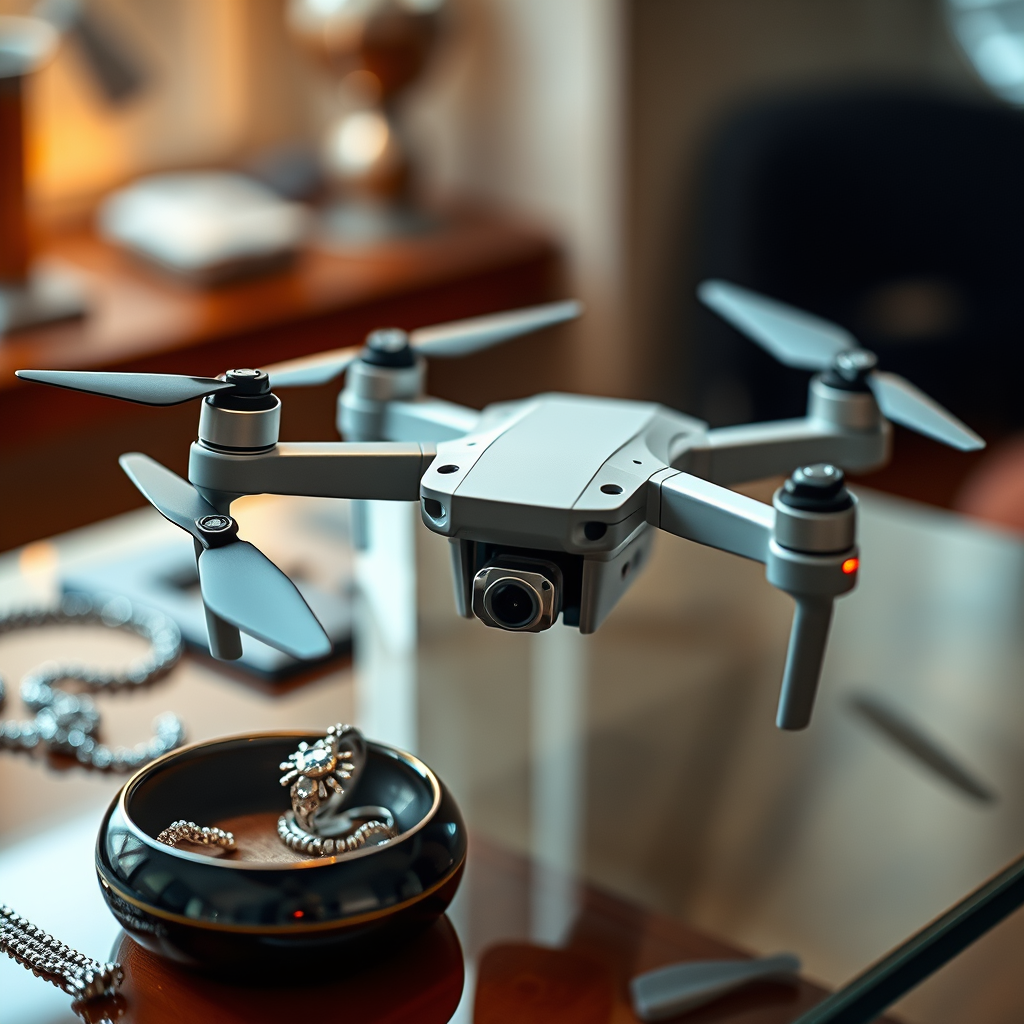
Yes, you can bring a drone to the Philippines, but there are specific regulations and guidelines you need to follow. Understanding the legal requirements and safety protocols is crucial to ensure a smooth experience while flying your drone in this beautiful country. The Philippines, with its stunning landscapes and vibrant culture, offers an enticing backdrop for aerial photography and exploration. However, to enjoy these benefits without legal complications, it is essential to be well-informed about the rules governing drone operation in the region.
Understanding Philippine Drone Regulations
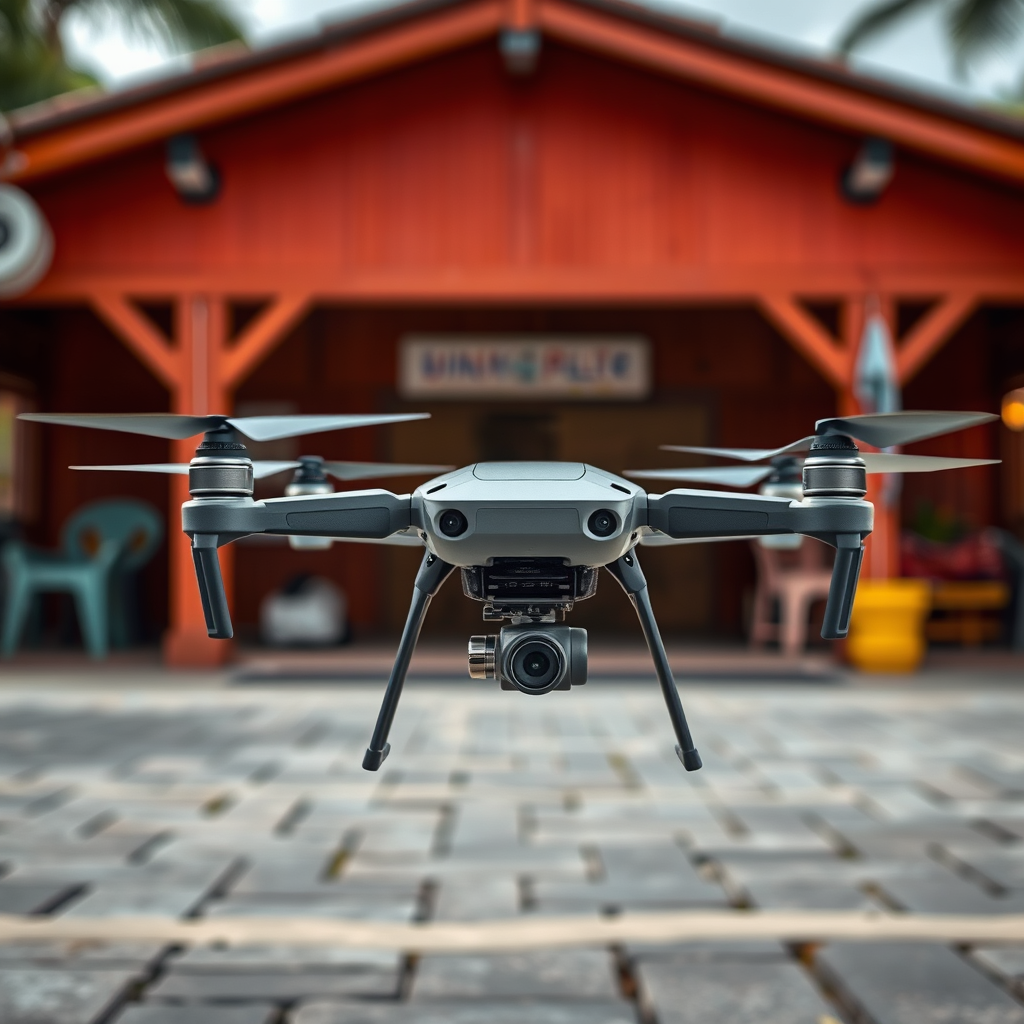
The Civil Aviation Authority of the Philippines (CAAP) is the primary governing body overseeing drone usage in the country. The CAAP has established specific regulations that ensure the safe operation of drones while minimizing risks to other airspace users and the public. One of the key requirements is that all drones weighing over 250 grams must be registered with the CAAP. This regulation is intended to keep track of drone operators and promote responsible flying practices.
In addition to registration, drone operators are also expected to adhere to various safety standards. These include maintaining a safe distance from populated areas, avoiding flights in adverse weather conditions, and ensuring that the drone is in good working condition before each flight. Failure to comply with these regulations may lead to penalties, making it imperative for operators to familiarize themselves with the legal framework before embarking on their drone-flying journey in the Philippines.
Registration Process for Drones
Registration is mandatory for both commercial and recreational drone users in the Philippines. The process is relatively straightforward but requires careful attention to detail. To register your drone, you must submit documentation that includes proof of ownership, such as a purchase receipt or invoice, and a valid identification card. Additionally, you may need to provide information about the drone itself, including its make, model, and serial number.
The registration process can be completed online through the CAAP’s official website, where you will find forms and instructions to guide you. Once your application is approved, you will receive a registration certificate that must be kept with you during your drone flights. It is essential to note that the registration is valid for three years, after which you will need to renew it to remain compliant with local regulations.
Required Permits for Drone Use
Depending on how you intend to use your drone, you may be required to obtain additional permits. For instance, if you plan to use your drone for aerial photography or any commercial purpose, you will need to acquire a Special Permit from the CAAP. This permit is essential for ensuring that your operations are conducted legally and safely. To apply for a Special Permit, you will need to provide details about your intended use, including the location, purpose, and timeframe of your flights.
Moreover, certain areas, such as national parks, urban zones, and other restricted locations, may have additional regulations and requirements. It is crucial to research and comply with any local ordinances or guidelines to avoid fines or other penalties. Always check with local authorities or the CAAP for any updates to drone regulations specific to the area you plan to visit.
Drone Operation Guidelines
When operating a drone in the Philippines, it is vital to adhere to specific operational guidelines to ensure safety and compliance with local laws. One of the primary rules is to maintain a maximum altitude of 400 feet. This altitude limit helps prevent potential collisions with manned aircraft and ensures that drone operations do not interfere with other aviation activities.
In addition to altitude restrictions, drone operators must always keep their drones within visual line of sight during operations. This means that you should be able to see your drone at all times without the aid of binoculars or other visual aids. By maintaining visual contact, you can better control the drone and respond to any potential hazards or obstacles in your flight path.
Furthermore, it is essential to be aware of your surroundings and avoid flying in crowded areas or near sensitive locations, such as airports or military facilities. Respecting these guidelines not only helps ensure your safety but also contributes to the responsible use of drones in the Philippines.
Customs and Import Restrictions
When bringing a drone into the Philippines, it is crucial to declare your device at customs upon arrival. Failing to do so may lead to confiscation or fines, which can quickly sour your travel experience. It is recommended to keep your drone and all associated equipment, such as batteries and remote controls, in their original packaging or a clearly labeled case to facilitate the customs inspection process.
Be aware that import taxes or duties may apply, depending on the value of your drone and local regulations. If you plan to bring multiple drones or other aerial equipment, you should prepare for potential customs inquiries and have documentation ready to prove ownership and the purpose of your visit. Consulting the Bureau of Customs in the Philippines prior to your travel can provide you with the most current information regarding import restrictions and potential fees.
Safe Flying Practices in the Philippines
In addition to adhering to regulatory guidelines, practicing safe flying habits is essential for responsible drone operation in the Philippines. Avoid flying your drone near airports or military facilities, as these areas are typically designated as no-fly zones. Violating these restrictions can lead to serious legal consequences, including fines and criminal charges.
Respecting privacy laws is another critical aspect of safe drone operation. Avoid flying over private property without permission, as this can infringe on individuals’ rights and lead to conflicts. Additionally, be considerate of local communities and cultural practices, especially in rural areas where residents may not be familiar with drone technology.
To enhance your flying experience, consider joining local drone clubs or online communities where you can share tips and connect with fellow drone enthusiasts. Networking with others can provide valuable insights into safe flying practices and local regulations.
Consequences of Non-Compliance
The consequences of failing to comply with drone regulations in the Philippines can be severe. Operators may face fines, confiscation of their drones, or even legal action depending on the nature and severity of the violation. For instance, operating a drone without the required registration or permits can result in steep penalties, while serious infractions, such as flying in restricted airspace, may lead to criminal charges.
To avoid these pitfalls, it is imperative to familiarize yourself with local laws and regulations before flying your drone. Regularly checking for updates from the CAAP or local authorities can help you remain informed about any changes that may affect your drone operation. Being proactive about compliance will not only protect you legally but also contribute to the overall safety and enjoyment of the drone-flying community in the Philippines.
In conclusion, bringing a drone to the Philippines is possible, but it requires careful adherence to local regulations and guidelines. By understanding the registration process, obtaining the necessary permits, and following operational guidelines, you can ensure a smooth and enjoyable flying experience. Additionally, being aware of customs regulations and practicing safe flying habits will help you navigate the complexities of drone operation in this beautiful country. Always stay informed about local laws to avoid any issues during your stay and enjoy capturing the breathtaking landscapes and vibrant culture the Philippines has to offer.
Frequently Asked Questions
What are the regulations for bringing a drone to the Philippines?
When bringing a drone to the Philippines, you must adhere to the regulations set by the Civil Aviation Authority of the Philippines (CAAP). Drones weighing more than 250 grams must be registered, and you may need to apply for a Special Permit for aerial photography or filming. Additionally, it’s crucial to familiarize yourself with local laws and restrictions in specific areas, especially in tourist spots and nature reserves.
How do I register my drone in the Philippines?
To register your drone in the Philippines, you must visit the Civil Aviation Authority of the Philippines (CAAP) website and complete an online application. You will need to provide personal information, your drone’s specifications, and proof of purchase. After submitting your application, pay the required fees, and you will receive a Certificate of Registration. Ensure that your registration is completed before flying your drone in the country.
Why do I need to register my drone before flying in the Philippines?
Registering your drone is essential to comply with Philippine aviation laws and regulations. This process helps ensure safety and accountability among drone operators, as registered drones can be tracked, and operators can be held responsible for any violations. Additionally, registration may be required for insurance purposes, especially when using drones for commercial activities.
What are the best practices for flying a drone in the Philippines?
To fly a drone safely and responsibly in the Philippines, familiarize yourself with local regulations, avoid flying near airports, and respect no-fly zones, particularly in populated areas and national parks. Always maintain a visual line of sight with your drone and fly below 400 feet. Additionally, be mindful of privacy concerns and obtain necessary permissions if filming people or private properties.
Which areas in the Philippines are prohibited for drone use?
In the Philippines, drone use is prohibited in several key areas, including airports, military bases, and government buildings. Specific tourist attractions, such as certain national parks and historical sites, may also have restrictions. It is important to check local regulations and consult with local authorities to avoid fines or confiscation of your drone, ensuring a safe and enjoyable experience while exploring the country.
References
- https://www.caat.org.uk/drones-in-the-philippines
- https://www.travel.gov.ph/
- https://www.bbc.com/news/world-asia-48299029
- https://www.reuters.com/article/us-philippines-drones-idUSKBN1YF0A7
- https://www.philippineairlines.com/en/faq/drones-in-the-philippines
- https://www.dost.gov.ph/knowledge-resources/online-resources/philippine-drone-laws.html
- https://www.gov.ph/
- https://www.wildlife.org/news/the-impact-of-drones-on-wildlife/
