
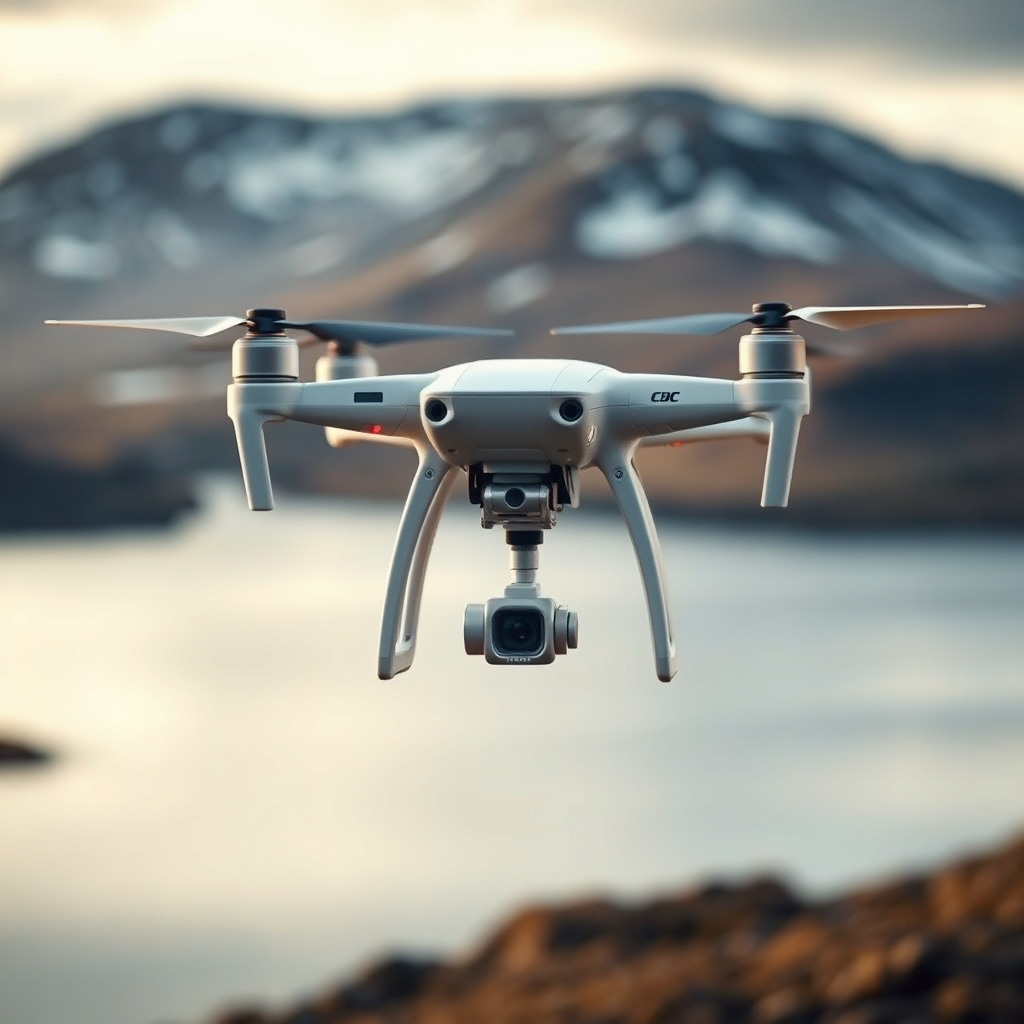
Yes, you can bring a drone to Iceland, but there are specific regulations and guidelines you must follow to ensure safe and legal flying. Understanding these rules is crucial for a hassle-free experience while exploring Iceland’s stunning landscapes, renowned for their breathtaking vistas, dramatic waterfalls, and unique geological formations. With a commitment to preserving its natural beauty and wildlife, Iceland has established a comprehensive framework governing drone use that every operator must adhere to, making it essential for drone enthusiasts to be informed before embarking on their aerial adventures.
Overview of Drone Regulations in Iceland
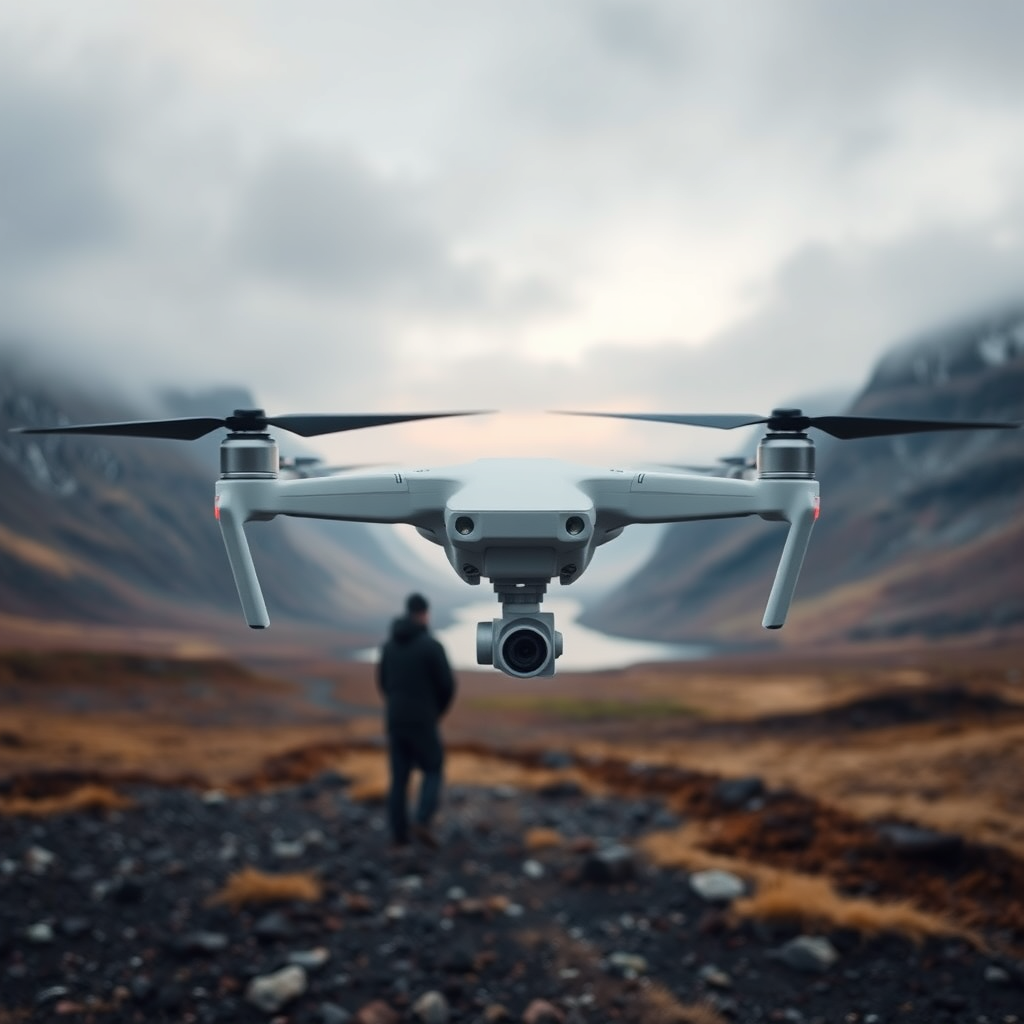
When planning to fly your drone in Iceland, it is vital to familiarize yourself with the existing regulations. Drones used for recreational purposes must weigh less than 25 kg, in accordance with European Union aviation regulations. This limitation ensures that operators can manage their drones effectively while minimizing risks associated with larger, potentially more dangerous devices. Additionally, drone operators must maintain compliance with the relevant guidelines set forth by the Icelandic Transport Authority, which governs air traffic and safety within the country’s airspace.
It’s important to note that the regulations governing drones in Iceland are primarily based on the European Union’s regulations, which aim to harmonize drone operations across member states. This alignment facilitates a streamlined process for international drone users, ensuring that those coming from other countries are also held to the same standards and practices while flying in Iceland.
Registering Your Drone
Before flying your drone in Iceland, you must ensure that it is registered with the Icelandic Transport Authority if it weighs more than 250 grams. This registration process is straightforward and can typically be completed online. Having proof of registration is crucial, as you must be able to present it upon request while operating your drone.
The registration process involves providing details about the drone, including its make, model, and weight, along with personal identification information. Once registered, you will receive a unique identification number that must be displayed on your drone. This measure enhances accountability and safety within the airspace, as it allows authorities to trace any incidents back to the operator.
No-Fly Zones and Restricted Areas
Iceland boasts a myriad of picturesque locations perfect for drone photography, but operators must remain vigilant regarding no-fly zones and restricted areas. Notably, areas surrounding airports are strictly off-limits to drone flight, as they pose significant risks to manned aircraft. The main international airport, Keflavík International Airport, and smaller regional airports have designated airspace that must be respected.
Furthermore, national parks such as Þingvellir, Vatnajökull, and Snæfellsjökull have specific regulations governing drone use to protect the delicate ecosystems and wildlife that inhabit these areas. In some cases, flying a drone in these locations may require special permissions or permits, which can be obtained by contacting the relevant authorities. Failing to adhere to these restrictions can result in hefty fines or confiscation of your drone, so it is imperative to do your research and plan accordingly.
Flying Height and Distance Restrictions
To ensure the safety of both the drone operator and others in the vicinity, there are strict flying height and distance restrictions in place. Drones cannot ascend higher than 120 meters (394 feet) above ground level, which helps maintain a safe operating environment and prevents interference with manned aircraft. This altitude limit is consistent with European regulations and is enforced to ensure the safety of all airspace users.
Additionally, operators must maintain a visual line of sight with their drone at all times during flight. This requirement not only enhances safety but also promotes responsible flying practices, enabling operators to avoid obstacles and effectively manage their drone’s movements. The combination of altitude restrictions and visual line of sight requirements fosters an environment where drone operations can coexist harmoniously with Iceland’s natural beauty and diverse wildlife.
Insurance and Liability Considerations
While not legally mandated, obtaining liability insurance for your drone is highly recommended when flying in Iceland. This insurance protects you against potential damages or injuries caused by your drone, offering peace of mind during your aerial explorations. The unpredictable nature of drone operations, coupled with the stunning yet challenging landscapes of Iceland, underscores the importance of being prepared for any unforeseen circumstances.
Before purchasing insurance, it is advisable to consult with your current insurance provider to determine whether your existing policy covers drone-related activities. If not, consider specialized drone insurance options that cater to the unique risks associated with operating drones. By securing adequate coverage, you not only protect yourself financially but also contribute to responsible drone usage, which is essential for maintaining the safety and integrity of Iceland’s natural environment.
Best Practices for Responsible Drone Use
Flying a drone in Iceland offers unparalleled opportunities to capture the country’s breathtaking scenery, but it comes with a responsibility to respect the environment and local communities. One of the best practices for responsible drone use is to be mindful of wildlife. Iceland is home to unique species, including puffins and Arctic terns, which may be disturbed by drone activity. Avoid flying near nesting areas or during breeding seasons to minimize stress on these animals.
In addition to wildlife considerations, it is crucial to follow local community guidelines and respect the privacy of others. Many Icelandic towns and villages have established informal rules regarding drone usage, particularly in residential areas. Engaging respectfully with local residents and fellow nature enthusiasts fosters a positive relationship between drone operators and the community, enhancing the experience for everyone involved.
Furthermore, always stay updated on any changes to regulations or guidelines by visiting the Icelandic Transport Authority’s official website or relevant local authorities. This proactive approach ensures you remain compliant and can enjoy your drone-flying experience without any unexpected challenges.
In conclusion, bringing a drone to Iceland is permissible under specific regulations, and understanding these rules is essential for a successful and enjoyable experience. By adhering to the weight, registration, and operational requirements, as well as being mindful of no-fly zones and responsible flying practices, you can capture stunning aerial footage while respecting Iceland’s unique environment and communities. Remember, the key to a fulfilling drone experience is not only about the breathtaking views but also about being a responsible operator. Happy flying!
Frequently Asked Questions
Can I bring a drone to Iceland for photography?
Yes, you can bring a drone to Iceland for photography, but there are specific regulations you need to follow. The Icelandic Transport Authority requires drone operators to register their drones and adhere to local laws regarding where you can fly. It’s crucial to check for no-fly zones, especially near populated areas, national parks, and airports, to ensure a safe and legal experience.
What are the drone regulations in Iceland?
Drone regulations in Iceland require operators to follow the European Union Aviation Safety Agency (EASA) guidelines. This includes maintaining a visual line of sight with your drone, not flying above 120 meters, and avoiding flying over crowds or urban areas. Additionally, operators must have liability insurance for their drones and are encouraged to respect wildlife and natural landscapes.
How do I register my drone in Iceland?
To register your drone in Iceland, you must visit the Icelandic Transport Authority’s website and fill out the necessary forms. Registration is mandatory for drones weighing over 250 grams. Once registered, you’ll receive a unique identification number that must be displayed on your drone, ensuring compliance with local laws while enjoying the stunning Icelandic scenery.
Why are there restrictions on where I can fly my drone in Iceland?
Restrictions on drone flight locations in Iceland are primarily in place to protect wildlife, preserve the environment, and ensure public safety. Many areas, such as national parks, are sensitive habitats for birds and other wildlife, making it essential to minimize disturbances. Additionally, flying drones near populated areas or critical infrastructure helps prevent accidents and enhances the safety of both drone operators and the public.
What are the best places to fly a drone in Iceland?
Some of the best places to fly a drone in Iceland include the stunning landscapes of the Golden Circle, the vast fields of lava at Snæfellsnes Peninsula, and the breathtaking waterfalls like Seljalandsfoss and Skógafoss. However, always ensure that you’re following local regulations and guidelines when flying in these areas. It’s also advisable to check for any current restrictions or permits required for specific locations to enhance your flying experience while protecting the natural beauty of Iceland.
References
- https://www.icelandair.is/en/travel-inspiration/travel-tips/drone-regulations-in-iceland/
- https://www.caa.is/en/drone-operations-in-iceland/
- https://www.visiticeland.com/article/drone-regulations-in-iceland
- https://www.reykjavik.com/drone-regulations-in-iceland/
- https://www.landsvirkjun.com/our-operations/environment/drone-use-in-iceland
- https://www.nationalgeographic.com/travel/article/drone-regulations-in-iceland
