
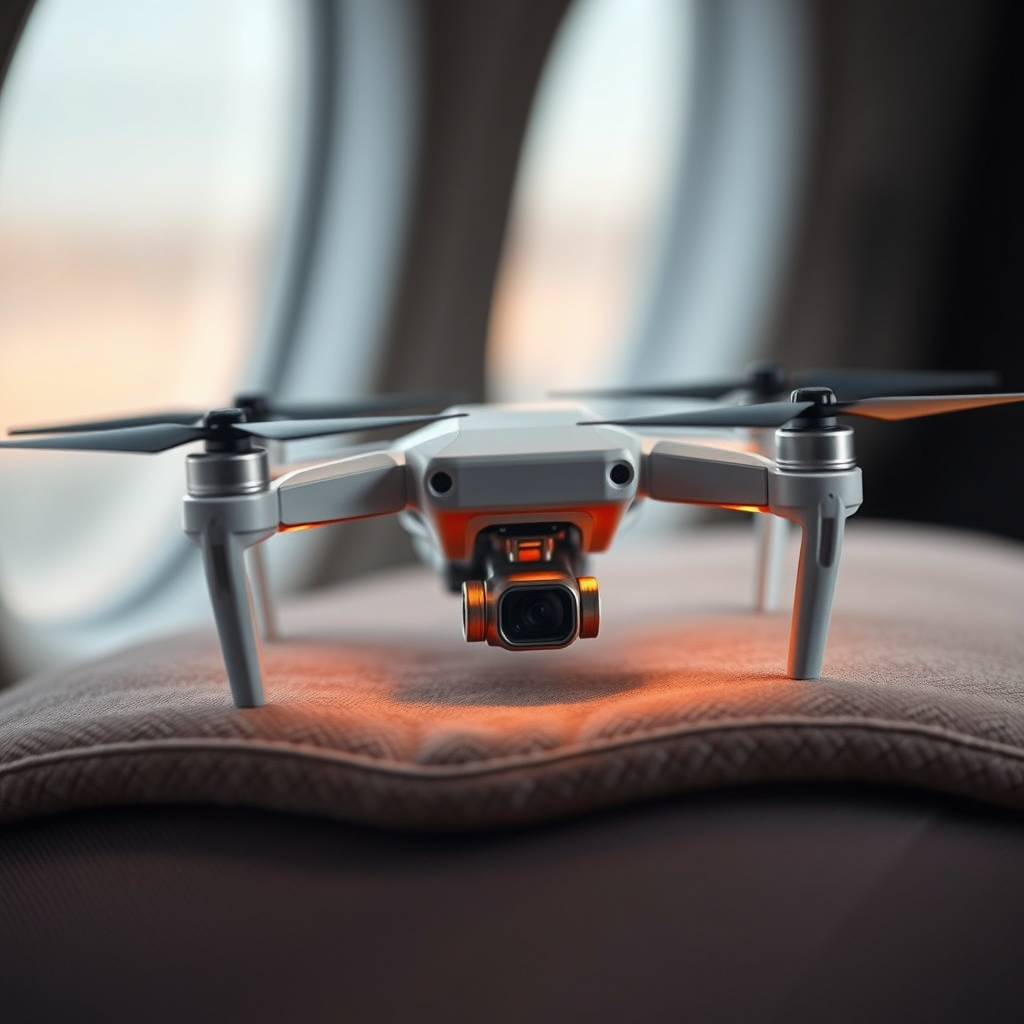
Yes, you can bring your drone on a plane, but there are specific regulations and guidelines you need to follow. Understanding airline policies, safety regulations, and local laws can help ensure a smooth travel experience with your drone. This guide will provide comprehensive insights into transporting your drone, from navigating airline rules to packing and preparing for security checks.
Understanding Airline Policies
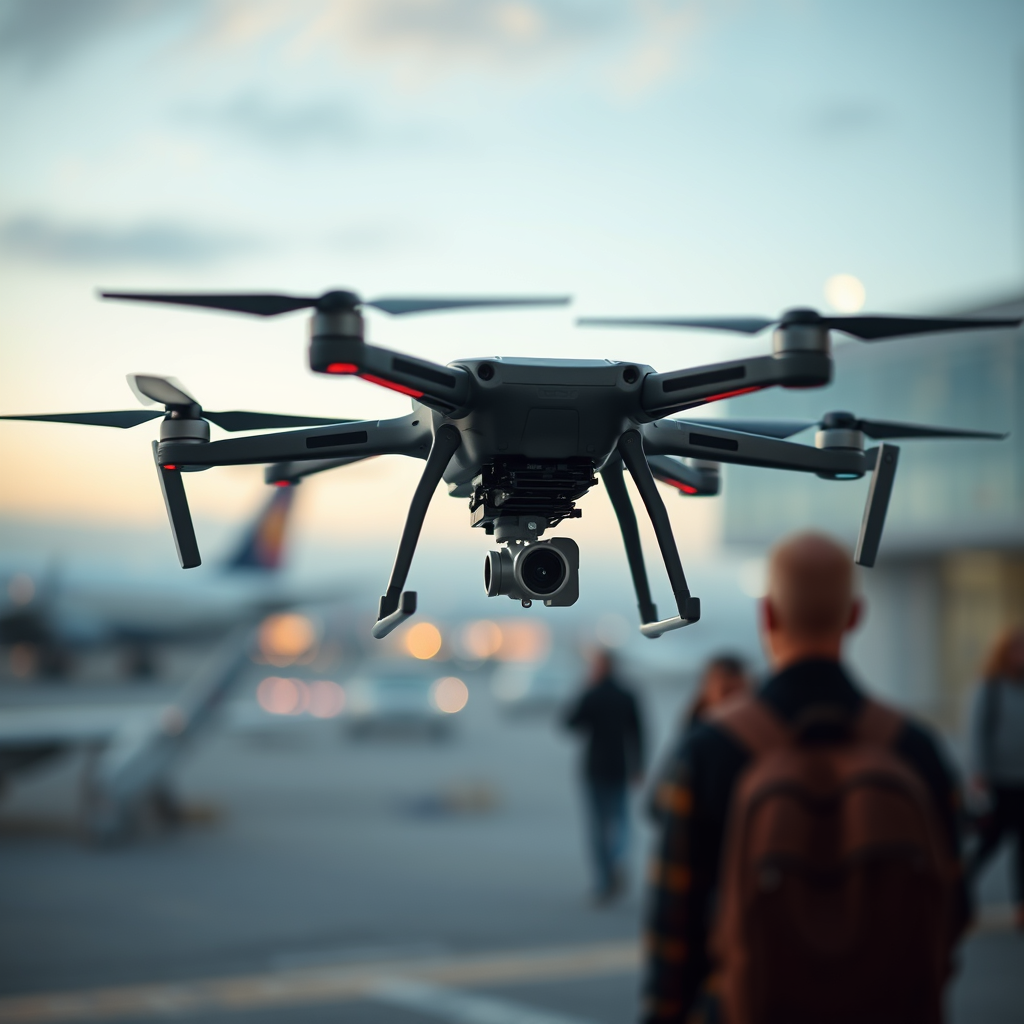
When it comes to transporting drones by air, it is crucial to recognize that different airlines have varying rules regarding drone transport. Some airlines may allow drones as carry-on baggage, while others might require them to be checked in. Additionally, size and weight restrictions may apply, so it’s essential to familiarize yourself with your airline’s specific policies. Checking your airline’s website for specific guidelines and restrictions allows you to plan accordingly and avoid any last-minute surprises at the airport. For example, airlines like Delta and United Airlines have clear instructions about the size of items allowed in the cabin, while budget airlines may have stricter baggage policies.
TSA Regulations for Drones
The Transportation Security Administration (TSA) allows drones as carry-on items, but there are specific regulations that you must adhere to. All lithium batteries, which power most drones, must be packed according to safety guidelines to prevent fire hazards. Generally, batteries should not exceed 100 watt-hours when carried on. If your drone’s batteries are over 100 watt-hours, they may need to be transported as checked luggage, but typically batteries over 300 watt-hours are prohibited on passenger aircraft. Familiarizing yourself with these regulations can help you avoid delays at security checkpoints and ensure the safety of your electronic devices during your travels.
Packing Your Drone for Travel
Proper packing of your drone is essential for protecting it during transit. Using a padded case specifically designed for drones can help prevent physical damage from impact or pressure changes during the flight. Ensure that your drone is securely stored, with propellers detached if applicable, to minimize the risk of damage. Additionally, keeping extra batteries and accessories organized for easy access at security checks will expedite the screening process. Consider labeling your equipment, as this can make it easier for security personnel to identify and understand the components during inspections.
International Travel Considerations
Traveling internationally with a drone presents its own set of challenges. Before you leave, it is vital to research the regulations of the destination country regarding drone usage. Some countries have stringent rules, requiring registration or special permits for drones, while others may outright ban drone flights. For instance, countries like Canada and Australia have specific licensing requirements, whereas nations like Japan may not allow drones to be flown in populated areas without authorization. Understanding these regulations can save you from potential legal issues and fines upon arrival.
Local Laws and Flight Restrictions
In addition to international regulations, local laws can significantly impact where and how you fly your drone. Be aware that many regions have restrictions that may prohibit drone flying in certain areas. For example, national parks often ban drone usage to protect wildlife and the natural environment, while airports maintain strict no-fly zones to ensure safety in air traffic. Urban areas may also have limitations due to privacy concerns and safety regulations. Conducting thorough research on local laws ensures that you respect the community’s regulations and enjoy your flying experience without facing penalties.
Preparing for Security Checks
When traveling with a drone, you should be prepared for the possibility of additional scrutiny at security checks. Expect to remove your drone and batteries from your bag for screening, similar to how you would handle laptops and larger electronic devices. Familiarizing yourself with TSA procedures can expedite the process and reduce stress during your travel. Arriving at the airport early can provide ample time to navigate security without feeling rushed. Additionally, ensure that your drone is easily accessible in your carry-on luggage to facilitate a smoother experience at the checkpoint.
Additional Tips for Drone Travelers
To enhance your travel experience with a drone, consider joining online forums or groups for drone enthusiasts. These communities are valuable resources for sharing experiences, tips, and advice on navigating regulations and finding the best flying spots. Additionally, staying updated on drone regulations is crucial, as laws can change frequently. Subscribing to newsletters from drone advocacy organizations or following relevant news can help you remain informed about new rules or changes that could affect your travel plans.
In conclusion, bringing your drone on a plane is feasible if you adhere to airline policies and regulations. By understanding airline rules, TSA guidelines, and local laws, you can ensure a hassle-free travel experience with your drone. Always plan ahead, pack wisely, and stay informed to make the most of your adventures, whether you’re capturing breathtaking aerial views or simply enjoying the thrill of flying.
Frequently Asked Questions
Can you bring your drone on a plane as carry-on luggage?
Yes, you can generally bring your drone on a plane as carry-on luggage, but there are specific regulations you need to follow. Most airlines allow small drones in your carry-on bag as long as the lithium batteries are under the maximum watt-hour limit (usually 100Wh). However, it’s important to check with your airline’s policies beforehand, as some may have restrictions regarding drone size, weight, or battery capacity.
What are the restrictions for flying drones on domestic and international flights?
Restrictions for flying drones vary between domestic and international flights. In the U.S., the Federal Aviation Administration (FAA) regulates drone use, while international regulations can differ significantly by country. Before traveling, check the specific regulations of your destination, including whether you need permits or if drones are banned entirely, as some countries have strict rules governing drone usage.
How do you pack a drone for air travel to avoid damage?
To pack your drone for air travel safely, use a padded case specifically designed for drones, which can absorb shock and protect delicate parts. Disassemble any removable components such as propellers and batteries, and pack them separately to prevent damage. Additionally, ensure your carry-on complies with airlines’ size restrictions and always keep your drone within easy reach for security checks.
Why is it important to declare your drone during airport security checks?
Declaring your drone during airport security checks is crucial for ensuring compliance with airline regulations and avoiding potential delays or confiscation. Security personnel may need to examine the drone and its batteries to ensure they meet safety standards. By being upfront about your drone, you help streamline the screening process and avoid misunderstandings that could lead to travel disruptions.
Which batteries are allowed for drones when traveling by plane?
When traveling by plane with a drone, lithium polymer (LiPo) batteries must typically be under 100 watt-hours (Wh) for carry-on luggage. Batteries between 100Wh and 300Wh may be allowed, but they often require airline approval and must be transported in a fire-resistant container. Always check the specific airline guidelines and ensure that your batteries are in good condition, as damaged or swollen batteries may be prohibited.
References
- https://www.faa.gov/uas/travel
- https://www.tsa.gov/travel/security-screening/whatcanibring/items/drone
- https://www.nytimes.com/2021/07/13/travel/drones-airplanes.html
- https://www.wired.com/story/flying-with-a-drone/
- https://www.nationalgeographic.com/travel/article/what-to-know-about-flying-with-a-drone
- https://www.reuters.com/article/us-usa-drone-faa-idUSKBN2A32V7
- https://www.faa.gov/uas/getting_started/registration/
- https://www.theguardian.com/travel/2021/jul/22/flying-with-a-drone-what-you-need-to-know
- https://www.aviationpros.com/aircraft/aircraft-systems/drone-uas/article/21136488/flying-with-a-drone-what-you-need-to-know
