
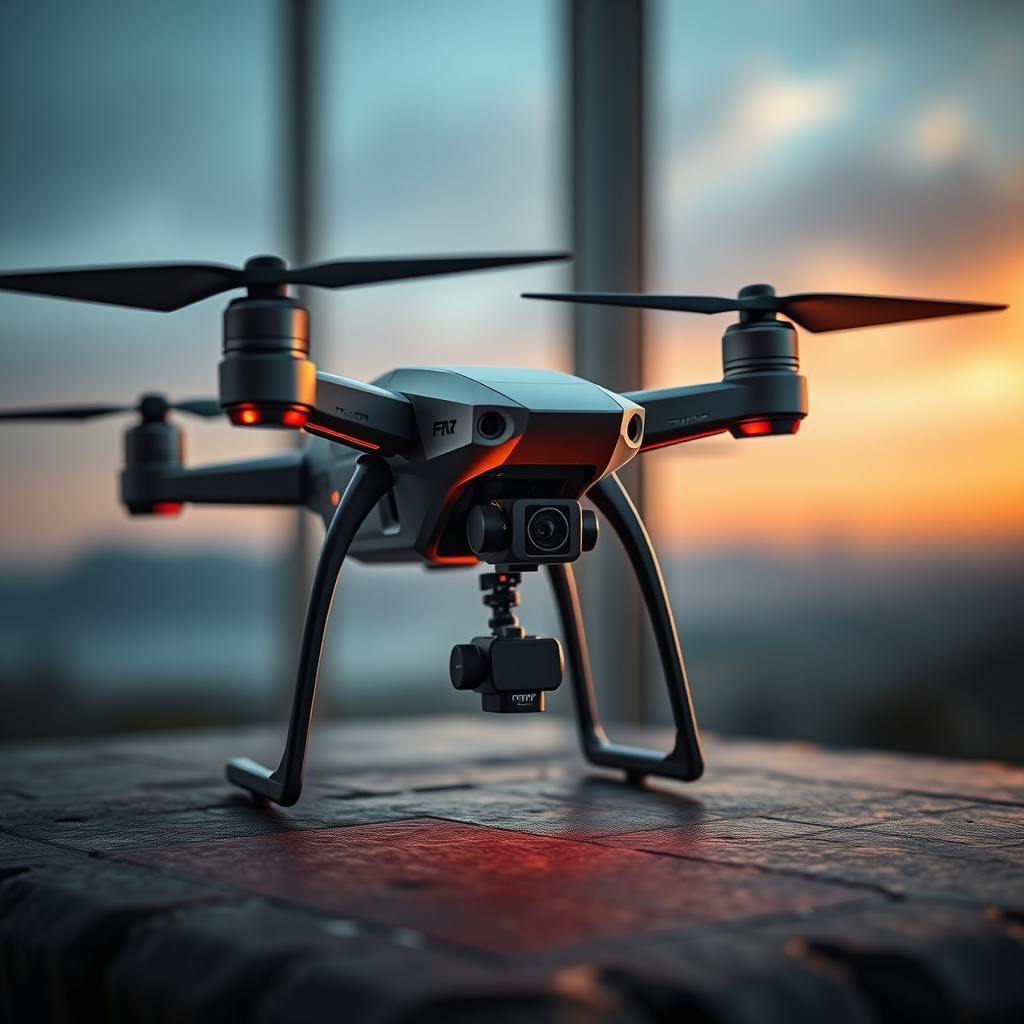
Yes, you can buy a Predator drone, but not in the traditional sense. These military-grade drones, primarily used by the U.S. military for surveillance and targeted operations, are not available for civilian purchase due to stringent regulations and legal restrictions. However, there are many alternatives on the market that offer similar capabilities for civilian use, alongside a robust framework of laws governing drone operation. This article will delve into the limitations around purchasing Predator drones and explore the viable options for those interested in drone technology.
Understanding Predator Drones
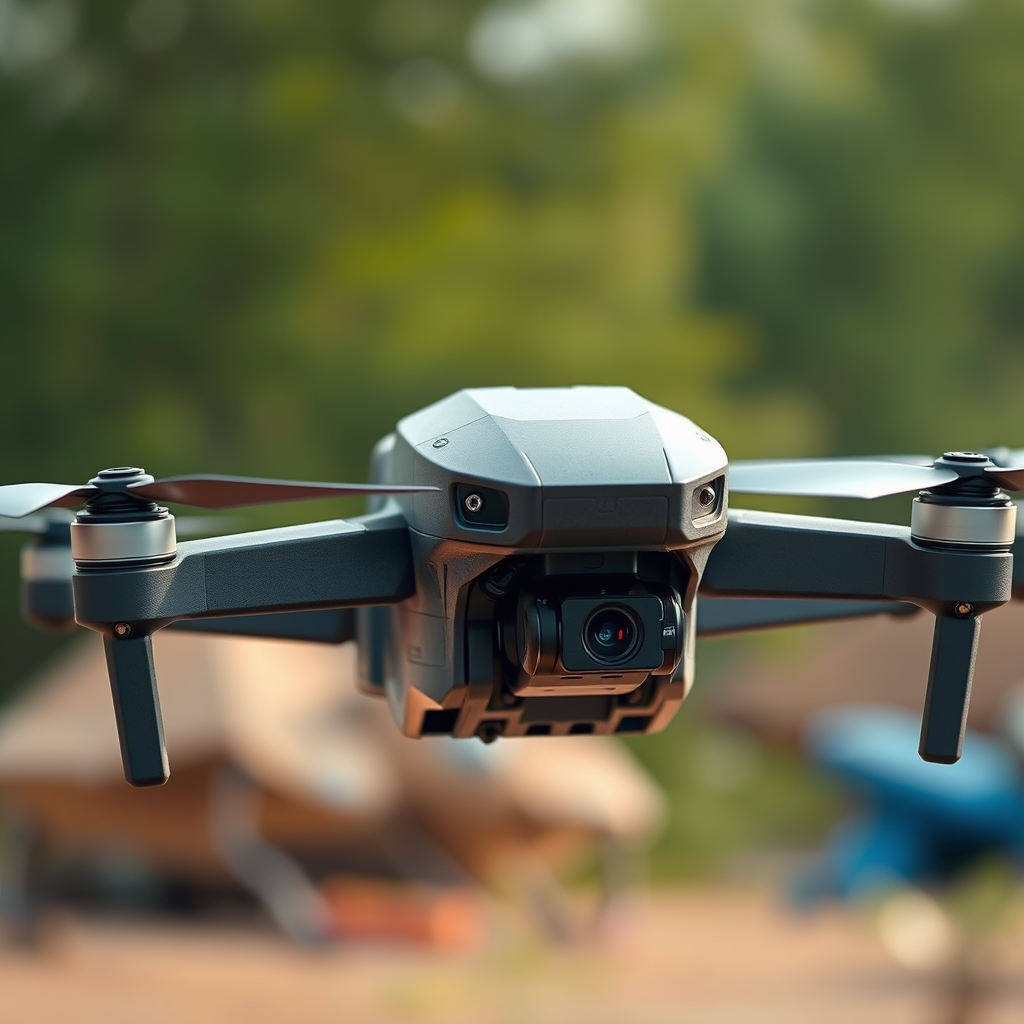
Predator drones, specifically the MQ-1 Predator and its successor, the MQ-9 Reaper, are unmanned aerial vehicles (UAVs) developed by General Atomics Aeronautical Systems for the military. Originally designed for reconnaissance missions, these drones have evolved to conduct precision strikes, surveillance, and intelligence gathering. Equipped with advanced sensors, cameras, and missile systems, Predator drones can operate at altitudes exceeding 25,000 feet for extended periods, making them invaluable for military operations.
The technology behind Predator drones includes sophisticated autopilot systems, real-time data transmission, and high-definition cameras. These drones utilize a combination of GPS and inertial navigation systems for precise targeting and flight path management. Their capabilities allow for 24/7 surveillance, making them critical in modern warfare and counter-terrorism operations. However, these features come with significant costs, and their military applications are closely monitored and controlled.
Legal Restrictions on Purchasing Military Drones
In the United States, the sale of military drones like the Predator is tightly regulated under the Arms Export Control Act (AECA) and the International Traffic in Arms Regulations (ITAR). These laws classify such drones as defense articles, which are prohibited from being sold to civilians or foreign entities without explicit government approval. The U.S. government maintains strict control over the design, production, and distribution of military technology to ensure national security and compliance with international treaties.
Internationally, various arms control agreements further complicate the sale and distribution of military drones. The Missile Technology Control Regime (MTCR) and the United Nations Register of Conventional Arms impose limitations on the transfer of certain UAV technologies, especially those capable of delivering weapons. As a result, while some countries may produce or sell drones that resemble military models, they typically do not possess the advanced capabilities of the Predator series.
Alternatives to Predator Drones for Civilians
For individuals and businesses seeking drone technology for non-military purposes, there are several high-performance alternatives available for public purchase. Companies such as DJI, Parrot, and Skydio manufacture drones that feature advanced capabilities, including high-resolution cameras, autonomous flight modes, and obstacle avoidance technology.
For example, the DJI Matrice 300 RTK is a versatile commercial drone that supports various payloads, including thermal imaging and LiDAR sensors. It offers a flight time of up to 55 minutes and is widely used in industries such as agriculture, construction, and search and rescue. Another notable option is the Skydio 2, which incorporates advanced artificial intelligence for autonomous navigation, making it ideal for surveillance and inspection tasks. These drones provide exceptional features that, while not as lethal as military drones, can be utilized for numerous practical applications.
The Role of Drones in Surveillance and Reconnaissance
Drones play a significant role in surveillance and reconnaissance across various sectors, including law enforcement, environmental monitoring, and private security. For instance, police departments employ drones for crowd monitoring during large events, aiding in public safety and emergency response. In agriculture, drones are increasingly used for crop monitoring, allowing farmers to assess the health of their fields and optimize resource use.
However, the rise of drone technology raises ethical considerations, particularly concerning privacy and civil liberties. The potential for widespread surveillance has sparked debates about the balance between security and individual rights. Critics argue that the use of drones for monitoring can lead to invasive surveillance practices, while proponents emphasize the benefits of enhanced safety and efficiency in various applications. As the technology continues to evolve, it is crucial to establish clear guidelines and regulations to address these ethical dilemmas.
How to Operate Drones Legally
In the United States, the Federal Aviation Administration (FAA) regulates the operation of drones to ensure safety in the national airspace. For recreational drone pilots, the FAA mandates that users register their drones and adhere to specific guidelines, such as flying below 400 feet and maintaining visual line-of-sight.
For commercial use, operators must obtain a Remote Pilot Certificate under Part 107 of the FAA regulations. This certification requires passing a knowledge test covering topics such as airspace classification, weather, and drone operation regulations. Additionally, businesses may need to apply for specific waivers depending on their intended use, such as flying at night or beyond visual line-of-sight. Understanding and complying with these regulations is essential for anyone interested in operating drones legally and effectively.
Future of Drone Technology and Accessibility
The future of drone technology is poised for rapid advancement, with ongoing developments in artificial intelligence, battery efficiency, and autonomous systems. These improvements will likely lead to more sophisticated drones capable of performing complex tasks, such as autonomous delivery services and infrastructure inspections.
As technology becomes more accessible, regulatory frameworks may also evolve to accommodate new applications. For instance, the FAA is exploring remote identification requirements for drones, which could enhance safety and accountability. Additionally, as public awareness and acceptance of drone technology grow, we may see more collaborative efforts between regulatory bodies and the drone industry to foster innovation while ensuring safety and privacy.
In conclusion, while you cannot buy a Predator drone for personal use, there are numerous alternatives and legal pathways for those interested in drone technology. By understanding the regulations and exploring commercial options, you can effectively engage with this rapidly evolving field. As the landscape of drone technology continues to change, staying informed about advancements and legal requirements will be essential for navigating this exciting industry.
Frequently Asked Questions
Can civilians buy a Predator drone for personal use?
Civilians cannot buy a Predator drone, as these unmanned aerial vehicles (UAVs) are military-grade equipment that is restricted for sale to the general public. The Predator drone is designed for reconnaissance and combat operations, making it illegal for private ownership under U.S. federal law. However, there are smaller, commercially available drones that offer similar features for hobbyists and enthusiasts.
What are the legal restrictions on owning military drones like the Predator?
The ownership of military drones like the Predator is heavily regulated by the U.S. government and international laws. These laws prohibit unauthorized sales and possession of military technology, including drones used for surveillance and combat. Additionally, acquiring any drone that falls under the category of military UAVs typically requires a special license and government approval, which is not accessible to civilians.
Why are Predator drones not available for sale to the public?
Predator drones are not available for public sale primarily due to national security concerns and their advanced capabilities in surveillance and warfare. These drones are equipped with sophisticated technology that can be easily misused if in the hands of civilians. The U.S. government closely monitors military-grade equipment to prevent potential threats and misuse.
What alternatives exist for those interested in drone technology?
For individuals interested in drone technology, there are many alternatives available that do not involve military-grade equipment. Commercial drones, such as those made by DJI or Parrot, offer excellent features for photography, videography, and recreational use. Additionally, there are educational kits and programs that allow users to build and learn about drones without the legal and ethical concerns associated with military drones.
Which drones are similar to Predator drones for civilian use?
While there are no direct civilian equivalents to the Predator drone, there are several high-end commercial UAVs that offer advanced features like GPS, high-resolution cameras, and autonomous flight modes. Drones like the DJI Mavic series and the Autel Robotics EVO series provide impressive capabilities for aerial imagery and surveying. These drones are user-friendly and cater to both hobbyists and professionals, making them great alternatives for those interested in drone technology.
References
- https://en.wikipedia.org/wiki/Predator_drone
- https://www.reuters.com/article/us-usa-drones-idUSKBN2A10PL
- https://www.bbc.com/news/world-us-canada-56993618
- https://www.c-span.org/video/?c4945926/user-clip-predator-drones
- https://www.armytimes.com/news/your-army/2020/12/29/can-you-buy-a-drone-what-the-us-military-is-doing-about-it/
- https://www.wired.com/story/how-to-buy-a-drone/
- https://www.c-span.org/video/?c4945926/user-clip-predator-drones
- https://www.nytimes.com/2021/06/09/us/predator-drones-privacy.html
