
Yes, you can buy military drones, but there are significant restrictions and regulations that govern their sale. The landscape of drone technology has evolved rapidly, leading to a growing interest from various sectors, including private companies and research institutions. However, navigating the complexities of purchasing military drones requires a keen understanding of the legal framework, the types available for purchase, and the ethical implications inherent in their ownership.
Understanding Military Drone Classification
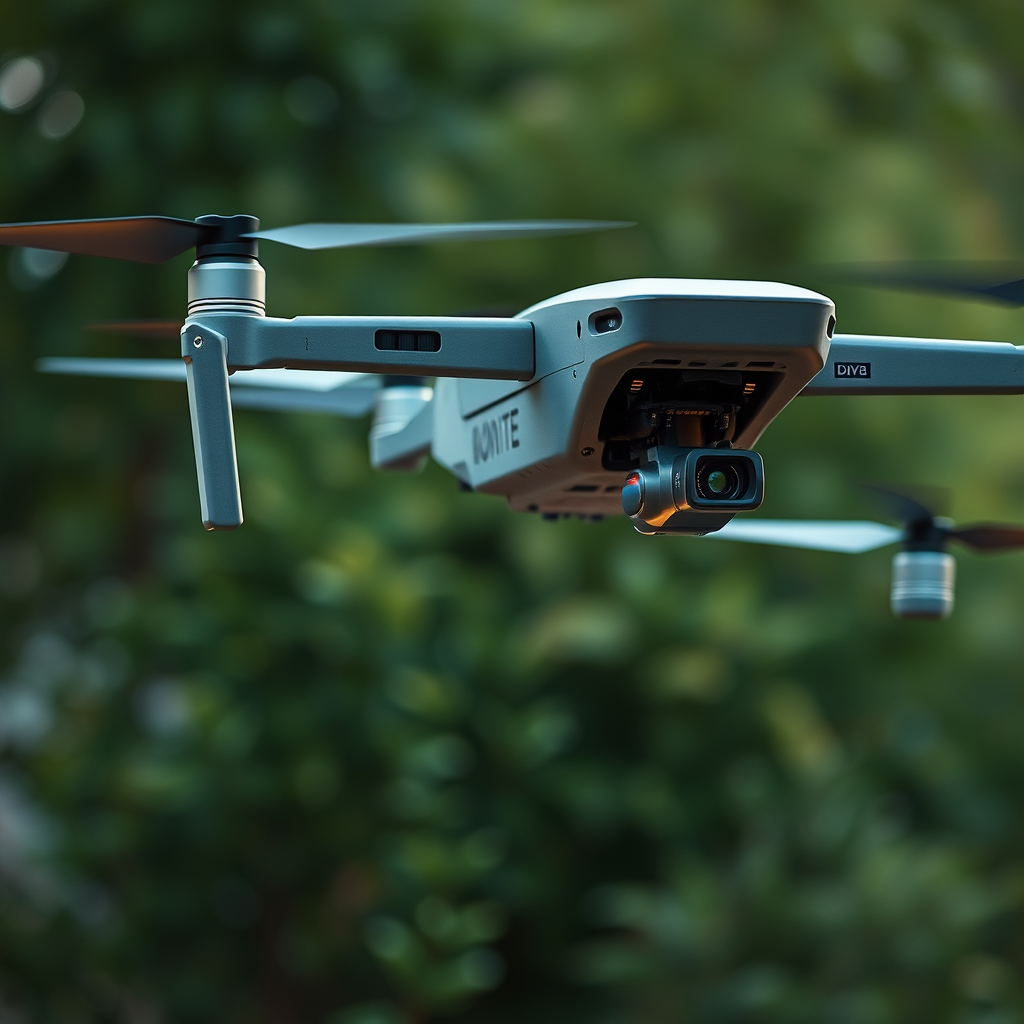
Military drones, often referred to as unmanned aerial vehicles (UAVs), are classified based on their intended use, size, and capabilities. Generally, these drones fall into categories such as tactical, strategic, and surveillance drones. Tactical drones are typically used for short-range missions, providing real-time data to ground forces, while strategic drones can operate over vast distances, often for reconnaissance or intelligence gathering.
The distinction between commercial and military-grade drones is crucial. Military drones are engineered for robustness, featuring advanced technology such as enhanced sensors, superior flight capabilities, and the ability to carry payloads that may include weapons or surveillance equipment. In contrast, commercial drones prioritize user-friendliness and affordability, often lacking the sophisticated systems found in military variants. As a result, while both types serve aerial purposes, their applications and regulatory frameworks differ significantly.
Legal Restrictions on Purchasing Military Drones
The legal landscape surrounding the purchase of military drones is intricate and varies by country. In the United States, for instance, military drones are classified as defense articles under the Arms Export Control Act (AECA). This classification means that their sale is subject to stringent regulations designed to control the export and distribution of military technology. Potential buyers must navigate the International Traffic in Arms Regulations (ITAR), which govern the export of defense-related articles and services.
Internationally, treaties such as the United Nations Register of Conventional Arms also play a role in regulating the sale of military drones. Many countries require that prospective buyers obtain licenses and permits before engaging in transactions involving military drones. These regulations are crucial in preventing the proliferation of military technology to unauthorized or potentially malicious entities.
Types of Military Drones Available for Purchase
While the vast majority of military drones are reserved for governmental use, there are certain types that can be legally acquired by private entities, albeit under strict conditions. Common types of military drones available for purchase include small tactical drones designed for surveillance and reconnaissance missions. For instance, the RQ-20 Puma, a small UAV used for surveillance, is sometimes available to law enforcement agencies and research institutions.
Companies such as Boeing and Northrop Grumman have developed military-grade drones that may be available for purchase under specific circumstances, typically involving partnerships with government agencies or compliance with export controls. Furthermore, manufacturers are increasingly exploring opportunities to create drones tailored for commercial use while incorporating military-grade technology, thus blurring the lines between the two categories.
The Process of Acquiring Military Drones
Acquiring military drones legally involves a multifaceted process. First, potential buyers must conduct thorough research to understand the specific regulations applicable in their jurisdiction. This includes familiarizing oneself with both national laws and international regulations governing military technology. Once a suitable drone is identified, the buyer must apply for the necessary licenses, which may involve submitting detailed documentation outlining the intended use of the drone.
Approval from relevant authorities is often required, and this can include defense ministries or export control agencies. Buyers might also need to demonstrate compliance with ITAR guidelines if they are in the U.S. or adhere to similar regulations if they are based in other countries. The process can be lengthy and requires a significant investment in terms of time and resources, particularly for non-governmental entities.
Potential Risks and Ethical Considerations
Owning military drones carries inherent risks and ethical considerations that must not be overlooked. The potential for misuse is significant; drones designed for military applications can be used for surveillance or even armed encounters, raising concerns over privacy rights and the potential for harm. Furthermore, the implications of owning such technology in conflict zones or areas with political instability can lead to severe consequences.
Ethically, the question arises as to whether private individuals or organizations should have access to technology originally developed for military purposes. The capacity for drones to be weaponized or used for surveillance can blur the lines between civilian and military use, leading to a broader societal debate about the implications of such ownership. Organizations and individuals considering the purchase of military drones must weigh these risks against their intended applications and ethical responsibilities.
Alternatives to Military Drones
For those interested in drone technology but hesitant to navigate the complexities of military drone ownership, consumer-grade drones offer viable alternatives. Many modern commercial drones come equipped with advanced capabilities, including high-resolution cameras, GPS, and obstacle avoidance systems, making them suitable for various applications such as surveying, mapping, and even agricultural monitoring.
Companies like DJI and Parrot produce consumer drones that, while not classified as military drones, provide robust functionality for commercial use. These drones are not only easier to acquire but also come with user-friendly interfaces and less stringent regulatory requirements. Utilizing commercial drones can fulfill many of the purposes for which military drones are sought, without the associated legal and ethical complications.
Conclusion
In summary, while buying military drones is possible, it comes with stringent legal requirements and ethical considerations. The regulatory landscape is complex, necessitating careful navigation of national and international laws to ensure compliance. Moreover, the potential risks associated with ownership and the moral implications of possessing military-grade technology must be weighed seriously. For those interested in the capabilities offered by drones, exploring commercial alternatives may present a more accessible and ethically responsible path forward, allowing for the utilization of advanced drone technology without the burdens of military classification.
Frequently Asked Questions
Can civilians legally buy military drones?
Yes, civilians can legally buy certain types of military drones, but there are strict regulations governing their purchase and use. In many countries, military drones that are classified as “unmanned aerial vehicles” (UAVs) may require special permits or licenses, especially if they have advanced capabilities or are designed for combat. It’s essential to check local laws and regulations to ensure compliance before making a purchase.
What types of military drones are available for purchase by civilians?
Civilians can purchase various types of military drones, including those designed for surveillance, reconnaissance, and research purposes. Some manufacturers offer scaled-down versions of military drones that are suitable for hobbyists or commercial use, such as the DJI Matrice series, which may have features inspired by military technology. However, the most sophisticated military-grade drones with advanced weaponry or capabilities are typically restricted to government entities and defense contractors.
How much do military drones cost for civilians?
The cost of military drones available to civilians can vary widely depending on the drone’s capabilities and specifications. Entry-level models may start around $1,000, while more advanced drones that offer features like high-resolution cameras, extended flight times, and robust navigation systems can range from $5,000 to over $100,000. It’s crucial to consider not just the initial purchase price but also ongoing costs such as maintenance, insurance, and potential training.
Why are there restrictions on purchasing military drones?
Restrictions on purchasing military drones primarily stem from national security concerns and the potential for misuse. Military drones often possess advanced technology that can be used for surveillance or reconnaissance, raising issues regarding privacy and public safety. Governments aim to control access to these technologies to prevent them from falling into the wrong hands or being used for unlawful activities, which is why obtaining the necessary permits and complying with regulations is vital for potential buyers.
What is the best way to find reputable sellers of military drones?
To find reputable sellers of military drones, start by researching established manufacturers known for their drone technology, such as DJI, Parrot, or Northrop Grumman. Look for online reviews, customer testimonials, and industry certifications to gauge the credibility of sellers. Additionally, attending drone expos or industry conferences can provide opportunities to meet with vendors, see product demonstrations, and ask questions directly, ensuring you make an informed purchase decision.
References
- https://en.wikipedia.org/wiki/Military_drone
- https://www.bbc.com/news/world-47431957
- https://www.nytimes.com/2021/09/24/us/politics/military-drones.html
- https://www.reuters.com/article/us-usa-drones-insight-idUSKCN1VO1D1
- https://www.defense.gov/Explore/Spotlight/Unmanned-Systems/
- https://www.rand.org/pubs/research_reports/RR3100.html
