
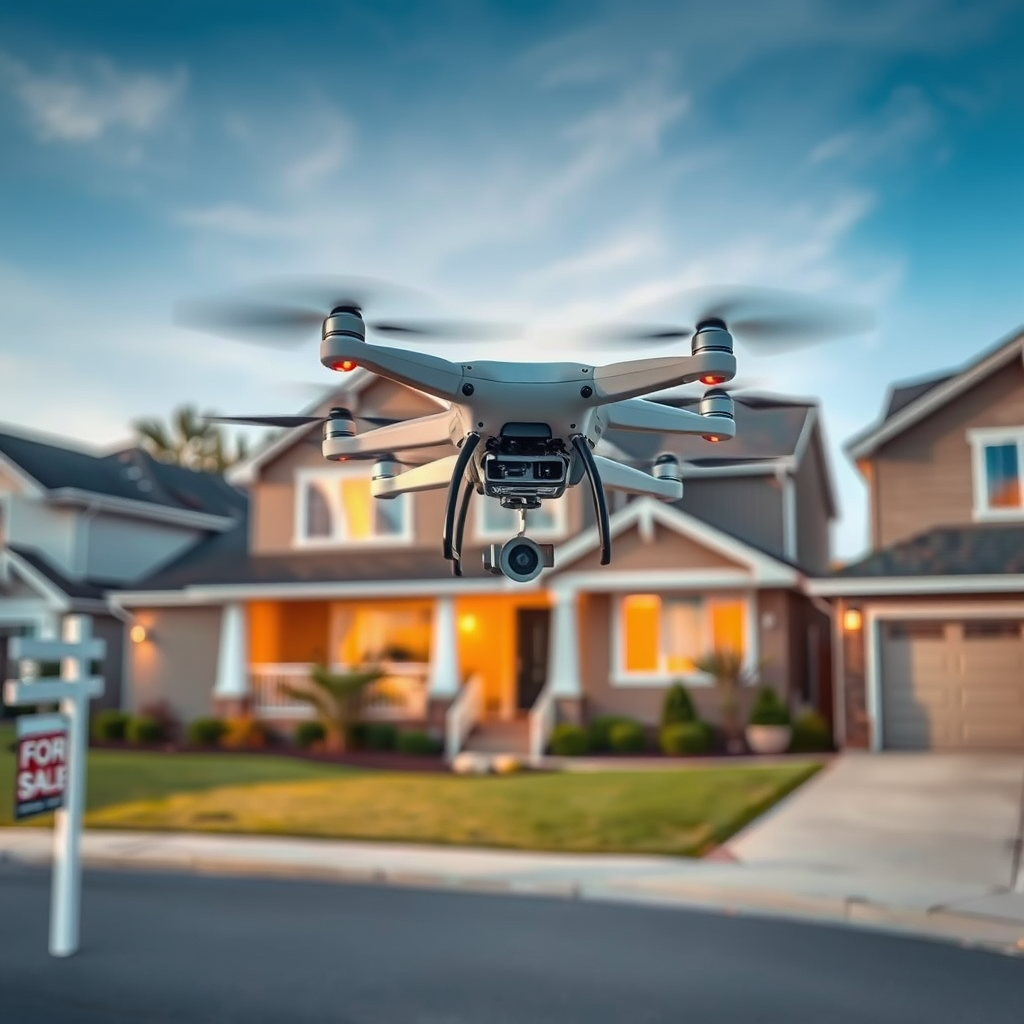
In most cases, you cannot legally destroy a drone flying over your property. While property rights grant you some control, the complexities of airspace laws and federal regulations make it illegal to take matters into your own hands. This article delves into the legal framework surrounding airspace, the nuances of property rights, and safer alternative actions you can take to address drone-related concerns.
Understanding Airspace Law
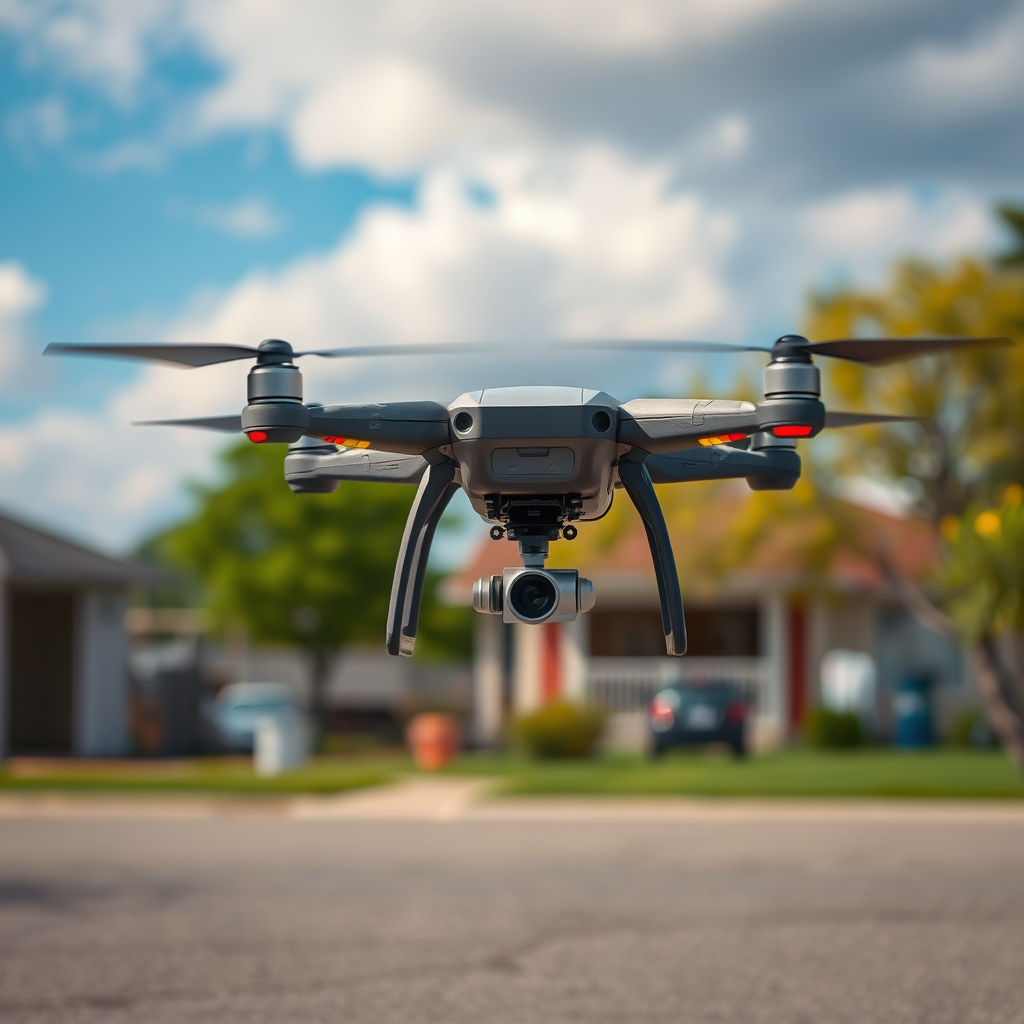
Airspace is generally considered public, which means that drones have the right to fly over your property, provided they comply with federal regulations. The Federal Aviation Administration (FAA) governs the use of airspace in the United States, establishing rules that dictate where and how drones can operate. According to the FAA, drones are allowed to fly in what is known as “navigable airspace,” which typically extends from the ground up to 400 feet above ground level, unless otherwise restricted by local laws or specific flight zones.
For instance, drones must adhere to specific operational guidelines, including maintaining visual line-of-sight and avoiding restricted areas such as airports or military installations. Moreover, the FAA has emphasized the importance of understanding that airspace is a shared resource, which is further complicated by advancements in drone technology. The emergence of commercial and recreational drone use has prompted ongoing discussions about airspace regulation and the balance between individual rights and public usage.
Property Rights and Drones
While property owners possess certain rights to their land, these rights do not extend indefinitely into the airspace above. The legal principle known as the “navigable airspace” doctrine asserts that property owners have control over the land and the space immediately above it, but not beyond a certain altitude. The FAA has defined this limit, allowing drones to fly over private property as long as they are within the established guidelines.
An example of this principle in action can be seen in the case of United States v. Causby (1946), where the U.S. Supreme Court ruled that while property owners have rights to the land, they do not own the airspace above it to the extent that would allow them to prevent aircraft from flying overhead. This ruling underscores that aerial trespass claims may be challenging to prove, especially when the drone is operating within legal parameters. As such, property owners must navigate the intricate balance of their rights while respecting the regulations governing airspace use.
Legal Consequences of Destroying a Drone
Destroying a drone can lead to serious legal repercussions, including potential criminal charges such as vandalism or destruction of property. If a drone is damaged or destroyed, and it belongs to someone else, the property owner could face civil liability for the costs associated with the drone’s repair or replacement. Moreover, any actions taken against a drone could escalate into criminal charges, especially if the operator of the drone files a complaint.
For instance, in 2019, a New Jersey man was arrested for shooting down a drone that was allegedly flying too close to his property. He faced charges of criminal mischief and possession of a weapon for an unlawful purpose. This case exemplifies the risks associated with physically confronting a drone, emphasizing that the consequences can extend beyond mere property damage.
Alternatives to Destruction
If a drone is invading your privacy or causing distress, consider alternative courses of action rather than resorting to destruction. One effective approach is to contact local authorities or law enforcement to report the drone’s activities. Many jurisdictions have guidelines and procedures to address drone-related concerns, which may include investigating privacy violations or unsafe operations.
Additionally, capturing evidence of the drone’s activities can be beneficial. This could involve documenting its flight path, taking photographs, or recording video footage to substantiate your claims if you decide to pursue legal action or report the incident to the authorities. By gathering evidence, you will be better equipped to articulate your concerns and advocate for your rights without resorting to destructive measures.
The Role of State Laws
State laws regarding drones can vary significantly, and it is essential for property owners to familiarize themselves with local regulations that may affect their rights. Some states have enacted specific legislation addressing drone use, including rules about privacy, trespass, and even the use of drones for surveillance. For example, California has laws that prohibit the use of drones to invade someone’s privacy, while other states may have different restrictions based on local governance.
Understanding these laws can empower property owners to take appropriate action against unwanted drone activity. Consulting with a legal expert who specializes in aviation or property law can provide valuable insights into your rights and options in addressing drone issues specific to your location.
The Importance of Communication
If you are aware of the drone operator, engaging in open communication may yield the best results. Addressing your concerns directly with the operator can often lead to a resolution that avoids escalation. Many drone operators are hobbyists who may not be aware of the impact their activities have on nearby property owners. By discussing your concerns calmly and respectfully, you might foster understanding and prevent future conflicts.
In some cases, drone operators may be willing to adjust their flight paths or operations to ensure they do not infringe on your privacy or property rights. Open dialogue can help build a cooperative relationship and create an environment where both parties can enjoy their respective activities without conflict.
In conclusion, while the desire to protect your privacy and property is understandable, destroying a drone can lead to significant legal repercussions. It is crucial to be aware of your rights and explore alternative solutions to address drone-related concerns. Engaging with local authorities, documenting incidents, and communicating with drone operators can provide constructive pathways to resolve issues without resorting to destructive actions. If you are facing persistent problems with drones, consider seeking legal advice to ensure that you navigate the complex landscape of airspace and property rights effectively.
Frequently Asked Questions
Can I legally destroy a drone flying over my property?
Legally destroying a drone over your property is generally not permitted. In most jurisdictions, drones are considered personal property, and damaging or destroying someone else’s property can lead to legal consequences, including civil liability. Instead of taking drastic measures, it’s advisable to contact local authorities or law enforcement to report any invasive drone activity.
What should I do if a drone is invading my privacy?
If a drone is invading your privacy, the first step is to document the situation, noting the time, location, and any identifying features of the drone. You can then contact local law enforcement or your local FAA office to report the incident, as they can provide guidance and take appropriate action. Additionally, understanding local drone laws can help you assert your rights regarding privacy violations.
How can I legally prevent drones from flying over my property?
To legally prevent drones from flying over your property, you can install signs indicating that drone use is prohibited and inform neighbors about your concerns. While you can’t enforce a no-fly zone, you can express your discontent and encourage discussions about drone usage in your community. Additionally, consider checking with local regulations or homeowners’ associations, as they may have rules governing drone flights.
Why are drones allowed to fly over private property?
Drones are allowed to fly over private property primarily due to Federal Aviation Administration (FAA) regulations, which govern airspace use. The FAA classifies drones as aircraft, and the airspace above your property is generally considered public. However, drone operators must adhere to specific regulations, such as maintaining a safe distance and avoiding privacy invasions, which can complicate the legalities surrounding drone flights.
Which authorities should I contact if a drone is harassing me?
If a drone is harassing you, you should first contact local law enforcement to report the harassment, as they can investigate and take action if necessary. Additionally, you can reach out to the FAA to report any unsafe or illegal drone operations. It’s also beneficial to document the incidents thoroughly, including photos or videos, to support your case when speaking to authorities.
References
- https://www.washingtonpost.com/technology/2020/08/14/drones-property-rights/
- https://www.nytimes.com/2021/02/10/us/drones-property-rights.html
- https://www.privacyassociation.org/news/a/2020/06/what-happens-when-a-drone-flys-over-your-property
- https://www.bbc.com/news/technology-41173056
- https://www.eff.org/deeplinks/2016/10/what-you-need-know-about-drones-and-privacy
- https://www.wired.com/story/drones-property-rights-privacy/
- https://www.nolo.com/legal-encyclopedia/drone-privacy-rights-32695.html
- https://www.forbes.com/sites/jasonhoppin/2020/09/18/can-you-destroy-a-drone-over-your-property/
