
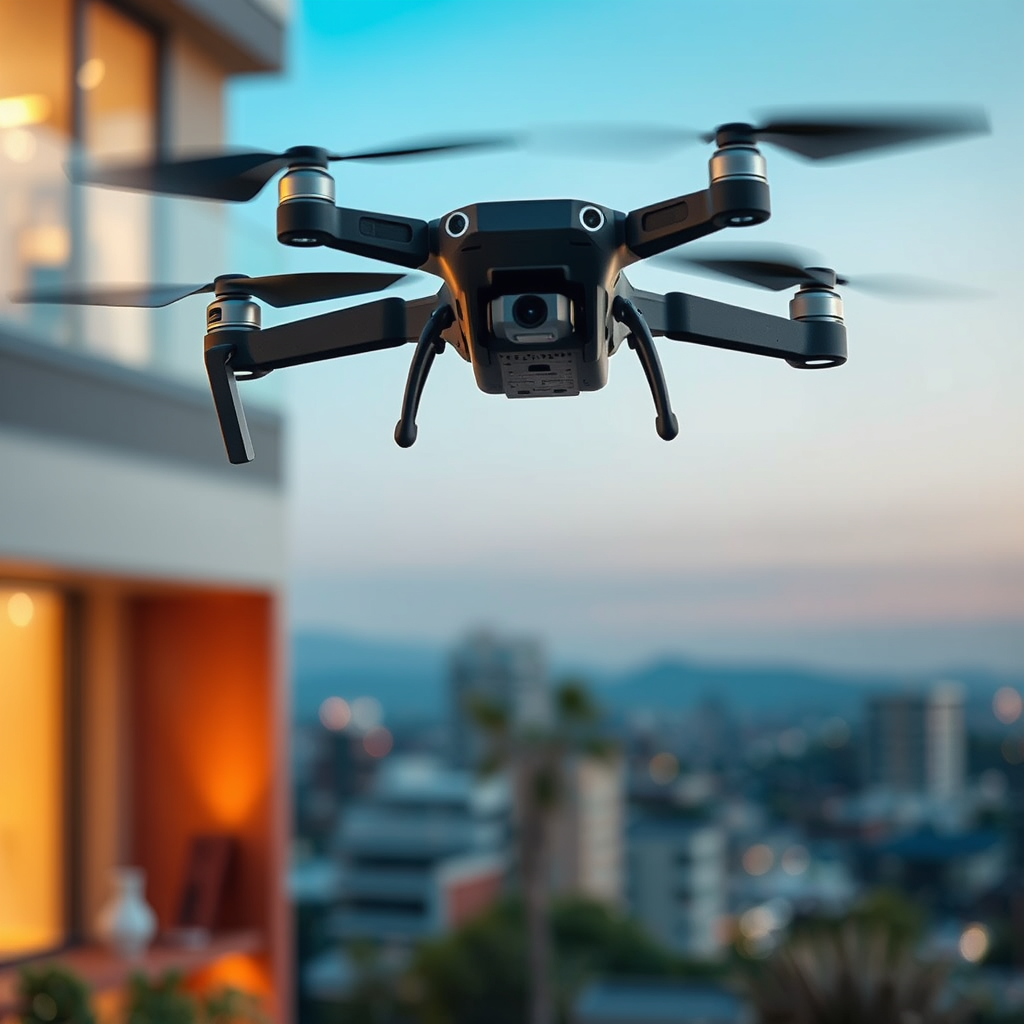
Yes, it is possible to disrupt a drone signal using various methods, although doing so can come with significant legal and ethical implications. This article will explore the techniques for signal disruption, the potential consequences, and safer alternatives for managing drone activity. As drone technology proliferates, understanding the intricacies of their signal systems and the ramifications of interference is essential for both individuals and organizations.
Understanding Drone Signal Basics
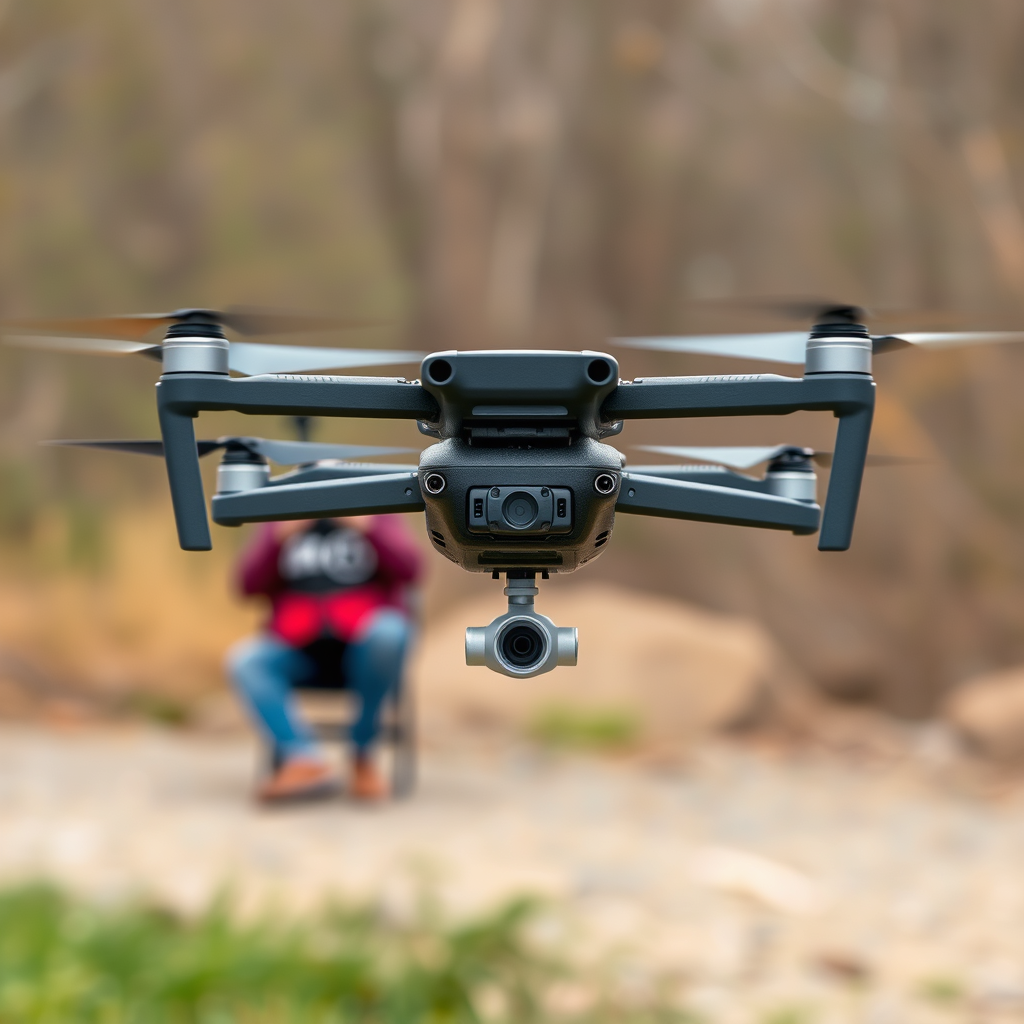
Drones, also known as unmanned aerial vehicles (UAVs), rely heavily on radio frequencies for communication and control. These signals enable drones to receive instructions from operators and transmit data back to them. The primary types of signals include GPS signals, remote control signals, and video feeds.
1. GPS Signals: Most drones utilize Global Positioning System (GPS) technology for navigation. These signals allow drones to determine their location, altitude, and speed. Disruption of GPS could lead to a loss of control or even cause the drone to crash.
2. Remote Control Signals: Drones are typically operated through radio frequency signals sent from a remote control. These signals dictate the drone’s movement and actions. If these frequencies are jammed, the drone may become unresponsive or revert to a failsafe mode, which could result in unintended consequences.
3. Video Feeds: Many drones are equipped with cameras that transmit live video feeds back to the operator. This data is often sent over specific frequencies and can be disrupted, leading to a loss of visual control for the operator.
Understanding these basics is crucial for grasping the methods used to disrupt drone signals and the broader implications of such actions.
Methods for Disrupting Drone Signals
There are two primary methods for disrupting drone signals: jamming and spoofing. Each has its own technical approach and potential consequences.
1. Jamming: This technique involves employing devices that emit signals on the same frequency as the drone’s communication channels. By overpowering the legitimate signals, jamming can effectively prevent a drone from receiving commands from its operator. However, it is essential to note that jamming can have widespread effects, potentially disrupting other devices operating on the same frequencies.
2. Spoofing: In contrast to jamming, spoofing involves sending false signals to mislead the drone’s navigation system. By mimicking GPS signals, for example, a spoofer can redirect a drone to an unintended location. This method requires a more sophisticated understanding of the drone’s technology and can pose risks if the drone is led into sensitive areas or causes damage.
Both methods highlight the vulnerabilities of drone systems but also raise questions about safety and legality.
Legal Implications of Signal Disruption
Engaging in signal disruption is fraught with legal ramifications. In the United States, the Federal Communications Commission (FCC) strictly prohibits signal jamming. The Communications Act of 1934 and the Communications Assistance for Law Enforcement Act (CALEA) outline severe penalties for unauthorized interference with radio communications. Offenders can face substantial fines and even imprisonment, depending on the severity of the disruption.
Moreover, other countries have their own regulations, and international laws may apply, especially in situations involving drones that operate across borders. It is imperative for individuals and organizations to understand the legal frameworks governing drone operations in their respective jurisdictions to avoid potentially severe repercussions.
Ethical Considerations
The ethical implications of disrupting drone signals cannot be overlooked. While there may be justifiable reasons for wanting to interfere with a drone’s operations—such as privacy concerns, safety issues, or property protection—taking action can have unintended consequences.
1. Public Safety: Disruption can lead to erratic drone behavior, posing risks not only to the drone itself but also to people and property nearby. For example, a drone that loses connection mid-flight may crash or fly in unpredictable patterns, endangering bystanders.
2. Rights of Drone Operators: Drone operators typically have legal rights to operate their devices within the law. Disrupting their signals can infringe upon these rights, leading to disputes and potential legal actions against those who interfere.
3. Broader Implications: Disruption may also set a dangerous precedent, encouraging vigilantism or retaliatory actions against drone operators, which can lead to escalating conflicts.
Engaging with the ethical dimensions of signal disruption is essential for maintaining a balance between individual rights and public safety.
Alternatives to Disrupting Drone Signals
Rather than resorting to signal disruption, there are several alternatives for managing drone activity more safely and effectively.
1. Utilizing Drone Management Systems: Advanced drone management systems can track and monitor drone activity in real time. These systems can provide insights into flight paths and allow for the safe redirection of drones when necessary. By collaborating with drone operators, stakeholders can address concerns without resorting to disruption.
2. Engaging with Local Authorities: For communities troubled by drone nuisances, engaging with local law enforcement or regulatory bodies can be a proactive approach. Reporting concerns can lead to appropriate interventions, such as implementing local drone regulations or establishing no-fly zones in sensitive areas.
3. Advocacy for Legislation: Individuals and organizations can advocate for stronger regulations regarding drone operations, focusing on privacy, safety, and airspace management. Constructive dialogue with policymakers can lead to solutions that respect both the rights of drone operators and the concerns of the public.
These alternatives emphasize collaboration and constructive engagement rather than interference.
Case Studies of Signal Disruption
Examining real-world instances of signal disruption provides valuable insights into the consequences of such actions.
1. Airport Incidents: There have been cases where unauthorized signal jamming occurred near airports, leading to significant disruptions in flight operations. This resulted in legal actions against the offenders and highlighted the dangers of signal interference in critical airspace.
2. Urban Environments: In urban areas, individuals have attempted to jam drones used for delivery or surveillance. While some of these attempts were successful in the short term, they often led to investigations and legal repercussions for those responsible.
3. Wildlife Preservation: In some instances, wildlife advocates have used signal disruption to deter drones from approaching sensitive habitats. While these actions were taken with the intent to protect wildlife, they raised ethical questions and led to discussions about finding balanced solutions that do not involve illegal interference.
These case studies illustrate the complexity surrounding signal disruption and the lessons learned from both successful and unsuccessful attempts.
Future of Drone Signal Disruption Technology
As drone technology continues to evolve, so too do the methods for signal disruption. Future advancements may include more sophisticated countermeasures, focusing on neutralizing drone threats without infringing on legal and ethical boundaries.
1. Improved Detection Systems: Emerging technologies are being developed to enhance the detection of unauthorized drones, which could lead to more effective management without the need for disruption.
2. Regulatory Changes: As drone usage expands, there may be shifts in regulations to address safety and privacy concerns more comprehensively. This evolution could influence how signal disruption is approached legally and ethically.
3. Public Awareness Campaigns: Increased public awareness about drone operations and the implications of interference could foster a more informed dialogue, leading to community-driven solutions.
The future landscape of drone technology and signal disruption will likely involve a careful balancing act between innovation, regulation, and ethical considerations.
In summary, while it is technically feasible to disrupt a drone signal, the associated legal and ethical challenges make it a risky endeavor. It’s essential to explore safer alternatives and engage with regulatory bodies to address any issues related to drone activity. Always stay informed about the laws in your area and consider the implications before taking action. By fostering a collaborative approach, stakeholders can address drone-related concerns while respecting the rights of all parties involved.
Frequently Asked Questions
What are the legal implications of disrupting a drone signal?
Disrupting a drone signal can have serious legal implications, as it may violate laws concerning airspace control and electronic communications. In many jurisdictions, using jamming devices or other disruptive technologies can lead to criminal charges, fines, or civil liabilities. It’s crucial to understand that laws vary by country and region, so consulting legal experts or local regulations is advisable before considering any action against drone signals.
How can I legally protect my privacy from drones?
To legally protect your privacy from drones, consider installing privacy screens or barriers around your property, as well as using technology designed to block drone surveillance, such as RF (radio frequency) shielding materials. Additionally, you can report any invasive drone activity to local authorities. Understanding your rights regarding airspace and privacy laws can empower you to take appropriate action without resorting to illegal signal disruption methods.
Why would someone want to disrupt a drone signal?
Individuals may want to disrupt a drone signal for various reasons, including protecting their privacy, preventing unauthorized surveillance, or stopping drones that pose a safety risk near sensitive areas like military installations. Additionally, some people may feel threatened by drone activity, especially if it occurs over their property or during private events. However, it’s important to consider the legal ramifications and ethical implications of such actions.
What are the best practices for safely managing drone interference?
The best practices for safely managing drone interference include using non-invasive methods like reporting unauthorized drone activity to authorities and employing technology that complies with local laws. Always prioritize communication with drone operators if possible, as many are willing to respect privacy concerns. Investing in drone detection systems and awareness of your local regulations can also help mitigate unwanted drone interference without resorting to illegal disruption.
Which devices are commonly used to disrupt drone signals, and are they legal?
Devices commonly used to disrupt drone signals include jammers and signal blockers, which interfere with the communication between the drone and its controller. However, using such devices is often illegal in many countries, including the United States, as they can disrupt legitimate communications and pose significant safety hazards. Before considering the use of any signal disruption technology, it is essential to check local laws and regulations to avoid legal consequences.
References
- https://en.wikipedia.org/wiki/Drone_jamming
- https://www.bbc.com/news/world-us-canada-46413224
- https://www.faa.gov/newsroom/faa-takes-action-prevent-drone-incidents
- https://www.nytimes.com/2020/01/25/us/drone-safety-security.html
- https://www.sciencedirect.com/science/article/pii/S1877705820301973
- https://www.nist.gov/news-events/news/2016/03/nist-research-improves-drone-communication-security
- https://www.darpa.mil/program/gremlins
- https://www.rand.org/pubs/research_reports/RR2793.html
