
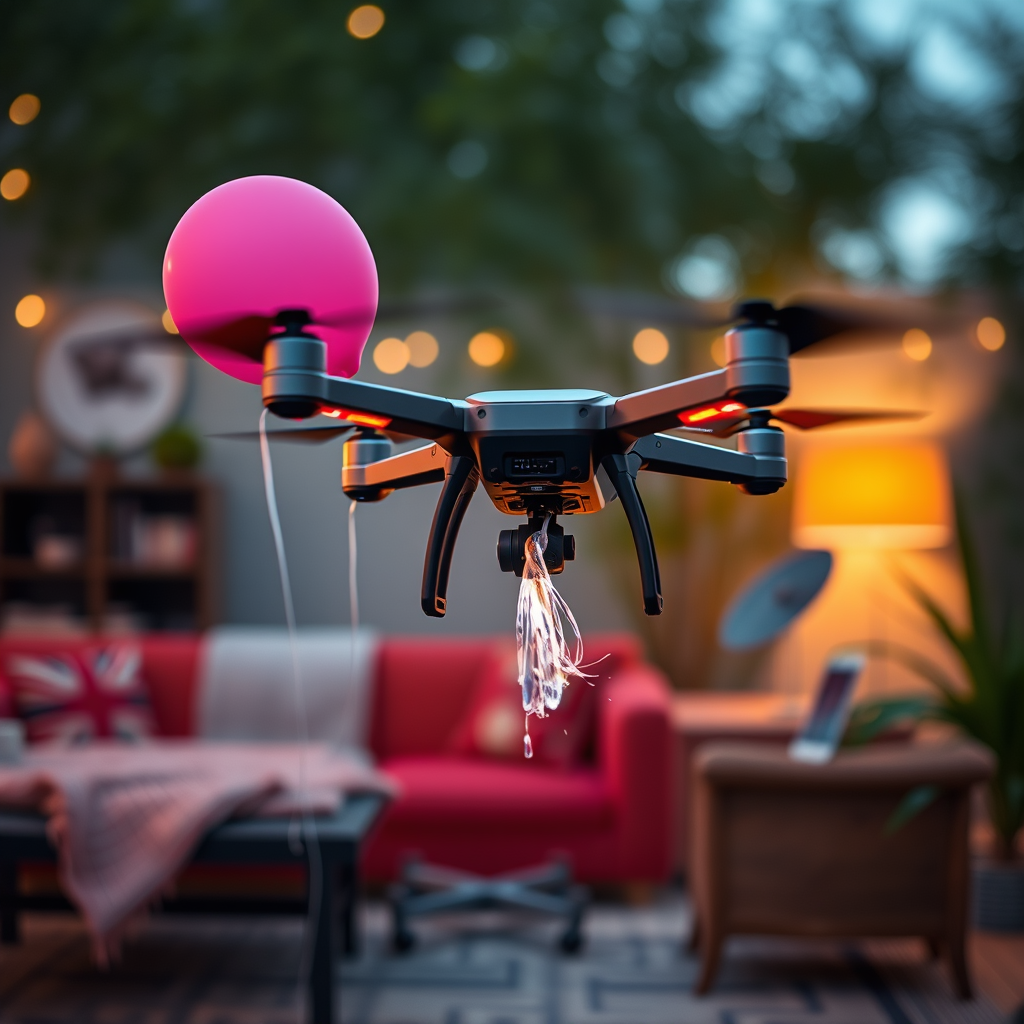
Yes, you can drop water balloons from a drone, but it requires careful planning and consideration of safety, regulations, and drone capabilities. This fun activity can create unique experiences, whether for parties, events, or simply for playful enjoyment, but it is essential to approach it with the right knowledge and preparation. In this article, we will explore everything you need to know to effectively and safely execute this aerial adventure.
Understanding Drone Capabilities
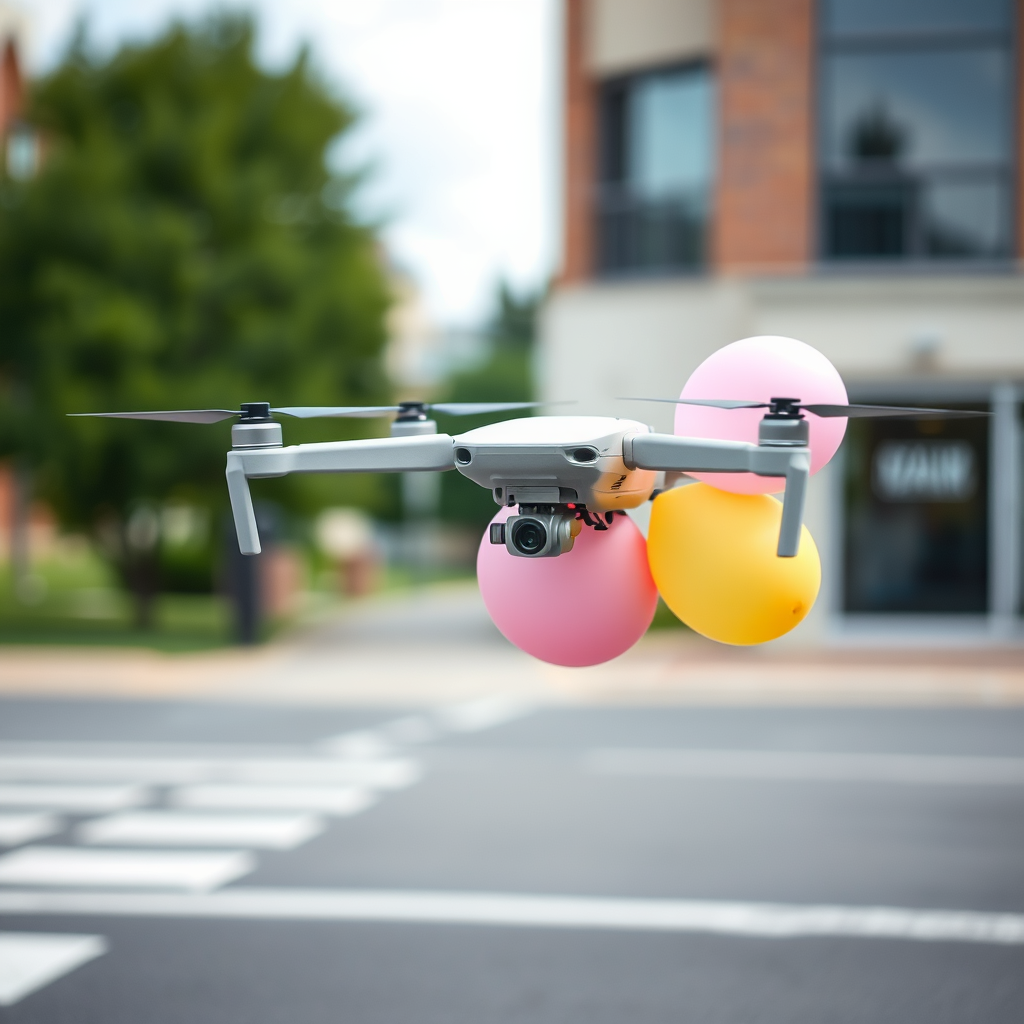
The first step in planning your water balloon drop is to understand the capabilities of your drone. Different drone models come with varying payload capacities, which directly influences your ability to carry and drop water balloons. Most consumer drones can handle a payload ranging from 0.5 to 2 kilograms, depending on their design and motor strength.
Lightweight drones, such as those designed for novice pilots, may struggle with the added weight of water balloons, especially when filled. It is crucial to check the specifications of your drone to determine how many balloons you can carry safely. For instance, a typical water balloon filled with approximately 100 milliliters of water weighs around 100 grams. Therefore, if your drone can carry a payload of 1 kilogram, you could theoretically drop about ten filled balloons. However, always consider that the drone will still need to maintain stability and control during flight.
Legal Considerations
Before embarking on your water balloon-dropping adventure, it is vital to familiarize yourself with local laws governing drone usage and aerial drops. The regulations vary by country and even by state or municipality, so it is essential to do your homework. In many jurisdictions, dropping objects from a drone can be considered a form of aerial delivery, which may require special permissions or adherence to specific guidelines.
For example, in the United States, the Federal Aviation Administration (FAA) has strict regulations regarding commercial drone use, which could apply if you’re using your drone for any profit-making activities. Even if the activity is purely recreational, it’s prudent to ensure that your actions won’t infringe on others’ rights or safety. Always check local ordinances regarding drone operation and consider obtaining permission if you plan to fly in public spaces.
Safety Precautions
Safety is paramount when operating a drone, particularly when dropping objects like water balloons that can cause injury or damage. Always consider the safety of people and property below your flying path. Water balloons can cause unexpected messes or even minor injuries if they hit someone directly.
Using designated drop zones can minimize risk during balloon drops. Choose open areas away from populated spaces, such as parks or large backyards, where you can monitor the surroundings to ensure no one is at risk. Additionally, consider weather conditions—avoid windy or rainy days when visibility and control could be compromised. Lastly, make sure to inform those around you about your plans to drop water balloons to prevent any surprises or accidents.
Techniques for Dropping Balloons
To achieve the best results when dropping water balloons from a drone, utilizing a reliable release mechanism is critical. Some drones come equipped with payload release systems specifically designed for dropping objects, while others may require DIY solutions or third-party attachments. A simple method involves using a small servo motor that can be controlled via your drone’s flight controller to release the balloons at the desired moment.
Experimenting with altitude and drop angles can also significantly impact the success of your drops. Higher altitudes may allow for a wider spread of balloons, creating a more dramatic effect, while lower drops can lead to more precise placement. Conducting practice runs with empty balloons can help you refine your technique before attempting to drop filled ones.
Best Practices for Balloon Preparation
Selecting the right type of balloons is crucial for ensuring durability and optimal performance during your drone drops. Look for high-quality, thicker balloons that are less likely to burst prematurely during the flight. Additionally, consider the size of the balloons; smaller balloons are lighter and may be more manageable for your drone.
When filling balloons, aim for an appropriate level of water to ensure they burst upon impact without becoming too heavy for the drone to carry. A general guideline is to fill them about halfway, but this may vary depending on your specific drone’s capabilities. Proper knotting of the balloons is also essential to prevent leaks during flight.
Fun Ideas for Water Balloon Drone Drops
There are numerous creative ways to utilize drones for water balloon drops. Organizing a water balloon fight or event using drones can add an exciting twist to outdoor gatherings. Imagine a coordinated aerial assault where drones drop balloons on participants, turning a simple game into a spectacular display.
Additionally, you can experiment with artistic patterns or designs by dropping balloons from various heights and angles. This could be especially appealing for events like gender reveal parties, where balloons filled with colored water can create stunning visuals. By planning your drops carefully, you can enhance the overall experience for participants and spectators alike.
Troubleshooting Common Issues
Even with careful planning, challenges may arise during your water balloon dropping experience. One common issue is balloon survivability; some balloons may not burst on impact as intended. To mitigate this, consider adjusting the altitude or the weight of the balloons filled with varying amounts of water.
Drone stability is another potential concern. If your drone tends to wobble during flight, it could affect the accuracy of your drops. Ensuring that your drone is well-calibrated and balanced before flight can help maintain stability. Additionally, practice flying in controlled environments to boost your confidence and skill level before attempting balloon drops in more dynamic settings.
In conclusion, dropping water balloons from a drone can be a thrilling experience when approached responsibly. By prioritizing safety and legal compliance and considering innovative strategies for execution, you can create memorable and enjoyable aerial balloon dropping adventures. Whether for fun, events, or artistic displays, understanding the intricacies of drone capabilities and preparation will ensure your experience is both safe and successful.
Frequently Asked Questions
Can you drop water balloons from a drone safely?
Yes, you can drop water balloons from a drone, but safety is paramount. It’s essential to ensure that the area below is clear of people, animals, and fragile objects to avoid injuries or damage. Additionally, using a drone with adequate payload capacity and stability features will help ensure a controlled drop.
How do you attach water balloons to a drone for dropping?
To attach water balloons to a drone, you can use a simple release mechanism, such as a small hook or a custom-built dropping device. Some enthusiasts utilize a servo motor controlled by the drone’s flight controller to release the balloons at the desired altitude. Always test the mechanism with lightweight items before using water balloons to ensure it functions properly.
Why would someone want to drop water balloons from a drone?
Dropping water balloons from a drone can be a fun and entertaining activity, especially for events like parties or festivals. It adds a unique twist to traditional water balloon fights and can also be used for creative photography or video content. Moreover, it serves as an innovative way to engage participants in outdoor activities.
What is the best drone for dropping water balloons?
The best drones for dropping water balloons are those with a strong payload capacity and stable flight characteristics. Models like the DJI Matrice series or the DJI Phantom series are popular choices because they can carry additional weight and are known for their reliability. Ensure the drone has enough battery life to perform the drop and return safely.
Which regulations should I follow when dropping water balloons from a drone?
When dropping water balloons from a drone, it’s crucial to follow local aviation regulations. This includes adhering to altitude restrictions, maintaining visual line-of-sight, and avoiding populated areas. Additionally, check if you need any special permissions, especially if your activity is in a public space, to ensure compliance with local laws and safety standards.
References
- https://en.wikipedia.org/wiki/Drone
- https://www.nytimes.com/2020/10/22/us/drone-delivery.html
- https://www.sciencedirect.com/science/article/pii/S136757882100001X
- https://www.faa.gov/uas/
- https://www.wired.com/story/drones-drop-bombs-water-balloons/
- https://www.ncbi.nlm.nih.gov/pmc/articles/PMC6880492/
