
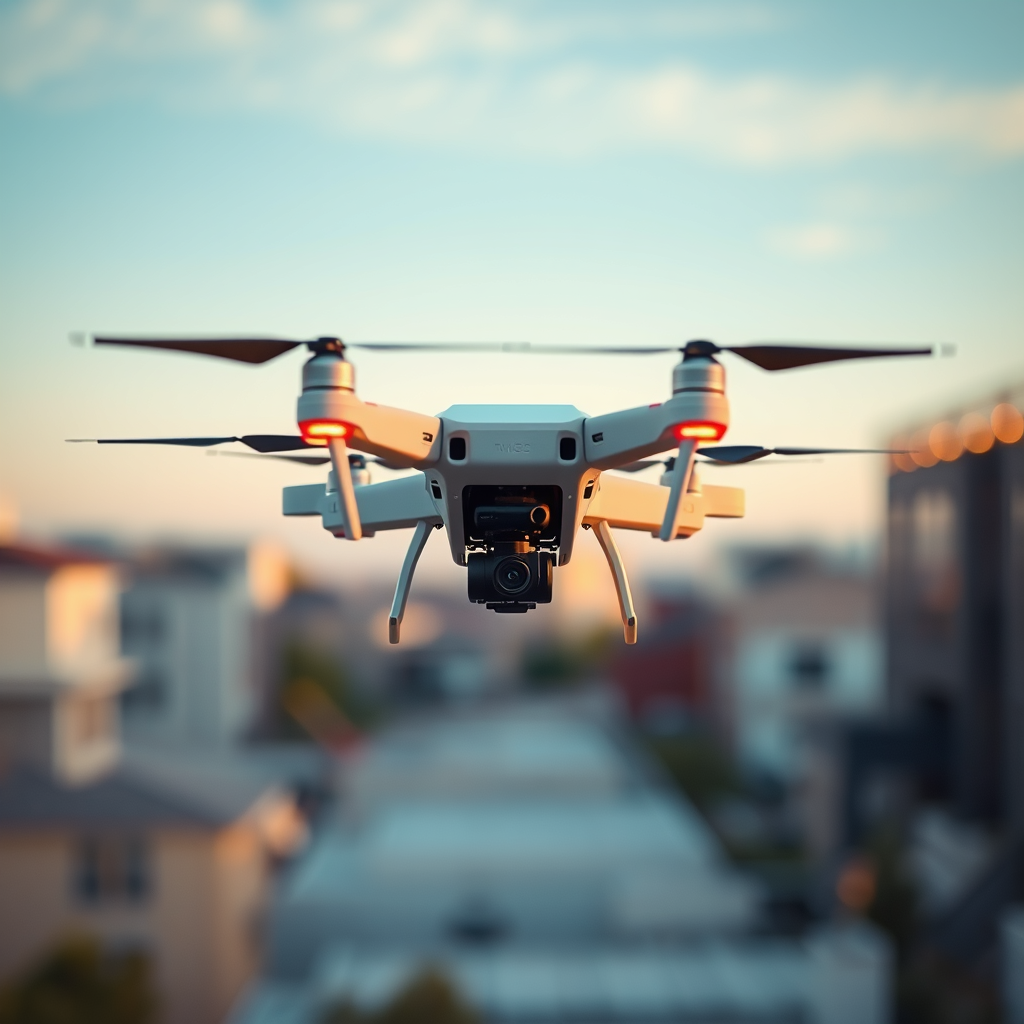
Yes, you can fly two drones simultaneously, but it requires careful planning and practice. Successfully managing multiple drones can elevate your aerial photography, videography, or racing experiences, but it also introduces unique challenges that must be addressed to ensure safety and effectiveness. This article will provide a comprehensive overview of what it takes to fly two drones at once, covering the basics of drone control, necessary equipment, safety considerations, recommended flying techniques, common challenges, and potential applications.
Understanding the Basics of Drone Control
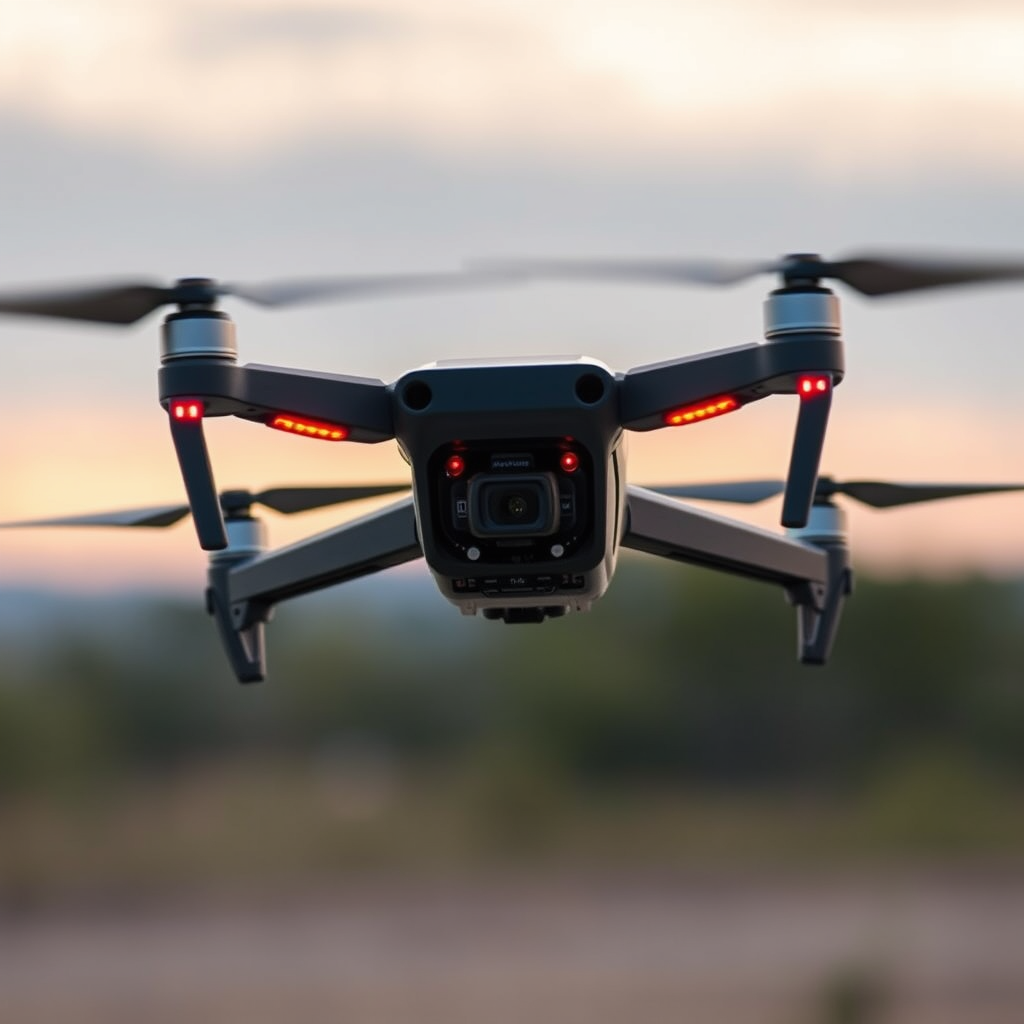
Before attempting to fly two drones at the same time, it is essential to familiarize yourself with the controls of each drone. Each model may have different control schemes, and understanding these nuances is crucial for successful operation. Start by thoroughly reading the manuals for both drones and practicing the controls individually.
To build confidence and skill, spend a significant amount of time flying each drone separately. Focus on mastering basic maneuvers like takeoff, landing, hovering, and directional control. Once you feel comfortable with each drone, you can begin to practice flying them in tandem. This phase of practice should involve simple maneuvers at a safe distance from one another, gradually progressing to more complex movements as you gain confidence.
Required Equipment and Setup
Flying two drones simultaneously requires the right equipment and setup to ensure smooth operation. First, ensure that both drones have compatible remote controls or systems that allow for simultaneous flying. Some advanced drones come equipped with dual-channel controllers, which can facilitate the management of multiple units.
If your drones do not support dual-channel operation, consider using two separate controllers. Having two separate controllers can provide better control over each drone, but it also necessitates improved coordination on the pilot’s part. Invest in high-quality controllers that offer reliable connectivity and range to avoid signal interference, which can be critical when flying multiple drones.
Additionally, ensure that both drones are fully charged and have up-to-date firmware. A well-maintained drone is less likely to experience technical difficulties mid-flight, which is especially important when you’re trying to manage two aircraft at once.
Safety Considerations
Safety should always be the top priority when flying drones, particularly when operating multiple units. First and foremost, familiarize yourself with local regulations regarding drone operation. Many jurisdictions have specific laws governing the maximum number of drones that can be flown simultaneously, as well as requirements for maintaining visual line-of-sight with each drone.
Maintaining visual line-of-sight is crucial for avoiding collisions. You should always be able to see both drones at all times, which may require you to position yourself strategically. Consider using a spotter—a friend or fellow enthusiast—to help keep an eye on one of the drones. This practice not only enhances safety but also allows for better communication and coordination during more complicated maneuvers.
Additionally, create a pre-flight checklist that includes verifying battery levels, checking for potential obstacles in the flight area, and ensuring that both drones are in good working condition. This proactive approach can mitigate risks and enhance your overall flying experience.
Recommended Flying Techniques
When flying two drones, it’s advisable to start with simple maneuvers and gradually increase the complexity as you gain experience. Begin with basic operations such as taking off, hovering, and landing, then progress to more intricate movements like coordinated flight patterns or synchronized stunts.
One effective technique is to practice flying in a coordinated manner, where both drones mirror each other’s movements. This not only helps in developing your skills but also creates visually appealing footage for photography or videography. As you become more comfortable, you can explore advanced techniques like flying in formation or executing choreographed maneuvers.
Utilizing a spotter can significantly enhance your flying experience, especially during more complicated tasks. A spotter can assist you in tracking one of the drones, allowing you to focus on the other. This teamwork can prevent collisions and improve overall safety during flights.
Common Challenges When Flying Two Drones
Flying two drones simultaneously is not without its challenges. One of the most critical aspects to manage is battery life. Keeping an eye on the power levels of both drones is essential to prevent unexpected crashes. It’s advisable to set a predetermined flight time for each drone, allowing for a safe return before battery levels become critically low.
Another common challenge is communication issues, especially if you are using two separate controllers. Coordination between the pilot and the spotter is vital to ensure that both drones are operated effectively. Developing a clear communication strategy—such as using pre-agreed signals for maneuvers—can help streamline the flying process and minimize misunderstandings.
Moreover, be prepared for potential technical difficulties. Interference from other electronic devices or environmental factors such as wind can affect the stability of both drones. Conducting test flights in varying conditions can help you understand how each drone responds and allow you to make adjustments as necessary.
Potential Applications of Flying Two Drones
The ability to fly two drones simultaneously opens up a world of possibilities in various applications. In aerial photography and videography, dual perspectives can significantly enhance the quality of your work. For instance, one drone can capture wide-angle shots while the other focuses on close-ups or specific subjects, allowing for a comprehensive storytelling approach in your visual content.
In the realm of drone racing or competitive flying, flying multiple drones can elevate the excitement and dynamics of the event. By managing two drones, pilots can create captivating visuals and intensify the competitive experience. Additionally, this capability can be beneficial for training purposes, where one pilot can use a second drone to simulate race conditions or practice specific skills.
Furthermore, there are emerging applications in fields such as search and rescue, agriculture, and surveying, where dual drone operation can improve efficiency and effectiveness. For example, one drone can be tasked with real-time data collection while the other focuses on surveillance or navigation, providing a comprehensive operational framework.
Flying two drones at the same time is not just a technical feat; it represents an opportunity for creativity, efficiency, and enhanced aerial experiences.
Flying two drones at the same time is achievable with the right approach and practice. By understanding the necessary equipment, safety protocols, and flying techniques, you can significantly enhance your drone experience. With careful planning and execution, the possibilities of flying multiple drones are vast and exciting. Start practicing today, and explore the dynamic and thrilling world of dual drone operation!
Frequently Asked Questions
Can you fly two drones at the same time legally?
Yes, you can fly two drones simultaneously, but it is essential to adhere to local regulations regarding drone operations. In many countries, such as the United States, the Federal Aviation Administration (FAA) requires that drone pilots maintain visual line-of-sight with their aircraft and comply with safety guidelines. Additionally, having two licensed pilots can help ensure safe operation, as it’s challenging to manage multiple drones alone without compromising safety.
How can I safely operate two drones at once?
To safely operate two drones at once, consider designating a separate pilot for each drone to maintain proper control and situational awareness. Use drones equipped with GPS and obstacle avoidance systems to reduce the risk of collision. Additionally, practice flying each drone individually before attempting simultaneous operation to become familiar with their controls and behaviors.
Why would someone want to fly two drones at the same time?
Flying two drones simultaneously can enhance aerial photography, videography, or surveying operations by capturing different angles or perspectives at the same time. It can also be beneficial for racing scenarios, where competing teams may use multiple drones to showcase their skills. Moreover, in professional settings, coordinating two drones can streamline workflows, making tasks more efficient.
What are the best drones for flying simultaneously?
The best drones for flying simultaneously are those that have reliable GPS, extended battery life, and advanced features like obstacle avoidance. Popular choices include the DJI Mavic Air 2 and the DJI Phantom 4 Pro, which offer excellent performance and stability. It’s crucial to ensure that both drones have compatible frequencies to avoid interference during simultaneous flights.
Which drone apps can help me manage flying two drones at once?
Several drone management apps can help you operate two drones at once, such as DJI GO 4 or Litchi. These apps often provide features like waypoint navigation, real-time telemetry, and advanced flight modes, making it easier to control multiple drones. Additionally, some apps allow you to monitor both drones’ status and battery life, ensuring a smoother flying experience.
References
- https://en.wikipedia.org/wiki/Drone_flight
- https://www.faa.gov/uas/getting_started/part_107/
- https://www.nasa.gov/feature/nasa-and-the-future-of-drone-operations
- https://www.ncbi.nlm.nih.gov/pmc/articles/PMC7089925/
- https://www.reuters.com/technology/how-fly-drone-safely-while-keeping-your-head-2021-05-04/
- https://www.techrepublic.com/article/how-to-fly-multiple-drones-at-the-same-time/
- https://www.dronepilotgroundschool.com/flying-multiple-drones/
- https://www.dji.com/us/newsroom/news/multiple-drones-operating-together
