
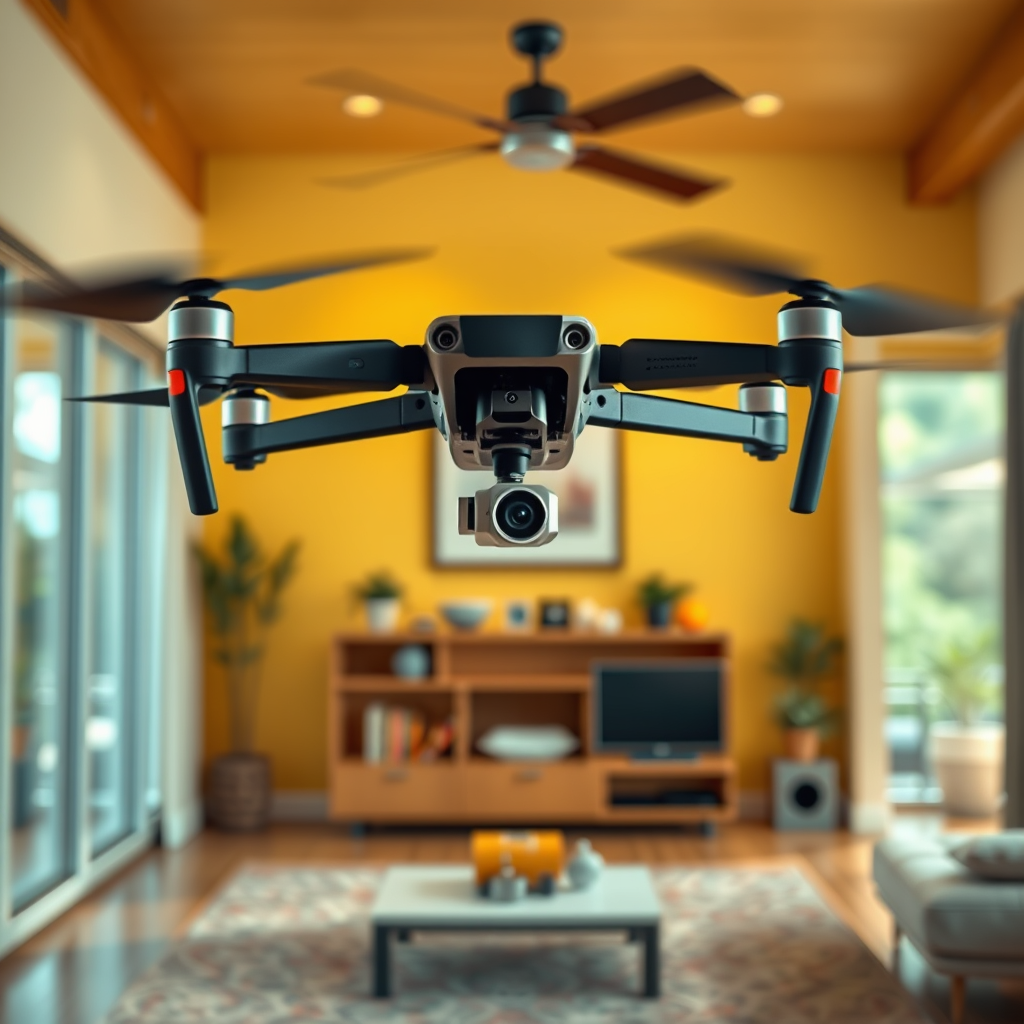
Yes, you can fly a DJI drone indoors, but there are important factors to consider for safety and performance. Indoor flying can provide unique opportunities for capturing creative footage and enhancing piloting skills, yet it also presents distinct challenges. Understanding the limitations and requirements of indoor flying can help you make the most of your drone experience while ensuring safety and compliance with local regulations.
Understanding DJI Drone Specifications
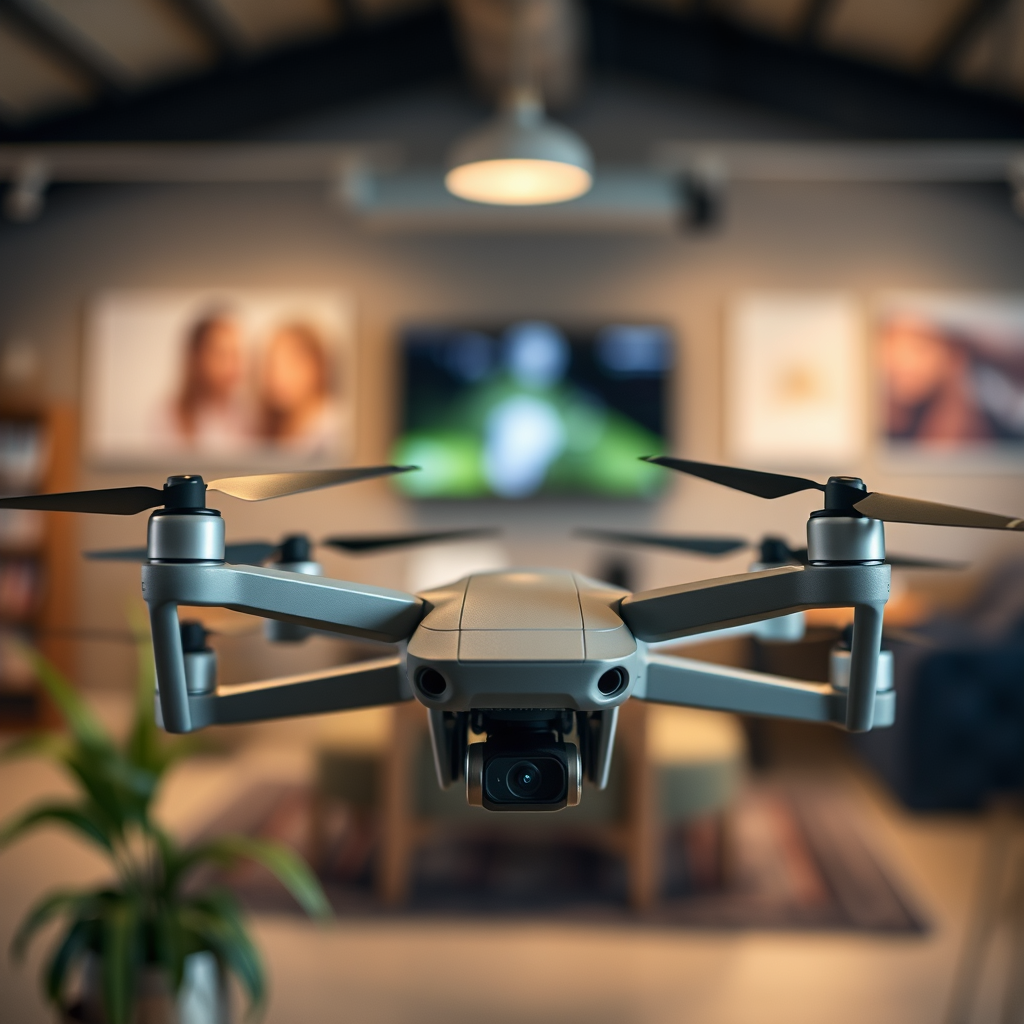
Different DJI models have varying indoor flying capabilities, which can significantly impact your experience. For instance, DJI’s Mavic series, including the Mavic Mini and Mavic Air, are designed with advanced sensors and obstacle avoidance features that enhance indoor flying efficiency. These drones often utilize proprietary technology to stabilize flight in GPS-denied environments, which is essential since GPS signals can be weak or non-existent indoors.
Moreover, the specifications of your drone may include features like vision sensors and infrared sensors that assist in navigation and obstacle detection. It’s crucial to check whether your specific model is equipped with these features, as they can help prevent collisions and ensure smoother indoor operation. Familiarizing yourself with your drone’s manual will provide insights into its capabilities and limitations when flying indoors.
Safety Precautions for Indoor Flying
Safety should be your top priority when flying a drone indoors. First, ensure there is ample space to maneuver without obstacles. Flying in a cluttered environment increases the risk of collisions with furniture, walls, or other objects, which can damage both the drone and the surroundings. A clear area not only facilitates better control but also allows for a more enjoyable flying experience.
Using propeller guards is another essential safety measure. These accessories can protect both the drone and surrounding objects from damage in case of accidental crashes. Propeller guards are particularly beneficial when flying in tight spaces, where the risk of collision is higher. Additionally, consider flying at lower altitudes to minimize the impact of potential crashes and to maintain better control over your drone.
Recommended Indoor Flying Locations
Choosing the right location for indoor flying can greatly enhance your experience. Large, open areas like gymnasiums, warehouses, or even spacious living rooms are ideal settings for drone operation. These environments provide ample space to maneuver without the risk of colliding with obstacles, allowing pilots to practice various flying techniques and capture stunning aerial shots.
Conversely, avoid crowded places or areas with low ceilings and fragile items. Environments with many people increase the risk of accidents and can lead to legal repercussions if someone gets injured. Similarly, flying in spaces with low ceilings can be problematic, as it limits your drone’s altitude and may lead to unanticipated crashes. Always assess the environment before launching to ensure it is safe and suitable for indoor flying.
Tips for Successful Indoor Flights
To enhance your indoor flying experience, employ specific techniques that can improve control and safety. Practicing flying slowly is essential, especially for novice pilots. Gradual movements will allow you to gauge the drone’s responsiveness and make necessary adjustments in real-time. Additionally, consider using the drone’s indoor mode, if available, to limit altitude and speed. This feature is particularly beneficial for beginners, as it reduces the likelihood of accidents by providing a more controlled flying environment.
Another useful tip is to familiarize yourself with the controls and features of your drone before taking off. Engaging in simulation training or utilizing flight apps can help you become more adept at piloting your drone indoors. Finally, always maintain visual line-of-sight with your drone. This practice ensures you can react promptly to any issues that may arise during flight.
Legal and Regulatory Considerations
Before flying your DJI drone indoors, it’s crucial to be aware of local laws regarding indoor drone flying. While many regulations focus on outdoor operation, some jurisdictions have specific rules that apply to indoor flying, particularly in commercial settings or shared spaces. Researching local regulations and guidelines will help you navigate any legal complexities and avoid potential fines.
If you plan to fly in a shared or public space, obtaining permission from the property owner or management is necessary. This not only demonstrates respect for the space but also protects you from any legal issues that may arise from unauthorized use. Always prioritize legality and transparency to ensure a hassle-free flying experience.
Troubleshooting Common Indoor Flying Issues
Indoor flying can present unique challenges, such as loss of GPS signal or interference from Wi-Fi networks. If you find your drone behaving erratically, it may be due to signal loss, which is common in indoor environments. To rectify this, consider recalibrating your drone, as most DJI models have a straightforward calibration process outlined in the user manual. Regular calibration can help maintain optimal performance and mitigate issues related to navigation and stability.
Additionally, be prepared to address interference from Wi-Fi networks, which can disrupt your drone’s communication with the controller. If you experience connectivity issues, try relocating to an area with fewer electronic devices. Understanding these common challenges and knowing how to troubleshoot them can significantly enhance your indoor flying experience.
In conclusion, flying a DJI drone indoors is certainly possible, but it requires careful planning and consideration of safety factors. By understanding the specifications of your drone, implementing safety precautions, choosing appropriate locations, and being aware of legal considerations, you can create a successful and enjoyable indoor flying experience. Always prioritize safety and legality to ensure an enjoyable flying experience, allowing you to harness the full potential of your drone in indoor settings.
Frequently Asked Questions
Can I fly a DJI drone indoors?
Yes, you can fly a DJI drone indoors, but there are important considerations to keep in mind. Many DJI drones, such as the Mavic series and the Mini series, come equipped with advanced sensors that help them navigate and avoid obstacles, making indoor flying feasible. However, ensure you have ample space and that the drone’s GPS is either turned off or not relied upon, as indoor environments can hinder GPS signal reception.
What are the safety precautions for flying a DJI drone indoors?
When flying a DJI drone indoors, safety precautions are essential to prevent accidents and damage. First, ensure that the area is clear of obstacles, people, and pets. Use propeller guards if available, and familiarize yourself with the drone’s controls and features, such as the emergency stop function. It’s also wise to practice flying in a controlled, spacious environment to build your confidence and control.
How does indoor flying affect a DJI drone’s performance?
Indoor flying can significantly affect a DJI drone’s performance due to the lack of GPS signals, which are usually relied on for stable flight. In indoor settings, drones depend on visual positioning systems and sensors for stabilization. This can lead to reduced flight times, as the drone may require more battery power to maintain stability, and may also limit the drone’s altitude and speed.
Why is it important to check local regulations before flying a DJI drone indoors?
Checking local regulations before flying a DJI drone indoors is crucial because certain areas may have specific rules regarding drone usage. For instance, some indoor facilities may have strict no-fly policies or require permits for drone operations. Additionally, understanding regulations helps ensure that you are compliant with safety standards and avoid potential fines or legal issues.
What is the best DJI drone for flying indoors?
The best DJI drone for flying indoors would be the DJI Mini 2 or the DJI Mavic Mini. These models are lightweight, compact, and equipped with excellent stabilization technology, making them perfect for indoor use. Their smaller size allows for easier maneuverability in tight spaces, while their user-friendly controls make them suitable for both beginners and experienced pilots looking to practice their skills indoors.
References
- https://en.wikipedia.org/wiki/Drone_flight_regulations
- https://www.faa.gov/uas/getting_started/part_107/
- https://www.faa.gov/uas/
- https://www.nytimes.com/2018/06/01/technology/drones-regulations.html
- https://www.cnet.com/home/smart-home/flying-drones-indoors-what-you-need-to-know/
- https://www.dronepilotgroundschool.com/drone-flying-tips/indoor-flying/
