
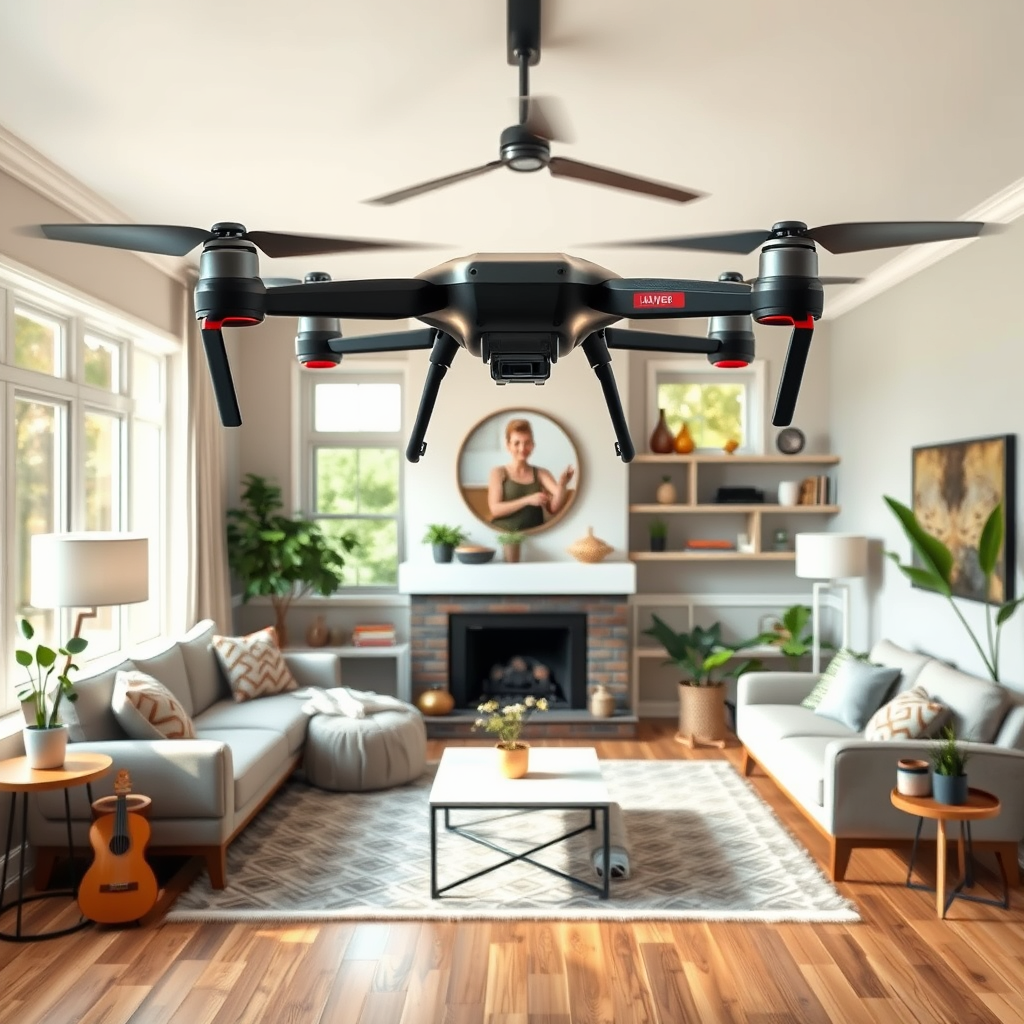
Yes, you can fly a drone above your house, but there are important regulations and safety considerations to keep in mind. Understanding the legal framework governing drone usage, as well as implementing safety best practices, is essential for a responsible flying experience. This article will explore the legal aspects, safety tips, and best practices for flying drones in residential areas, ensuring that you can enjoy your drone hobby without running afoul of the law or compromising safety.
Understanding Drone Regulations
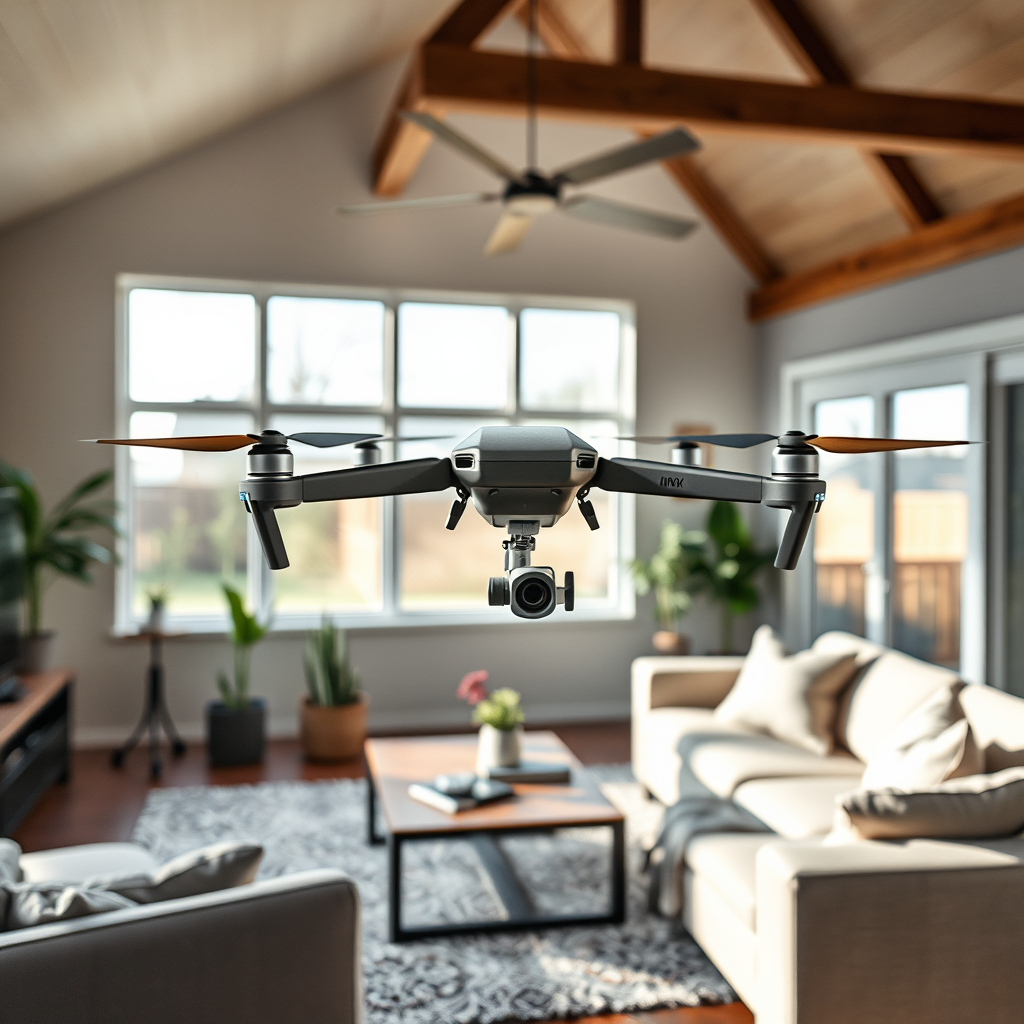
The Federal Aviation Administration (FAA) is the primary governing body that regulates drone usage in the United States, imposing guidelines that dictate where and how drones can be operated. According to the FAA, drones must be flown below 400 feet in uncontrolled airspace and always within the operator’s visual line of sight. This means that flying a drone above your house is permissible, provided you adhere to these altitude limits.
In addition to federal regulations, it is crucial to check local laws that may impose additional restrictions on flying near homes. Some municipalities have enacted ordinances that limit drone flights over private property or certain public areas. For instance, residential neighborhoods may have specific guidelines regarding the operation of drones to mitigate noise disturbances and protect privacy. Before flying, familiarize yourself with both federal and local regulations to ensure compliance and avoid potential fines.
Safety Considerations
Safety should be a top priority when flying a drone, especially in residential areas where there may be more obstacles and people. Always maintain a visual line of sight with your drone, which is not only a requirement under FAA regulations but also a critical safety measure. This ensures that you can react quickly to any potential hazards that arise during flight.
Awareness of obstacles is equally important. Be vigilant about power lines, trees, and nearby structures that could pose a risk to your drone’s stability. For example, flying your drone too close to power lines can result in a crash, leading to costly damages. Additionally, consider the presence of children and pets in your neighborhood; err on the side of caution by keeping your drone at a safe distance from populated areas and ensuring that you do not intrude on their play space.
Choosing the Right Equipment
Selecting the appropriate drone for your needs is essential for both enjoyment and safety. If you are new to flying drones, consider starting with a beginner-friendly model that features built-in safety mechanisms, such as altitude hold and return-to-home functions. These features not only enhance the flying experience but also reduce the likelihood of accidents.
For those more experienced, you may want to explore drones equipped with advanced functionalities, such as high-definition cameras and GPS tracking. The DJI Phantom series, for instance, offers a robust platform for aerial photography and videography, while also providing features that make it easier to navigate complex environments. Regardless of your experience level, ensure that the drone you choose has sufficient battery life for your intended flight duration, as well as reliable customer support in case of issues.
Best Practices for Flying Near Your Home
To ensure a smooth and enjoyable flying experience, follow best practices when operating your drone near your home. First, always fly during favorable weather conditions. Windy or rainy weather can lead to loss of control and increase the risk of accidents. Aim for clear skies with minimal wind for optimal performance.
Another best practice is to avoid flying over private property without obtaining permission. Respecting your neighbors’ privacy is not only courteous but also helps to maintain good relationships within your community. If you wish to capture aerial footage of your property or the surrounding area, consider discussing your plans with your neighbors beforehand to alleviate any concerns they may have.
Potential Risks and Challenges
Flying a drone does come with its share of risks and challenges, particularly in residential areas. One significant concern is noise. Drones can generate noticeable sound, which might disturb your neighbors and lead to complaints. To minimize noise, try to operate your drone at times when it is less likely to be disruptive, such as during the early afternoon rather than early morning or late evening.
Additionally, there are risks associated with losing control of your drone or crashing it. This can occur due to technical malfunctions, poor weather conditions, or pilot error. To mitigate these risks, regularly perform maintenance checks on your drone and familiarize yourself with its controls and features. Staying updated with the latest firmware and software updates can further enhance operational safety.
Insurance and Liability
As drone usage becomes increasingly common, understanding the implications of insurance and liability is crucial. While not legally required, considering drone insurance can provide peace of mind by covering potential damages or accidents. Various insurance providers offer policies specifically tailored for drone operators, which can protect you in the event of property damage or personal injury caused by your drone.
Familiarizing yourself with liability issues is also essential. Should an incident occur involving your drone—such as it crashing into a neighbor’s property—understanding your legal responsibilities can help you navigate the aftermath. Consult with legal experts or insurance professionals to grasp the scope of your liability and ensure that you are adequately prepared.
Resources for Drone Pilots
To enhance your experience as a drone pilot, consider joining local drone clubs or online communities. These groups provide valuable support, tips, and networking opportunities with fellow enthusiasts. Engaging with experienced pilots can help you learn best practices, share experiences, and even participate in group flying events.
Additionally, utilize apps that provide information on no-fly zones and airspace regulations. Resources such as the FAA’s B4UFLY app can help you identify areas where flying is restricted, ensuring that you operate your drone legally and safely. Staying informed about airspace regulations and local laws will empower you to fly responsibly and enjoyably.
Flying a drone above your house can be an enjoyable experience, but it’s vital to adhere to regulations and prioritize safety. By understanding the legal framework, implementing safety best practices, choosing the right equipment, and being aware of potential risks, you can make the most of your drone flying adventures. Respect your neighbors and maintain a responsible flying approach to ensure a positive experience for everyone involved.
Frequently Asked Questions
Can you fly a drone above your house legally?
Yes, you can legally fly a drone above your house, provided you adhere to the regulations set by the Federal Aviation Administration (FAA) in the United States. This includes flying below 400 feet, maintaining visual line of sight, and not infringing on the privacy of others. It’s also important to check local laws and regulations, as some states or municipalities may have additional restrictions on drone flights.
What are the rules for flying a drone near residential areas?
When flying a drone near residential areas, you must comply with the FAA regulations, which include flying below 400 feet and keeping your drone within visual line of sight. Additionally, avoid flying over private property without permission, and be mindful of noise and privacy concerns that may arise from flying in populated areas. Always check for any local ordinances that may restrict drone use in specific neighborhoods.
How do you ensure safety when flying a drone above your house?
To ensure safety when flying a drone above your house, always perform a pre-flight check of your drone to confirm that it is in good working condition. Maintain a safe distance from people, pets, and structures to prevent accidents. It’s also crucial to be aware of surrounding airspace, including any nearby airports or no-fly zones, and to stay updated on weather conditions that could affect drone operation.
Why would someone want to fly a drone above their property?
Flying a drone above your property can serve multiple purposes, such as capturing aerial photography or videography for personal or real estate use, inspecting rooftops or other hard-to-reach areas, and surveying land for agricultural purposes. Additionally, it can be a fun hobby that allows you to explore the aerial perspective of your surroundings and gather unique insights about your property and neighborhood.
What is the best type of drone to fly above your house?
The best type of drone for flying above your house depends on your intended use. For casual flying and photography, drones like the DJI Mini 2 or the DJI Mavic Air 2 offer excellent camera quality and user-friendly controls. If you require more advanced features, such as obstacle avoidance or longer flight times, consider options like the DJI Mavic 3. Always ensure your chosen drone is compliant with local regulations and has the necessary safety features.
References
- https://www.faa.gov/uas/getting_started/register_drone
- https://www.faa.gov/uas/
- https://www.nolo.com/legal-encyclopedia/drone-laws-state-state-29780.html
- https://www.wired.com/story/faa-drone-regulations/
- https://www.nytimes.com/2020/01/07/technology/drone-laws.html
- https://www.theguardian.com/technology/2020/jul/12/drone-law-rules-regulations-uk
- https://www.nas.gov/education/drone-laws.html
- https://www.cnet.com/news/drone-laws-and-regulations-in-your-state/
