
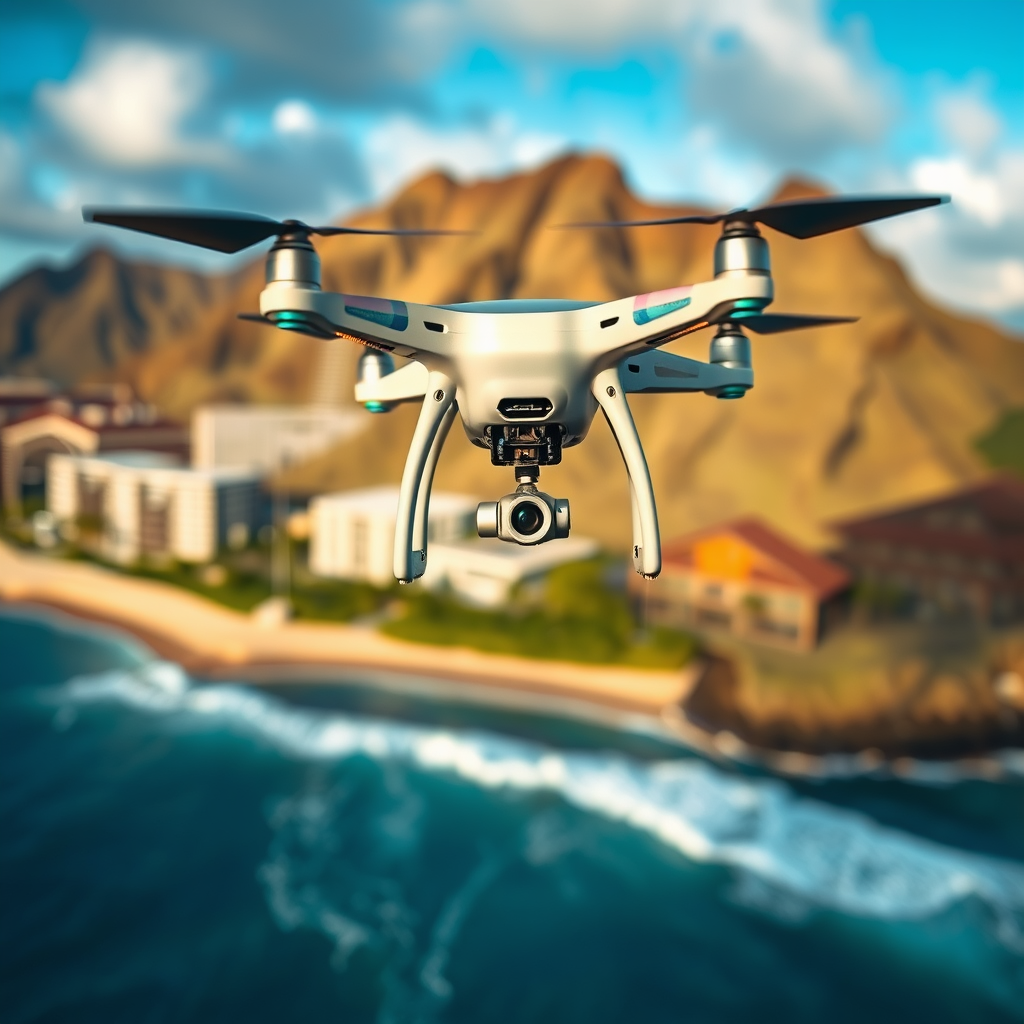
You cannot fly a drone at Diamond Head due to strict regulations and restrictions in place to protect the area. These rules are designed to maintain the safety and enjoyment of visitors while preserving the natural beauty of this iconic Hawaiian landmark. Understanding these regulations will not only help you avoid potential fines but also guide you toward suitable alternatives for drone flying in the vicinity.
Understanding Drone Regulations
When it comes to flying drones, there are overarching regulations that govern their use across the United States. The Federal Aviation Administration (FAA) imposes rules that apply to all drone operations, including guidelines for registration, operational limitations, and safety protocols. For instance, recreational drone pilots must adhere to the FAA’s Part 107 regulations, which include restrictions on flying near airports, above certain altitudes, and in controlled airspace.
In addition to federal regulations, local ordinances can impose further restrictions, particularly in sensitive areas like state parks and natural reserves. This layered approach to drone regulation means that drone enthusiasts must not only be familiar with national laws but also specific local laws that may prohibit or limit drone use in certain locations. Therefore, it is crucial for drone operators to conduct thorough research to ensure compliance with both federal and local regulations.
Diamond Head State Monument Restrictions
Diamond Head State Monument is one of Hawaii’s most visited attractions, renowned for its stunning views and historical significance. However, this popularity has resulted in strict limitations on drone usage within the area. The state of Hawaii prohibits the operation of drones in state parks, which includes Diamond Head, to ensure visitor safety and preserve the area’s natural beauty. These regulations are particularly important given the high volume of foot traffic and the need to protect the local flora and fauna.
The prohibition against drone flights at Diamond Head is enforced rigorously. Violators may face fines or the confiscation of their equipment, making it imperative for drone operators to understand and respect these restrictions. Furthermore, the scenic vistas that draw visitors to Diamond Head can be enjoyed without the disruption that drones may cause, thus enhancing the overall experience for everyone.
Alternatives for Drone Flying Nearby
While Diamond Head itself is off-limits for drone flying, there are alternative locations nearby that may allow for the operation of drones. Beaches and open areas, such as Kailua Beach or Lanikai Beach, often have fewer restrictions and can provide stunning backdrops for aerial photography. These locations typically feature expansive skies and beautiful landscapes, making them ideal for drone enthusiasts looking to capture breathtaking images.
Additionally, it is beneficial to research local parks that may permit drone flying under specific conditions. Some parks may have designated areas where drone use is allowed, often with guidelines that ensure safety for both users and other park visitors. Websites like the FAA’s UAS Data Delivery System can help drone operators find suitable flying locations and stay informed about any local regulations that might apply.
Obtaining Necessary Permits
For those determined to fly a drone in restricted areas, the possibility of obtaining special permits should be explored. In some cases, state or local authorities may issue permits for specific events or purposes, such as aerial photography for commercial use or film production. This often requires a detailed application process, including providing information about the intended flight, safety measures, and proof of insurance.
It’s essential to understand that obtaining such permits does not guarantee approval. Authorities typically assess applications based on the potential impact on public safety, environmental concerns, and the overall purpose of the drone flight. Therefore, if you are considering applying for a permit, it is advisable to start the process well in advance of your intended flight date and to comply fully with any requirements outlined by the permitting agency.
Safety Considerations When Flying Drones
Safety should always be a top priority when operating drones, particularly in public spaces. Drone pilots are responsible for maintaining a safe distance from people, wildlife, and property to prevent accidents and injuries. The general rule of thumb is to keep the drone within the pilot’s line of sight and to avoid flying over crowds or congested areas.
Additionally, awareness of no-fly zones and airspace restrictions is critical. Many urban areas and national parks have specific regulations that prohibit drone flights due to safety and privacy concerns. Ignoring these restrictions can lead to significant fines and legal repercussions. Tools like the FAA’s B4UFLY app can help pilots stay informed about airspace restrictions and ensure that they fly safely and legally.
Tips for Responsible Drone Use
To promote responsible drone use, it is essential for operators to educate themselves about local laws and community guidelines. Understanding the intricacies of drone regulations not only helps avoid fines but also fosters a culture of respect among drone enthusiasts and the communities in which they fly.
Joining local drone clubs or online communities can also be beneficial for staying informed about the latest regulations and best practices. These groups often share valuable insights, tips, and experiences that can enhance your drone flying capabilities and ensure compliance with local laws. Networking with fellow enthusiasts can also provide opportunities for group flying events and collaborative projects, enriching the overall experience of drone piloting.
In conclusion, while you cannot fly a drone at Diamond Head due to strict regulations designed to protect the area, there are alternative locations and important regulations to consider. It is crucial to prioritize safety and compliance with local laws to fully enjoy your drone flying experience responsibly. By understanding the rules, exploring nearby options, and engaging with the drone community, you can make the most of your passion for aerial photography and exploration.
Frequently Asked Questions
Can you fly a drone at Diamond Head, Hawaii?
No, flying a drone at Diamond Head is prohibited. The area is a state park and is protected for both environmental reasons and visitor safety. The enforcement of drone regulations here is strict, and anyone caught flying a drone may face fines or confiscation of their equipment. Always check local laws before planning your drone activities.
What are the consequences of flying a drone illegally at Diamond Head?
If you fly a drone illegally at Diamond Head, you could face several consequences, including hefty fines that can reach up to $1,000. Additionally, law enforcement may confiscate your drone, and you may be banned from the park. It’s crucial to respect these regulations to protect the natural environment and avoid legal issues.
Why are drones not allowed at popular tourist sites like Diamond Head?
Drones are often restricted at popular tourist sites like Diamond Head to ensure the safety of visitors, protect wildlife, and preserve the natural beauty of the area. The noise and disturbance caused by drones can disrupt both the experience of other visitors and the habitat of local fauna. Regulations are in place to maintain the integrity and tranquility of these cherished locations.
Where can I legally fly my drone in Hawaii?
In Hawaii, there are several locations where you can legally fly your drone, including certain state parks, private beaches, and open areas away from crowds and sensitive wildlife. Always check with the local government and drone regulations to ensure that you are in compliance. Websites such as the FAA’s UAS Data and Hawaii’s Department of Land and Natural Resources provide updates on drone-friendly locations.
What should I know about drone regulations before visiting Hawaii?
Before visiting Hawaii with a drone, it’s essential to familiarize yourself with both federal and state regulations. The Federal Aviation Administration (FAA) requires drone operators to register their drones and follow specific guidelines, including flying below 400 feet and avoiding restricted airspace. Additionally, each island may have its own rules regarding drone usage, so thorough research on local laws will help ensure a smooth and compliant flying experience.
References
- https://en.wikipedia.org/wiki/Diamond_Head_(Oahu
- https://www.honolulu.gov/parks/parks/diamond-head.html
- https://www.faa.gov/uas/resources/pubs/
- https://www.hawaiistateparks.org/parks/oahu/diamond-head-state-monument/
- https://www.nps.gov/articles/drone-use-in-national-parks.htm
- https://www.hawaiinewsnow.com/2022/06/17/faa-issues-new-drone-rules-what-you-need-know/
