
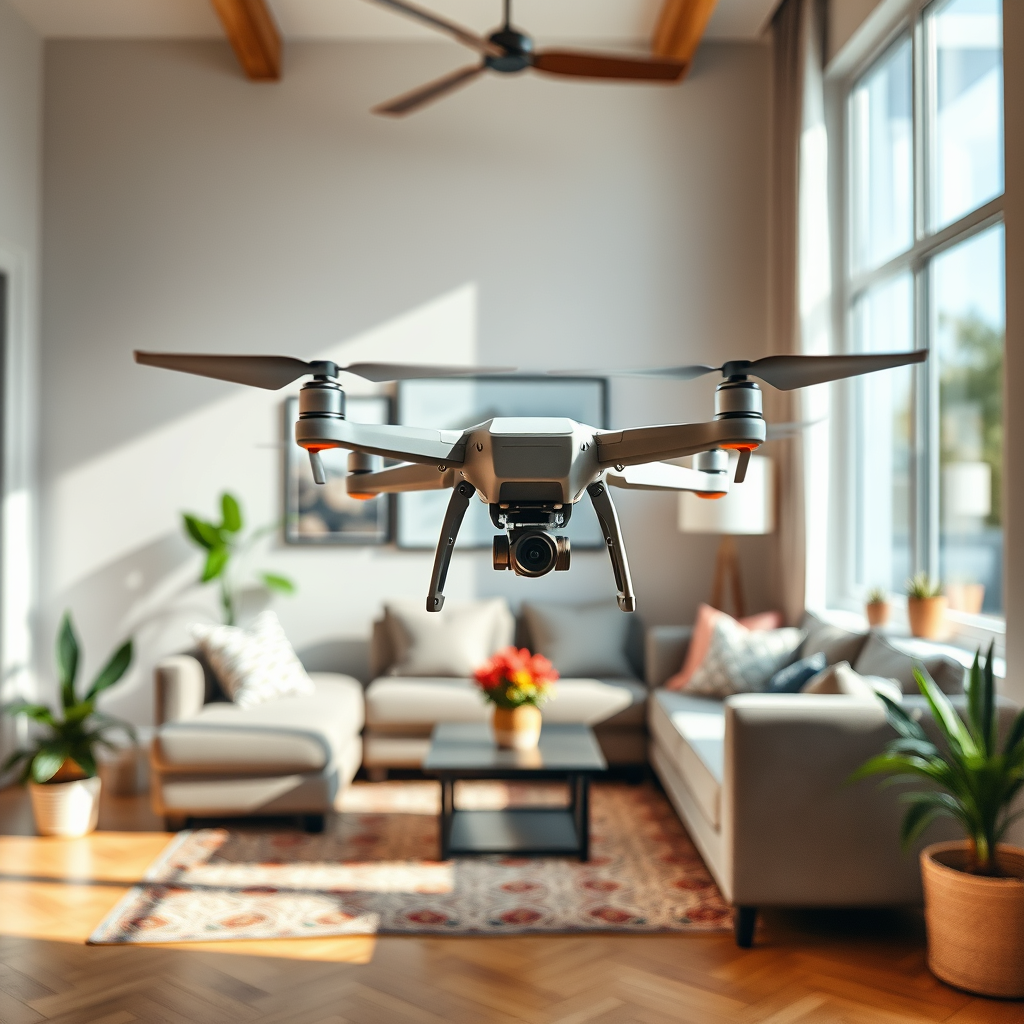
Yes, you can fly a drone at home, but there are important considerations to keep in mind, such as safety, regulations, and space limitations. Understanding these factors is crucial for ensuring a safe and enjoyable flying experience, whether you’re maneuvering indoors or in your backyard. This guide will help you navigate the essential aspects of flying a drone at home, allowing you to maximize fun while minimizing risks.
Understanding Drone Regulations
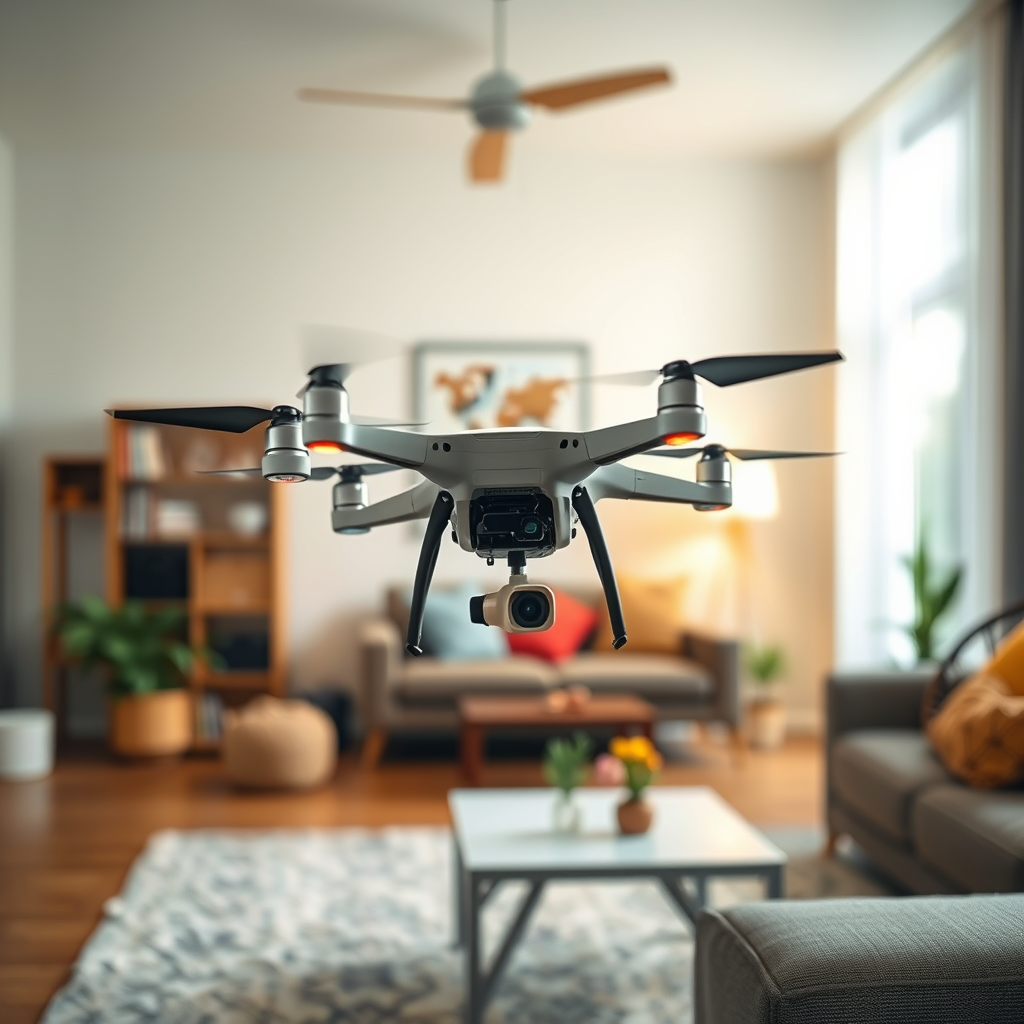
One of the first steps before flying a drone at home is to familiarize yourself with local laws and regulations regarding drone use. Different countries, states, and even municipalities have varying rules that govern where and how drones can be operated. In the United States, for instance, the Federal Aviation Administration (FAA) has established guidelines that apply to all drone operators. It’s essential to check for any specific restrictions that may apply to your residential area, such as no-fly zones that could include schools, hospitals, or airports.
Moreover, many cities have enacted additional regulations that restrict drone flying in residential neighborhoods to prevent disturbances and ensure public safety. Being aware of these regulations not only helps you avoid fines but also promotes responsible drone operation within your community. Always consult local government websites or reach out to local drone clubs for the most current information.
Safety Precautions for Indoor Flying
Flying a drone indoors presents unique challenges, primarily due to the confined space and potential hazards. Before taking off, it is essential to clear the area of fragile objects, such as glass decorations or electronics, as well as any obstacles that could lead to accidents. Consider using a dedicated indoor flying area, such as a large room free of furniture and breakable items, to minimize risks.
Additionally, safety extends to people in the vicinity. Ensure that anyone present is aware of the drone operation, ideally maintaining a safe distance from the flying area. Establishing a clear communication protocol can help prevent misunderstandings and accidents. For instance, if you’re flying in the living room, inform others in the house that you’ll be operating the drone and that they should remain clear of its flight path.
Choosing the Right Drone for Home Use
Selecting the right drone is critical for successful indoor or backyard flying. Drones designed specifically for indoor flight or small spaces typically feature lightweight designs and are equipped with advanced capabilities, such as obstacle avoidance and stabilization systems. These features not only enhance the flying experience but also reduce the likelihood of accidents.
For example, drones like the DJI Tello or the Parrot Mambo are designed with indoor flying in mind, offering user-friendly controls and responsive maneuverability. Additionally, consider drones that operate at low noise levels to minimize disturbances, particularly if you live in a densely populated area. Features like propeller guards can further enhance safety, making them a wise choice for novice pilots.
Space Requirements for Flying at Home
When planning to fly a drone at home, it’s crucial to identify a suitable flying area that is spacious enough for safe maneuvering. Ideally, a large, open space, such as a backyard or a spacious garage, will provide the needed room for both the drone and the operator to navigate safely. Flying in tight spaces, such as narrow hallways or cluttered rooms, significantly increases the risk of crashes and damage.
If you are using your backyard, ensure that there are no overhead obstacles like power lines or tree branches that could pose a danger during flight. Additionally, consider the wind conditions in your area, as outdoor flying can be affected by gusts that may be less pronounced indoors. Always perform a pre-flight check of your flying area to assess any potential hazards.
Best Practices for Indoor Drone Flying
To ensure a smooth flying experience, start with basic maneuvers that will help you gain confidence and control over your drone. Practicing simple take-offs, landings, and hovering can establish a solid foundation before attempting more complex maneuvers. Gradually increase the complexity of your flying tasks as you become more comfortable with the controls.
Utilizing propeller guards is a recommended safety measure while flying indoors. These guards protect both the drone’s propellers and any surrounding objects from potential collision damage. Additionally, consider using a drone with a “beginner” mode, which limits speed and maximum altitude, making it easier for novice pilots to learn without the risk of losing control.
Maintenance and Care for Your Drone
Regular maintenance is vital to ensure your drone operates optimally and safely. Before each flight, perform a pre-flight checklist that includes checking battery levels, inspecting propellers for damage, and ensuring that all components are functioning correctly. Keeping your drone clean and free from debris can also enhance performance and extend the lifespan of the device.
When your drone is not in use, it’s important to store it in a safe and dry location to prevent damage from environmental factors. Consider using a dedicated carrying case or bag to protect your drone during transport. Additionally, adhering to manufacturer recommendations for battery care, including proper charging and storage, will help maintain battery health and overall drone performance.
In summary, flying a drone at home is certainly possible, but it requires careful planning and consideration of safety, regulations, and equipment. By understanding local regulations, ensuring safety measures, selecting the right drone, and practicing responsible flying, you can enjoy a fulfilling drone experience. Always stay informed and practice responsible flying to maximize both enjoyment and safety in your drone activities.
Frequently Asked Questions
Can I legally fly a drone at home?
Yes, you can legally fly a drone at home, but there are specific regulations you must adhere to. In the United States, for instance, the Federal Aviation Administration (FAA) requires drone operators to follow certain guidelines, even when flying in their own backyard. This includes flying below 400 feet, maintaining visual line of sight, and avoiding flying near airports or other restricted areas. Always check your local laws and any homeowner association rules that might apply.
What are the safety precautions I should take when flying a drone at home?
When flying a drone at home, safety should be your top priority. First, ensure that your flying area is free of obstacles, people, and pets to prevent accidents. Additionally, conduct a pre-flight check of your drone, ensuring that all components, such as the battery and propellers, are in proper working order. It’s also wise to have insurance coverage for your drone in case of damage to property or injury.
How can I find the best place to fly my drone at home?
The best place to fly your drone at home is an open area where you can minimize risks to people, pets, and property. Look for spacious backyards, parks, or fields that are away from crowded neighborhoods. Additionally, check for any local drone-flying restrictions, such as no-fly zones, to ensure compliance while maximizing your flying experience.
Why is it important to check local regulations before flying a drone at home?
Checking local regulations before flying a drone at home is crucial to avoid legal issues and fines. Laws can vary significantly by state or municipality, and some areas may have restrictions on drone use entirely. Moreover, understanding the regulations helps promote responsible flying and the safety of both the operator and the community, ensuring a positive experience for everyone involved.
Which drones are best suited for flying indoors at home?
Drones best suited for flying indoors at home are typically lightweight, compact, and equipped with features like obstacle avoidance. Models such as the DJI Tello or the Holy Stone HS210 are excellent choices, as they offer stability, ease of control, and built-in safety features to prevent crashes. These drones are also designed for smaller spaces, making them ideal for indoor flying while minimizing potential damage to your home or nearby objects.
References
- https://www.faa.gov/uas/getting_started/remote_id
- https://www.nationalgeographic.com/science/article/what-you-need-to-know-about-drones
- https://www.wired.com/story/drone-flying-tips/
- https://www.theguardian.com/technology/2020/jan/17/drones-how-to-fly-them-safely-and-legally
- https://www.nytimes.com/2021/04/21/technology/drones-regulations.html
- https://www.aarp.org/home-family/personal-technology/info-2020/drones-technology.html
- https://www.nerdwallet.com/article/loans/drone-rules-flying-home
- https://www.sans.edu/newsletters/student-newsletter/november-2016/drone-flying-at-home/
