
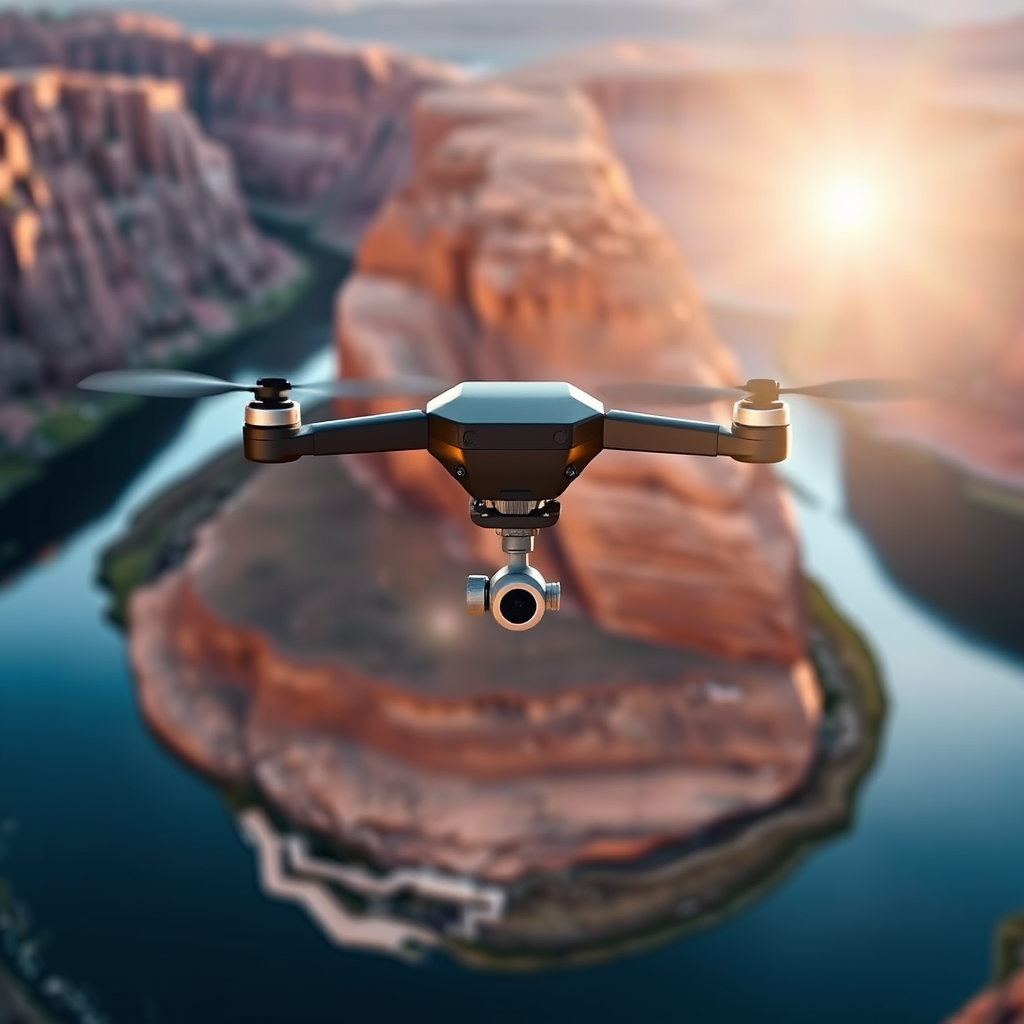
Yes, you can fly a drone at Horseshoe Bend, but there are specific regulations and guidelines you must follow. This breathtaking location, famous for its dramatic views of the Colorado River and unique rock formations, has become a favorite among photographers and drone enthusiasts alike. However, understanding the rules governing drone usage is crucial for ensuring a safe and legal flying experience while capturing stunning aerial footage of this iconic landmark.
Understanding Local Regulations
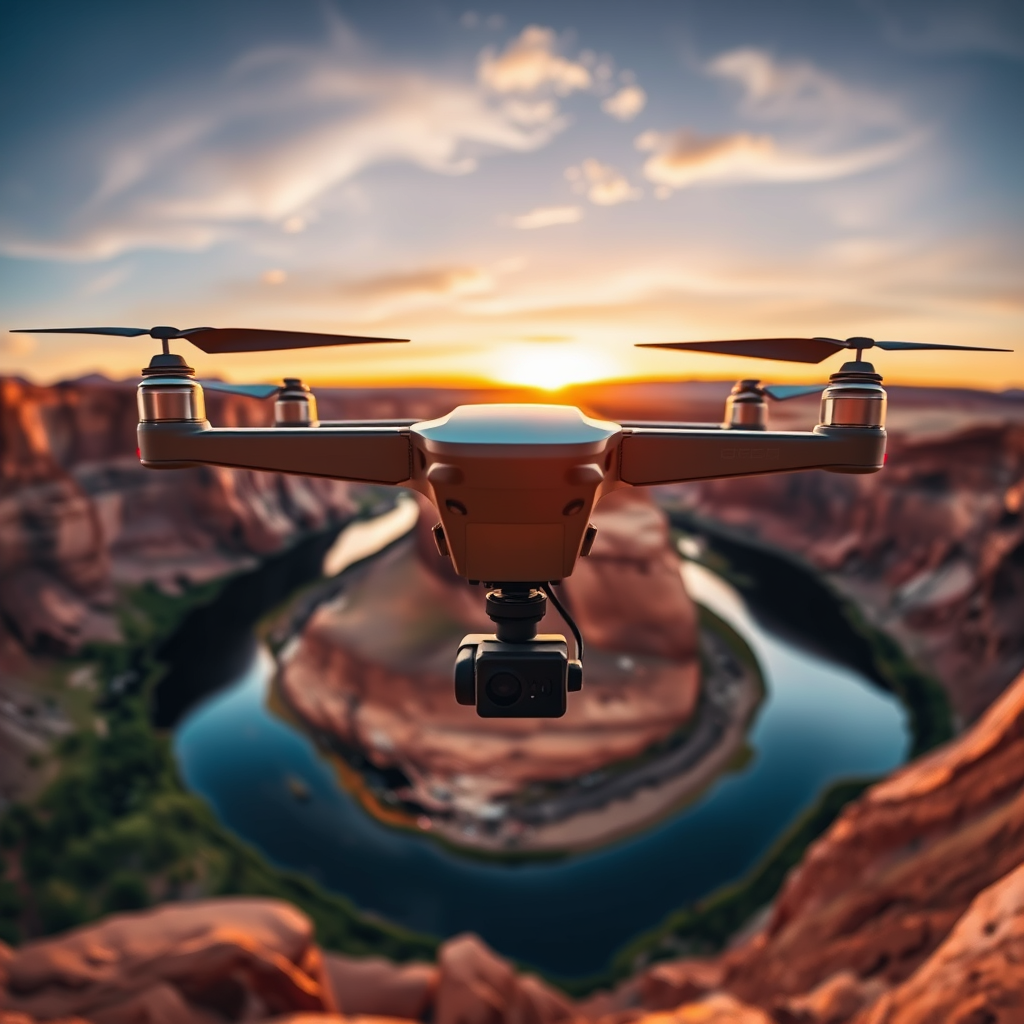
The Bureau of Land Management (BLM) oversees Horseshoe Bend, and as such, it has established specific guidelines regarding drone operations in this area. As of October 2023, flying a drone in Horseshoe Bend is generally permitted; however, users must adhere to all federal, state, and local laws. This includes understanding that in some cases, a special permit may be required for commercial drone use. Visitors should check the BLM’s official website or contact local authorities for the most current information on permits and specific drone regulations, as these rules can change frequently.
Additionally, it is essential to abide by the Federal Aviation Administration (FAA) regulations, which dictate that drones must be flown below 400 feet, remain within the operator’s visual line-of-sight, and not interfere with manned aircraft operations. Being informed about these regulations not only ensures compliance but also promotes a positive experience for all visitors to this stunning natural site.
Safety Considerations
Safety is paramount when operating a drone at Horseshoe Bend. Drone operators must always maintain visual line-of-sight with their drones, which is essential for avoiding potential accidents. This practice not only enhances the safety of the drone but also minimizes risks to other visitors enjoying the breathtaking views.
Moreover, it is vital to be aware of your surroundings, particularly in areas where foot traffic is high. Horseshoe Bend attracts thousands of visitors, and collisions with people or wildlife could lead to dangerous situations. Operators should always be on the lookout for hikers, families, or wildlife such as birds, which could be startled by the drone. To ensure safety, it may be beneficial to fly the drone during less crowded hours, as this can significantly reduce the risk of accidents and enhance the overall flying experience.
Best Times to Fly
The best times to fly a drone at Horseshoe Bend are early morning or late afternoon. These periods provide optimal lighting conditions for photography, allowing for stunning captures of the landscape bathed in golden sunlight. During these hours, the sun is lower in the sky, which not only enhances depth and colors but also reduces harsh shadows that can detract from aerial images.
Additionally, flying during these times helps to avoid peak tourist hours, which typically occur in the late morning and early afternoon. By planning your drone flights around these busy times, you can enjoy a more tranquil experience and capture the awe-inspiring scenery without the distraction of large crowds. This strategic timing can result in unique photography opportunities and a more enjoyable operational experience.
Equipment Recommendations
When preparing to fly a drone at Horseshoe Bend, selecting the right equipment is crucial for a successful outing. A lightweight drone is recommended for easier handling and transport, especially if you plan to hike to the viewing area. Drones such as the DJI Mini series or the Parrot Anafi are excellent choices due to their portability and high-quality performance.
Furthermore, ensure that your drone is equipped with a good camera capable of capturing high-resolution images and videos. A 4K camera will enable you to document the stunning landscape with clarity and detail. It’s also advisable to have spare batteries and propellers on hand, as extended flying sessions may be limited by battery life. Investing in a drone with obstacle avoidance technology can also enhance safety, allowing for a more relaxed flying experience.
Nearby Alternatives for Drone Flying
While Horseshoe Bend is a stunning location for drone photography, there are numerous other scenic spots in the region that are equally drone-friendly. Consider exploring nearby areas such as Antelope Canyon, Lake Powell, or the Grand Canyon. Each of these locations offers unique landscapes and fewer crowds, providing excellent opportunities for drone flying.
For instance, Lake Powell features expansive views of the water and surrounding rock formations, making it ideal for capturing dynamic aerial footage. Similarly, the Grand Canyon’s varied topography offers an array of perspectives that can enhance your drone photography portfolio. When seeking alternatives, be sure to research the specific regulations for each location, as drone laws can vary widely from one site to another.
Tips for Capturing Stunning Footage
To make the most of your drone flight at Horseshoe Bend, planning your shots ahead of time is essential. Familiarize yourself with the landscape and identify key features you wish to capture, such as the distinctive curve of the river and the surrounding cliffs. This preparation allows you to maximize your flight time and ensure that you capture the most compelling angles.
Experimenting with different angles and altitudes can yield unique perspectives of Horseshoe Bend that are often overlooked. Try flying at varying heights to capture the dramatic contrast between the river and the rock formations. Additionally, consider using techniques such as orbiting the subject or utilizing the drone’s follow-me mode for dynamic shots that showcase the area’s grandeur.
Lastly, don’t forget to take advantage of the drone’s video capabilities. Capturing smooth, cinematic footage can enhance your storytelling and provide an immersive experience for viewers. Editing your footage with software can further elevate the final product, allowing you to create a polished and professional video that showcases the beauty of Horseshoe Bend.
In conclusion, while flying a drone at Horseshoe Bend is indeed possible, it is imperative to follow local regulations and safety guidelines to ensure a responsible and enjoyable experience. Being aware of the rules, planning your flights strategically, and choosing the right equipment are all key elements that contribute to successful aerial photography. With the proper preparation and respect for the environment and fellow visitors, you can capture breathtaking footage of this iconic landmark. Happy flying!
Frequently Asked Questions
Can you legally fly a drone at Horseshoe Bend?
No, flying a drone at Horseshoe Bend is not permitted due to regulations set by the National Park Service. Horseshoe Bend is located within the Glen Canyon National Recreation Area, where drone use is prohibited to protect the natural landscape and ensure the safety of visitors. Always check local regulations and guidelines before planning your drone flight.
What are the best alternatives to drone photography at Horseshoe Bend?
If you’re unable to fly a drone at Horseshoe Bend, consider using a high-quality camera or smartphone for landscape photography. The viewpoint offers stunning perspectives of the Colorado River and the iconic bend, which can be captured beautifully from the designated lookout areas. Additionally, you can use a tripod and filters to enhance your shots, especially during sunrise or sunset for optimal lighting.
How can I get aerial views of Horseshoe Bend without using a drone?
To achieve aerial views of Horseshoe Bend without using a drone, consider booking a guided helicopter or airplane tour that offers aerial photography options. These tours often provide breathtaking views of the area, including Horseshoe Bend, Antelope Canyon, and Lake Powell, while adhering to safety regulations. Be sure to choose a reputable company to ensure a safe and enjoyable experience.
Why are drones prohibited at Horseshoe Bend?
Drones are prohibited at Horseshoe Bend primarily to protect the natural environment and the safety of visitors. The National Park Service aims to minimize noise pollution and avoid disruptions to wildlife and other guests enjoying the scenery. This regulation is part of broader efforts to preserve the integrity of national parks and recreational areas.
Which other locations in Arizona allow drone flying?
Several locations in Arizona permit drone flying, including the vast landscapes of the Sonoran Desert and sections of the Tonto National Forest, where drone regulations may be more lenient. However, it’s crucial to check specific guidelines for each area, as many natural parks and monuments, like the Grand Canyon and Saguaro National Park, have strict drone restrictions. Always ensure compliance with FAA regulations and local laws before flying your drone.
References
- https://www.nps.gov/glca/planyourvisit/drones.htm
- https://www.faa.gov/uas/guidance/
- https://www.bbc.com/news/world-us-canada-57579286
- https://www.azcentral.com/story/news/local/arizona/2021/06/08/drone-rules-horseshoe-bend-arizona/7544737002/
- https://www.reuters.com/business/environment/us-faa-issues-new-drone-regulations-2021-12-15/
- https://www.wyomingnews.com/news/drone-use-at-horseshoe-bend-restricted/article_8d7cce6c-cc03-11eb-9b1e-53b542a4e7c9.html
