
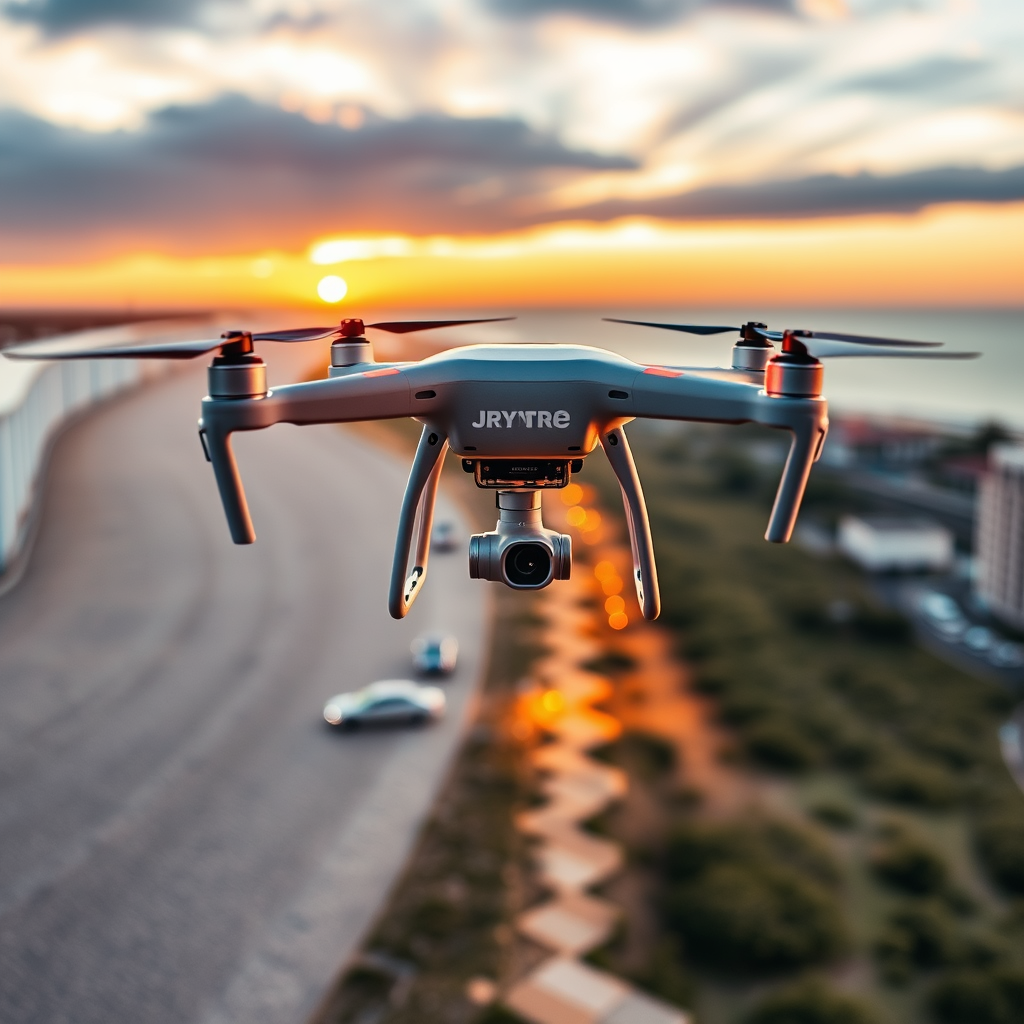
Yes, you can fly a drone at Virginia Beach, but there are specific regulations and guidelines you must follow to ensure safety and compliance with local laws. Understanding these rules will help you enjoy your drone flying experience while respecting the environment and the community. Virginia Beach, with its scenic coastline and vibrant recreational areas, offers unique opportunities for drone enthusiasts. However, adhering to regulations is essential for a safe and enjoyable experience.
Understanding Local Drone Regulations
Virginia Beach has specific local laws regarding drone usage to enhance safety and minimize disturbances. These regulations align with broader federal laws set by the Federal Aviation Administration (FAA). As a drone operator, it is crucial to familiarize yourself with both the local and federal regulations governing drone flights. The FAA mandates that all drone pilots must register their drones if they weigh over 0.55 pounds. Additionally, pilots must follow operational guidelines, such as flying below 400 feet and maintaining visual line-of-sight with their drone at all times.
Local laws may impose additional restrictions, such as prohibiting drone usage in certain public areas or requiring permits for specific activities. Always check for updated regulations from the FAA and local authorities, as laws can change frequently based on new safety considerations or community feedback.
Designated Flying Areas
In Virginia Beach, certain areas are designated for drone flying, which can provide a safer and more enjoyable experience. These areas typically include parks, open spaces, and designated recreational zones. One such location is the Virginia Beach Convention Center area, where local authorities have established guidelines for drone operations.
It is essential to do your research before heading out with your drone. Websites and local government resources often provide maps or lists of approved flying areas. Additionally, many drone enthusiasts recommend joining local drone clubs or online forums, where members often share information about accessible flying locations, aeronautical maps, and personal experiences that can enhance your flying experience.
No-Fly Zones
Being aware of no-fly zones is critical for every drone operator. In Virginia Beach, several areas are designated as no-fly zones, including military bases, such as Naval Air Station Oceana, and densely populated events where large crowds gather. Flying a drone in these restricted areas can result in hefty fines and legal penalties, including potential criminal charges.
To avoid unintentional violations, consult online maps or apps that indicate restricted airspace. Tools like the FAA’s B4UFLY app provide real-time information on airspace restrictions, helping drone pilots identify where they can and cannot fly. Always err on the side of caution and ensure compliance with no-fly zone regulations to protect yourself and others.
Safety Guidelines for Drone Flying
Safety should be the top priority for every drone pilot. To ensure a safe flying experience, adhere to the following guidelines:
– Maintain Visual Line-of-Sight: Always keep your drone within your line of sight. This practice not only ensures you can safely navigate your drone but also allows you to react quickly to any unforeseen circumstances.
– Avoid Crowded Areas: Refrain from flying over people, vehicles, or private property without permission. This not only respects others’ privacy but also reduces the risk of accidents.
– Use Proper Equipment: Ensure your drone is equipped with the latest technology, including updated software, and that you have conducted pre-flight checks to confirm everything is functioning correctly.
By following these safety guidelines, you can create a safer environment for yourself and those around you while enjoying the beauty of Virginia Beach from above.
Weather Considerations
Weather conditions can significantly affect drone performance and safety. Before flying, check the forecast to ensure optimal conditions. Ideal flying conditions typically include clear skies with minimal wind. High winds, rain, and fog can compromise your drone’s stability and control, increasing the likelihood of accidents.
Keep an eye on local weather reports and use reliable weather apps to monitor conditions. If the forecast indicates severe weather, it is advisable to postpone your flight. By prioritizing safety and flying in favorable weather, you can enhance both your experience and the longevity of your drone.
Responsible Drone Usage
Responsible drone usage transcends mere compliance with laws and regulations; it encompasses respect for the environment and the community. As a drone pilot, it is essential to be mindful of wildlife and natural habitats. Avoid flying over sensitive areas, such as nesting sites or conservation regions, to prevent distress to local wildlife.
Additionally, foster a positive relationship with the local community by following community guidelines. Engage respectfully with residents and visitors, and take time to educate others about the benefits and joys of drone flying. By being a responsible drone operator, you contribute to a harmonious coexistence between drone enthusiasts and the broader community.
Obtaining Necessary Permits
In certain situations, especially for commercial drone use, obtaining the necessary permits is essential. For example, if you plan to conduct aerial photography or videography in Virginia Beach, you may need to apply for a special use permit from the local government. This process can vary depending on the specific activity and location, so research requirements well in advance of your flying plans.
When applying for permits, ensure that you have all required documentation and understand the timelines involved. This proactive approach will help you avoid delays and ensure compliance with local regulations.
In conclusion, flying a drone at Virginia Beach is possible with the right knowledge of regulations and guidelines. By understanding local laws, identifying designated flying areas, respecting no-fly zones, and adhering to safety guidelines, you can enjoy a fulfilling drone flying experience. Always prioritize responsible usage and environmental stewardship to maintain a positive relationship within the community. Happy flying!
Frequently Asked Questions
Can you fly a drone at Virginia Beach?
Yes, you can fly a drone at Virginia Beach, but there are specific regulations you must follow. The area is subject to federal, state, and local laws, including FAA guidelines. Be sure to check for any temporary flight restrictions and avoid flying over crowded beaches or public events to ensure safety and compliance.
What are the drone regulations in Virginia Beach?
In Virginia Beach, drone operators must adhere to FAA regulations, which include flying below 400 feet, maintaining visual line of sight, and avoiding restricted airspace. Additionally, local ordinances may impose further restrictions, such as prohibiting drone flights in certain parks or near schools and hospitals. Always review the latest regulations and guidelines from the Virginia Beach city website before flying your drone.
How do I register my drone for flying in Virginia Beach?
To fly a drone in Virginia Beach legally, you must register your drone with the FAA if it weighs more than 0.55 pounds (250 grams). Registration can be completed online through the FAA’s website for a small fee and is valid for three years. Once registered, you will receive a unique identification number that must be displayed on your drone.
Why is it important to follow drone laws in Virginia Beach?
Following drone laws in Virginia Beach is crucial for several reasons. Compliance ensures the safety of people and property, helps protect wildlife, and minimizes the risk of accidents or incidents with manned aircraft. Additionally, violating these laws can result in fines, confiscation of your drone, and legal consequences, so understanding and adhering to local regulations is essential for responsible drone operation.
What are the best places to fly a drone in Virginia Beach?
Some of the best places to fly a drone in Virginia Beach include less crowded areas such as the Back Bay National Wildlife Refuge and the marshlands along the coast. These locations provide stunning landscapes and fewer restrictions compared to popular beach areas. However, always verify local rules and potential airspace restrictions before flying in any specific location to ensure a safe and enjoyable experience.
References
- https://www.faa.gov/uas/getting_started/registration
- https://www.virginiabeach.gov/government/departments/planning/urban-planning/urban-design/drone-regulations
- https://www.virginia.gov/virginia-beach-drone-regulations/
- https://www.virginiabeach.com/faq/drone-policies/
- https://www.dronelawjournal.com/2020/06/drone-regulations-virginia-beach/
- https://www.wavy.com/news/local-news/virginia-beach/drone-use-regulations-in-virginia-beach/
