
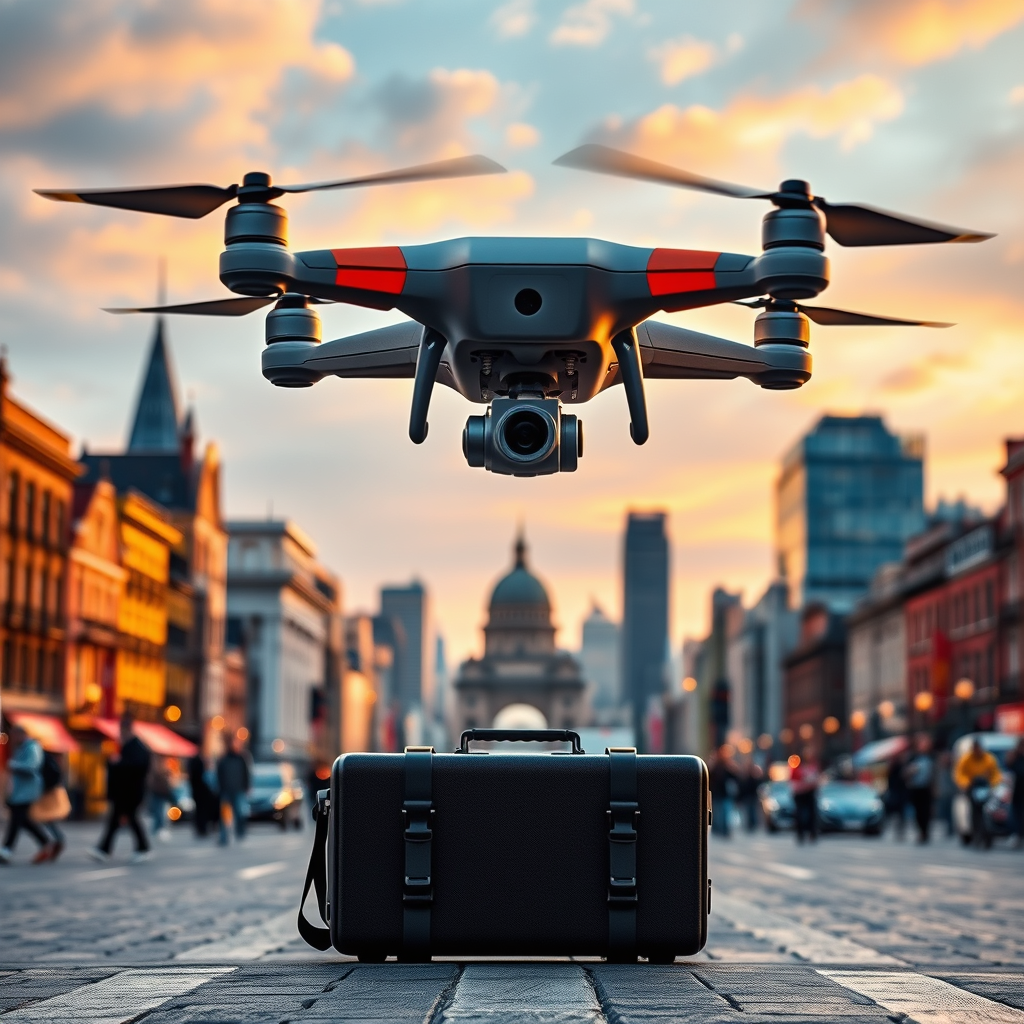
Yes, you can fly a drone in a city, but there are specific regulations and safety considerations to keep in mind. Urban environments present unique challenges and opportunities for drone enthusiasts. To enjoy a safe and fulfilling flying experience, it is crucial to understand local laws, respect privacy, and prioritize safety.
Understanding Local Regulations
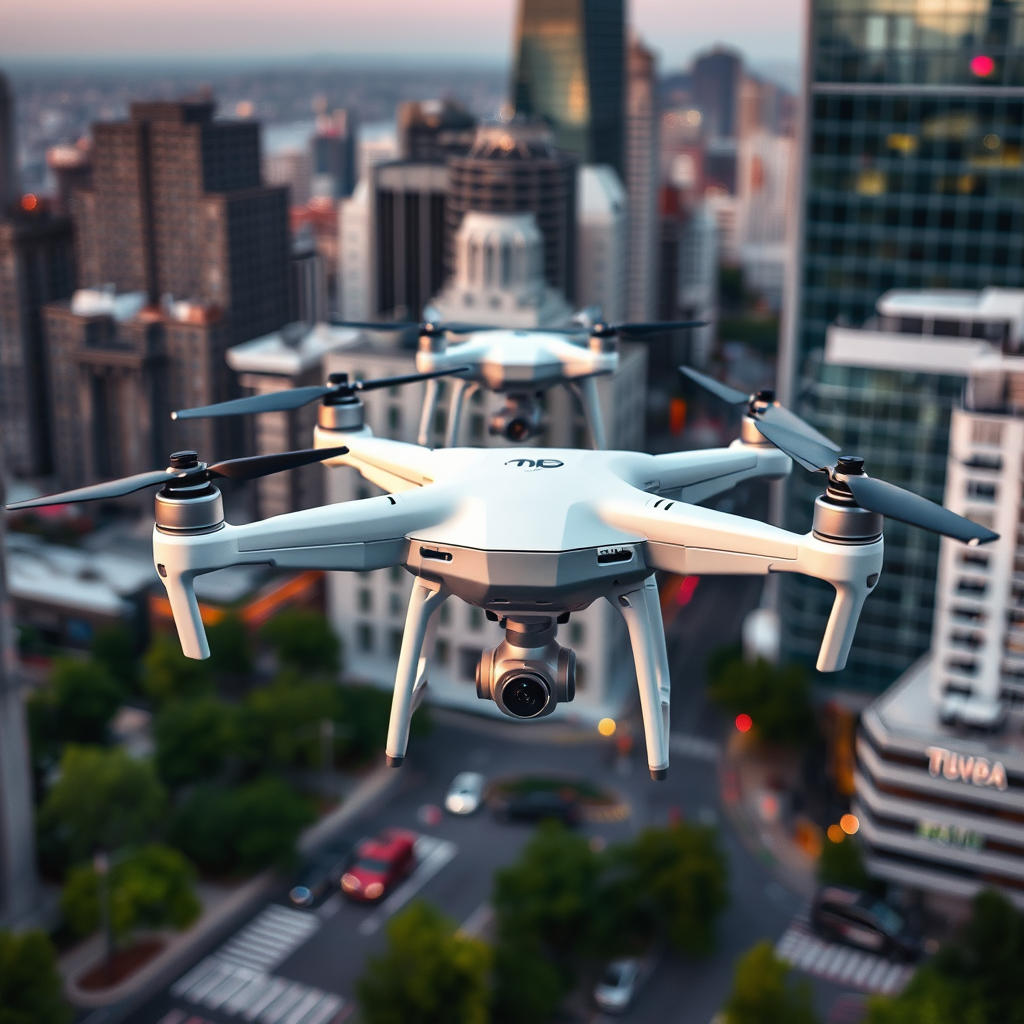
Flying a drone in a city necessitates a thorough understanding of local drone laws and regulations, which can vary significantly from one place to another. Most cities have specific rules governing where and how you can operate a drone, often influenced by factors such as population density, proximity to airports, and public safety concerns.
To begin, research your city’s drone regulations through official government websites or local aviation authority resources. In the United States, for example, the Federal Aviation Administration (FAA) outlines general regulations, but many cities impose additional restrictions. Some may require permits for flying in certain areas, especially parks or urban centers, where drone use might interfere with public activities.
Moreover, check if your drone needs to be registered. In many jurisdictions, drones that weigh over a specific threshold (typically 0.55 pounds) must be registered with the relevant aviation authority before flight. Compliance with these regulations is not only a legal obligation but also enhances the safety and legitimacy of your flying experience.
Safety Considerations
Safety is paramount when flying a drone in urban areas. The complexity of city landscapes means that maintaining a safe distance from people, vehicles, and buildings is essential. The Federal Aviation Administration recommends staying at least 25 feet away from people and structures to minimize the risk of accidents.
Additionally, be acutely aware of no-fly zones and restricted areas. These often include regions surrounding airports, military installations, and emergency response locations. Utilizing drone mapping applications can help you identify these zones before launch. For instance, apps like AirMap or UAV Forecast provide real-time information about airspace restrictions, helping you plan your flights accordingly.
Furthermore, keep in mind that urban environments can present unexpected hazards, such as power lines, tall buildings, and crowded public spaces. Always conduct a pre-flight assessment of your surroundings to identify potential risks, and never fly your drone beyond your visual line of sight, as doing so can lead to dangerous situations.
Choosing the Right Drone
Selecting the appropriate drone for urban flying is a critical decision that can significantly impact your experience. Consider the size and weight of the drone, as larger models may be more challenging to maneuver in tight urban spaces and can pose greater risks if they malfunction. For city flying, compact drones are often recommended due to their portability and ease of use.
Additionally, look for drones equipped with advanced features such as GPS stabilization and obstacle avoidance technology. GPS stabilization helps maintain the drone’s position even in windy conditions, while obstacle avoidance systems can prevent collisions with nearby structures, trees, or other objects. Drones like the DJI Mini series or the Mavic Air 2 are excellent choices for urban environments, combining lightweight designs with sophisticated flight capabilities.
Before making a purchase, read reviews and user experiences to ensure that the drone you choose aligns with your flying style and the specific challenges of urban flying.
Best Practices for Flying in Cities
Adhering to best practices is essential for ensuring a positive flying experience in urban settings. First and foremost, fly during optimal weather conditions. Calm, clear days provide the best visibility and control, minimizing the risk of losing your drone due to poor weather. Windy or rainy conditions can complicate flight and increase the likelihood of accidents.
Always keep your drone within visual line of sight, as this not only helps you maintain control but is also a legal requirement in many jurisdictions. Additionally, consider the time of day you choose to fly; early mornings or late afternoons often present less crowded conditions and better lighting for aerial photography or videography.
Moreover, avoid flying in areas with heavy traffic or large gatherings of people. Not only does this minimize the risk of accidents, but it also helps maintain a good relationship with the public and law enforcement, who may view drone activity with skepticism.
Respecting Privacy
In urban settings, respecting the privacy rights of individuals is crucial. Drones equipped with cameras can inadvertently invade personal space, leading to privacy concerns and potential legal ramifications. Familiarize yourself with the privacy laws applicable in your area; many jurisdictions have strict regulations regarding aerial photography and video recording.
It is advisable to avoid flying over private properties without explicit permission from the property owner. Even if you are operating your drone legally, flying over someone’s home or yard can lead to complaints and disputes. When capturing footage in public spaces, exercise discretion and be mindful of personal privacy, especially in residential neighborhoods.
Community Engagement
Engaging with the local drone community can enhance your flying experience and promote responsible drone use. Joining local drone enthusiast groups allows you to share experiences, exchange tips, and stay updated on local regulations and best practices. Online forums and social media groups can also be valuable resources for connecting with other drone pilots.
Participating in community events, such as drone meetups or educational workshops, can help foster a positive image of drone flying. These gatherings often provide opportunities for hands-on learning and collaboration with other enthusiasts, which can contribute to safer and more responsible flying practices.
In addition, consider volunteering your drone skills for community projects, such as aerial photography for local events or assisting in search and rescue missions. Such activities can demonstrate the benefits of drone technology while building goodwill within the community.
In conclusion, while flying a drone in a city is entirely feasible, it comes with a responsibility to adhere to regulations and prioritize safety and privacy. By staying informed about local laws, selecting the right equipment, and practicing responsible flying, you can enjoy a fulfilling and enjoyable drone experience. Engaging with the community and respecting the rights of others will further enhance your flying adventures and contribute positively to the growing world of urban drone usage.
Frequently Asked Questions
What are the regulations for flying a drone in a city?
Regulations for flying a drone in a city vary by location but generally include restrictions on flying near airports, government buildings, and crowded areas. It’s crucial to check local laws and guidelines set by aviation authorities, such as the Federal Aviation Administration (FAA) in the United States, which requires drone operators to register their drones and adhere to specific altitude and distance limits. Additionally, some cities may have specific ordinances that further restrict drone usage, so always research local regulations before flying.
How do I obtain permission to fly a drone in urban areas?
To obtain permission to fly a drone in urban areas, start by checking if you need to apply for a waiver or special authorization from local aviation authorities. In the U.S., the FAA allows for certain exemptions for commercial pilots under Part 107, which may include flying in controlled airspace with prior approval. Additionally, you may need to seek permission from local municipalities or property owners if you plan to fly over private property or public spaces.
Why is it important to know the no-fly zones in a city?
Knowing the no-fly zones in a city is crucial for ensuring compliance with local laws and avoiding potential fines or legal issues. No-fly zones are typically established for safety reasons, such as proximity to airports, military installations, or densely populated areas. Flying a drone in these restricted areas can pose risks to aviation safety and public safety, so always check resources like the FAA’s B4UFLY app or local government websites to stay informed about these zones.
What are the best practices for flying a drone in a crowded urban environment?
When flying a drone in a crowded urban environment, it’s important to follow best practices for safety and compliance. Always maintain a visual line of sight with your drone and avoid flying over people or large gatherings to reduce the risk of accidents. Additionally, fly at lower altitudes and be aware of your surroundings, as urban landscapes can include obstacles such as buildings, power lines, and other aircraft. Respect privacy by avoiding filming or capturing images of individuals without their consent.
Which drones are best suited for flying in city environments?
The best drones for flying in city environments are typically compact, lightweight, and equipped with advanced obstacle avoidance features. Models such as the DJI Mini 2 and DJI Air 2S are popular choices due to their portability and robust safety features. Additionally, drones with high-quality cameras are beneficial for capturing urban landscapes while maintaining a stable flight. Always consider battery life, range, and local regulations when selecting a drone for city use, as these factors can significantly impact your flying experience.
References
- https://www.faa.gov/uas/getting_started/where_to_fly
- https://www.nasa.gov/mission_pages/UAS/
- https://www.dronepilotgroundschool.com/drone-laws-in-the-us/
- https://www.wired.com/story/drone-regulation/
- https://en.wikipedia.org/wiki/Drone#Regulation_and_laws
- https://www.theguardian.com/us-news/2021/may/18/drones-flying-cities-regulations
- https://www.faa.gov/uas/resources/policies_regulations/
- https://www.bbc.com/news/technology-52911743
