
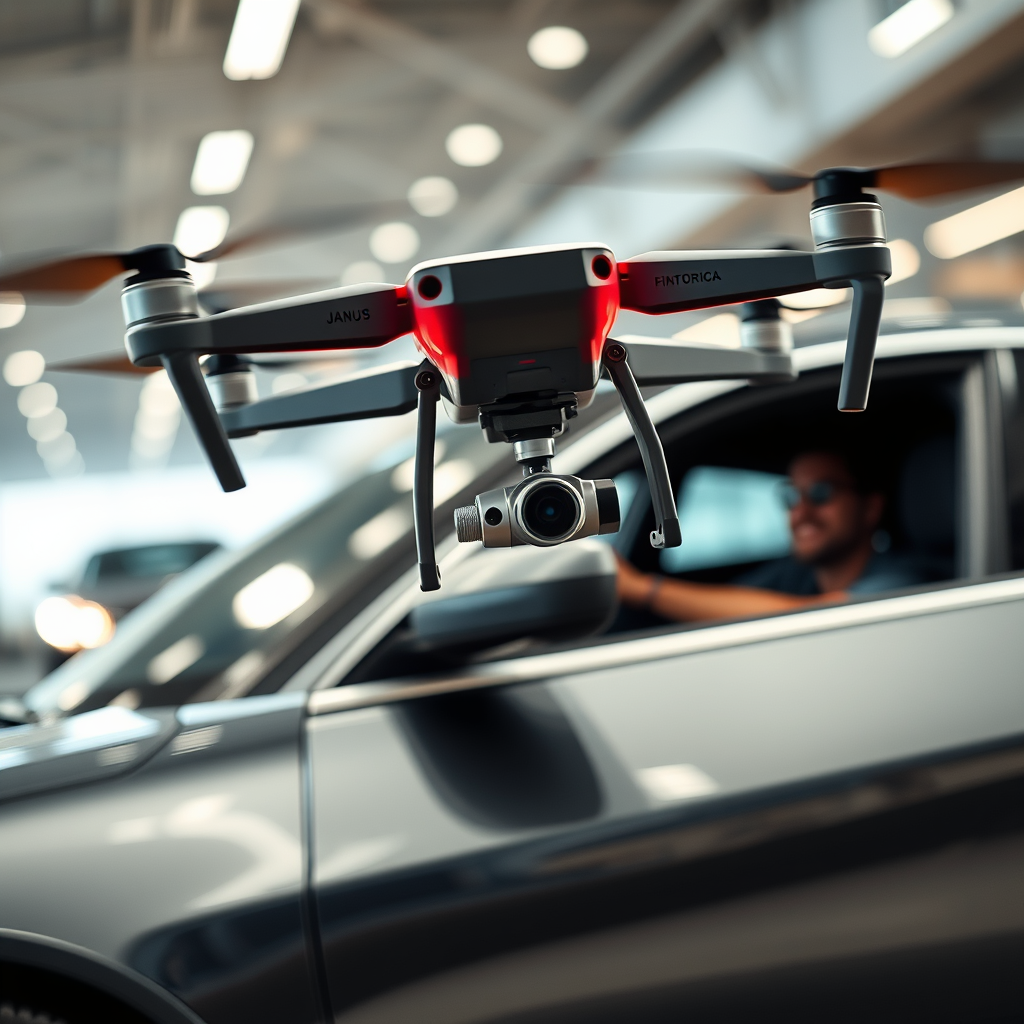
Yes, you can fly a drone in a moving car, but there are important factors to consider to ensure safety and legality. The act of operating a drone from within a vehicle poses unique challenges and regulations that must be adhered to. This article explores the practicalities, legalities, and best practices for successfully flying a drone while on the go, allowing you to make the most of your aerial photography or videography experience.
Understanding Drone Regulations
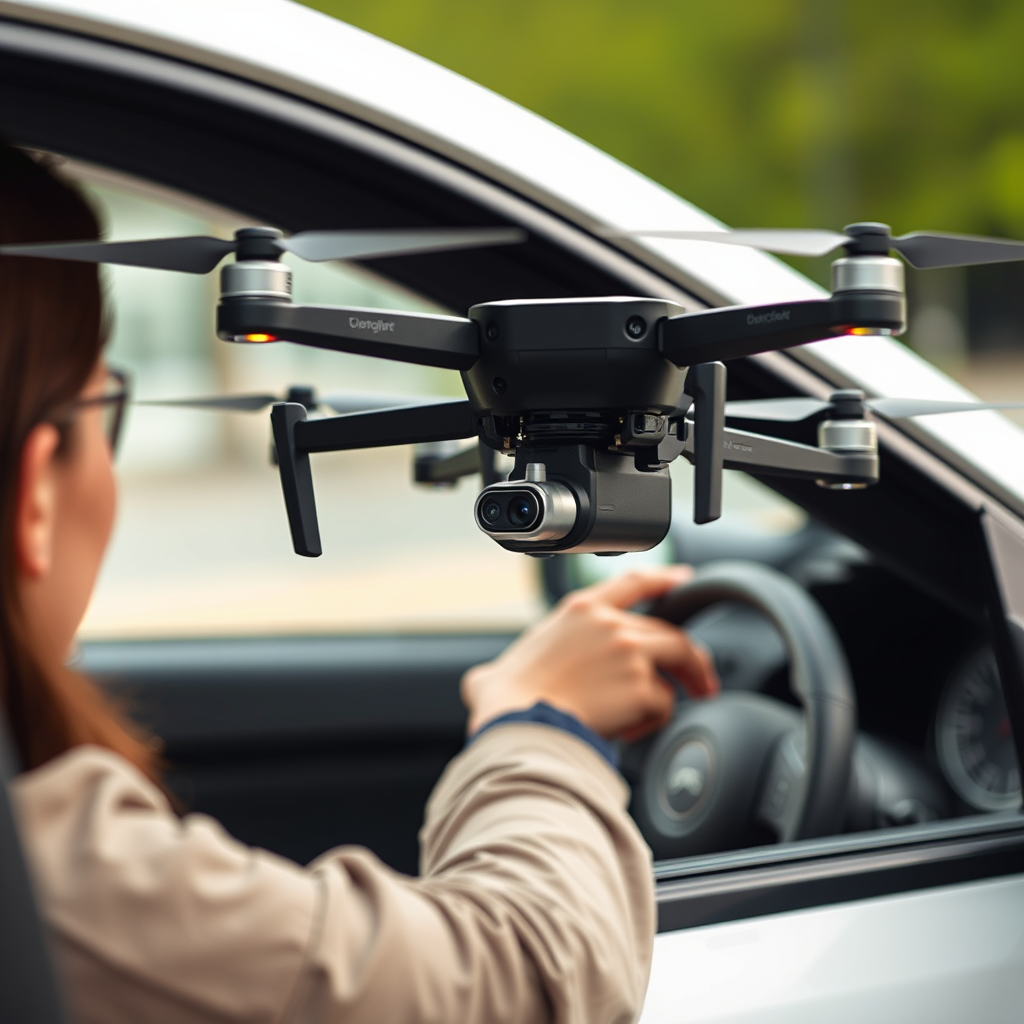
When considering flying a drone from a moving vehicle, it is critical to familiarize yourself with local and federal aviation regulations. In many countries, including the United States, the Federal Aviation Administration (FAA) governs drone operations. Drones must be registered, and their pilots must abide by specific guidelines to ensure safety and compliance.
One key regulation to note is that flying from a moving vehicle may require special permissions. For instance, in the U.S., the FAA allows drone flights from moving vehicles only under certain conditions. The drone must be flown over a sparsely populated area, and the pilot must maintain visual line-of-sight with the drone at all times. This could mean adjusting your route or timing to comply with these stipulations. Always check with your local aviation authority or regulatory body to stay informed about the specific laws and requirements that apply to your situation.
Safety Considerations
Safety is paramount when flying a drone from a moving car. The first step is ensuring that the drone is securely stowed and will not become a projectile during drive or flight. A loose drone can not only damage itself but also pose a risk to passengers and other vehicles on the road. Consider using a designated drone carrying case or mounting system that secures the drone while allowing for easy access.
Additionally, it is crucial to be mindful of obstacles in your flight path. Drones can easily collide with trees, power lines, or other vehicles if not carefully monitored. Before taking off, make a thorough assessment of the surrounding environment. Utilize a spotter, if possible, to help identify potential hazards that may not be visible to the pilot.
Best Practices for Flying Drones in a Car
To enhance the chances of a successful and safe drone flight from a moving vehicle, implementing best practices is essential. One effective method is to create a stable platform for takeoff and landing inside the vehicle. This could involve using a flat, non-slip surface, such as a drone launch pad or a sturdy table, which can help reduce vibrations and ensure stability during these critical phases of flight.
Maintaining control of the drone is also vital. Use a remote control device that allows for real-time adjustments, ensuring that you can respond to unexpected changes in the environment or drone behavior. Always keep the drone within your visual line-of-sight, as required by regulations. If you plan to capture footage while driving, consider having a designated driver who is not distracted by operating the drone.
Environmental Factors
Environmental conditions can significantly impact the performance of a drone, especially when flying from a moving vehicle. Wind conditions are a primary concern; strong gusts can destabilize the drone, making it difficult to control. Before launching, check local weather forecasts and assess current wind speeds. A general rule of thumb is to avoid flying in winds exceeding 10 mph, particularly when operating a drone from a vehicle.
Moreover, the speed of the car can affect the drone’s performance, particularly when it comes to maneuverability and stability. Higher speeds can create turbulence, which can make it challenging for the drone to maintain a steady flight path. Be aware of the vehicle’s speed and adjust the drone’s altitude and speed accordingly to maintain a safe and stable flight.
Technical Challenges
Flying a drone from a moving vehicle introduces various technical challenges that must be addressed. One significant issue is connectivity; the speed and movement of the car can lead to intermittent signals between the drone and the remote controller. This can result in lag or loss of control, which can be particularly dangerous when navigating obstacles.
Another technical hurdle is GPS reliability. While modern drones are equipped with advanced navigation systems, GPS signals can be less reliable when the drone is in a moving vehicle. This may result in inaccurate positioning, which could jeopardize the safety of the flight. To mitigate this risk, consider flying in areas with clear access to satellite signals and avoid locations with heavy interference, such as urban environments with tall buildings.
Alternatives to Flying from a Moving Car
If the challenges and risks associated with flying a drone from a moving vehicle seem daunting, there are several viable alternatives to consider. One option is to explore stationary opportunities for capturing footage. Planning specific locations where you can safely launch and land your drone can yield high-quality results without the complications of moving vehicles.
Additionally, consider utilizing drones equipped with advanced tracking features. Many modern drones come with built-in technology that allows them to follow a subject autonomously. This can be particularly useful for capturing dynamic shots while on the go, without the need for manual operation. This way, you can enjoy the freedom of movement while ensuring safety and compliance with regulations.
In conclusion, while flying a drone in a moving car is indeed possible, it necessitates careful planning and adherence to safety protocols and regulations. Understanding the legal landscape, taking safety precautions, and employing best practices will enhance the experience and ensure compliance with aviation laws. By remaining informed about local regulations and prioritizing safety, you can successfully navigate the complexities of this exciting endeavor.
Frequently Asked Questions
Can you legally fly a drone from a moving car?
Legally flying a drone from a moving car varies by location and is subject to local laws and regulations. In the United States, the Federal Aviation Administration (FAA) requires that drones be flown within the operator’s visual line of sight and prohibits flying from a moving vehicle unless you’re in a sparsely populated area. Always check local regulations and ensure compliance before attempting to fly a drone from a moving car.
How can I safely fly a drone while driving?
Safety is paramount when flying a drone from a moving vehicle. It’s advisable to have a dedicated pilot operating the drone while someone else drives, ensuring that both tasks receive full attention. Additionally, choose a spacious, open area with minimal obstacles and avoid flying during adverse weather conditions that could impair visibility or drone performance.
What are the challenges of flying a drone from a moving car?
Flying a drone from a moving car presents several challenges, including maintaining a stable flight path, managing the drone’s speed relative to the vehicle, and dealing with environmental factors like wind and turbulence. Furthermore, the need for a clear line of sight can be complicated when the car is moving, making it difficult to control the drone effectively and safely.
Why is it important to check local drone regulations before flying from a moving car?
Checking local drone regulations is crucial because laws governing drone usage can vary significantly by region, and violating these laws can lead to fines or legal repercussions. Some areas may have restrictions on flying drones in populated zones or near roadways, which can affect your ability to fly from a moving vehicle. Staying informed helps ensure responsible drone operation and enhances safety for both the operator and the public.
What is the best type of drone for flying from a moving vehicle?
The best type of drone for flying from a moving vehicle would be one that is lightweight, has excellent stabilization technology, and features advanced GPS capabilities. Drones like the DJI Mavic Air 2 or DJI Mini 2 are popular choices due to their compact size, user-friendly controls, and robust flight stability, making them suitable for capturing aerial views while on the go.
References
- https://www.faa.gov/uas/getting_started/part_107/
- https://www.nytimes.com/2021/10/01/us/drone-driving-car.html
- https://www.wired.com/story/flying-drones-in-cars/
- https://www.reuters.com/article/us-usa-drone-car-idUSKBN2B10UQ
- https://www.nasa.gov/aero/research/overview/airspace-integration
- https://www.faa.gov/uas/media/AC_107-2.pdf
- https://www.forbes.com/sites/bernardmarr/2020/08/03/can-you-fly-a-drone-from-a-car-what-the-law-says/?sh=7c2f38d16f5f
