
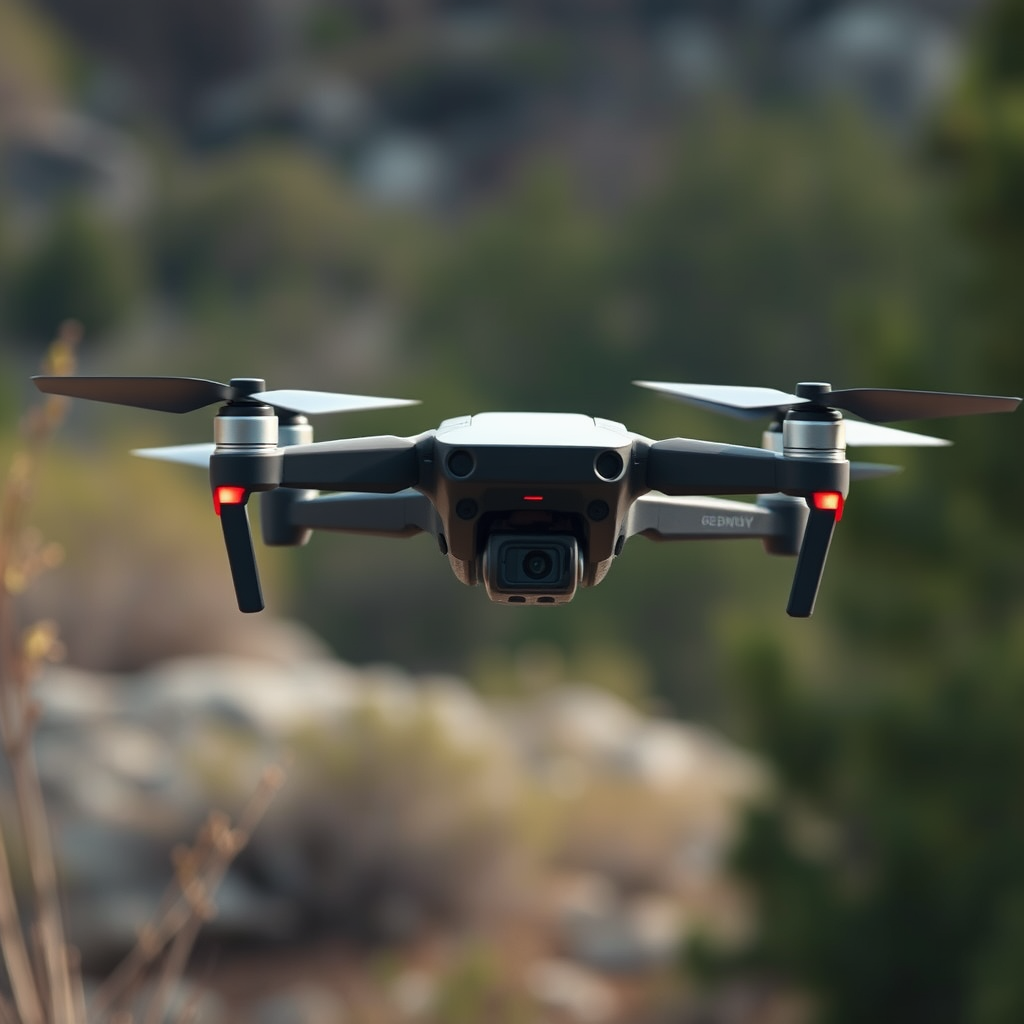
Yes, you can fly a drone in a wilderness area, but there are important regulations and considerations to keep in mind. It is vital to understand the rules imposed by the Federal Aviation Administration (FAA) as well as local and state regulations that may apply. Additionally, drone operators must consider environmental impacts to ensure they are flying responsibly and safely. This blog will delve into the intricacies of flying drones in wilderness areas, covering the necessary regulations, environmental considerations, best practices, and safety tips for drone pilots.
Understanding FAA Regulations
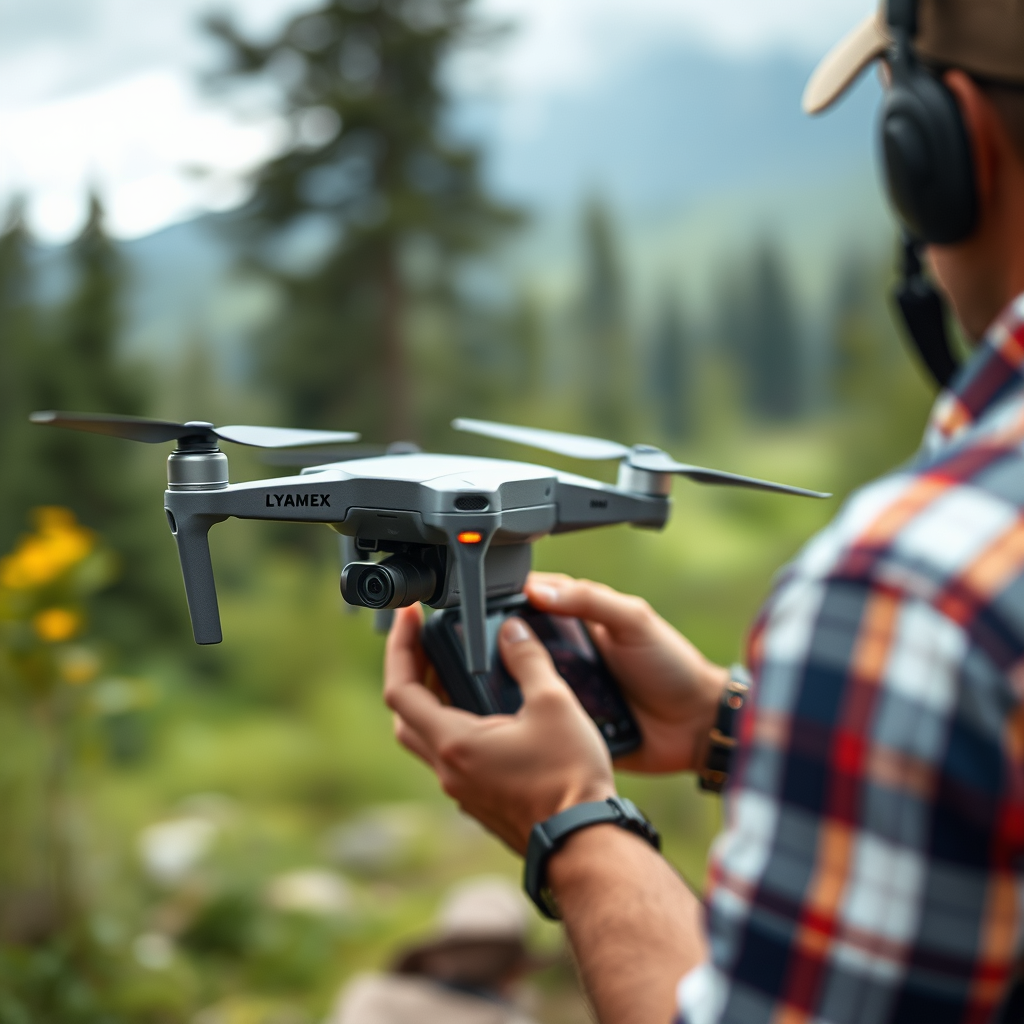
The Federal Aviation Administration (FAA) oversees drone usage in the United States, and its regulations apply even in remote wilderness areas. Pilots must adhere to specific guidelines regarding altitude limits, no-fly zones, and airspace restrictions. For instance, drones cannot be flown higher than 400 feet above ground level unless they are within a 400-foot radius of a structure. Additionally, flying within five miles of an airport requires notifying the airport and air traffic control.
The FAA also designates certain areas as restricted or no-fly zones, which may include military bases, national parks, and wildlife refuges. As a drone pilot, it is crucial to familiarize yourself with these zones and ensure that your flight path does not violate any airspace restrictions. Resources like the FAA’s B4UFLY app can help pilots check airspace classifications and identify potential issues before taking off.
State and Local Laws
In addition to federal regulations, individual states and local jurisdictions may impose additional restrictions regarding drone use in wilderness areas. Some states have enacted specific laws governing drone operations to protect wildlife and natural resources. For example, California has the California Civil Code Section 11362.3, which prohibits the use of drones in certain state parks, including wilderness areas.
It is essential to research and understand the local laws applicable to the area where you plan to fly your drone. Websites of local government agencies or state park services often provide valuable information about regulations and any permits required. Ignoring these local laws can result in fines or other legal repercussions, so it is prudent to be well-informed before taking to the skies.
Environmental Considerations
Flying a drone in wilderness areas can have significant environmental implications. Drones can disturb wildlife, particularly during sensitive periods like nesting seasons, when birds and other animals are most vulnerable. For instance, disturbing a nesting bird can lead to abandonment of eggs or chicks, which can have cascading effects on local ecosystems.
To minimize your impact on natural habitats, it is crucial to maintain a respectful distance from wildlife. The National Park Service recommends keeping at least 100 yards away from most wildlife when flying drones. Additionally, be aware of sensitive ecosystems that may be affected by drone activity, such as wetlands or areas with endangered species. Understanding the ecological dynamics of the area will help you make informed decisions about where and when to fly your drone.
Best Practices for Flying Drones in Wilderness Areas
Adhering to best practices is essential for ensuring a safe and responsible flying experience in wilderness areas. One of the primary rules is to maintain a safe distance from wildlife. This not only protects animals but also helps avoid potential legal issues. If you see wildlife while flying, consider changing your flight path to avoid disturbing them.
Another critical practice is keeping your drone in sight at all times. Many regions require that drone operators maintain line-of-sight control over their aircraft. This helps prevent accidents and ensures you can react quickly to any unforeseen circumstances. Using a visual observer can also aid in maintaining situational awareness, especially in areas with dense vegetation or challenging terrain.
Finally, it is advisable to fly during optimal weather conditions. Wind, rain, and low visibility can significantly impact drone performance and safety. Always check the forecast before your flight and postpone if conditions are unfavorable.
Permits and Permissions
Certain wilderness areas may require permits for drone use. For example, the U.S. Forest Service and the National Park Service have specific guidelines regarding drone operations in their jurisdictions. Before flying, check with the managing agency to determine if you need a special permit and what the application process involves.
If you are unsure about the regulations in a specific area, it is always best to seek permission from local authorities. Engaging with park rangers or local officials can provide you with invaluable insights about the area and any restrictions that may be in place. This proactive approach not only fosters good relationships with managing agencies but also enhances your understanding of responsible drone use.
Safety Tips for Drone Pilots
Conducting pre-flight checks is a crucial aspect of drone safety. Ensure your drone is in good working condition by checking batteries, propellers, and camera equipment. Familiarize yourself with your drone’s flight capabilities and limitations to avoid mishaps during your flight.
Additionally, be mindful of weather conditions that could affect your flight. Drones are sensitive to wind and precipitation, which can lead to loss of control or damage. Always have a contingency plan in place; know when to abort a flight if conditions become unsafe.
Finally, consider using features like “return to home” settings, which can automatically bring your drone back to its launch point if it loses connection or runs low on battery. Such safety mechanisms can prevent loss of equipment and mitigate risks associated with flying in remote areas.
In conclusion, while flying a drone in a wilderness area is possible, it is essential to follow regulations, consider environmental impacts, and prioritize safety. Understanding FAA regulations, local laws, and best practices will help ensure a responsible and enjoyable flying experience. Always do your research beforehand, seek necessary permissions, and respect the natural environment as you embark on your aerial adventures. By being an informed and conscious drone pilot, you can contribute to the preservation of these beautiful wilderness spaces for future generations to enjoy.
Frequently Asked Questions
Can you fly a drone in a wilderness area legally?
Yes, you can legally fly a drone in many wilderness areas, but there are specific regulations that you must follow. The Federal Aviation Administration (FAA) governs drone use in the U.S., and you need to be aware of local and state regulations as well. Some protected areas, such as national parks, may have restrictions against drone usage, so it’s essential to check with the relevant authorities before flying.
What are the regulations for flying a drone in national parks or wilderness areas?
Regulations for flying drones in national parks and wilderness areas often prohibit their use entirely, due to concerns about wildlife disturbance and the preservation of natural landscapes. It’s crucial to review the National Park Service guidelines and check for any special permits required for drone use. Always respect the regulations to avoid fines and ensure the safety of wildlife and other visitors.
How can I find out if a specific wilderness area allows drone flying?
To determine if a specific wilderness area allows drone flying, start by visiting the official website of the managing authority, such as the National Forest Service or the Bureau of Land Management. These sites typically provide information on drone regulations and any required permits. Additionally, local ranger stations can offer the most current and detailed information regarding drone policies in that specific area.
Why should you consider the impact of flying a drone in wilderness areas?
Considering the impact of flying a drone in wilderness areas is vital for environmental preservation and wildlife protection. Drones can disturb animals, disrupt their habitats, and cause stress to both wildlife and other visitors seeking solitude. By being mindful of these impacts, drone operators can help protect natural ecosystems and ensure that these beautiful areas remain undisturbed for future generations.
What are the best practices for flying a drone in a wilderness area?
The best practices for flying a drone in a wilderness area include respecting all local regulations, maintaining a safe distance from wildlife, and flying at a height that minimizes disturbance. Additionally, it’s advisable to avoid flying during sensitive times, such as breeding seasons for birds or other wildlife. Finally, always ensure you have permission if required and leave no trace to preserve the natural environment.
References
- https://www.faa.gov/uas/getting_started/part_107
- https://www.nps.gov/articles/drone-use-in-national-parks.htm
- https://www.wilderness.org/initiatives/drone-use-wilderness-areas
- https://www.fs.usda.gov/visit/know-before-you-go/drone-use
- https://www.nytimes.com/2021/04/20/science/drone-wilderness-areas.html
- https://www.nasa.gov/feature/nasa-s-drones-in-the-wilderness
- https://www.wildlife.org/wildlife-management/drones-in-wildlife-research/
- https://www.nrc.gov/docs/ML1212/ML12120A095.pdf
- https://www.theguardian.com/environment/2020/aug/19/drones-use-in-wildlife-conservation-raises-ethical-questions
