
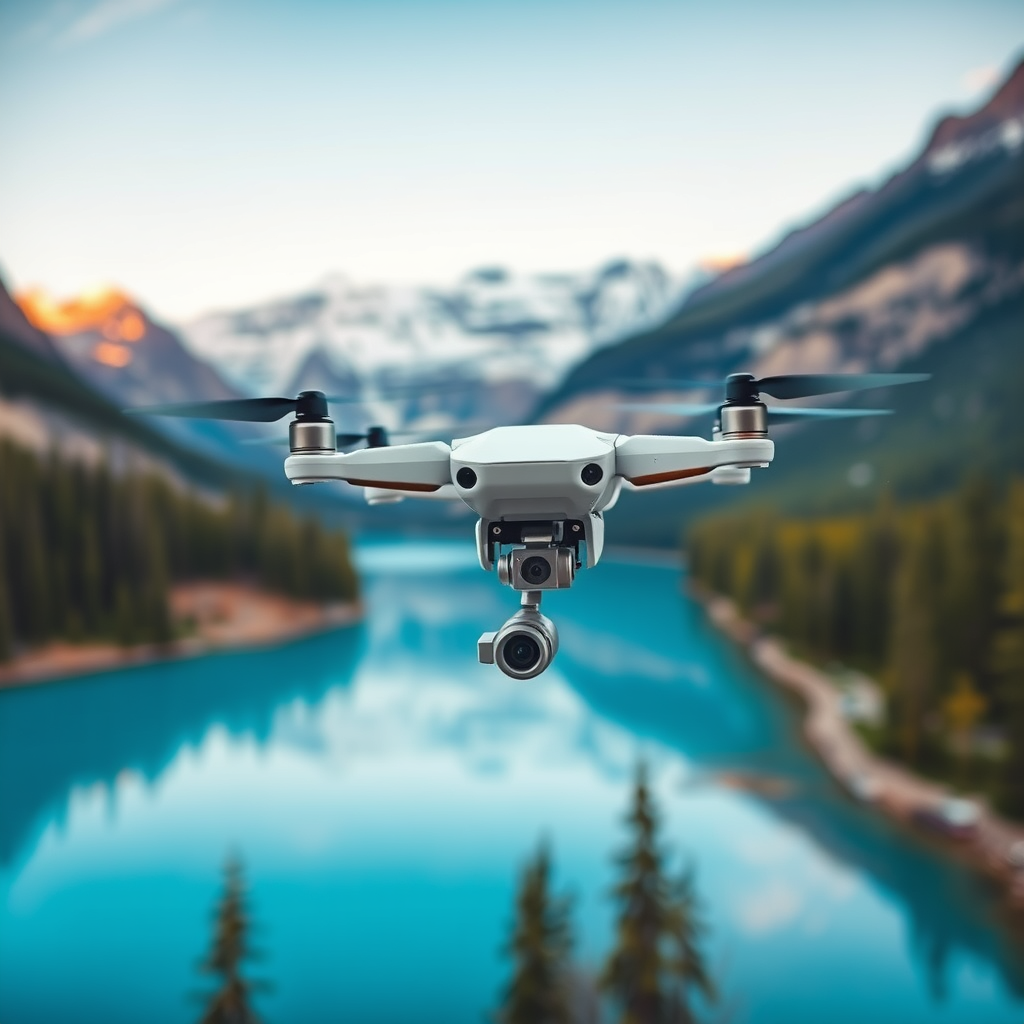
Yes, you can fly a drone in Banff, but there are strict regulations and guidelines that must be followed to ensure safety and compliance with local laws. As one of Canada’s most breathtaking national parks, Banff attracts visitors from around the world, and understanding the rules governing drone operation here is essential for both respecting the environment and enhancing your aerial photography experience. This article will explore the regulations, designated flying areas, wildlife considerations, safety measures, and necessary permits, all aimed at helping drone enthusiasts navigate the complexities of flying in this stunning natural setting.
Regulations Governing Drone Use
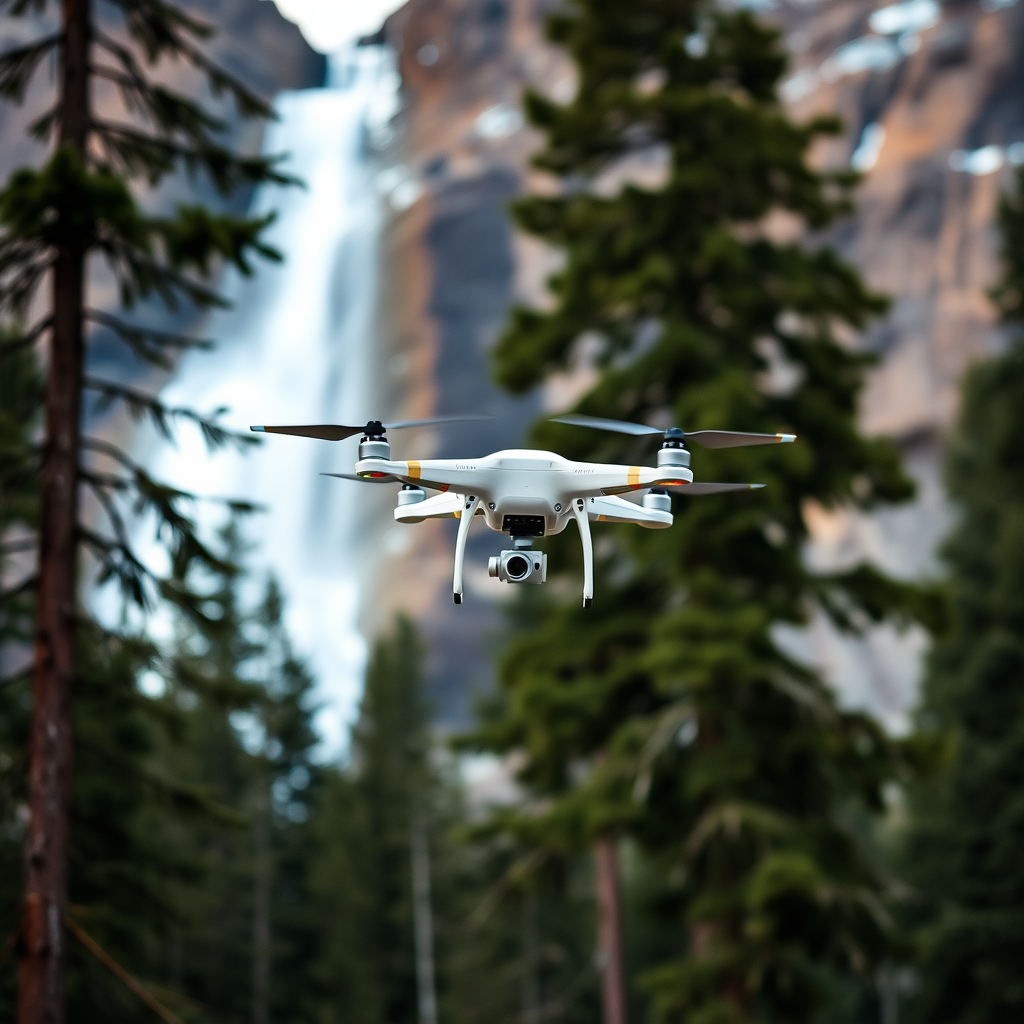
Drone operation in Canada is regulated by Transport Canada, which mandates that all unmanned aerial vehicles (UAVs) must be registered and operated under specific rules. This includes adhering to the Canadian Aviation Regulations (CARs), which require drone operators to pass a test and obtain a pilot certificate for the operation of drones weighing over 250 grams. In Banff National Park, these regulations are further complemented by specific policies set forth by Parks Canada.
It’s crucial to note that certain areas within Banff National Park may have restrictions or outright bans on drone flying. For instance, regions close to visitor centers, campgrounds, and sensitive ecological areas are often designated as no-fly zones. Operators must familiarize themselves with the latest maps and guidelines provided by Parks Canada to ensure compliance and avoid penalties. Regular monitoring of Transport Canada and Parks Canada websites for updates is a practical approach to staying informed about any changes in regulations.
Designated Flying Areas
While drone flying is restricted in many parts of Banff, there are designated areas where enthusiasts can operate their UAVs legally and responsibly. These locations are typically chosen to minimize disturbances to wildlife and other visitors. Examples of such areas include certain remote locations within the park that are less frequented by tourists.
Before planning your drone flight, it’s advisable to check updated local maps and resources, such as those provided by Parks Canada. Many drone operators find success in using the Alberta Drone Mapping App, which offers detailed information about flying conditions, no-fly zones, and designated areas for safe drone operation. By utilizing these resources, drone pilots can ensure they are flying in allowed zones while enjoying the scenic vistas that Banff has to offer.
Wildlife and Environmental Considerations
Banff National Park is home to diverse wildlife, including bears, elk, and various bird species. Flying drones near wildlife can disturb these animals, leading to stress, altered behaviors, or displacement from their natural habitats. Therefore, maintaining a safe distance—typically a minimum of 300 meters from wildlife—is essential for both the safety of the animals and the integrity of the ecosystem.
Moreover, drone operators should be aware of sensitive environmental areas, such as nesting sites or habitats for endangered species. Respecting these zones not only complies with legal requirements but also reflects responsible stewardship of the natural environment. Consideration for wildlife and the ecosystem should be a priority for all drone pilots, as the goal is to capture the beauty of Banff while minimizing human impact on its flora and fauna.
Safety Measures for Drone Pilots
Safety is paramount when operating drones, especially in a national park like Banff, where the landscape can be rugged and unpredictable. One of the fundamental safety measures is to always maintain a visual line of sight with your drone. This ensures that you can keep track of its position and respond quickly in case of malfunctions or emergencies.
Additionally, avoiding flying over crowds or populated areas is crucial to prevent accidents and ensure the safety of other park visitors. Drone pilots should also be mindful of weather conditions; high winds or low visibility can pose significant risks. Engaging with local weather resources and planning flights during favorable conditions can help mitigate these risks.
Finally, using a drone with built-in safety features, such as GPS stabilization and automatic return-to-home functions, can enhance operational safety. Pilots should also perform pre-flight checks to ensure their equipment is functioning correctly and that they are familiar with the drone’s controls and features.
Permits and Permissions
For commercial drone use—such as aerial photography for business purposes—operators must obtain the necessary permits from Parks Canada. This often involves a detailed application process that may include providing proof of insurance, a flight plan, and evidence of compliance with all safety and environmental regulations.
Recreational users may also need to apply for specific permissions in certain areas of the park, particularly if they intend to fly in popular spots or around sensitive environments. Engaging with Parks Canada prior to your visit to inquire about requirements can streamline the process and ensure compliance with local laws.
It’s advisable to have all necessary documentation readily available, as park officials may conduct inspections to verify compliance with regulations. Understanding these requirements well in advance can prevent any disruptions to your plans while ensuring that your drone activities are lawful and responsible.
Local Drone Communities and Resources
Joining local drone clubs or online forums can be an invaluable way to connect with fellow enthusiasts who share your interests in aerial photography and drone technology. These communities often provide insights into the best flying spots, equipment recommendations, and firsthand experiences navigating the regulations specific to Banff.
Additionally, utilizing resources from Parks Canada can help drone pilots stay updated on regulations, safety protocols, and any changes to designated flying areas. Parks Canada frequently releases guidelines and advisories that can enhance your understanding of responsible drone operation in national parks. Engaging with these resources ensures you remain informed and can enjoy your drone flying experience to the fullest while respecting the park’s natural beauty.
In conclusion, while flying a drone in Banff is indeed possible, it comes with significant responsibilities that every operator must uphold. By familiarizing yourself with the regulations, respecting wildlife and the environment, adhering to safety measures, and securing the necessary permits, you can responsibly enjoy the breathtaking views from above. Always check for the latest updates before your visit to ensure a smooth and compliant drone flying experience in one of Canada’s most cherished natural landscapes.
Frequently Asked Questions
Can you fly a drone in Banff National Park?
Flying a drone in Banff National Park is generally prohibited due to strict regulations aimed at protecting wildlife and preserving the natural environment. The park is a sensitive ecosystem, and the use of drones can disturb animals and disrupt the serene experience for visitors. It’s essential to check the official Parks Canada website for the most current regulations and guidelines before planning your drone activities.
What are the penalties for flying a drone illegally in Banff?
If you fly a drone illegally in Banff, you may face significant penalties, including fines that can range from several hundred to several thousand dollars. In addition to monetary fines, your drone could be confiscated, and you might be subject to further legal action. It’s crucial to adhere to all local regulations to avoid these consequences and ensure responsible drone use.
How can I find out where I can legally fly a drone near Banff?
To find out where you can legally fly a drone near Banff, consult the regulations set by Transport Canada as well as the local bylaws from Parks Canada. There are designated areas outside the national park where drone flying is permitted, such as certain open spaces and private lands. Websites like the Canadian Drone Registry and local drone flying communities can also provide valuable information on legal flying locations near Banff.
Why are drones banned in Banff National Park?
Drones are banned in Banff National Park primarily to protect wildlife and maintain the park’s natural beauty. The noise and presence of drones can disturb animals, particularly during sensitive breeding seasons, and can negatively impact the experience of other visitors seeking tranquility in nature. These regulations are in place to ensure the preservation of the park’s unique ecosystem for future generations.
What are the best alternatives to using a drone for photography in Banff?
If you’re looking for alternatives to using a drone for photography in Banff, consider hiring a professional photographer who specializes in landscape photography or exploring viewpoints that are accessible on foot or by vehicle. Additionally, using high-quality cameras or smartphones can yield impressive results without the need for aerial photography. Engaging in guided tours that offer unique perspectives of the park’s stunning scenery can also enhance your photography experience while complying with regulations.
References
- https://www.pc.gc.ca/en/pn-np/ab/banff/visit/visit-activites-activities/drone
- https://www.canada.ca/en/environment-climate-change/services/air-pollution/drone-use-parks.html
- https://www.banff.ca/DocumentCenter/View/2439/Drone-Use-in-Banff-National-Park-PDF
- https://www.cbc.ca/news/canada/calgary/drone-banff-national-park-1.4381937
- https://www.theglobeandmail.com/canada/alberta/article-drone-use-in-national-parks/
