
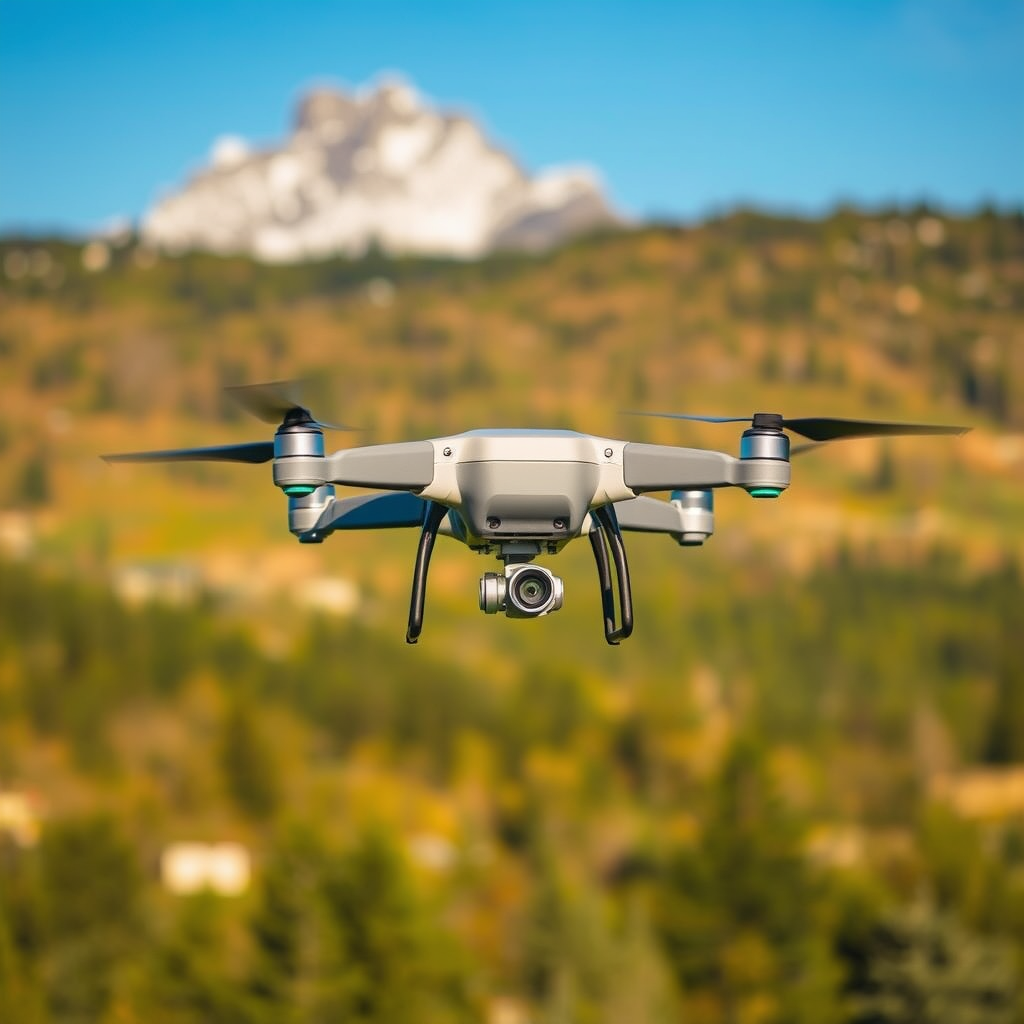
Yes, you can fly a drone in Canada, but there are specific regulations and guidelines you must follow to ensure safety and compliance. The Canadian government has established comprehensive rules that govern drone operation, making it crucial for both recreational and commercial users to understand and adhere to these regulations. This article will guide you through the necessary steps and requirements for flying a drone legally in Canada, ensuring that your flying experience is both enjoyable and lawful.
Understanding Canadian Drone Regulations
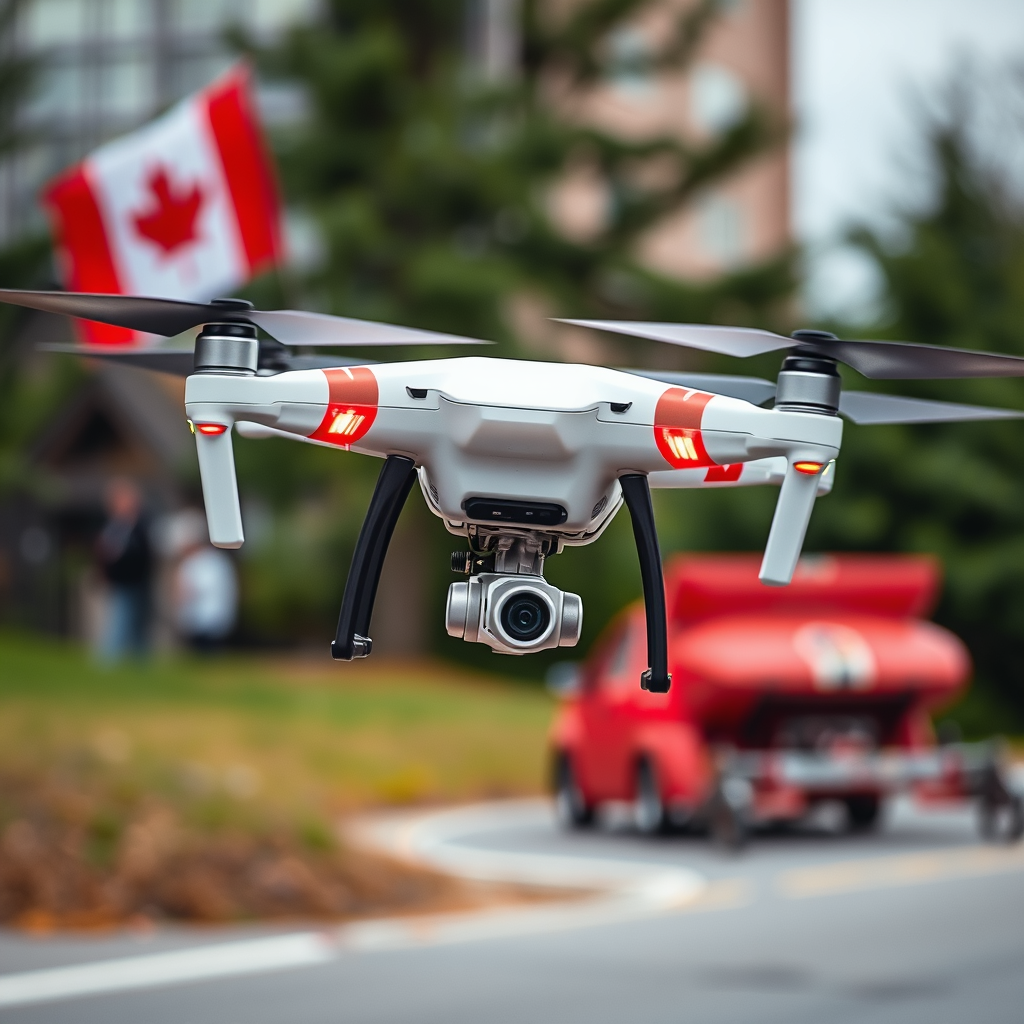
Transport Canada is the governing body for drone regulations in Canada, tasked with overseeing the safety and integration of drones into the national airspace. The regulations are designed to ensure safe operations, minimize risks to people and property, and protect privacy. One of the key requirements is that drones weighing over 250 grams must be registered and marked with a unique identification number. This registration process helps authorities track drone users and enforce regulations effectively.
For example, if you own a drone that weighs 300 grams, you must complete the registration process through Transport Canada’s online portal, providing necessary details such as your name, address, and the drone’s serial number. Failure to register a drone can result in fines and penalties, emphasizing the importance of compliance from the outset.
Types of Drone Operations
When it comes to drone operations in Canada, there are two primary categories: recreational flying and commercial flying.
Recreational flying is meant for hobbyists and enthusiasts who fly drones for personal enjoyment. However, even for recreational purposes, operators must adhere to specific guidelines, such as flying below 122 meters (400 feet), keeping the drone within visual line of sight, and avoiding restricted areas like airports and populated regions.
On the other hand, commercial flying involves using drones for business purposes, which entails additional requirements. Operators must obtain a Special Flight Operations Certificate (SFOC) from Transport Canada, outlining their intended operations and safety measures. In certain scenarios, commercial pilots may also need to demonstrate their proficiency through training or certification programs tailored to specific drone applications.
Pilot Certification Requirements
To ensure that drone operators are capable of flying safely and responsibly, Canada has established a pilot certification framework. The Basic Pilot Certificate is necessary for flying drones under certain conditions, such as flying outside of controlled airspace and not over people. Obtaining this certificate involves passing an online exam that tests your knowledge of airspace rules, weather considerations, and safe flying practices.
For more complex operations, an Advanced Pilot Certificate is required. This certification allows pilots to fly drones in controlled airspace, closer to people and buildings, and during nighttime operations. To achieve an Advanced Pilot Certificate, candidates must not only pass a written exam but also complete a practical flight review with an accredited examiner. This rigorous process ensures that pilots are well-prepared to handle a variety of flying conditions and scenarios.
No-Fly Zones and Restrictions
Understanding no-fly zones and restrictions is vital for all drone pilots in Canada. Certain areas are designated as prohibited zones due to safety concerns or sensitive environments. Common examples of no-fly zones include schools, airports, and national parks. Transport Canada provides a comprehensive list of these areas, and drone pilots must actively consult this information before taking flight.
Additionally, temporary flight restrictions may be implemented during special events, emergencies, or other situations that require enhanced airspace security. It is the pilot’s responsibility to stay informed about any changes to airspace regulations and to comply with these restrictions to avoid potential conflicts and safety hazards.
Safety Guidelines for Flying Drones
Safety is paramount when operating a drone, and adhering to established safety guidelines can help prevent accidents and ensure a positive flying experience. One fundamental guideline is to maintain visual line of sight with your drone at all times. This means you should be able to see the drone without the use of binoculars or other aids, which helps you avoid obstacles and control the drone effectively.
Respecting privacy is another essential aspect of drone operation. It is advisable to avoid flying over private property without the owner’s permission, as this could lead to privacy violations and potential legal issues. Additionally, being aware of your surroundings and avoiding crowded areas can help mitigate risks associated with drone flight.
Consequences of Non-Compliance
Failing to comply with drone regulations in Canada can result in serious consequences. Transport Canada has the authority to impose fines and penalties for violations, which can range from a few hundred dollars to thousands, depending on the severity of the infraction. For instance, flying in a no-fly zone can lead to hefty fines, not to mention the potential risks associated with unsafe operations.
Moreover, there can be legal repercussions beyond financial penalties. If a drone accident occurs—such as a crash that injures a person or damages property—the pilot could face civil lawsuits. Such legal actions can be costly and damaging to an individual’s reputation, underscoring the importance of adhering to all regulations and guidelines.
Resources for Drone Pilots in Canada
For drone pilots in Canada, staying informed about regulations, guidelines, and best practices is crucial. One of the best resources available is the Transport Canada website, where users can find official guidelines, updates on drone regulations, and information about registration and certification processes.
Additionally, engaging with drone community forums can provide valuable insights and support from fellow pilots. These forums often feature discussions on various topics, including drone technology, safety tips, and personal experiences, allowing pilots to learn from one another and enhance their flying skills.
In conclusion, flying a drone in Canada is possible, provided you adhere to the established regulations and guidelines. Whether for recreation or commercial purposes, it’s crucial to stay informed and compliant to ensure safe and enjoyable flying experiences. If you’re planning to fly, be sure to check the latest rules and obtain the necessary certifications to enhance your flying experience while contributing to the safety of the airspace.
Frequently Asked Questions
What are the regulations for flying a drone in Canada?
In Canada, drone operations are regulated by Transport Canada, and there are two main categories: Basic and Advanced operations. Basic operations require drones to be flown below 400 feet, away from people and built-up areas, while Advanced operations allow for more flexibility but require a special certificate. Pilots must also register their drones if they weigh between 250 grams and 25 kilograms, and they should adhere to local laws regarding privacy and airspace restrictions.
How can I obtain a drone pilot certificate in Canada?
To obtain a drone pilot certificate in Canada, you must first complete a knowledge test that covers the rules and regulations of drone operation. For Basic operations, you can take the test online through Transport Canada’s website. For Advanced operations, you will need to pass the online test and demonstrate your flying skills through a practical flight review with a qualified examiner. Ensure you familiarize yourself with the Drone Pilot Competency Framework to prepare effectively.
Why is drone registration important in Canada?
Drone registration in Canada is crucial for ensuring safety in the airspace and accountability for drone pilots. Registering your drone allows authorities to identify the owner in case of accidents or breaches of regulations, helping to maintain public safety. Additionally, it ensures that pilots are aware of their responsibilities and legal requirements, reducing the risk of accidents and promoting responsible drone use.
Which areas are prohibited for drone flying in Canada?
In Canada, drone flying is prohibited in various sensitive areas, including near airports, military bases, and national parks. Specific no-fly zones are established to protect both people and wildlife. To find out where you can and cannot fly, it is advisable to check the NAV CANADA website for up-to-date information on restricted airspace and consult local regulations to avoid fines and potential legal issues.
What are the best practices for flying a drone safely in Canada?
To fly a drone safely in Canada, always perform a pre-flight check to ensure your equipment is functioning correctly and that your battery is adequately charged. Maintain a visual line of sight with your drone at all times, avoid flying over crowds, and respect privacy by not capturing images or videos of individuals without their consent. Additionally, stay updated on weather conditions and adhere to all Transport Canada regulations to ensure a safe and enjoyable flying experience.
References
- https://www.canada.ca/en/transport-canada/services/drone-safety.html
- https://www.tc.gc.ca/en/services/drone-safety.html
- https://en.wikipedia.org/wiki/Unmanned_aerial_vehicle#Regulations_in_Canada
- https://www.cbc.ca/news/canada/drone-regulations-1.5708499
- https://www.faa.gov/uas/getting_started/what_is_a_drone
- https://www.theglobeandmail.com/business/technology/article-drone-regulations-in-canada-what-you-need-to-know/
- https://www.cta-otc.gc.ca/en/faq/drone-regulations-canada
- https://www.ontario.ca/page/flying-drones-ontario
