

Yes, you can fly a drone in Class G airspace, as it is typically uncontrolled airspace where no air traffic control clearance is required. However, it is crucial to adhere to specific regulations and best practices to ensure the safety of your flight operations. Understanding the nuances of Class G airspace, including its rules and limitations, will enable drone pilots to operate effectively while minimizing risks associated with their flights.
Understanding Class G Airspace
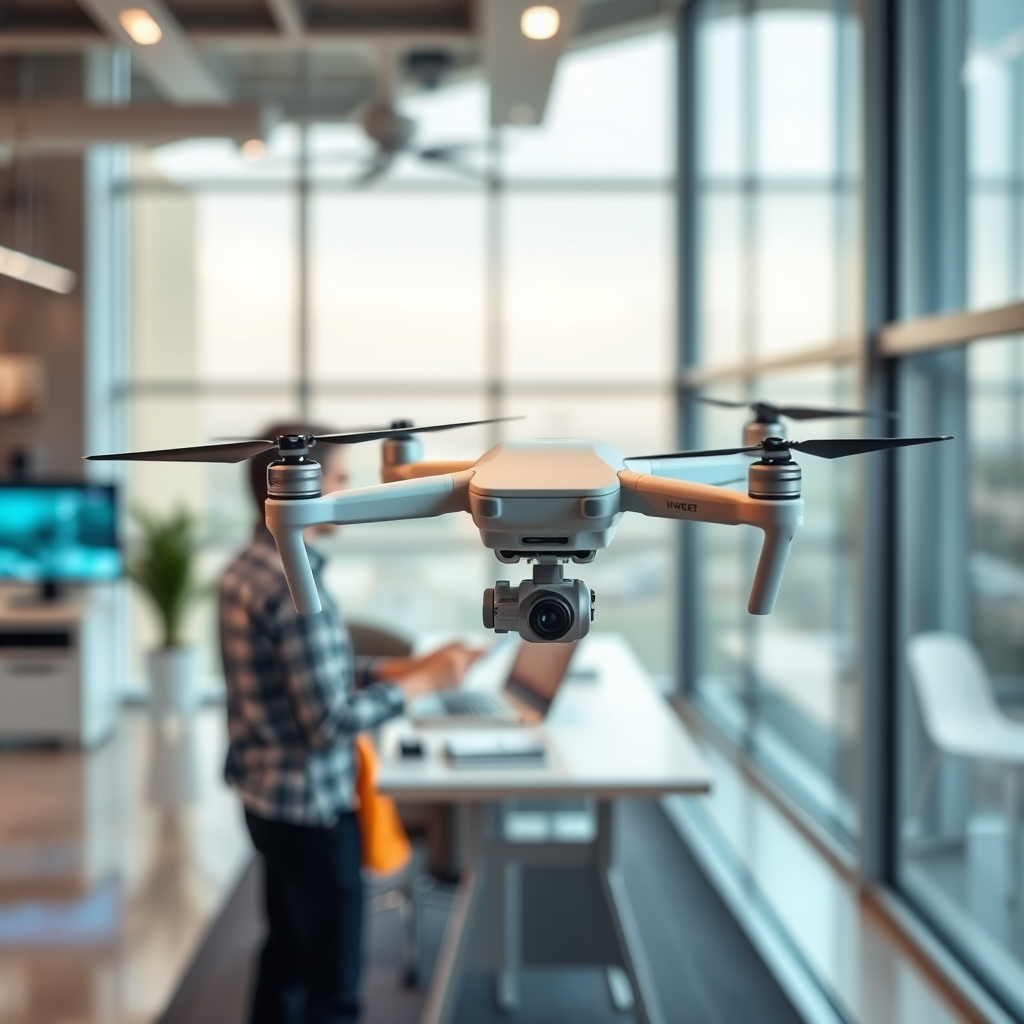
Class G airspace is defined as uncontrolled airspace that extends from the surface up to 14,500 feet above sea level. Unlike controlled airspace, where air traffic control (ATC) provides guidance and clearance, Class G airspace allows pilots to operate without direct oversight from ATC. This type of airspace is often found in rural areas or regions where air traffic is minimal. Pilots flying drones in Class G airspace must maintain visual line of sight (VLOS) with their aircraft at all times. This is a critical requirement that ensures the pilot can see and avoid any obstacles or other aircraft, thereby enhancing safety during operations.
In addition to VLOS, it is important for drone pilots to be aware of their surroundings and the airspace they are operating in. Understanding the boundaries of Class G airspace, as well as its proximity to other classes of airspace, is essential for safe flight operations. Pilots should utilize aeronautical charts and smartphone applications to stay informed about the airspace classifications and any potential changes.
Regulatory Framework for Drones
The Federal Aviation Administration (FAA) is the primary regulatory authority overseeing drone operations in the United States. Under the FAA’s guidelines, there are distinct rules for recreational and commercial drone pilots. Commercial pilots must adhere to Part 107 of the Federal Aviation Regulations (FAR), which outlines the necessary certifications, operational limitations, and safety protocols for flying drones for business purposes. This includes requirements such as obtaining a Remote Pilot Certificate and ensuring that the drone is registered.
On the other hand, hobbyists flying drones for recreational purposes must follow a different set of guidelines. While they do not require a Remote Pilot Certificate, they must comply with the FAA’s safety guidelines, including flying within visual line of sight, not exceeding 400 feet in altitude, and avoiding airspace around airports. Familiarizing oneself with these regulations is key to ensuring compliance and mitigating the risk of penalties or fines.
Height Limitations for Drone Operations
In Class G airspace, drones are generally limited to a maximum altitude of 400 feet above ground level (AGL). This altitude restriction is designed to reduce the risk of collisions with manned aircraft, which typically operate at higher altitudes. For instance, if a drone pilot is flying in a hilly area, they must ensure that their drone remains below 400 feet AGL, regardless of the elevation of the surrounding terrain.
If a pilot wishes to operate above this height, they must obtain special permissions through a Part 107 waiver from the FAA. This process requires a detailed explanation of the intended operation and safety measures that will be implemented. It is essential for pilots to understand these altitude limitations, as exceeding them can lead to dangerous situations and legal repercussions.
Weather Considerations in Class G Airspace
Weather plays a significant role in the safety of drone operations, particularly in Class G airspace, which can exhibit variable weather conditions. Pilots must conduct thorough weather assessments before each flight, taking into account factors such as visibility, wind speed, and precipitation. For example, flying in foggy or low-visibility conditions can significantly increase the risk of losing sight of the drone, while high winds can make controlling the aircraft challenging.
To ensure safe flight operations, drone pilots should utilize weather forecasting tools and apps that provide real-time updates on local conditions. Additionally, monitoring any sudden changes in weather during a flight is crucial for making informed decisions about whether to continue or land the drone safely.
Safety Protocols While Flying
Implementing safety protocols is imperative for drone pilots operating in Class G airspace. One of the most important practices is maintaining a safe distance from people, buildings, and other aircraft. The FAA recommends a minimum horizontal distance of 500 feet from people and 2000 feet from large gatherings. This distance helps to mitigate risks associated with potential accidents or loss of control.
Furthermore, conducting a pre-flight checklist is essential to ensure the drone is in good working condition. This checklist should include inspecting the drone’s battery levels, checking the functionality of the propellers, and calibrating the GPS system. Having a systematic approach to pre-flight checks can significantly reduce the chances of in-flight failures and enhance overall safety.
Local Restrictions and No-Fly Zones
Before flying in Class G airspace, it is crucial for drone pilots to check for local regulations and any temporary flight restrictions (TFRs) that may apply. Certain locations, such as near airports, military bases, and national parks, may have additional restrictions even within Class G airspace. For example, the FAA has established no-fly zones around major airports to protect manned aircraft operations, and drone pilots must be aware of these boundaries.
Using apps like B4UFLY or similar flight planning tools can help pilots stay informed about airspace restrictions and TFRs. It is the responsibility of the pilot to ensure they are compliant with all local laws and regulations to avoid potential fines and ensure safe operations.
Best Practices for Flying Drones in Class G Airspace
To ensure successful and safe drone operations in Class G airspace, pilots should adopt best practices that enhance their flying experience. Staying informed about air traffic in the vicinity is crucial, and utilizing flight planning tools can provide valuable insights into nearby airspace activity. This awareness can prevent potential conflicts and ensure a smoother flight experience.
Additionally, joining local drone clubs or communities can be beneficial for pilots seeking to improve their knowledge and skills. Sharing experiences and tips with fellow drone enthusiasts can help new pilots learn from more experienced operators. Networking within these communities can also provide valuable insights into local regulations and best practices.
Flying a drone in Class G airspace can be a rewarding experience, provided you adhere to the regulations and safety guidelines. By understanding the airspace classification, regulatory framework, and safety protocols, drone pilots can operate confidently and responsibly. Always stay informed, prepared, and engaged with the drone community to ensure safe and compliant operations.
Frequently Asked Questions
Can you fly a drone in Class G airspace?
Yes, you can fly a drone in Class G airspace, as it is generally considered uncontrolled airspace. This means that drone operators do not need to obtain air traffic control clearance to operate within this airspace. However, it is essential to adhere to FAA regulations regarding altitude limits and maintain visual line-of-sight with the drone.
What are the altitude restrictions for flying a drone in Class G airspace?
In Class G airspace, drone operators are typically allowed to fly up to 400 feet above ground level (AGL) when flying away from structures. If you are flying near a building, you can operate up to 400 feet above the height of that structure. Always check local regulations as they may impose additional restrictions.
How do weather conditions affect drone flying in Class G airspace?
Weather conditions play a significant role in drone operations in Class G airspace. Since this airspace is uncontrolled, pilots must ensure they can maintain visual line-of-sight with their drone and comply with VFR (Visual Flight Rules) regulations. Poor visibility, strong winds, or inclement weather can restrict safe flying conditions, making it crucial to check weather forecasts before flying.
Why is it important to understand airspace classifications when flying a drone?
Understanding airspace classifications, including Class G airspace, is vital for drone safety and compliance with FAA regulations. Each airspace class has specific rules regarding flying, which can help prevent accidents and ensure safe coexistence with manned aircraft. Knowledge of airspace classifications also reduces the likelihood of legal issues arising from unauthorized drone operations.
Which drone regulations should I follow when flying in Class G airspace?
When flying a drone in Class G airspace, you must follow several key regulations set by the FAA. These include flying below 400 feet AGL, maintaining visual line-of-sight, avoiding restricted areas, and not flying near airports without proper notification. Additionally, if you are flying for commercial purposes, you must hold a valid Part 107 Remote Pilot Certificate.
References
- https://www.faa.gov/uas/getting_started/part_107
- https://www.faa.gov/air_traffic/publications/media/FAA-H-8083-30A.pdf
- https://en.wikipedia.org/wiki/Airspace#Class_G
- https://www.dronepilotgroundschool.com/drone-airspace-classifications/
- https://www.knowbeforeyoufly.org/
- https://www.nasa.gov/aeroresearch/programs/uas/airspace-management
- https://www.aviation.govt.nz/assets/publications/airspace-and-drones-in-new-zealand.pdf
- https://www.aopa.org/news-and-media/all-news/2021/march/10/drone-flying-in-class-g-airspace
