
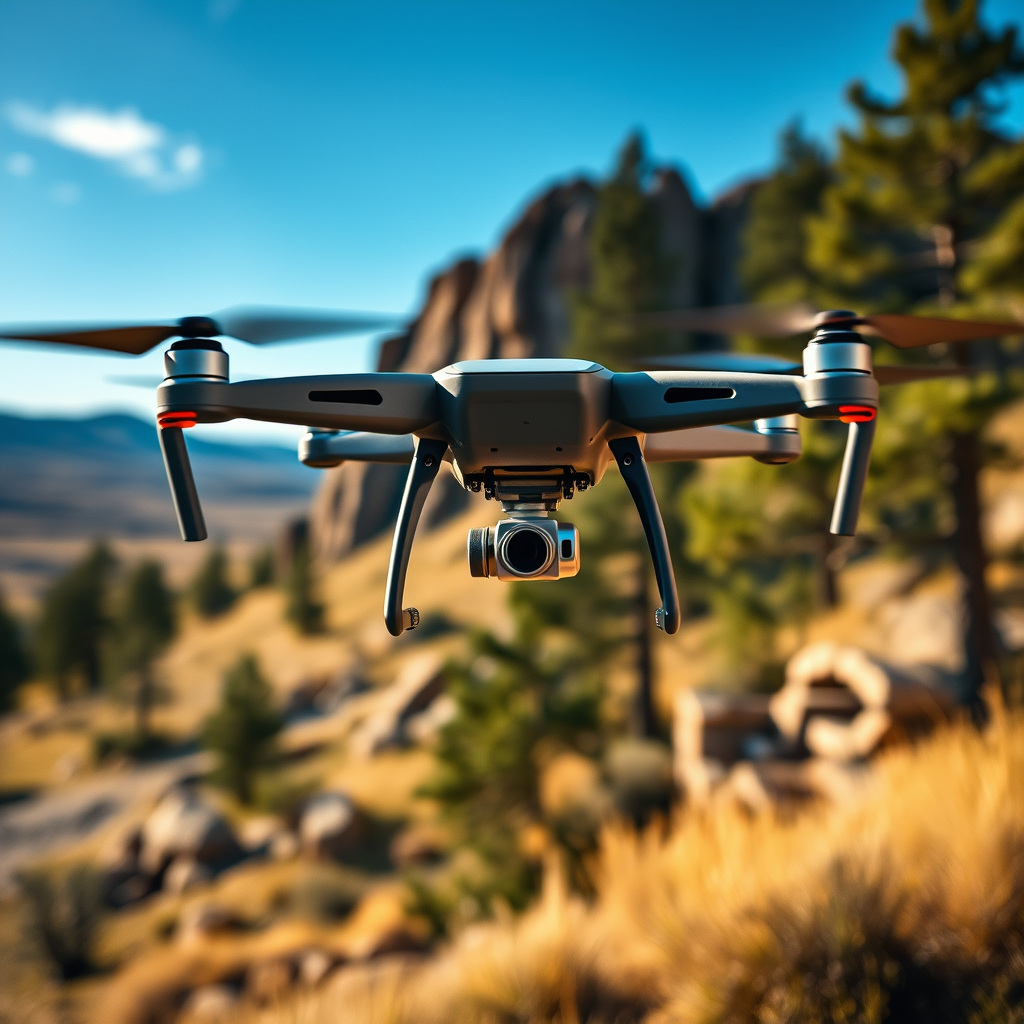
Yes, you can fly a drone in Custer State Park, but there are specific regulations and guidelines you must follow to ensure safety and compliance. As one of South Dakota’s most picturesque destinations, Custer State Park offers a unique opportunity for drone enthusiasts to capture breathtaking aerial views of its stunning landscapes. However, it is crucial to understand both federal and park-specific regulations to ensure an enjoyable and responsible flying experience.
Understanding the Regulations

When it comes to flying drones in Custer State Park, you must adhere to federal regulations established by the Federal Aviation Administration (FAA). These regulations include guidelines for drone registration, altitude restrictions, and no-fly zones. For instance, drones must be flown below 400 feet and within the operator’s line of sight at all times. This means that while you may be tempted to capture sweeping vistas from higher altitudes, doing so could lead to safety issues and potential legal consequences.
In addition to FAA regulations, Custer State Park has implemented its own set of rules governing drone usage. These park-specific regulations aim to preserve the natural beauty and tranquility of the area while ensuring visitor safety. For example, flying drones is generally prohibited in certain sensitive areas, such as near campgrounds, picnic areas, and wildlife habitats. It is essential to familiarize yourself with these regulations before your visit to avoid any inadvertent violations.
Permitted Areas for Drone Flight
In Custer State Park, there are designated areas where drone flying is permitted. Typically, these areas are far from congested spots such as visitor centers and campgrounds, where drone activity could pose a risk to park visitors and wildlife. Popular locations for drone enthusiasts include open spaces away from trails and high-density visitor zones, such as the park’s scenic overlooks.
However, it’s important to check for any seasonal restrictions or special events that may further limit flight areas. For example, during specific wildlife mating seasons or hunting seasons, certain zones may be restricted to protect the animals and their habitats. Before launching your drone, always consult the park’s official website or contact park authorities for the latest information on permitted zones and any temporary flight restrictions.
Required Permits and Permissions
While many drone activities within Custer State Park may not require a special use permit, there are instances where obtaining permission is necessary. If you plan to use your drone for commercial purposes, such as filming or photography for profit, you will need to acquire a special use permit from the park authorities. This process typically involves submitting an application detailing your intended use, the specific dates of your activity, and proof of insurance.
The application process can take several weeks, so it is advisable to plan well in advance of your intended flight dates. Additionally, be prepared to comply with any additional requirements set forth by the park, such as attending a briefing on park regulations and safety protocols.
Safety Guidelines for Flying Drones
Ensuring safety is paramount when flying a drone in Custer State Park. First and foremost, maintain a safe distance from wildlife and other park visitors. Disturbing animals, especially during sensitive times like breeding seasons, can have detrimental effects on local populations. The park is home to diverse species, including bison, elk, and prairie dogs, which may react negatively to the presence of drones.
Additionally, always keep your drone within visual line of sight. This is not only a federal requirement but also a key safety practice that helps prevent collisions with other aircraft or obstacles. Utilizing a spotter can also enhance safety by allowing you to focus on flying while someone else keeps an eye on the drone’s surroundings.
Respecting Nature and Wildlife
Drones can significantly impact the local ecosystem, particularly through noise pollution and the potential disruption of wildlife. As such, it is vital to understand the effects that drone operation can have on animals and their habitats. For instance, the loud buzzing noise of a drone can startle wildlife, leading them to flee from their natural habitats or disrupt their feeding and mating behaviors.
To minimize disturbances, consider flying your drone during times when wildlife activity is lower, such as early mornings or late evenings. Furthermore, be aware of your surroundings and adjust your flight path to avoid areas with high concentrations of wildlife. Respecting nature not only ensures a more enjoyable experience for you but also contributes to the preservation of the park’s natural beauty.
Best Practices for Drone Photography
Capturing stunning aerial shots in Custer State Park requires a thoughtful approach that balances creativity with responsibility. To achieve breathtaking photographs while minimizing your impact on the environment, consider the following best practices:
1. Optimal Times for Flying: The best times to fly your drone are during the golden hours—early morning or late afternoon—when natural lighting creates softer shadows and enhances colors. These times also tend to have less wind, leading to smoother flights.
2. Composition and Angles: Experiment with different angles and compositions to capture the park’s diverse landscapes. Utilize the natural formations, such as the Needles or the sprawling plains, to create unique perspectives that highlight the beauty of the area.
3. Post-Processing: Once you have captured your images, use photo editing software to enhance the colors and details without over-processing. This will help maintain the natural look of the park and showcase its true beauty.
By adhering to these practices, drone operators can create stunning visual narratives that celebrate the magnificence of Custer State Park while maintaining a respectful distance from the natural environment.
Consequences of Violating Drone Rules
Failing to comply with drone regulations in Custer State Park can lead to serious consequences, including fines, penalties, and even the confiscation of your drone. The park authorities take violations seriously, as they can jeopardize the safety of visitors and the integrity of wildlife habitats. For example, flying a drone in prohibited areas can result in substantial fines, which may vary depending on the severity of the infraction.
Additionally, non-compliance with FAA regulations can lead to further legal repercussions, including the suspension of your drone pilot certificate. To avoid these consequences, it is vital to familiarize yourself with all applicable rules and guidelines and to operate your drone responsibly while respecting the park’s natural environment.
In conclusion, while flying a drone in Custer State Park is allowed, it is essential to adhere to both federal and park-specific regulations to ensure a safe and enjoyable experience. Understanding the regulations, respecting nature, and following best practices not only enhance your own drone flying experience but also help protect the park’s unique ecosystem for future generations. Always check for the most current guidelines before your visit and be a responsible steward of the environment.
Frequently Asked Questions
Can you fly a drone in Custer State Park?
Yes, you can fly a drone in Custer State Park, but there are specific regulations and restrictions you need to be aware of. Drones are generally allowed in the park for recreational purposes, provided you adhere to the Federal Aviation Administration (FAA) guidelines and park-specific rules. Always check the latest regulations on the park’s official website before your visit, as policies may change.
What are the drone regulations at Custer State Park?
The drone regulations at Custer State Park require that you follow both state and federal laws, including FAA regulations. You must keep your drone within your line of sight, fly below 400 feet, and avoid flying over crowds or wildlife. Additionally, it’s essential to obtain any necessary permits for commercial drone use, as these may differ from recreational guidelines.
Why are there restrictions on flying drones in Custer State Park?
Restrictions on flying drones in Custer State Park are primarily in place to protect wildlife and the natural environment. Drones can disturb animals, particularly in sensitive areas, and can pose safety risks to park visitors. By adhering to these regulations, you help maintain the park’s ecosystem and ensure a safe experience for everyone.
What is the best time to fly a drone in Custer State Park?
The best time to fly a drone in Custer State Park is during early morning or late afternoon when the lighting is optimal for photography and fewer visitors are present. Additionally, these times often coincide with more active wildlife, allowing you to capture stunning aerial views. Always check the weather conditions before your flight to ensure a safe and enjoyable experience.
Which areas in Custer State Park are off-limits for drone flying?
In Custer State Park, certain areas are off-limits for drone flying to protect wildlife and maintain the park’s tranquility. Specifically, you should avoid flying near animal habitats, sensitive ecosystems, and designated wilderness areas. Always refer to the park’s visitor center or website for updated maps and information on restricted zones to ensure compliance with local regulations.
References
- https://www.nps.gov/cuva/planyourvisit/drone-use.htm
- https://www.nps.gov/custer/index.htm
- https://www.custerstatepark.com/
- https://www.faa.gov/uas/where_to_fly/state_parks
- https://www.usatoday.com/story/travel/experience/2021/04/20/5-things-know-flying-drone-national-parks/7301644002/
- https://www.sciencedirect.com/topics/earth-and-planetary-sciences/drone-use-in-national-parks
