
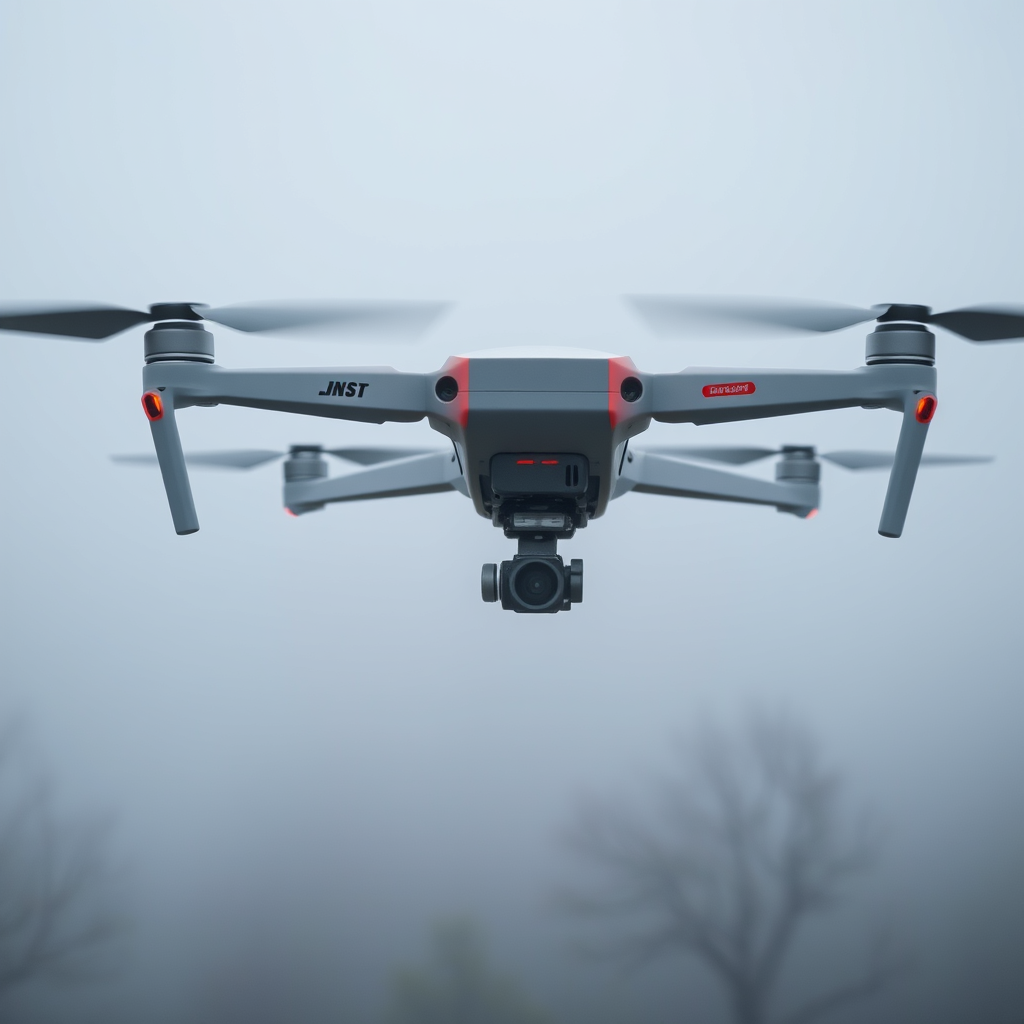
Yes, you can fly a drone in fog, but it comes with significant risks and legal restrictions. Reduced visibility can make it challenging to maintain control and avoid obstacles, which is why understanding the regulations and safety measures is essential before taking off in such conditions. As drone technology continues to advance, many pilots are tempted to operate in various environments, including foggy weather. However, this desire must be tempered with a thorough understanding of the legal implications and safety precautions necessary to ensure a responsible flying experience.
Understanding Drone Regulations in Fog
Many jurisdictions have specific rules regarding flying drones in low visibility conditions, including fog. Regulatory bodies such as the Federal Aviation Administration (FAA) in the United States and various aviation authorities worldwide have outlined guidelines that govern drone operations to ensure safety for both the pilot and the public. For instance, the FAA mandates that drone pilots must maintain a visual line of sight with their aircraft at all times, which becomes increasingly difficult in foggy conditions.
Furthermore, some regions may impose additional restrictions, such as prohibiting drone flights during specific weather conditions or requiring permits for low-visibility operations. Pilots must ensure compliance with local regulations to avoid fines or penalties. This can include checking with local aviation authorities or consulting online resources that detail specific laws governing drone use in your area. Staying informed about these regulations not only safeguards your operations but also enhances public safety.
Visibility Challenges in Fog
Fog can significantly reduce visibility, making it hard to see the drone or its surroundings. This lack of visual clarity poses a severe risk as pilots may lose sight of their drone, which can lead to collisions with obstacles such as trees, buildings, or even other aircraft. Maintaining line-of-sight is crucial for safe operation and is often required by law. In fog, the pilot’s ability to perceive their drone’s position and orientation diminishes, increasing the likelihood of accidents.
Moreover, fog can also affect the drone’s sensors. Many drones utilize visual sensors for navigation and obstacle detection, which may become less effective in low-visibility conditions. Consequently, reliance on these systems can create an illusion of safety when, in reality, the pilot’s situational awareness is compromised. Therefore, pilots must consider the implications of reduced visibility before deciding to fly in fog.
Safety Precautions When Flying in Fog
If a pilot determines that it is essential to fly a drone in foggy conditions, several safety precautions should be taken. First and foremost, using drones equipped with advanced sensors and GPS for better navigation is crucial. These systems can include radar or LIDAR, which may provide more reliable data in low-visibility scenarios. Additionally, drones with robust return-to-home (RTH) features can help ensure the aircraft returns safely if communication with the pilot is lost.
Consider flying at lower altitudes where visibility might be slightly better. By keeping the drone closer to the ground, pilots can potentially avoid thicker fog layers and have a better chance of spotting obstacles. However, this approach also requires careful consideration of the terrain and any structures that could pose hazards.
Lastly, pilots should conduct extensive pre-flight checks, ensuring that all systems are operational before taking off. It is advisable to familiarize oneself with the drone’s handling characteristics in clear weather conditions before attempting to fly in foggy situations.
Alternatives to Flying in Fog
When faced with foggy conditions, it is prudent to assess the weather forecast and choose a different time for flying. Drones can be sensitive to environmental conditions, and waiting for clearer skies can ensure a safer and more enjoyable flying experience. Pilots should also be prepared to alter their plans based on real-time weather updates.
Utilizing indoor drone facilities, if available, offers a viable alternative that allows pilots to practice their skills regardless of outdoor conditions. These controlled environments provide a safe space for learning and experimentation without the risks associated with flying in fog. Many facilities even offer obstacle courses and challenges designed to enhance piloting skills, making them an excellent resource for both novice and experienced pilots.
Technology to Assist in Low Visibility
Advancements in drone technology have led to the development of features that can assist in low visibility situations. For instance, drones with obstacle avoidance systems use a combination of ultrasonic sensors and cameras to detect and avoid potential hazards autonomously. This technology can be invaluable in fog, where the pilot’s visibility is limited.
Additionally, consider drones equipped with powerful cameras and enhanced visual capabilities, such as thermal imaging or low-light sensors, to improve performance in challenging conditions. These features can enable pilots to gather valuable data even when traditional visual cues are obscured. Investing in technology that boosts operational safety is a wise decision for any drone pilot contemplating flying in fog.
Best Practices for Safe Drone Operation in Fog
To ensure the safest possible operation of a drone in foggy conditions, pilots should conduct thorough pre-flight checks to ensure the drone is functioning correctly. This includes verifying that all sensors, cameras, and navigation systems are operational and calibrated. Any irregularities should be addressed before flight.
Planning a flight path carefully is another essential best practice. Pilots should avoid areas with heavy fog and potential hazards, selecting routes that provide clearer visibility and fewer obstacles. Familiarity with the flying area can significantly enhance safety, allowing pilots to anticipate possible challenges before they arise.
Additionally, maintaining effective communication with other airspace users, such as manned aircraft, can further enhance safety. Using common sense and prioritizing safety over ambition will ensure that drone operations can be conducted responsibly, even in less-than-ideal conditions.
In conclusion, while flying a drone in fog is possible, it is fraught with challenges that require careful consideration. Understanding local regulations, recognizing visibility challenges, and employing necessary safety precautions are paramount to ensuring a safe and successful flight. By leveraging technology and adhering to best practices, drone pilots can navigate the complexities of foggy conditions while prioritizing safety and compliance. Always remember that responsible flying not only protects the pilot but also the surrounding community and environment.
Frequently Asked Questions
Can you legally fly a drone in foggy weather?
Yes, you can legally fly a drone in foggy weather, but it’s subject to specific regulations. The Federal Aviation Administration (FAA) requires that drone pilots maintain visual line-of-sight with their drones at all times. Fog can significantly reduce visibility, making it challenging to comply with this requirement. It’s crucial to check local laws and regulations regarding visibility conditions before flying.
How does fog affect drone performance and safety?
Fog can adversely affect drone performance and safety in several ways. Reduced visibility can make it difficult to see the drone, leading to potential collisions or loss of control. Additionally, moisture from the fog can impact electronic components and sensors, potentially causing malfunctions. Ensure your drone is equipped for adverse weather and always prioritize safety.
What should I consider before flying my drone in fog?
Before flying your drone in fog, consider several factors including visibility, weather conditions, and your drone’s capabilities. Ensure that you can maintain visual line-of-sight and be aware that fog can create unpredictable wind patterns. It’s also wise to check if your drone’s sensors are functioning well in low-visibility situations to avoid accidents.
Why is flying a drone in fog not recommended?
Flying a drone in fog is generally not recommended due to significantly reduced visibility and the increased risk of accidents. Fog can obscure obstacles and create challenges in navigation, making it difficult to maintain control. Additionally, flying in such conditions can hinder your ability to comply with FAA regulations regarding visual line-of-sight, potentially leading to legal repercussions.
What are the best practices for flying a drone in low visibility conditions like fog?
The best practices for flying a drone in low visibility conditions, such as fog, include conducting thorough pre-flight checks, utilizing drones equipped with advanced obstacle avoidance systems, and flying at lower altitudes where visibility may be better. Additionally, consider using a first-person view (FPV) system if available, but remember that relying on FPV does not replace the need for visual line-of-sight. Always err on the side of caution and postpone flights if conditions are not optimal.
References
- https://www.faa.gov/uas/getting_started/flyers_guides/flying_safely
- https://www.nasa.gov/feature/nasa-scientists-test-drone-fog-flight
- https://www.abc.net.au/news/2021-10-14/drone-technology-fog-visibility/100554338
- https://www.cnbc.com/2021/03/22/drone-fog-flying-rules.html
- https://www.law.cornell.edu/wex/drone
- https://www.theguardian.com/us-news/2021/nov/18/drone-fog-visibility-rules-aviation
- https://www.researchgate.net/publication/335570545_Flying_drones_in_difficult_conditions_a_review_of_fog_visibility
- https://www.tsa.gov/travel/security-screening/drone-flying-tips
