
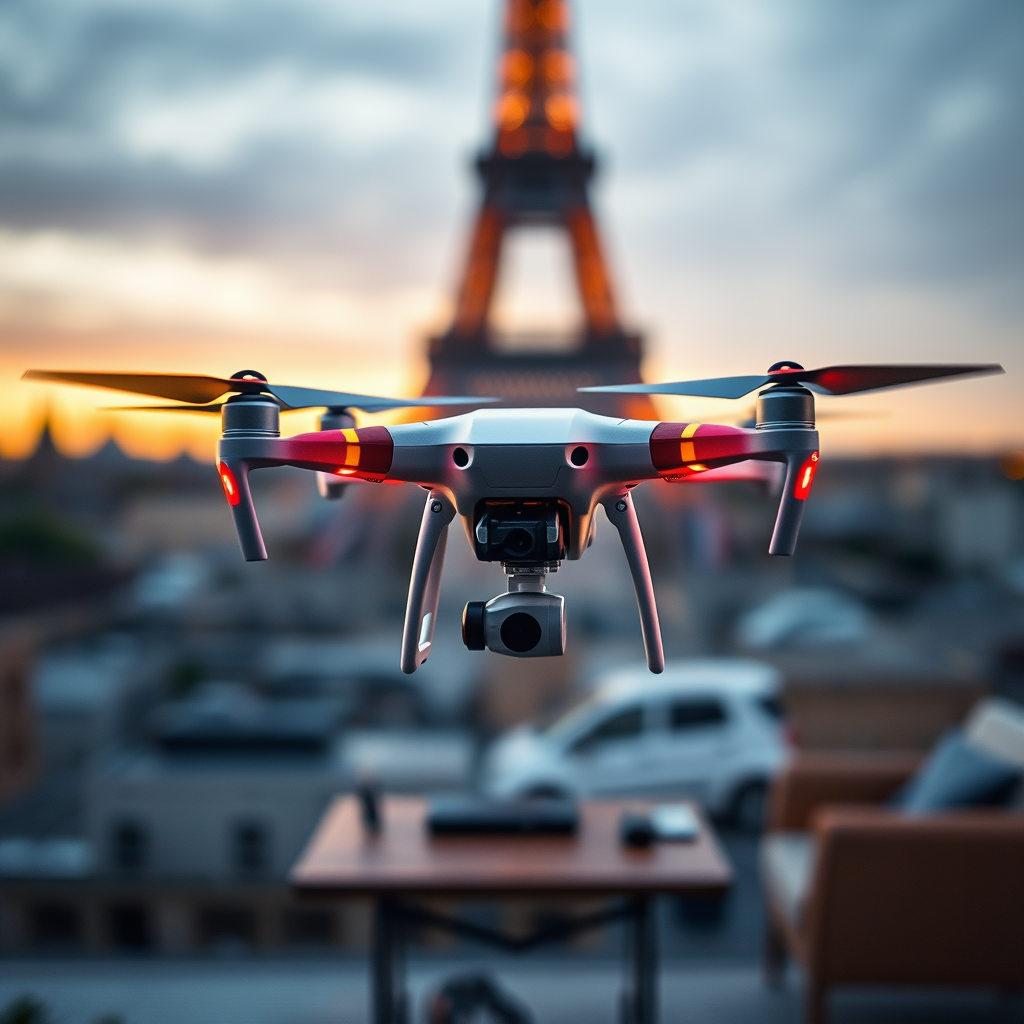
Yes, you can fly a drone in France, but there are specific regulations and guidelines you must follow. Understanding these rules is crucial to ensure safe and legal drone operation in the country. France has established a comprehensive framework for drone use, balancing the interests of recreational and professional pilots while prioritizing safety and privacy. Familiarizing yourself with these regulations is essential for anyone looking to navigate the French skies with their drone.
Understanding French Drone Regulations
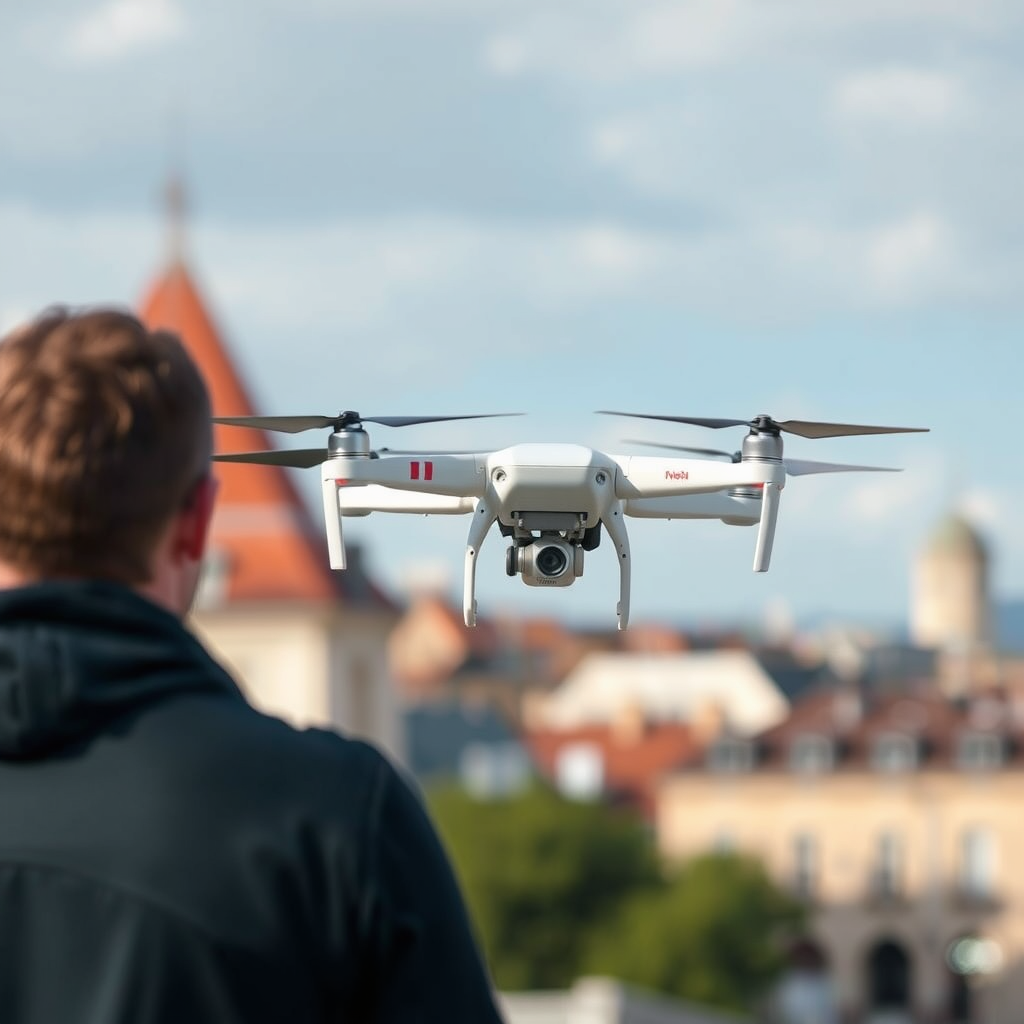
The French Civil Aviation Authority (DGAC) is the primary body governing drone use in France. This authority implements and enforces regulations that comply with European Union standards, which are designed to ensure safety, security, and respect for privacy. All drone users, whether they are hobbyists or professionals, are subject to these rules.
The regulations require drone pilots to be aware of their responsibilities and ensure that they operate their devices in a manner that does not endanger other airspace users or the public. In addition to DGAC regulations, local laws may also apply, particularly in urban areas, where drone flights can be more heavily regulated. It is advisable for drone operators to familiarize themselves with both national and local statutes as part of their flight preparation.
Categories of Drone Use
Drone operations in France are categorized into two primary types: recreational and professional use. Each category has distinct regulations. For recreational drone users, the rules are generally less stringent, but they still must comply with basic operational standards. Conversely, professional drone pilots face more rigorous legal requirements, including specific training and certification.
Additionally, the type and weight of the drone play a significant role in determining the regulatory framework applicable to each flight. Drones are classified into weight categories:
– Class 1: Drones weighing less than 250 grams, which can be flown with minimal restrictions.
– Class 2: Drones weighing between 250 grams and 2 kilograms, requiring registration and adherence to certain operational guidelines.
– Class 3: Drones weighing over 2 kilograms, which necessitate formal training and licensing.
Understanding these categories will help pilots ensure compliance and enhance safety during their flights.
Drone Pilot Certification Requirements
To legally operate a drone in France, all drone operators must register their drones online through the DGAC’s dedicated platform. This registration process is relatively straightforward and requires basic information about the drone and the pilot.
In addition to registration, certain categories of drone use require pilots to undergo training. For recreational pilots flying drones weighing more than 800 grams, an online training course is mandatory. This training covers essential topics such as airspace regulations, safety procedures, and emergency protocols.
For professional pilots, obtaining a Remote Pilot License (RPL) is necessary, which involves comprehensive training and testing. This certification ensures that pilots are well-versed in the operational, technical, and regulatory aspects of flying drones, thus promoting safety in the airspace.
No-Fly Zones and Restrictions
In France, there are several designated no-fly zones where drone operations are strictly prohibited. Major cities, such as Paris, and areas surrounding airports and military installations are often marked as sensitive locations. Flying a drone in these areas can result in severe penalties, including fines and confiscation of equipment.
Moreover, temporary no-fly zones can be established due to events like public gatherings, parades, or emergency situations. It is essential for drone operators to stay informed about current no-fly zones and any temporary restrictions that may be in place. The DGAC regularly updates information on these areas, and local authorities may also provide guidance on specific events impacting drone operations.
Safe Operating Practices
Emphasizing safety is paramount for drone operation. One of the fundamental safe operating practices is maintaining a visual line of sight with the drone during flight. This means the pilot must be able to see the drone without the aid of binoculars or other visual enhancement devices. Doing so allows for better control and awareness of the drone’s surroundings, significantly reducing the risk of collisions.
Another crucial aspect is respecting privacy. Drone pilots should avoid flying over private property without explicit consent from the owners. This practice not only fosters goodwill within the community but also helps prevent potential legal disputes. Additionally, pilots should adhere to altitude restrictions, typically limited to 120 meters (approximately 400 feet) above ground level, to maintain safe distances from manned aircraft.
Local Variations and Updates
Drone regulations can vary significantly by region within France. For example, urban areas may impose stricter regulations compared to rural locations. Therefore, it is advisable for drone pilots to research local laws and consult with municipal authorities before flying.
Staying informed about updates is equally important, as drone regulations can evolve. The DGAC frequently issues announcements regarding changes to laws or new operational guidelines. Subscribing to DGAC newsletters or checking their official website regularly can help pilots stay abreast of any pertinent changes to the regulatory landscape.
In conclusion, flying a drone in France is possible with the right knowledge and adherence to regulations. Understanding the framework established by the DGAC, categorizing your drone use, obtaining the necessary certifications, and respecting no-fly zones and privacy are all fundamental to responsible drone operation. Always ensure you are informed about the rules before taking to the skies, and consider checking for any local updates or changes to the laws to ensure a safe and enjoyable flying experience.
Frequently Asked Questions
What are the legal requirements for flying a drone in France?
To legally fly a drone in France, operators must comply with regulations set by the French Civil Aviation Authority (DGAC). This includes registering drones weighing more than 800 grams, obtaining a pilot certificate for certain categories, and following specific flight rules such as maintaining a visual line of sight and not exceeding an altitude of 120 meters. Additionally, drone pilots must respect no-fly zones, which can include areas near airports, military installations, and populated urban areas.
How can I find out where I can fly my drone in France?
To determine where you can fly your drone in France, you can use various online tools and resources. The French government provides a free app called “Geoportail,” which outlines no-fly zones and restricted areas for drones. Additionally, websites like “DroneSafetyMap” can help you check airspace regulations and find suitable locations for drone flying while ensuring compliance with local laws.
Why is it important to respect drone regulations in France?
Respecting drone regulations in France is crucial for several reasons. Firstly, it promotes safety by preventing collisions with manned aircraft and protecting people on the ground. Secondly, adhering to regulations helps avoid legal penalties, including fines or confiscation of your drone. Lastly, following the rules contributes to maintaining public trust in drone technology and its integration into society, fostering a positive environment for all drone users.
What are the best practices for flying a drone safely in France?
To fly a drone safely in France, always conduct a pre-flight check to ensure your equipment is in good condition and properly calibrated. Follow the “see and avoid” principle by maintaining a visual line of sight at all times and avoiding crowded areas. It’s also important to respect privacy rights, refraining from flying over private properties without permission. Lastly, stay updated on local weather conditions to avoid flying in adverse weather, which can lead to accidents.
Which types of drones are subject to specific regulations in France?
In France, drones are classified into three categories based on their weight and intended use: Open, Specific, and Certified. Drones in the Open category (below 25 kg) have less stringent regulations but still require compliance with basic safety rules. The Specific category requires operational authorization, typically for commercial use or complex operations, while the Certified category pertains to larger drones or those used in critical operations, where additional certification is mandatory. Always check the categorization of your drone to ensure compliance with the appropriate regulations.
References
- https://www.service-public.fr/particuliers/vosdroits/F34084
- https://www.easa.europa.eu/easa-and-you/civil-drone-operations
- https://www.droneinfo.fr/loi-drone-en-france/
- https://www.faa.gov/uas/resources/uas_facts_figures/
- https://www.cnc.fr/actualite/drone-en-france-2023-2024
- https://www.lemonde.fr/economie/article/2022/06/14/drone-le-nouveau-jouet-des-francais_6137037_3234.html
