
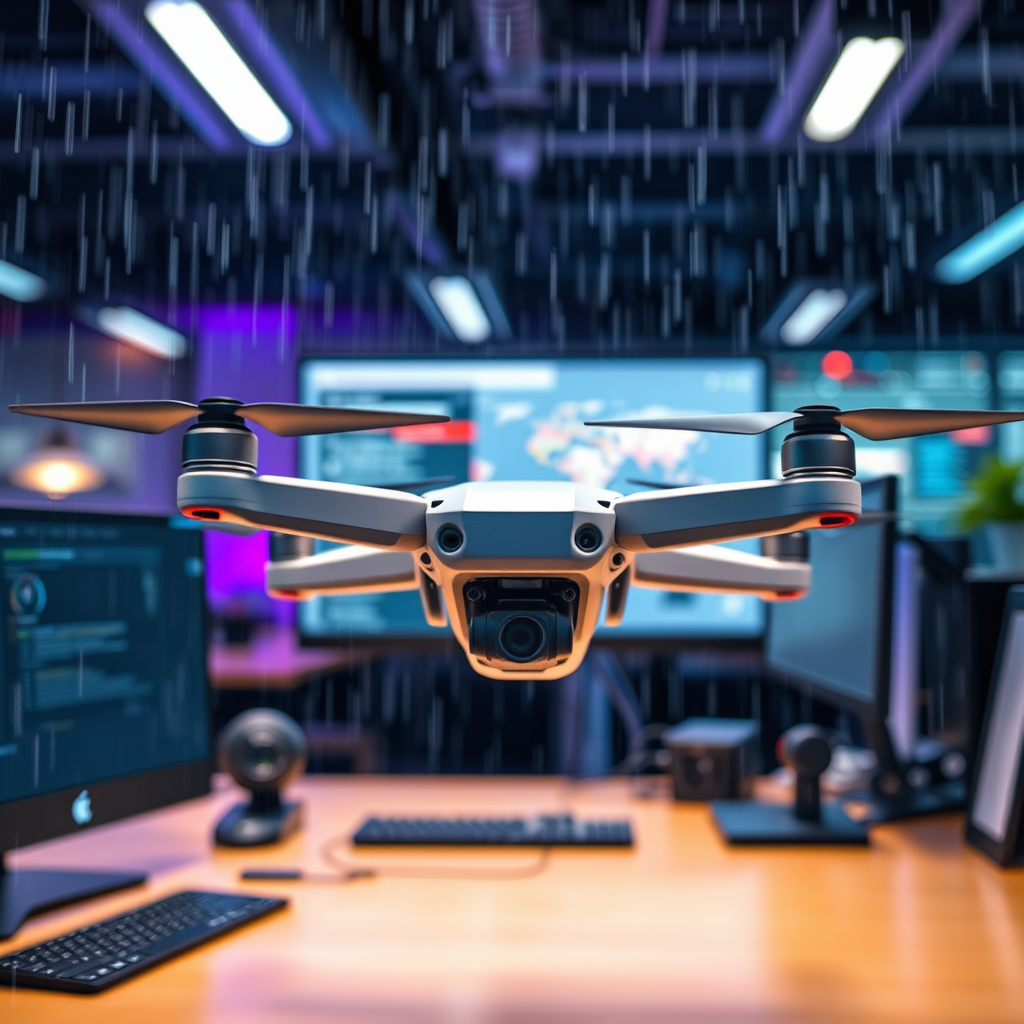
Yes, you can fly a drone in light rain, but it comes with risks and considerations that every pilot should be aware of. While some drones are designed to withstand moisture, others may not perform well in wet conditions. Understanding the nuances of operating a drone in light rain is crucial for ensuring both the safety of the equipment and the effectiveness of the flight. This article will explore the implications of flying a drone in light rain and offer tips for safe operation.
Understanding Drone Water Resistance

When it comes to flying drones in inclement weather, understanding the water resistance capabilities of your drone is fundamental. Many consumer drones are not waterproof and can suffer damage if exposed to moisture. Water can infiltrate critical components, leading to short circuits and malfunctioning parts. Therefore, before attempting to fly in light rain, it is imperative to check the manufacturer’s specifications for your drone’s water resistance rating.
For instance, certain models like the DJI Mavic 2 Enterprise have a rating that suggests they can handle some exposure to water, while others like the DJI Mini series are not designed for wet conditions at all. Always refer to the user manual or manufacturer’s website to ascertain whether your drone has any level of water resistance and the specific conditions under which it can operate safely.
Risks of Flying Drones in Rain
Flying a drone in light rain can introduce several risks that could affect flight performance and the longevity of the device. One of the primary concerns is visibility; rain can obscure the pilot’s line of sight, making it difficult to monitor the drone’s flight path. Loss of visibility increases the likelihood of collisions with obstacles and can lead to accidents.
In addition, rain can compromise GPS accuracy. Drones rely on satellite signals for navigation and positioning, and adverse weather conditions can disrupt these signals, leading to erratic behaviors or loss of control. Furthermore, wet environments can lead to increased wear on mechanical components and motors. Moisture can cause rust and corrosion, ultimately affecting the drone’s performance and durability over time.
Tips for Flying in Light Rain
If you are determined to fly your drone in light rain, there are several precautions and strategies you can employ to minimize risks. First and foremost, avoid flying in heavy rain or storms; light rain may be manageable for drones with higher water resistance ratings. Before taking off, assess the severity of the rain and decide if it’s safe to proceed.
If you find it necessary to fly, choose a drone that has a high water resistance rating. For example, drones like the Yuneec Typhoon H are built to withstand more challenging weather conditions, making them suitable for light rain. Additionally, consider limiting your flight time to reduce exposure to moisture and keep your flights short.
Another practical tip is to maintain a low altitude during flight. This minimizes the distance between your drone and the ground, allowing for better control and visibility. Using a drone with advanced obstacle avoidance technology can also enhance safety, as it can automatically navigate around potential hazards even in lowered visibility.
Best Practices for Maintenance
After flying in the rain, it is crucial to perform thorough maintenance on your drone. Start by carefully drying your drone and removing any water that may have accumulated on the body. Pay close attention to the battery compartment, motors, and camera, as these areas are particularly vulnerable to moisture damage.
Regularly inspect and maintain your drone to ensure its longevity and performance. This includes checking for signs of corrosion, replacing worn-out components, and ensuring that seals and gaskets are intact and functioning. Implementing a routine maintenance schedule can help you catch potential issues before they lead to significant damage, ultimately prolonging the life of your drone.
Alternatives to Flying in Rain
If the weather conditions are not ideal for flying, consider waiting for better weather to ensure the safety and functionality of your drone. Flying in clear conditions not only enhances your flying experience but also reduces the risk of accidents and equipment failure.
Alternatively, explore indoor drone flying options as an alternative to outdoor conditions. Many drones are designed for indoor use and can be flown in controlled environments without the added risks associated with rain. Indoor flying can also serve as an opportunity to practice and improve your piloting skills in a safe setting.
Legal Considerations
Before flying in any weather, it is important to check local regulations regarding drone operations in inclement weather. Some areas may have specific rules that prohibit flying drones during rain for safety reasons, especially in urban environments where visibility and potential hazards increase.
Additionally, pilots must adhere to the Federal Aviation Administration (FAA) regulations regarding drone operation. These regulations may include maintaining a specific distance from people and structures, which can be harder to enforce in poor weather conditions. Always ensure you are compliant with local laws to avoid fines or penalties.
In conclusion, while it is possible to fly a drone in light rain, it is essential to be mindful of the risks and take proper precautions. Always ensure your drone is suitable for such conditions, and consider waiting for clearer weather or opting for indoor flying to guarantee a safe and enjoyable flying experience. Proper maintenance and understanding the legal landscape can further enhance your drone flying endeavors, allowing you to focus on the thrill of flight while minimizing risks.
Frequently Asked Questions
Can you fly a drone in light rain?
While it is technically possible to fly a drone in light rain, it is not advisable. Most consumer drones are not designed to be water-resistant, and exposure to moisture can damage sensitive electronic components. If you choose to fly in light rain, ensure that your drone is specifically rated for such conditions, and take precautions to minimize water exposure.
What are the risks of flying a drone in light rain?
The risks of flying a drone in light rain include potential damage to the drone’s electronics, reduced visibility for both the pilot and the drone, and compromised battery performance due to cold and wet conditions. Additionally, rain can affect the drone’s stability and control, leading to possible crashes or accidents. It’s essential to weigh these risks against your need to operate the drone in inclement weather.
How can I protect my drone from light rain while flying?
To protect your drone from light rain while flying, consider using a drone cover or rain shield designed specifically for your model. These accessories can help keep water off critical components. Additionally, you might want to limit flight time during light rain and avoid flying at higher altitudes where rain is more prevalent, ensuring that you land safely as soon as conditions worsen.
Why do some drones have a water resistance rating?
Some drones have a water resistance rating to ensure they can withstand exposure to light moisture or rain without suffering damage. This rating is important for users who may fly in unpredictable weather conditions or near water bodies. Understanding the water resistance level of your drone can help you make informed decisions about flying in adverse weather, potentially extending the lifespan of your equipment.
Which drones are best for flying in light rain?
Drones specifically designed for rugged environments, such as the DJI Matrice series or the Yuneec Typhoon H, often come with a higher water resistance rating, making them more suitable for flying in light rain. These drones typically feature sealed electronic components and enhanced propeller designs to handle damp conditions better. Always check the manufacturer’s specifications for water resistance before flying in any wet weather.
References
- https://www.faa.gov/uas/getting_started/part_107
- https://www.nytimes.com/2021/04/14/business/drone-rules.html
- https://www.wired.com/story/drones-flying-in-the-rain/
- https://www.dronepilotgroundschool.com/flying-drones-in-the-rain/
- https://www.theguardian.com/technology/2021/jul/16/drone-flying-uk-rain-weather
- https://www.ncbi.nlm.nih.gov/pmc/articles/PMC6991153/
- https://www.aopa.org/news-and-media/all-news/2020/march/20/drone-operations-in-wet-weather
- https://www.abc.net.au/news/2020-11-27/drones-flying-in-the-rain/12930380
