
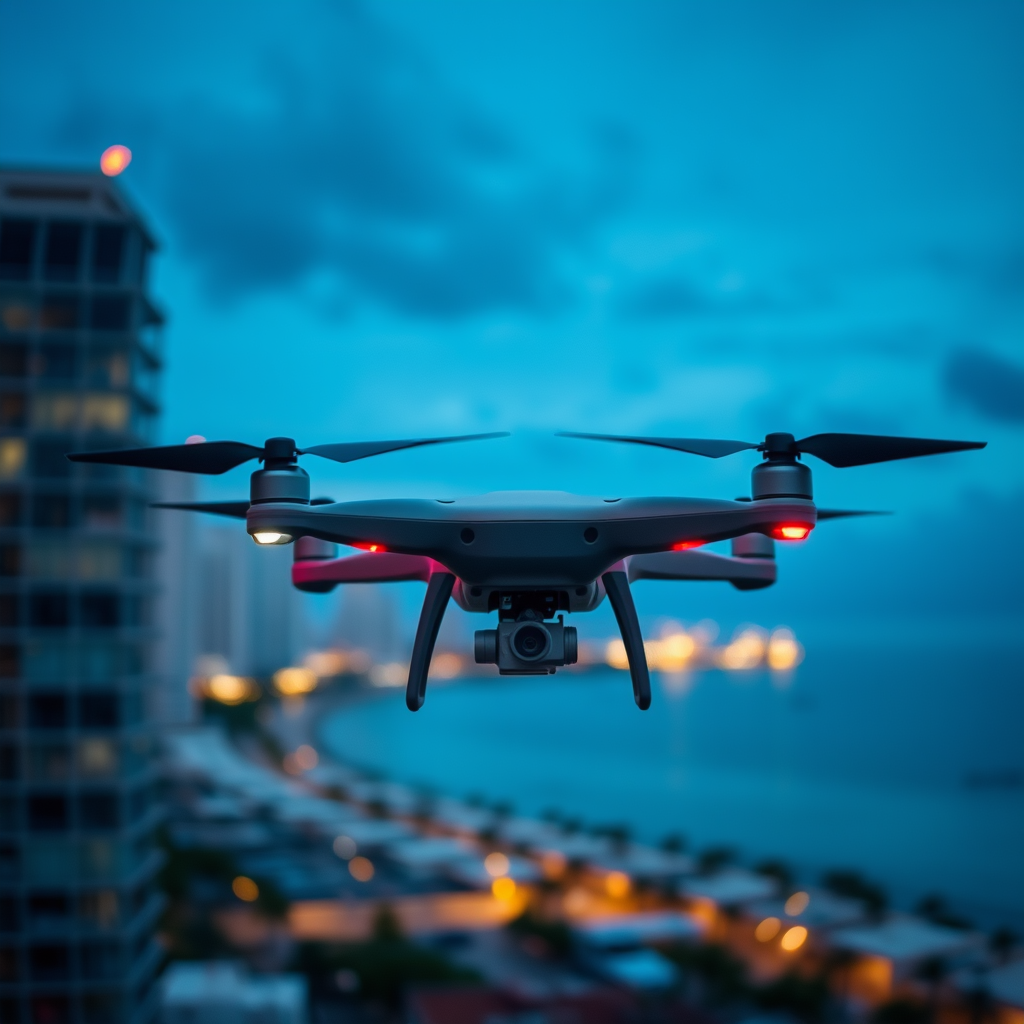
Yes, you can fly a drone in Miami, but there are specific regulations and guidelines you must follow. Understanding these rules will help you enjoy your drone flying experience while staying compliant with local laws. As drone technology continues to grow in popularity, it is crucial for operators to familiarize themselves with both federal and local regulations to ensure safe and responsible flying. This comprehensive guide provides essential insights into the legal framework, safety considerations, and the best locations for drone enthusiasts in Miami.
Understanding the Regulatory Framework
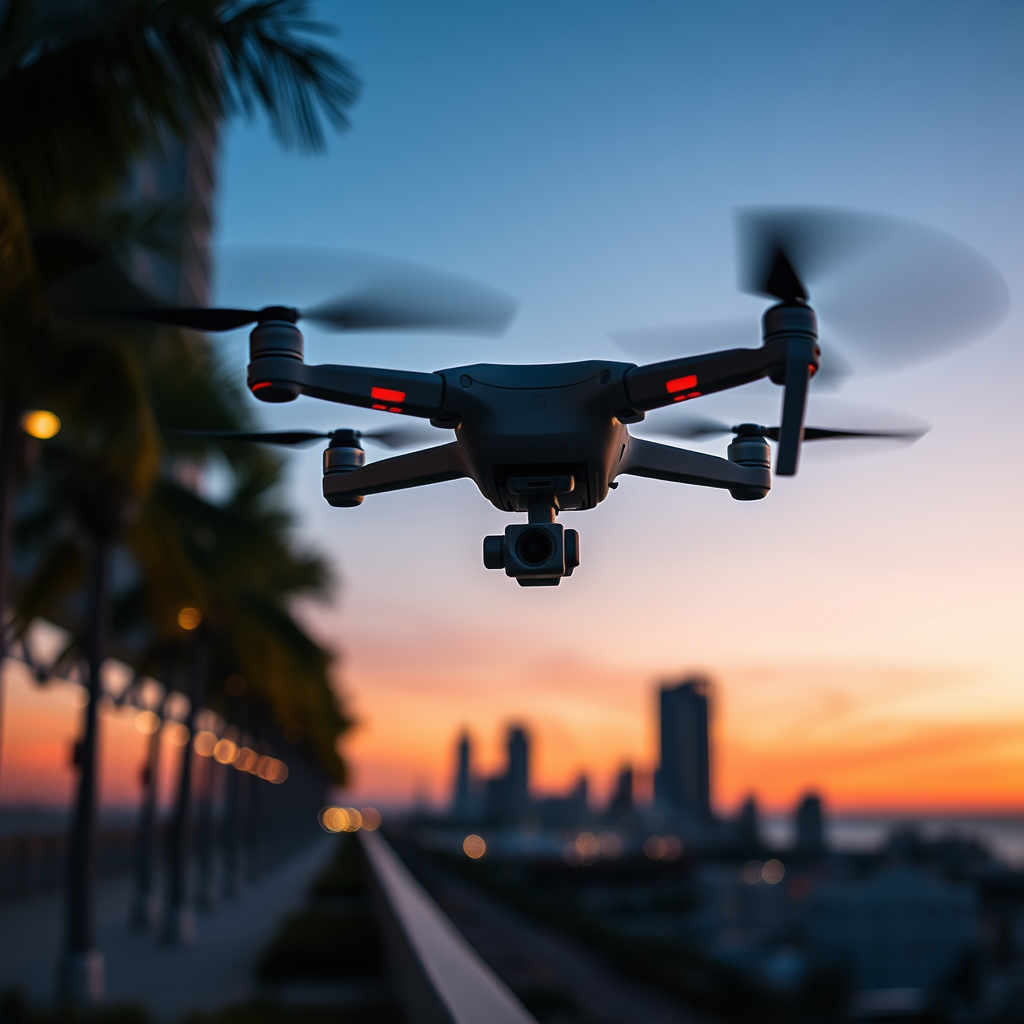
The use of drones in the United States is primarily governed by the Federal Aviation Administration (FAA), which sets the foundational regulations that all drone operators must adhere to. The FAA categorizes drone operations into two main areas: recreational and commercial. Each category has distinct requirements, making it essential for pilots to understand their specific obligations.
In addition to federal regulations, Miami has its own set of local ordinances that may impose additional restrictions. Local governments often have the authority to regulate drone use in public spaces and can designate certain areas as no-fly zones. Therefore, it is crucial for drone operators to consult local authorities or municipal websites to ensure compliance with all applicable rules. By understanding the regulatory framework, drone pilots can avoid potential fines and ensure a smooth flying experience.
FAA Requirements for Drone Pilots
When flying a drone in Miami, it is imperative to adhere to FAA requirements, which include registering your drone and obtaining relevant certifications. If your drone weighs more than 0.55 pounds, it must be registered with the FAA. The registration can be completed online and is valid for three years, costing a nominal fee. This step not only ensures compliance but also helps in the identification of the operator in case of any incidents.
For those intending to use drones for commercial purposes, obtaining a Remote Pilot Certificate is mandatory. This certification involves passing a knowledge test that covers various topics, such as airspace classifications, weather, and safe operating practices. By ensuring that you meet these FAA requirements, you enhance your credibility as a drone operator and contribute to the overall safety of the airspace.
Miami-Dade County Drone Regulations
In addition to the FAA’s regulations, Miami-Dade County has specific rules regarding where and how drones can be flown. One of the primary considerations is the existence of designated no-fly zones. These areas typically include locations near airports, military bases, and densely populated regions. For instance, Miami International Airport is surrounded by restricted airspace, and flying drones in these zones can result in serious legal consequences.
Another critical aspect of local regulations is the need to check for any temporary flight restrictions (TFRs) that may be in effect at certain times. TFRs can be implemented due to various reasons, such as special events, natural disasters, or security concerns. Keeping abreast of these restrictions is vital for safe and compliant drone operation in Miami.
Best Places to Fly Drones in Miami
Miami boasts a variety of scenic locations that are ideal for drone flying, provided that operators adhere to local regulations. One popular spot is Haulover Park, which offers expansive open spaces and minimal interference from buildings or crowds. The park is well-suited for recreational flying, allowing pilots to capture stunning aerial footage of the surrounding landscape.
Additionally, Miami’s beaches can serve as excellent venues for drone flight, especially in less crowded areas. Beaches such as Key Biscayne and North Beach provide beautiful vistas, but it is important to maintain safety guidelines and respect local ordinances. Always ensure that you are flying in areas where drone activity is permitted and that you are not infringing on the privacy of beachgoers.
Safety and Privacy Considerations
Safety and privacy are paramount when flying drones in Miami. Drone operators must always respect the privacy of individuals and avoid flying over private property without permission. This respect fosters goodwill among the community and helps maintain a positive image for drone users.
Moreover, adhering to safety guidelines can prevent accidents and ensure the safe operation of drones. Operators should be aware of their surroundings, including other air traffic, people, and wildlife. For instance, maintaining a safe distance from people and avoiding crowded areas can reduce the risk of accidents. Additionally, operators should be knowledgeable about their drone’s capabilities and limitations, including battery life and altitude restrictions, to ensure safe flying practices.
Tips for Responsible Drone Flying
To promote responsible drone flying in Miami, operators should consider several best practices. First and foremost, maintaining visual line-of-sight with your drone at all times is essential. This practice not only helps in avoiding collisions but also ensures that the operator remains aware of their drone’s surroundings.
Additionally, drone pilots should stay informed about local weather conditions before flying. High winds, rain, or other adverse weather can impact drone performance and safety. Checking the weather forecast helps operators make informed decisions about when and where to fly.
Finally, it is advisable to join local drone clubs or online communities. These groups can offer valuable insights, share experiences, and keep members updated on changes in regulations or local flying opportunities. Engaging with fellow drone enthusiasts can enhance your flying experience and promote responsible flying practices within the community.
In conclusion, flying a drone in Miami is not only possible but can also be an exhilarating experience when done responsibly. By understanding and adhering to both federal and local regulations, respecting privacy and safety considerations, and choosing appropriate flying locations, drone pilots can enjoy their hobby while contributing to a positive perception of drone use in the community. For additional information, consider consulting local resources or joining a drone flying community to stay informed and connected.
Frequently Asked Questions
Can you fly a drone in Miami without a permit?
Yes, you can fly a drone in Miami without a permit as long as you adhere to the Federal Aviation Administration (FAA) regulations and local laws. However, if you are flying for commercial purposes, you must have a Part 107 certification. It’s essential to check Miami’s specific regulations, as certain areas may require special permissions or have restrictions due to proximity to airports, military bases, or densely populated regions.
What are the rules for flying a drone in Miami?
When flying a drone in Miami, you must follow FAA guidelines, which include flying below 400 feet, maintaining visual line-of-sight, and avoiding flying over people or moving vehicles. Additionally, Miami has local ordinances that may restrict drone use in public parks, beaches, or near schools and hospitals. Always check local regulations before flying, as some areas may have no-drone zones or require permission to operate.
Where are the best places to fly a drone in Miami?
Some of the best places to fly a drone in Miami include Biscayne Bay, Virginia Key, and the Miami Beach area, where you can capture stunning coastal views. However, ensure you are not violating any local laws or regulations while flying in these areas. Always be aware of any temporary flight restrictions and respect the privacy of individuals around you to maintain responsible drone operation.
Why is it important to register your drone in Miami?
Registering your drone in Miami is important because it ensures compliance with FAA regulations, which mandate that all drones weighing over 0.55 pounds be registered. Failure to register can result in fines and penalties, as well as loss of flying privileges. Additionally, having your drone registered can help authorities identify the owner in case of an incident or if the drone is lost.
How can I find out if I can fly my drone in a specific area of Miami?
To determine if you can fly your drone in a specific area of Miami, use the FAA’s B4UFLY app, which provides real-time information about airspace restrictions and drone regulations. You can also check local government websites for updates on drone laws and any potential temporary flight restrictions. It’s crucial to stay informed about the current rules to ensure safe and legal drone flying in Miami.
References
- https://www.faa.gov/uas/getting_started/fly_in_urban_areas
- https://www.faa.gov/uas/where_to_fly/
- https://www.nps.gov/subjects/drones/index.htm
- https://www.miami.gov/
- https://www.washingtonpost.com/technology/2020/08/04/drone-regulations-usa/
- https://www.aviation.gov/faq/drone-flying-in-miami/
- https://www.dronepilotsgroundschool.com/drone-flying-regulations-in-miami-fl/
- https://www.miamiherald.com/news/local/community/miami-dade/article211334174.html
