
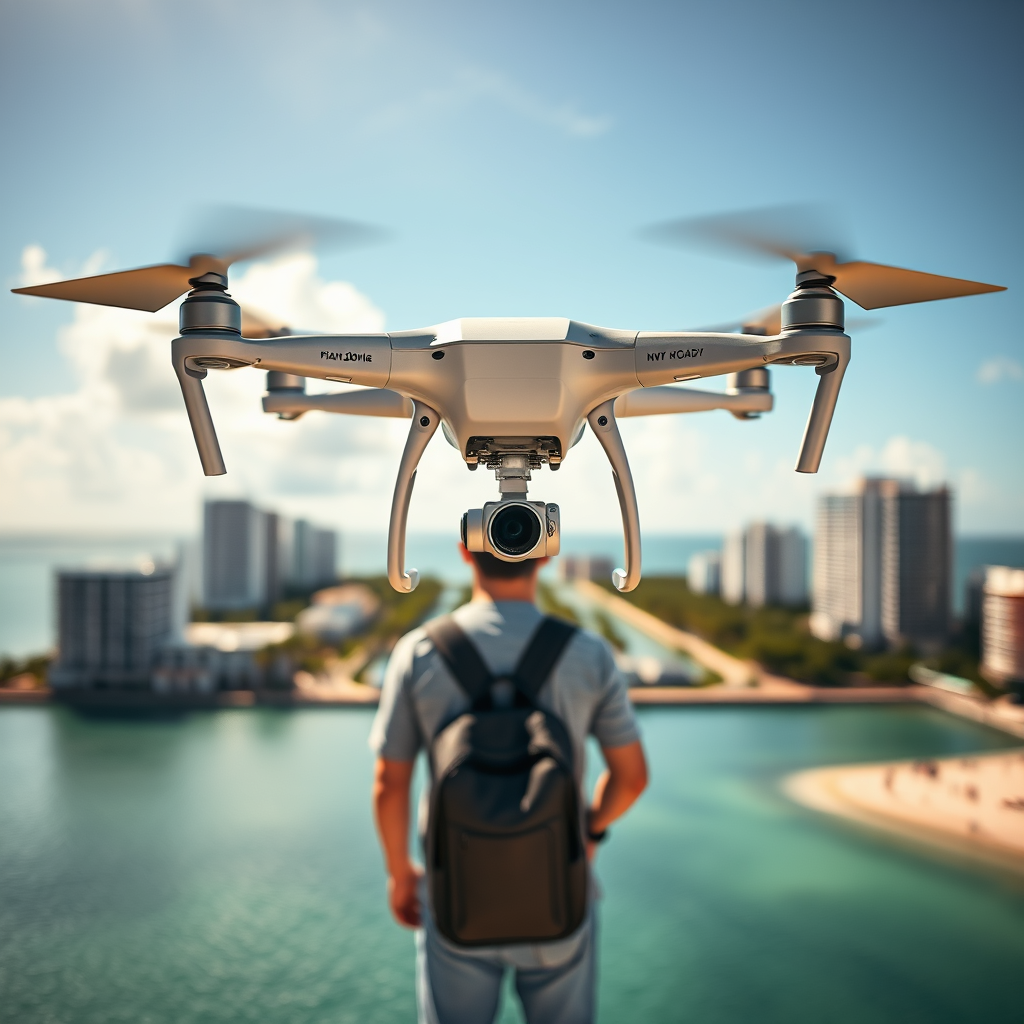
Yes, you can fly a drone in Miami Beach, but there are specific regulations and guidelines you must follow to ensure safety and compliance. Miami Beach, with its stunning coastline and vibrant atmosphere, provides an attractive landscape for drone enthusiasts. However, understanding local laws, restricted areas, and best practices is essential to enjoy your drone flying experience responsibly and legally.
Understanding the Regulations
When it comes to flying drones in Miami Beach, federal regulations set forth by the Federal Aviation Administration (FAA) take precedence. These guidelines apply to all drone operations across the United States and are crucial for maintaining airspace safety. The FAA requires drone operators to adhere to several key rules, including flying below 400 feet, not flying near airports, and maintaining visual line of sight with the drone at all times.
In addition to federal regulations, Miami Beach has its own local ordinances that may impose further restrictions on drone use. For instance, certain areas may be designated as no-fly zones, and local parks might have specific rules regarding drone usage. It’s vital to familiarize yourself with these local laws, which can often be found on the official Miami Beach city website or through local government resources.
Where You Can Fly Drones
Miami Beach offers various locations where drone flying is generally permitted, especially in public parks and along the beach. Iconic spots such as Lummus Park and South Pointe Park are popular among drone enthusiasts due to their scenic views and open spaces. However, before launching your drone, always check for any posted signage or local regulations that may restrict drone use in these areas.
It’s also important to consider the safety of those around you. Avoid flying near schools, hospitals, and large public gatherings where the presence of a drone could pose risks. Being mindful of the surroundings not only ensures compliance with regulations but also contributes to a positive relationship between drone pilots and the community.
No-Fly Zones and Restrictions
Understanding no-fly zones is crucial for any drone operator. In Miami Beach, specific areas are off-limits due to safety and security concerns. These include regions near Miami International Airport, Fort Lauderdale-Hollywood International Airport, and military bases, among others. Additionally, sensitive areas such as government buildings and wildlife sanctuaries may also be designated as no-fly zones.
To help navigate these restrictions, several apps and resources provide updated maps of restricted airspace. Tools like B4UFLY and Airmap allow users to input their location and receive real-time information on airspace restrictions. Utilizing these resources can help avoid violations and ensure a safe flying experience.
Tips for Responsible Drone Flying
Practicing responsible drone flying is not only a legal obligation but also a way to enhance safety for everyone involved. One of the most critical tips is to always maintain visual line of sight with your drone. This practice ensures you have full control over the aircraft and can react quickly to any unforeseen circumstances.
Respecting privacy is another essential aspect of responsible drone operation. Avoid flying over private properties without obtaining permission from the property owner. Not only is this a violation of privacy rights, but it can also lead to disputes and potential legal action against the drone operator. Educating yourself on local etiquette and community expectations will foster a more respectful and enjoyable flying environment.
Obtaining Necessary Permits
If you plan to use your drone for commercial purposes, it is essential to research whether you need a permit to operate in Miami Beach. The FAA requires commercial drone operators to obtain a Part 107 certification, which involves passing a knowledge test and adhering to specific operational guidelines. Additionally, some local jurisdictions may have their own permitting processes for commercial use, so it’s critical to verify these requirements before launching.
For recreational drone pilots, the FAA mandates that any drone weighing over 0.55 pounds must be registered. This registration process is straightforward and can be completed online through the FAA’s website. Proper registration ensures accountability and helps maintain safety within the airspace.
Safety Considerations
Safety should always be a top priority when flying drones. Be aware of environmental factors such as wind, rain, and other weather conditions that can significantly impact flight stability. For example, high winds can cause drones to drift off course, increasing the risk of accidents. Always check local weather reports before your flight to ensure optimal conditions.
Following all safety protocols is also crucial to prevent accidents and safeguard the well-being of others. This includes adhering to altitude restrictions, observing no-fly zones, and ensuring that your drone is in good working condition before each flight. Familiarizing yourself with your drone’s capabilities and limitations will enable you to fly more confidently and responsibly.
Local Resources and Community
Engaging with the local drone community can be an excellent way to enhance your flying experience. Joining local drone clubs or online forums provides opportunities for networking, sharing tips, and gaining insights from experienced pilots. Many communities organize meet-ups and events where drone enthusiasts can come together to share knowledge and participate in friendly competitions.
Additionally, staying informed about local events or regulations can further improve your flying experience. Many communities have dedicated social media groups or websites that offer updates on drone-related activities, safety workshops, and new regulations. Engaging with these resources can help you remain active and informed as part of the Miami Beach drone community.
In conclusion, flying a drone in Miami Beach is certainly possible with the right knowledge and precautions. Familiarizing yourself with federal and local regulations, respecting no-fly zones, and practicing responsible flying are essential steps to ensuring a safe and enjoyable experience. By staying informed and engaged, you can contribute to a positive drone culture in Miami Beach while capturing stunning aerial views. Happy flying!
Frequently Asked Questions
Can you fly a drone in Miami Beach?
Yes, you can fly a drone in Miami Beach, but there are specific regulations you must follow. The Federal Aviation Administration (FAA) regulates drone use across the United States, and Miami Beach has additional local ordinances that may restrict drone operation in certain areas, especially near public beaches, parks, and crowded events. Always check for any temporary flight restrictions and ensure you’re flying in compliance with local laws.
What are the drone regulations specific to Miami Beach?
In Miami Beach, drone operators must adhere to FAA regulations, which include flying below 400 feet, keeping the drone within visual line-of-sight, and not flying near airports or in restricted airspace. Additionally, Miami Beach may have specific local laws that prohibit drone use in certain public areas, so it’s essential to research and understand these regulations before flying.
How do I obtain permission to fly my drone in Miami Beach?
To fly your drone in Miami Beach, you generally don’t need special permission if you follow FAA regulations, but if you plan to use your drone for commercial purposes or in restricted areas, you may need to apply for a waiver or special use permit. Always check the Miami Beach city website or contact local authorities for any specific requirements or permits needed for drone operation.
Why are there restrictions on flying drones in Miami Beach?
Restrictions on flying drones in Miami Beach are primarily due to safety and privacy concerns. High tourist traffic, densely populated areas, and nearby airports necessitate regulations to prevent accidents and ensure the safety of both drone operators and the public. Additionally, protecting the privacy of residents and beachgoers is a significant factor in these restrictions.
What are the best practices for flying a drone in Miami Beach?
The best practices for flying a drone in Miami Beach include conducting a thorough pre-flight check, understanding local regulations, and being aware of your surroundings at all times. Always avoid flying over crowds, respect the privacy of individuals, and be mindful of wildlife. Additionally, consider flying during off-peak hours to minimize disturbances and enhance your flying experience.
References
- https://www.faa.gov/uas/getting_started/learn_about_uas/
- https://www.miamidade.gov/global/elections/voting-in-miami-beach.page
- https://www.miamibeachfl.gov/city-hall/transportation/drone-regulations/
- https://www.faa.gov/uas/registration/
- https://www.faa.gov/uas/advanced_operations/
- https://www.nytimes.com/2021/04/10/us/drone-regulations.html
- https://www.washingtonpost.com/transportation/2021/06/14/drone-regulations-us/
