
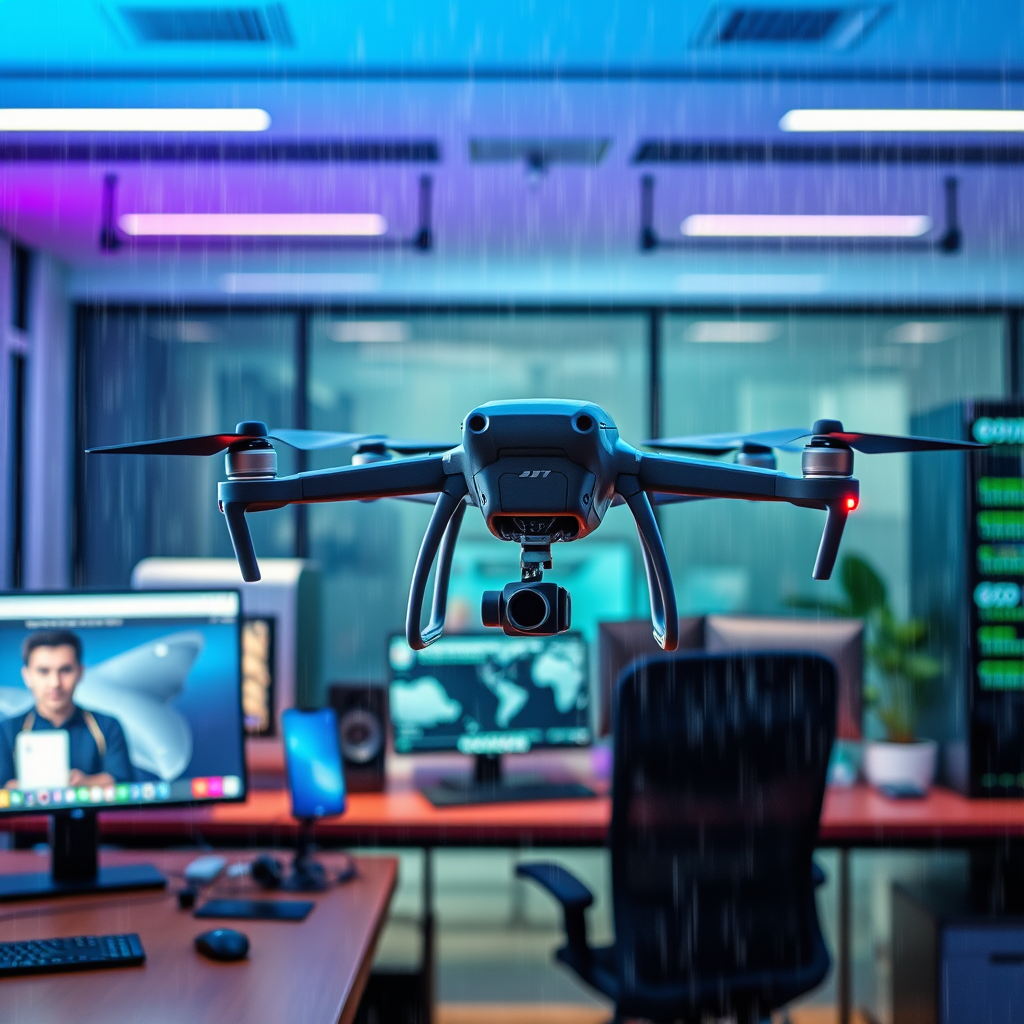
Yes, you can fly a drone in light rain, but it’s generally not recommended due to potential damage and performance issues. While some drones are engineered to withstand minor wet conditions, flying in the rain poses risks that can compromise not only the drone’s functionality but also safety. In this article, we’ll explore the risks involved, the types of drones designed for wet conditions, and tips to ensure safe flying when faced with rain.
Understanding Drone Weather Resistance
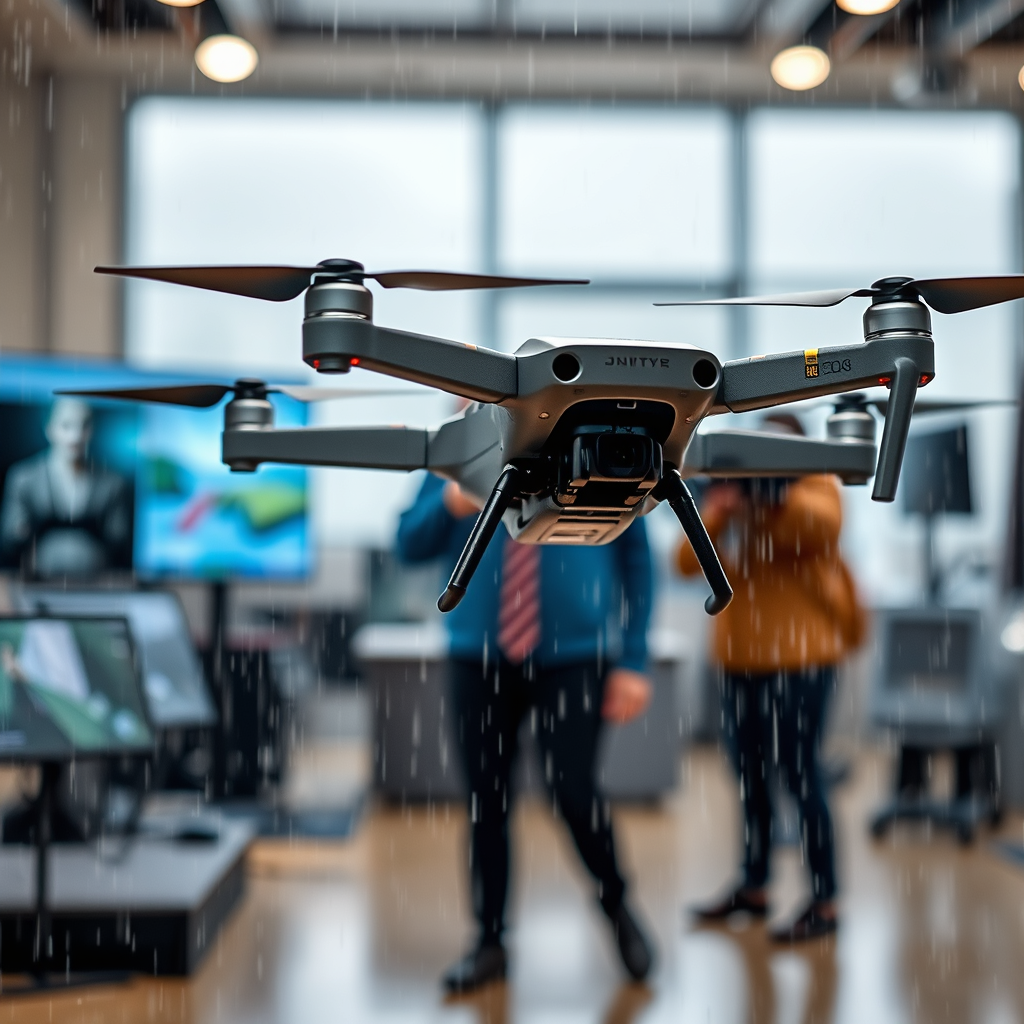
Many consumer drones are not waterproof and can be damaged by moisture. The majority of recreational models are built with lightweight materials that prioritize portability and ease of use over durability against the elements. When exposed to rain, these drones can suffer from short circuits, corrosion, and compromised battery performance, leading to potential crashes or failure to operate.
On the other hand, drones designed for professional use may have higher weather resistance ratings. These models often feature robust casings and are built to withstand harsh environments, including light rain and humidity. For instance, the DJI Matrice series is known for its resilience in adverse weather, making it a popular choice among commercial operators who may need to conduct aerial surveys or inspections in less-than-ideal conditions. Understanding the specifications of your drone is crucial before attempting to fly in the rain.
Risks of Flying a Drone in Rain
Flying a drone in rain carries several inherent risks. First and foremost, rain can affect the drone’s electronics, leading to malfunctions. Water intrusion can cause the flight controller, GPS, and other essential components to fail, which can result in the loss of control. Even minimal contact with moisture can lead to degraded performance, including reduced battery efficiency and disrupted signal transmission.
Additionally, reduced visibility can make it difficult to control the drone effectively. Rain can obscure your line of sight, making it challenging to navigate and maintain awareness of your surroundings. This is particularly concerning when flying at high altitudes or in areas with obstacles, as it increases the risk of collisions. Furthermore, the risk of losing the drone due to poor visibility is compounded in unfamiliar environments.
Types of Drones Suitable for Rainy Conditions
For those who require the ability to operate in wet conditions, there are specific types of drones that are more suitable. Waterproof drones are specifically designed to operate in wet environments, and they typically have a higher IP (Ingress Protection) rating. For example, the Swellpro Splash Drone 3 is fully waterproof and can land on water, making it an excellent choice for marine applications or search-and-rescue missions.
Additionally, certain drones come equipped with protective casings that can shield them from rain. These add-ons can be particularly useful for standard consumer drones. Companies like DJI offer protective accessories that can help mitigate the risk of water damage, though they may not provide complete protection against heavy rain. It’s essential to remember that while these drones may handle light rain, heavy downpours or storms should always be avoided.
Tips for Flying a Drone in Rain
If you find it necessary to fly a drone in light rain, there are several tips to follow to enhance safety and minimize risks. First and foremost, always check weather reports before flying and avoid heavy rain. Even if the forecast indicates light rain, keep a close watch on changing conditions and be prepared to land if the weather worsens.
Using additional protective gear, such as rain covers, for your drone can provide an extra layer of defense against moisture. Many manufacturers offer these accessories, which can help keep critical components dry. Additionally, consider flying at lower altitudes to maintain better control and visibility.
Another important tip is to conduct pre-flight checks to ensure that all components of the drone are functioning correctly. Inspect the drone for any signs of wear or damage before flying, especially after previous exposure to moisture. If you notice any discrepancies, it’s best to delay your flight until the drone is fully operational.
Maintenance After Flying in Rain
Proper maintenance after flying in the rain is crucial to prolonging the life of your drone. Clean and dry your drone thoroughly after exposure to moisture. Gently wipe down the drone body with a soft cloth and ensure that all ports and openings are free from water and debris.
It’s also important to inspect for any signs of water damage or corrosion in electronics. Pay special attention to the battery and connectors, as these components are particularly susceptible to moisture. If you detect any issues, consult the manufacturer’s guidelines or seek professional servicing to address potential damage before the next flight.
Legal Considerations for Flying in Rain
Before flying a drone in rainy weather, it’s essential to be aware of local regulations that might restrict drone operation in adverse weather conditions. Many regions have specific laws governing drone flights, including safety and operational protocols during inclement weather. Adhering to these regulations not only ensures compliance but also prioritizes the safety of your drone and those around you.
Always prioritize safety and follow guidelines set by aviation authorities. If conditions are uncertain or severe, it’s best to wait for clearer weather before flying. Remember that drone operation in poor visibility can lead to accidents or unintended consequences, which could result in legal repercussions.
In conclusion, while it is possible to fly a drone in light rain, it carries risks that can compromise the drone’s performance and longevity. Understanding the weather resistance of your drone, recognizing the risks involved, and following safety tips can help mitigate these challenges. Always consider the conditions and take necessary precautions to protect your equipment. If conditions are uncertain or severe, it’s best to wait for clearer weather before flying. By prioritizing safety and making informed decisions, you can enjoy a successful and responsible drone flying experience.
Frequently Asked Questions
Can you fly a drone in the rain?
While it is technically possible to fly a drone in light rain, it is generally not recommended. Most consumer drones are not designed to be water-resistant, and exposure to moisture can damage internal components, reduce battery life, and affect flight stability. If you must fly in rainy conditions, ensure your drone has a high IP rating for water resistance, and monitor the weather conditions closely to avoid severe weather.
What are the risks of flying a drone in rainy weather?
Flying a drone in rainy weather poses several risks, including reduced visibility and potential water damage. Rain can obstruct the drone’s camera, making it difficult to navigate, and can also cause the drone to become heavier due to water accumulation. Furthermore, wet conditions can lead to increased electrical short-circuiting, which may result in a complete system failure mid-flight.
How do I protect my drone from rain if I need to fly in wet conditions?
To protect your drone from rain, consider using a waterproof drone cover or enclosure designed specifically for your drone model. Additionally, you can apply a water-resistant spray on non-electronic surfaces to offer some protection against moisture. However, the best practice is to avoid flying in rain altogether, as even protective measures may not guarantee complete safety.
Why is it important to check weather conditions before flying a drone?
Checking weather conditions before flying a drone is crucial for ensuring safe and successful operation. Adverse weather, such as rain, wind, or thunderstorms, can significantly impact drone performance, including stability, battery life, and control. Moreover, flying in poor weather can increase the risk of accidents and damage to your equipment, making it essential to plan for optimal flying conditions.
Which drones are suitable for flying in rain or wet conditions?
Drones specifically designed for wet conditions typically have higher IP ratings, indicating their water resistance capabilities. For example, the DJI Mavic 2 Enterprise and the Parrot Anafi USA are known for their rugged designs and some level of water resistance. However, even these drones should be flown cautiously in rain, and it’s always best to refer to the manufacturer’s guidelines regarding water exposure and flying in inclement weather.
References
- https://www.faa.gov/uas/faq
- https://www.purdue.edu/drones/faq/
- https://www.suasnews.com/2020/08/flying-drones-in-the-rain-what-you-need-to-know/
- https://www.droneflyers.com/2019/11/flying-drones-in-the-rain-what-to-know/
- https://www.droneblog.com/2020/06/15/can-you-fly-a-drone-in-the-rain/
- https://www.theverge.com/2020/5/12/21254659/drones-flying-rain-weather-tips-precautions
