
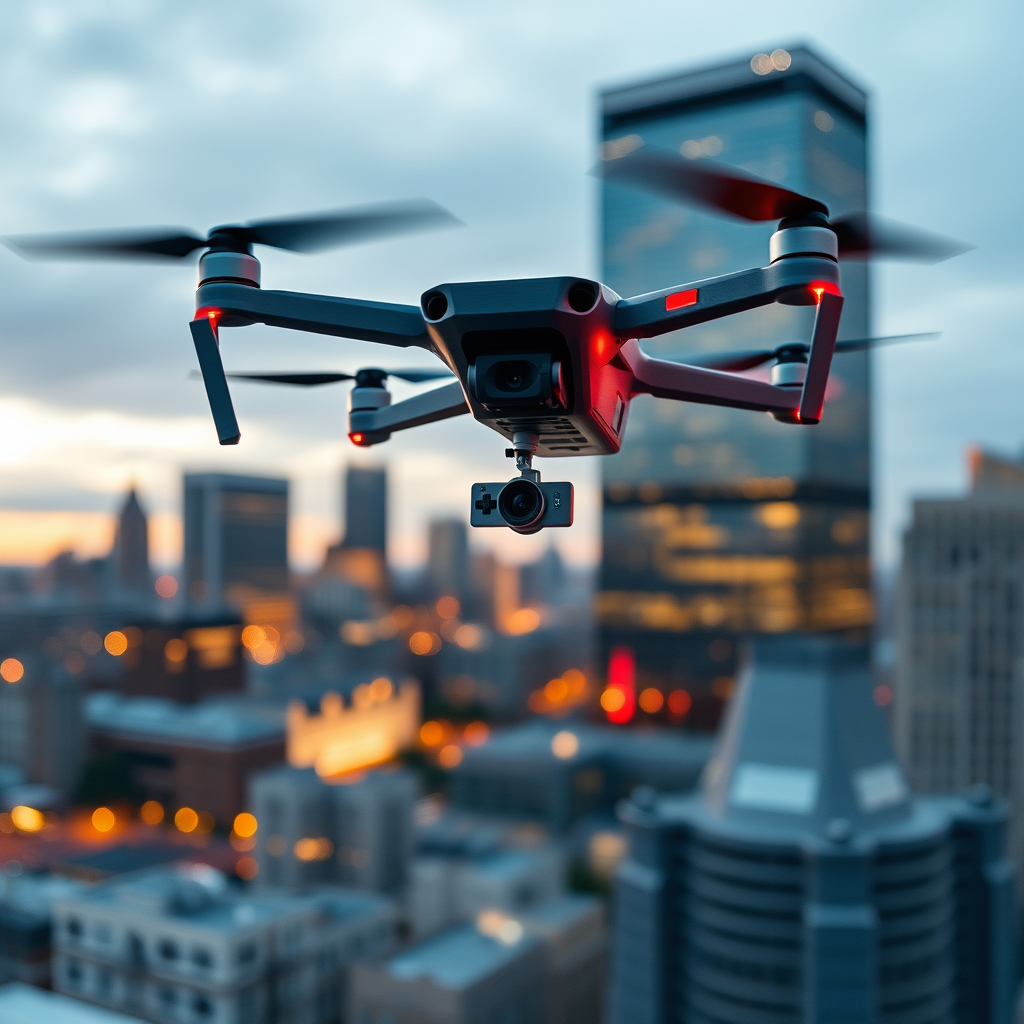
Yes, you can fly a drone in San Francisco, but there are specific regulations and restrictions to consider. The city, known for its iconic landscapes and bustling urban environment, has established guidelines to ensure the safety of both drone operators and the general public. Before launching your drone, it’s essential to familiarize yourself with local laws, federal regulations, and areas that might pose restrictions. This comprehensive guide outlines everything you need to know to fly your drone responsibly in San Francisco.
Understanding Local Regulations
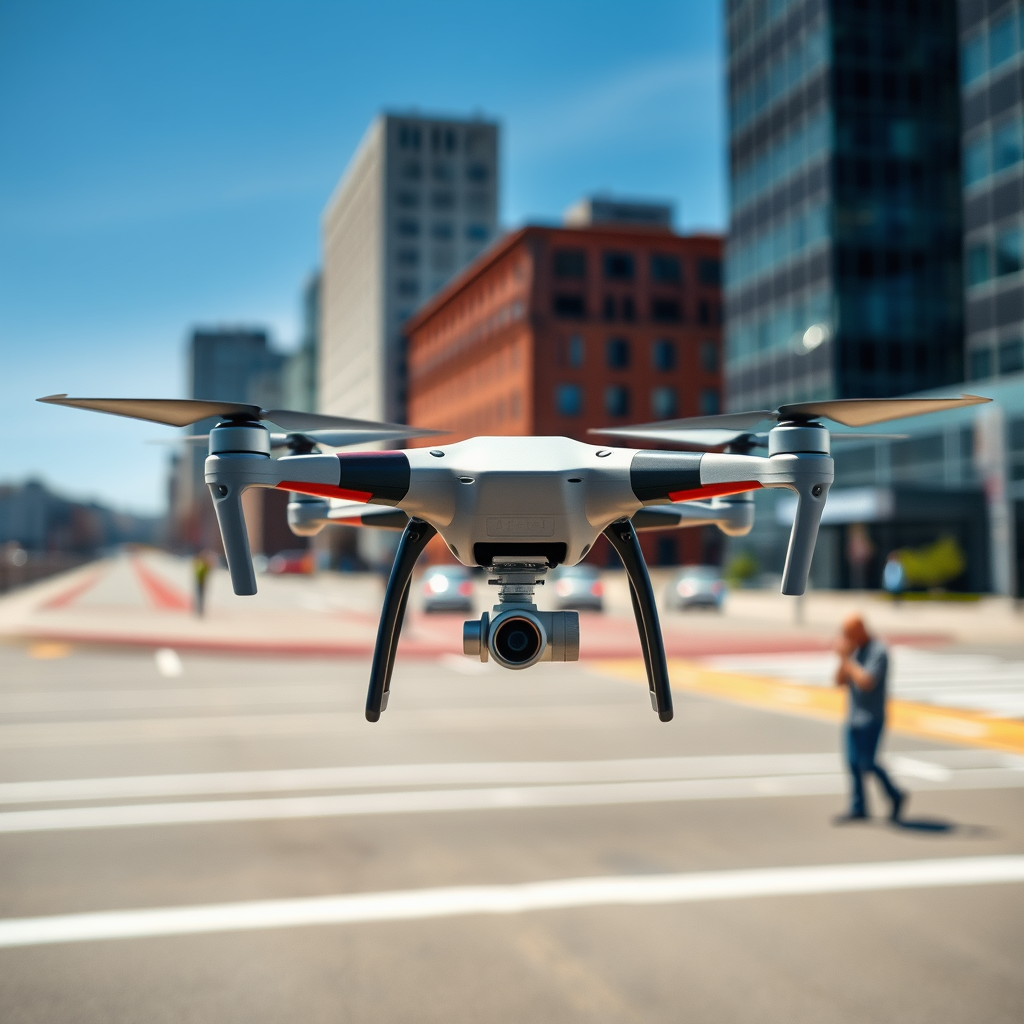
The City of San Francisco has specific laws governing drone use that are designed to promote safety and minimize disturbances. Under city ordinance, flying drones in public parks is generally prohibited, particularly in high-traffic areas like Golden Gate Park and Dolores Park, where large crowds often gather. Moreover, drones cannot be flown over areas where people are gathered or in proximity to events that draw substantial crowds. The city also prohibits flying drones within 25 feet of any person or animal unless you have their explicit consent.
San Francisco has established a dedicated drone regulation page to keep pilots informed about local laws. Failing to adhere to these regulations can result in fines and penalties, emphasizing the importance of being aware of the rules before you take to the skies. Additionally, it is advisable to check with local municipal offices or the San Francisco Recreation and Parks Department for the most current regulations, as policies can change.
Federal Aviation Administration (FAA) Guidelines
All drone pilots in the United States, including those flying in San Francisco, must comply with the Federal Aviation Administration (FAA) rules. These regulations are designed to ensure airspace safety and can be summarized in a few key points:
1. Registration: All drones weighing more than 0.55 pounds must be registered with the FAA. This registration process is straightforward and can be done online, requiring a small fee and providing a unique identification number that must be displayed on the drone.
2. Operational Limitations: Drones must be flown below 400 feet, which is the maximum altitude to maintain a safe distance from manned aircraft. Additionally, pilots must keep their drones within their visual line of sight at all times, ensuring they can effectively monitor the drone’s operation.
3. Daylight Operations: Drones are only permitted to be flown during daylight hours, although operations during twilight hours might be allowed if the drone is equipped with appropriate lighting.
4. No Flying Over People: The FAA prohibits flying drones over people unless they are part of the operation (e.g., crew members) or if the drone is certified under specific categories that allow such flights.
Understanding and adhering to these FAA guidelines is crucial for safe and legal drone operation in San Francisco and across the United States.
Restricted Zones in San Francisco
Certain areas in San Francisco are designated as no-fly zones due to safety concerns or sensitive locations. These include:
– Proximity to Airports: San Francisco International Airport (SFO) and smaller airports, such as the San Carlos Airport, have strict airspace regulations. Drones should not be flown within a 5-mile radius of these airports without prior notification and clearance from the control towers.
– Military Bases: Areas surrounding military installations, such as the Presidio, are also restricted. The federal government has stringent regulations regarding airspace near military bases, and violating these rules can lead to severe legal consequences.
– Landmarks: Famous landmarks like the Golden Gate Bridge and Alcatraz Island may have additional restrictions or require special permits for drone flights, particularly for commercial use. Operators should consult the National Park Service for regulations pertaining to drone use in national park areas.
It is essential to utilize online tools, such as the FAA’s B4UFLY app, which can help drone pilots determine where they can and cannot fly based on their location.
Obtaining Necessary Permissions
While many areas in San Francisco allow drone use, some locations may require special permits or permissions. For instance, commercial drone operators must obtain a Part 107 certification from the FAA, which encompasses a test of knowledge about regulations, airspace, weather, and drone operations.
For specific locations, such as parks or landmarks, you may need to apply for a permit through city agencies or other governing bodies. This process typically involves submitting an application detailing your intended flight plan, the purpose of the flight, and proof of insurance.
Furthermore, it’s essential to stay informed about temporary flight restrictions (TFRs) that can be issued for various reasons, including special events, emergencies, or airshows. These restrictions are often time-sensitive and can significantly affect where you can legally fly.
Best Practices for Responsible Flying
Responsible drone operation is not only about following the law but also about being a considerate member of the community. Here are some best practices to keep in mind:
– Respect Privacy: Always be aware of privacy concerns when flying. Avoid flying over private property without permission and be mindful of capturing images or video that might infringe on someone’s privacy.
– Wildlife Awareness: San Francisco is home to diverse wildlife, particularly in areas such as the Presidio and along the waterfront. Avoid flying in sensitive ecological areas, especially during nesting seasons, to minimize disturbance to local fauna.
– Community Engagement: Engaging with local drone communities can help foster a positive image of drone pilots. Participate in forums, attend meetups, and share your experiences with other drone enthusiasts.
By adhering to these practices, you can ensure a positive experience for yourself and those around you while enjoying the stunning vistas that San Francisco has to offer.
Popular Drone Flying Locations
For those eager to take their drones to the skies in San Francisco, several locations are more accommodating for drone pilots. Here are a few suggestions:
– Crissy Field: This popular spot offers vast open spaces with breathtaking views of the Golden Gate Bridge and the bay. As a former military airfield, it provides ample room for flying, though it’s still essential to check local guidelines.
– Ocean Beach: With its expansive sandy shores, Ocean Beach is another excellent location for drone flying. The open space allows for unobstructed flying, but pilots should remain aware of the presence of beachgoers and wildlife.
– Treasure Island: Located in the middle of the San Francisco Bay, Treasure Island offers a unique perspective of the skyline and the Bay Bridge. The area generally has fewer restrictions, but pilots should still confirm local regulations.
Before heading to any location, always verify the specific rules and guidelines regarding drone use to ensure compliance and safety.
Flying a drone in San Francisco is permissible but comes with strict regulations and responsibilities. By understanding local laws, adhering to FAA guidelines, and being mindful of restricted zones, you can enjoy the rich landscapes of this iconic city safely and lawfully. Always conduct thorough research, stay informed about evolving regulations, and prioritize responsible flying practices to ensure a positive experience for yourself and the community.
Frequently Asked Questions
What are the drone flying regulations in San Francisco?
In San Francisco, drone flying is regulated by both federal and local laws. The Federal Aviation Administration (FAA) requires drone operators to follow guidelines, such as flying below 400 feet and keeping their drone within visual line-of-sight. Additionally, local regulations prohibit flying drones in certain areas, including near the Golden Gate Park and over populated areas, which may require a special permit. Always check for updated regulations before flying.
How can I obtain permission to fly my drone in San Francisco?
To fly a drone in San Francisco, especially in restricted areas, you may need to apply for a waiver from the FAA or obtain a permit from local authorities. Start by checking the FAA’s website for guidelines on obtaining a Part 107 certification if you intend to fly commercially. For recreational flying, familiarize yourself with local laws and consider contacting the San Francisco Recreation and Parks Department for specific park rules.
Why are there restrictions on flying drones in San Francisco?
Restrictions on flying drones in San Francisco primarily aim to ensure public safety, protect privacy, and preserve the city’s iconic landmarks. The densely populated urban environment increases the risk of accidents and disturbances, especially around attractions like the Golden Gate Bridge and Alcatraz Island. These regulations help to minimize potential hazards and maintain the quality of life for residents and visitors.
What are the best places to fly a drone in San Francisco?
The best places to fly a drone in San Francisco include areas with fewer restrictions, such as some beaches and open spaces outside of the city center. Locations like Ocean Beach, Lands End, and parts of the Presidio may provide good opportunities, but always verify local regulations beforehand. It’s recommended to choose early mornings or weekdays to avoid crowds and ensure a safer flying experience.
Can I fly a drone over Golden Gate Park?
No, flying a drone over Golden Gate Park is prohibited without special permission. The park is a protected area with strict regulations to ensure the safety and enjoyment of its visitors. If you wish to film or take photographs in this iconic location, consider obtaining the necessary permits and always respect the park’s rules to avoid fines or penalties.
References
- https://www.faa.gov/uas/getting_started/part_107
- https://www.sfgov.org/site/recpark/page-10339.html
- https://www.nps.gov/goga/planyourvisit/drone-use-in-golden-gate-national-park.htm
- https://www.nolo.com/legal-encyclopedia/drone-laws-california-29793.html
- https://www.wired.com/story/what-you-need-to-know-about-drones-in-california/
- https://www.sfgate.com/local/article/drone-fees-san-francisco-parks-15930301.php
