
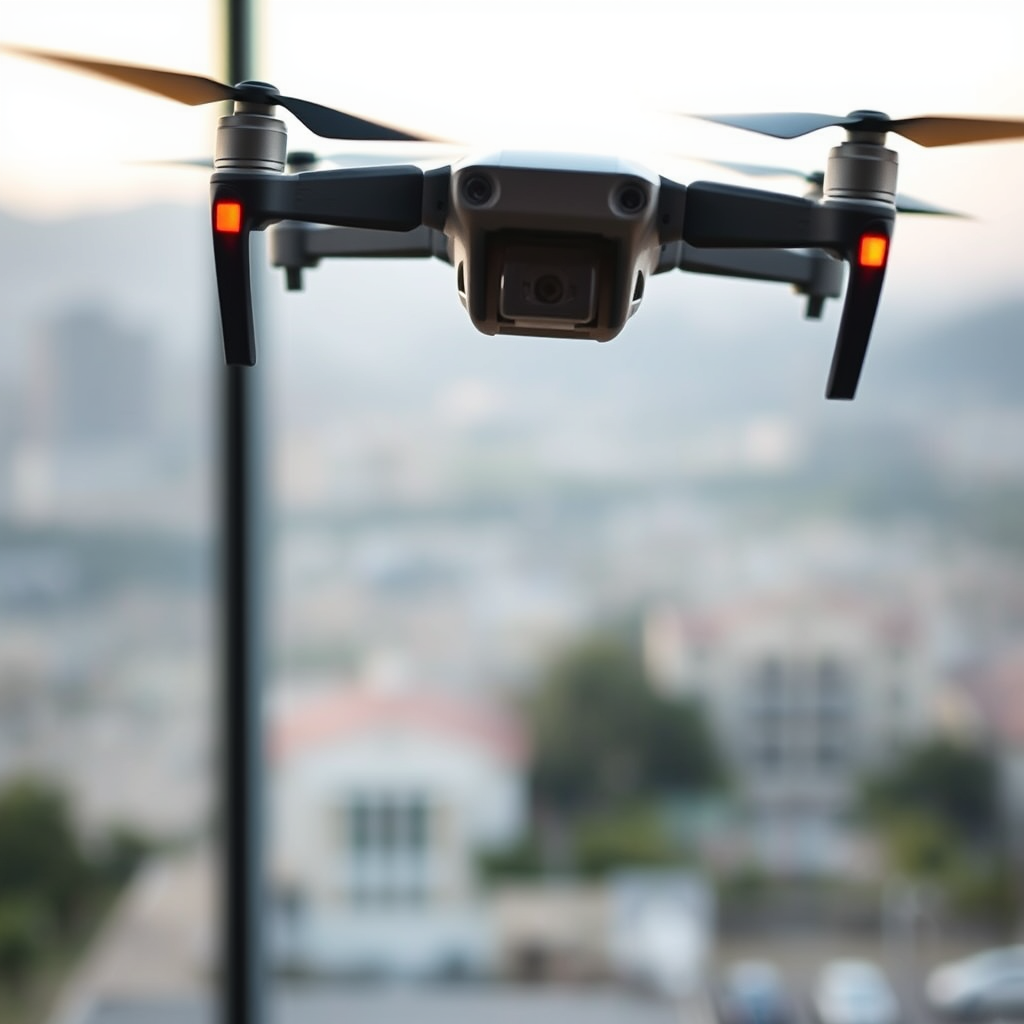
Yes, you can fly a drone in South Africa, but there are specific regulations and guidelines you must follow to ensure safe and legal operation. The South African Civil Aviation Authority (SACAA) oversees these regulations, which are designed to protect both the public and air traffic. As drone technology continues to evolve, understanding these rules is essential for both recreational and commercial drone operators looking to navigate the skies safely.
Understanding Drone Regulations in South Africa
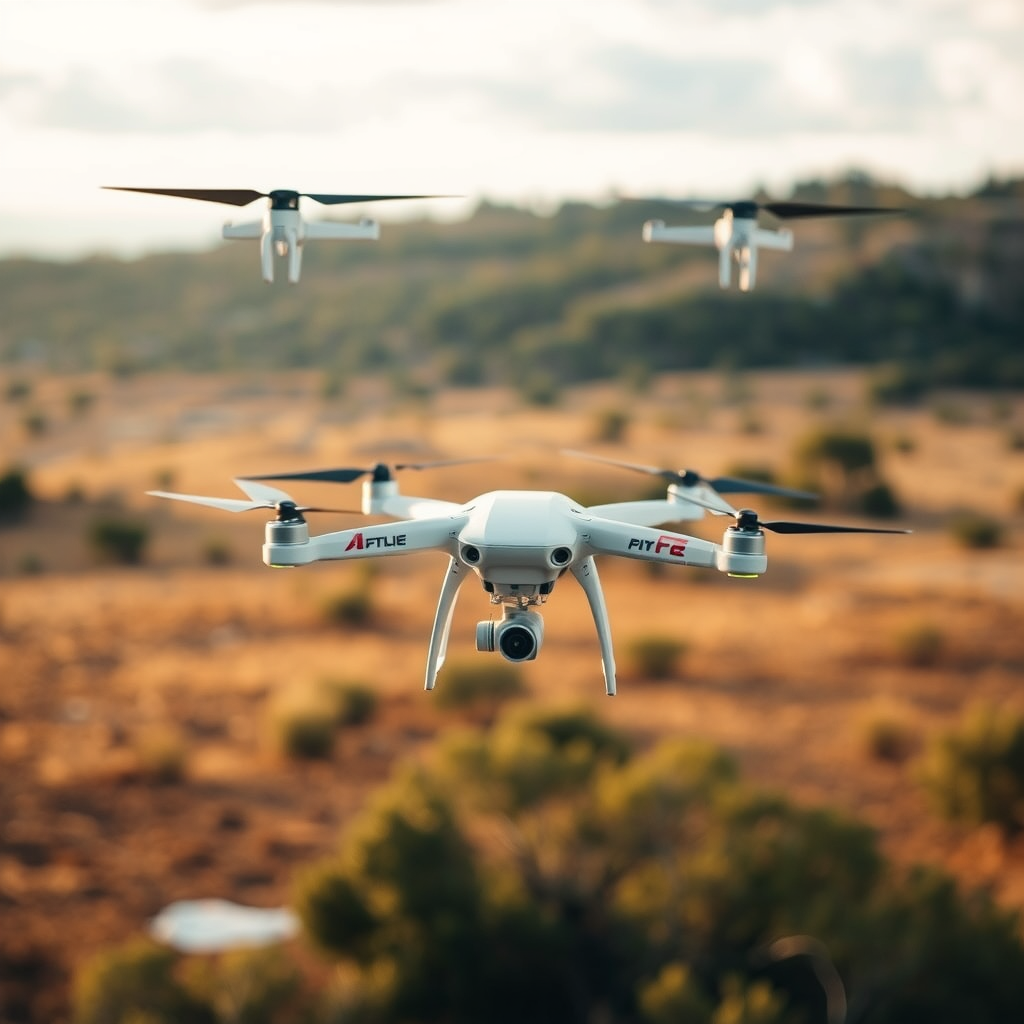
The South African Civil Aviation Authority (SACAA) governs all aspects of drone operations within the country. Established to ensure the safety of air travel, the SACAA has created a framework of regulations that drone pilots must adhere to. One of the key regulations is that drones weighing more than 7 kg must be registered with the SACAA. This registration process is crucial, as it helps the authority to monitor drone activity and ensure compliance with safety standards.
Additionally, the SACAA has implemented specific operational requirements that drone pilots must follow. For example, drone pilots are required to understand airspace classifications and comply with any restrictions related to controlled airspace. Awareness of these regulations not only promotes safe flying but also fosters a culture of responsibility among drone operators.
Licensing Requirements
For individuals looking to use drones for commercial purposes, obtaining a Remote Pilot License (RPL) is mandatory. The RPL is a certification that demonstrates a pilot’s knowledge and ability to operate drones safely and effectively. The process of acquiring this license involves completing a training program, passing a written exam, and demonstrating practical flying skills. The SACAA has laid out a clear path for obtaining an RPL, which often includes both theoretical and practical components.
Conversely, recreational drone users are not required to hold a license, but this does not mean they should fly without knowledge of safe practices. While licensing may not be enforced for hobbyists, it is vital for drone operators to prioritize safety, understand the basic rules, and be aware of their surroundings when flying. This can help avoid accidents and potential legal issues that could arise from improper drone use.
No-Fly Zones and Restricted Areas
Understanding where you can and cannot fly your drone is crucial for compliance with South African regulations. Drones are prohibited from operating within a 10 km radius of airports and airfields, a regulation designed to protect both manned and unmanned aircraft. Violating this rule can lead to severe penalties, including fines and possible criminal charges.
Moreover, specific areas such as national parks and nature reserves have their own restrictions. For instance, the Kruger National Park has explicitly banned drone usage to protect wildlife and preserve the natural environment. Other regions may have temporary restrictions in place due to events, emergencies, or specific conservation efforts. Therefore, it is essential for drone operators to research and verify any local restrictions before flying.
Operational Guidelines for Safe Flying
To ensure a safe flying experience, adhering to operational guidelines is imperative. One fundamental rule is maintaining a visual line of sight with your drone at all times. This visibility is crucial for avoiding obstacles and ensuring the safety of other airspace users.
Additionally, flying below 120 meters (400 feet) is a standard regulation that helps manage airspace and reduces the risk of collisions. Drone operators should also avoid flying over people or large crowds, as this can pose serious safety risks. Responsible flying includes being aware of weather conditions, avoiding flying in high winds or poor visibility, and ensuring that the drone is in good working condition before takeoff.
Insurance and Liability Considerations
While not mandated, obtaining liability insurance for drone operations is a prudent step for both commercial and recreational pilots. Insurance can provide peace of mind by covering potential damages or injuries that may occur during flight. In South Africa, various insurance providers offer policies specifically tailored for drone operators, which can include coverage for property damage, personal injury, and even theft of the drone.
Moreover, understanding your responsibilities and liabilities as a drone operator is vital. In the event of an accident or incident, the operator may be held accountable for damages or injuries caused by their drone. Being informed about these responsibilities can help drone pilots make better decisions and operate their devices more safely.
Tips for Responsible Drone Use
Practicing responsible drone use not only ensures compliance with regulations but also enhances the overall public perception of drone technology. One of the most important tips is to respect the privacy of others. Avoid flying over private property without obtaining permission from the property owner, as this can lead to privacy violations and potential legal disputes.
Staying updated on local laws and any changes in regulations is also essential. The world of drone technology is rapidly evolving, and staying informed can help prevent unintended violations. Joining local drone clubs or online communities can be beneficial for networking, sharing knowledge, and staying abreast of new regulations.
Lastly, consider participating in educational workshops or seminars focused on drone safety and regulations. Many organizations offer resources that can help both new and experienced drone pilots better understand the legal landscape and operational best practices.
In conclusion, while flying a drone in South Africa is certainly possible, it is essential to understand and adhere to the regulations in place. By following the guidelines outlined in this article, such as obtaining necessary licenses, respecting no-fly zones, and prioritizing safety, you can enjoy a safe and responsible drone flying experience. Engaging with the community and educating yourself further can also enhance your skills as a drone pilot, ensuring that you contribute positively to the future of drone usage in South Africa.
Frequently Asked Questions
What are the regulations for flying a drone in South Africa?
In South Africa, drone operators must adhere to the regulations set by the South African Civil Aviation Authority (SACAA). This includes obtaining a Remote Pilot License (RPL) for commercial use and registering your drone if it weighs over 7 kg. Additionally, operators must follow specific safety guidelines, such as maintaining visual line-of-sight and not flying above 120 meters (394 feet), particularly in urban areas.
How can I get a drone license in South Africa?
To get a drone license in South Africa, you need to complete a training program from a SACAA-approved training organization. This program typically includes both theoretical and practical training, covering topics like air law, navigation, and meteorology. After completing the training, you must pass a written examination and a practical flight test to obtain your Remote Pilot License (RPL), which is essential for flying drones commercially.
Why do I need to register my drone in South Africa?
Registering your drone in South Africa is crucial for compliance with the law and helps ensure safe flying practices. The SACAA requires drone registration for all unmanned aerial vehicles (UAVs) exceeding 7 kg to maintain accountability and safety in the airspace. Failure to register can result in legal penalties, including fines and the confiscation of your drone.
What are the best practices for flying a drone in South Africa?
The best practices for flying a drone in South Africa include always flying within your visual line of sight, avoiding restricted airspaces, and being aware of local wildlife and people. It’s also important to conduct a pre-flight check to ensure your drone is in good working condition and to respect privacy laws by not infringing on individuals’ rights. Lastly, always check the weather conditions before your flight to ensure a safe flying experience.
Which locations are ideal for flying drones in South Africa?
Ideal locations for flying drones in South Africa include open spaces like national parks, beaches, and rural areas where you can enjoy scenic views without disturbing people or wildlife. Popular spots include the Drakensberg Mountains, Table Mountain National Park, and various game reserves. However, always ensure you check the local regulations and obtain any necessary permits before flying in these areas to comply with SACAA guidelines.
References
- https://www.caa.co.za/Pages/Drone-Operations.aspx
- https://www.gov.za/documents/national-civil-aviation-regulations-2018-0
- https://en.wikipedia.org/wiki/Drone_regulations_in_South_Africa
- https://www.aviation.gov.za/
- https://www.saflii.org/za/cases/ZAGPJHC/2020/4.html
- https://www.dronelife.com/2020/05/18/south-africa-drone-regulations-2020/
