
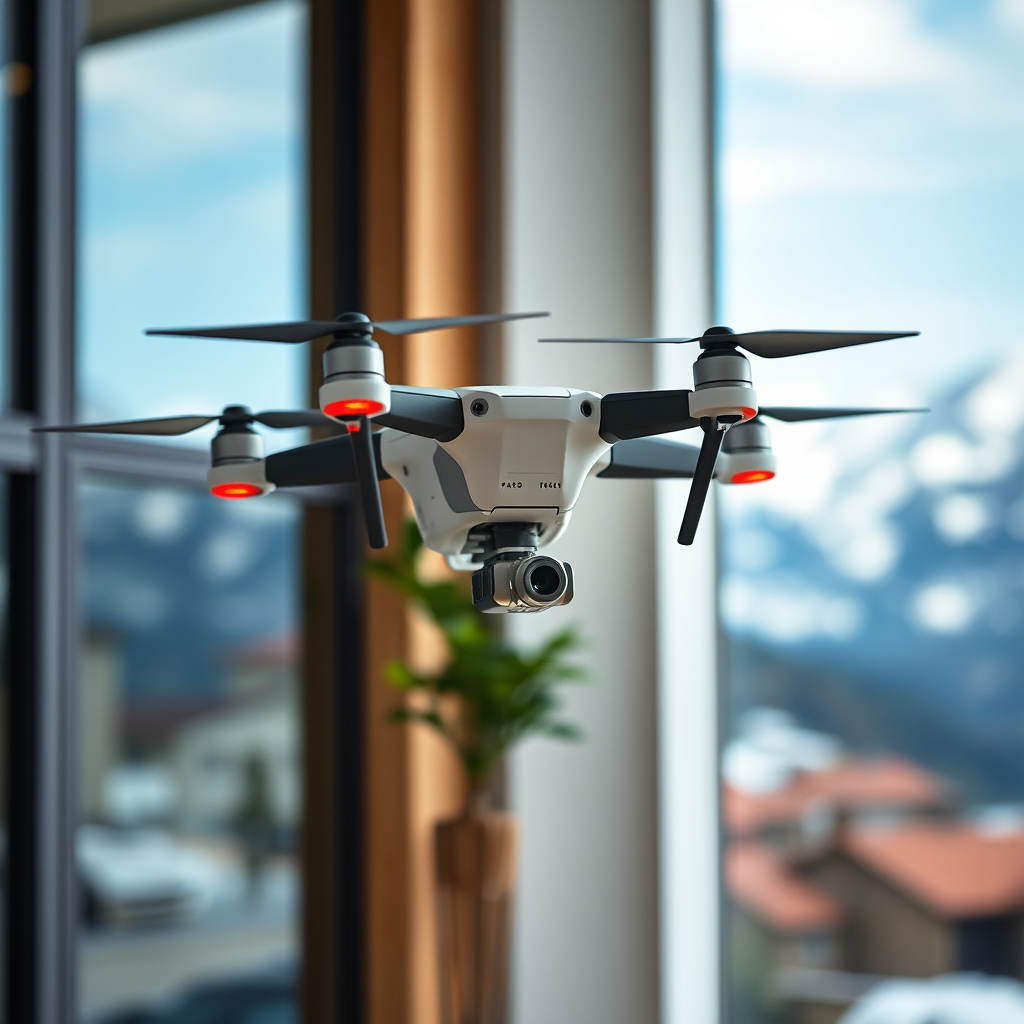
Yes, you can fly a drone in Switzerland, but there are specific regulations and guidelines you must follow to ensure safety and compliance. Understanding these rules will help you enjoy your drone flying experience while respecting the Swiss airspace and local laws. Switzerland is known for its breathtaking landscapes, making it an attractive destination for drone enthusiasts. However, adhering to the established regulations is crucial for both legal compliance and safety.
Understanding Swiss Drone Regulations
Switzerland has strict regulations governing drone operations, which are overseen by the Federal Office of Civil Aviation (FOCA). The regulations are designed to ensure the safety of both the drone pilots and the general public. In Switzerland, drone operators are required to understand and comply with both national and regional laws, as these can vary significantly by canton. For instance, some areas may impose additional restrictions based on local safety concerns or environmental considerations.
The Swiss regulations classify drones into different categories based on their weight and intended use. Drones that weigh more than 250 grams are subject to more stringent rules. These regulations not only cover where and how you can fly but also emphasize the importance of responsible drone use, promoting safety and respect for privacy. By keeping abreast of these regulations, operators can avoid potential fines and legal issues while contributing to the overall safety of Swiss airspace.
Registration and Licensing
For drone operators in Switzerland, registration is a fundamental requirement. Drones that exceed a weight of 250 grams must be registered with FOCA, and operators must also obtain a permit to operate these drones legally. This process involves submitting an application that includes personal details, drone specifications, and intended usage. The registration is essential for ensuring that all drones in the airspace are accounted for, which is critical for safety and regulatory compliance.
If you are planning to use your drone for commercial purposes, you must acquire a specific license. This involves completing training and certification programs that ensure you possess the necessary skills and knowledge to operate a drone safely and legally. The commercial certification process may include theoretical and practical exams, covering topics such as air law, meteorology, and safe operational practices. By obtaining the appropriate licensing, you not only comply with legal requirements but also enhance your credibility as a responsible drone operator.
No-Fly Zones and Restrictions
When flying a drone in Switzerland, it is imperative to be aware of no-fly zones and other restrictions that are in place to protect sensitive areas. Certain locations, such as airports, military zones, and nature reserves, are designated as no-fly zones due to safety and environmental considerations. For example, flying near an airport could pose significant risks to manned aircraft, while nature reserves may have restrictions to protect wildlife and natural habitats.
To avoid legal issues, drone pilots should always check local maps and regulations before flying. The Swiss government provides resources, including interactive maps that indicate no-fly zones and areas with specific operational restrictions. By staying informed about these areas, you can ensure that your drone activities remain compliant with local laws, thereby avoiding potential fines or legal repercussions. It’s also wise to continuously monitor updates, as regulations may change or new no-fly zones may be established.
Safety and Operational Guidelines
Safety is paramount when flying a drone, and adhering to operational guidelines can significantly reduce risks. One of the fundamental rules is to maintain a visual line of sight with your drone at all times. This practice allows you to monitor your drone’s behavior and surroundings, reducing the likelihood of accidents. Moreover, it is advisable to fly your drone at a maximum altitude of 120 meters (393 feet) to prevent interference with manned aircraft, which typically operate at higher altitudes.
Additionally, drone operators should avoid flying near crowds or populated areas. This not only minimizes the risk of accidents but also respects the privacy and safety of individuals in those areas. It’s essential to be aware of local events or gatherings that may attract large groups of people, as flying drones in such situations could lead to conflicts or safety hazards. By following these safety guidelines, drone pilots can ensure responsible flying practices that protect both themselves and the public.
Insurance Requirements
While liability insurance is not mandatory for recreational drone pilots in Switzerland, obtaining it is highly recommended. Insurance can provide financial protection in case of accidents that lead to property damage or personal injury. This is particularly important in a picturesque country like Switzerland, where the risk of flying over beautiful landscapes may tempt operators to push the boundaries. Having liability insurance can provide peace of mind, allowing you to focus on enjoying your flying experience.
For commercial operators, insurance is a legal requirement. Commercial drone operations involve higher stakes due to the potential for greater damage or liability. Therefore, commercial pilots must ensure they have adequate insurance coverage to protect against potential damages and legal claims. Engaging with a specialized insurance provider that understands the unique risks associated with drone operations can help you secure the best coverage for your needs.
Respecting Privacy and Local Communities
Respecting the privacy of individuals and local communities is crucial when operating a drone in Switzerland. Drone pilots should avoid flying over private property without the owner’s permission, as this could lead to privacy violations and conflicts with residents. Engaging with local communities and obtaining consent can foster goodwill and enhance your experience as a drone pilot.
Moreover, being aware of cultural sensitivities and local customs is essential. Different regions may have varying levels of acceptance regarding drone usage. By taking the time to understand and respect local sentiments, you can avoid unnecessary confrontations and contribute positively to the communities you are flying in. Building rapport with locals can also provide valuable insights into the best flying locations and practices, enriching your drone flying experience.
Resources for Drone Pilots in Switzerland
For those looking to stay informed and connected, numerous resources are available to support drone pilots in Switzerland. Online platforms and mobile applications often provide updates on regulations, no-fly zones, and operational guidelines. These tools can be invaluable for ensuring compliance and enhancing your flying experience.
Additionally, joining local drone flying clubs offers an excellent opportunity for networking and sharing experiences with fellow enthusiasts. Many clubs organize meetups, training sessions, and events that can help you improve your skills and knowledge as a drone operator. Engaging with the drone community can provide support, friendship, and a wealth of information about the best practices and locations for flying in Switzerland.
In conclusion, flying a drone in Switzerland is indeed possible but requires adherence to specific regulations and guidelines. Understanding the requirements for registration and licensing, being aware of no-fly zones, following safety guidelines, and respecting privacy are all crucial components of responsible drone operation. By staying informed and engaged with local communities and resources, you can enhance your flying experience while ensuring compliance with the law and respect for others. Always check the latest information before your flight to ensure a safe and enjoyable experience in the beautiful Swiss skies.
Frequently Asked Questions
What are the regulations for flying a drone in Switzerland?
In Switzerland, drone regulations are governed by the Federal Office of Civil Aviation (FOCA). Drone operators must adhere to specific rules, such as maintaining a maximum altitude of 120 meters and avoiding flying over populated areas or large gatherings. Additionally, drones must be registered if they weigh more than 250 grams, and operators are required to have liability insurance. Always check for local restrictions or no-fly zones before your flight.
How do I register my drone in Switzerland?
To register your drone in Switzerland, you must first visit the Federal Office of Civil Aviation (FOCA) website and complete the online registration process. You’ll need to provide your personal details and information about your drone, including its weight and specifications. After registration, you will receive a unique identification number that must be displayed on your drone, especially if it weighs over 250 grams.
Why is it important to have liability insurance for drone flying in Switzerland?
Liability insurance is crucial for drone operators in Switzerland as it protects you financially in case of accidents that result in damage to property or injury to individuals. Swiss law requires drone pilots to have at least third-party liability insurance if their drone weighs over 500 grams. This insurance not only ensures compliance with regulations but also provides peace of mind while flying in various environments, including urban and rural areas.
What are the best practices for flying a drone in Switzerland?
To ensure a safe and enjoyable drone flying experience in Switzerland, follow these best practices: always maintain visual line of sight with your drone, avoid flying near airports or military zones, and respect the privacy of others by not capturing images without consent. Additionally, check the weather conditions, familiarize yourself with local regulations, and keep your drone within the allowed altitude limits to stay compliant and safe.
Which areas in Switzerland are restricted for drone flying?
In Switzerland, several areas are restricted for drone flying, including near airports, military installations, nature reserves, and populated urban areas. The Swiss air traffic control authority provides maps indicating no-fly zones, and it’s essential to consult these maps before your flight. Additionally, regions like the Jungfrau region, national parks, and ski resorts often have their own specific restrictions, so always verify local rules to avoid fines or penalties.
References
- https://www.bazl.admin.ch/bazl/en/home/drones.html
- https://www.faa.gov/uas/
- https://www.swissinfo.ch/eng/drone-regulations_in_switzerland–drones–rules-and-regulations/45003466
- https://www.easa.europa.eu/domains/civil-drones-rpas
- https://www.wto.org/english/res_e/reser_e/ersd2021_e.htm
- https://www.itu.int/en/ITU-R/terrestrial/fmd/Pages/default.aspx
- https://www.wipo.int/wipo_magazine/en/2020/01/article_0005.html
