
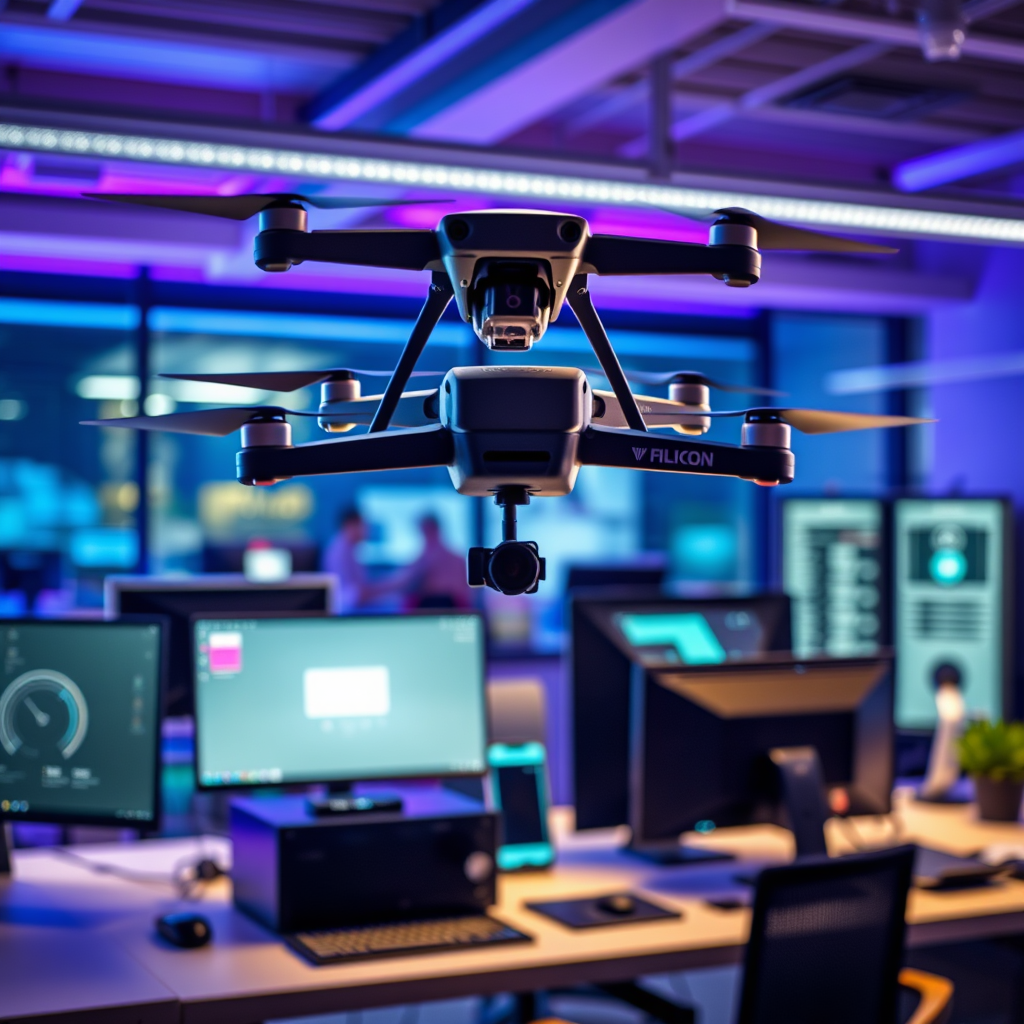
Yes, you can fly a drone in the UK, but there are specific regulations and requirements that you must follow to ensure safety and compliance. The UK has established a comprehensive framework of rules designed to govern the use of drones, ensuring that operators can enjoy this technology while minimizing risks to public safety and privacy. This guide will help you understand the key rules, necessary licenses, and best practices for flying your drone legally in the UK.
Understanding UK Drone Regulations
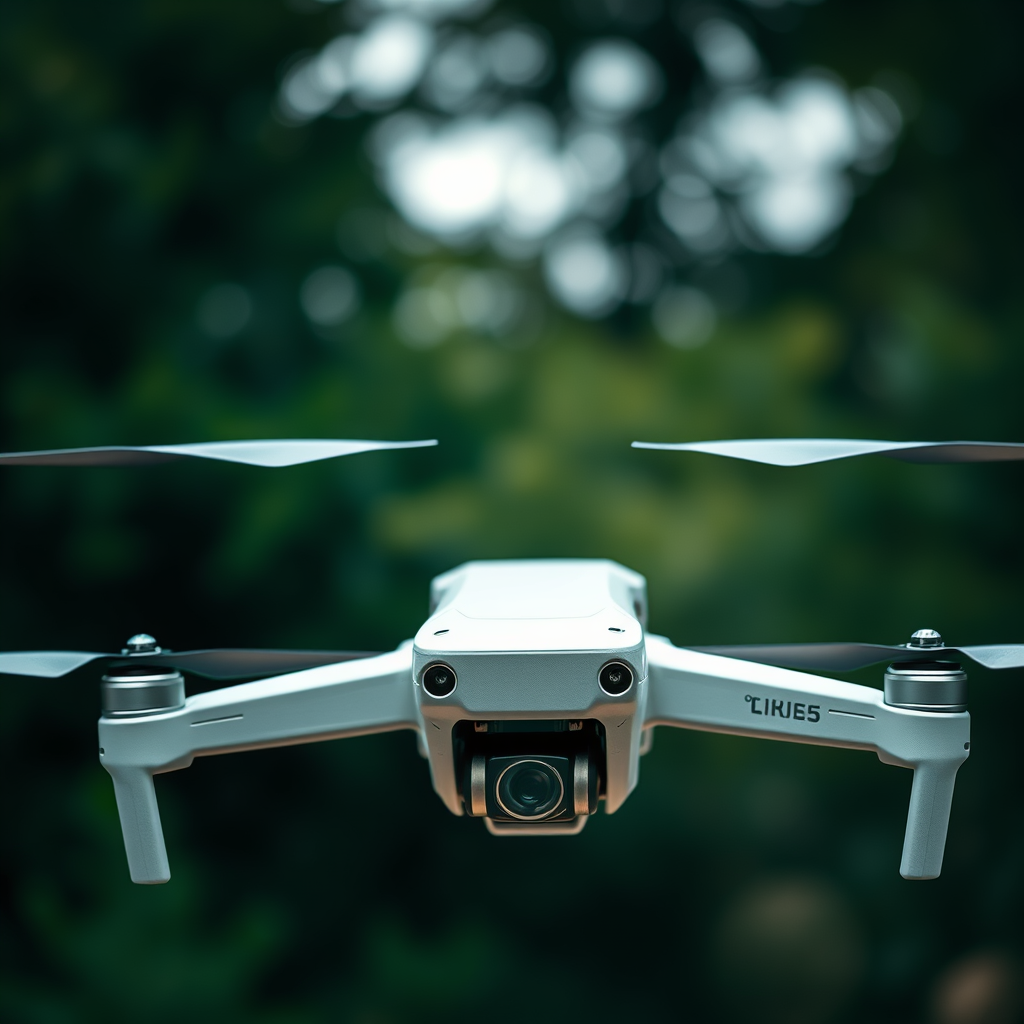
The UK Civil Aviation Authority (CAA) is the governing body responsible for overseeing drone use across the country. It has implemented a structured set of regulations to ensure safe airspace management and protect the rights of individuals. The regulations classify drones into categories based on their weight and intended use. Drones are categorized as follows:
1. Open Category: This is for low-risk operations, where drones weigh up to 25 kilograms and are flown in areas where there is little risk to people and property. Pilots in this category must adhere to specific limitations, including altitude restrictions and distance from uninvolved persons.
2. Specific Category: This category is designed for operations that may pose a greater risk. It requires pilots to apply for permission from the CAA and submit an operational risk assessment.
3. Certified Category: This is primarily for commercial operations involving larger drones, where the pilot must hold a specific license and comply with stringent regulatory requirements.
Understanding which category your drone falls under is essential for operating it legally in the UK.
Drone Registration Requirements
To promote accountability and safety in drone operations, the CAA mandates that all drones weighing over 250 grams must be registered. This registration process involves obtaining a unique operator ID, which must be displayed on the drone itself. The registration can be completed online through the CAA’s website, and it typically incurs a small fee.
Once registered, operators must renew their registration annually. The registration process not only helps identify the drone owner in case of incidents but also acts as a deterrent against irresponsible flying. It’s crucial for drone operators to understand that failure to register can lead to significant penalties, including fines.
Necessary Licenses for Drone Pilots
In addition to registration, drone pilots in the UK are required to obtain certain licenses based on their intended use. One of the primary requirements is passing an online safety test to receive a flyer ID. This test covers essential topics such as airspace rules, safety precautions, and drone operation guidelines. The flyer ID is mandatory for anyone flying drones in the Open Category.
For those planning to operate drones in more complex scenarios, such as commercial use or in the Specific Category, additional training may be necessary. The General VLOS Certificate (GVC) is one such qualification that provides pilots with the knowledge and skills to perform Visual Line of Sight (VLOS) operations safely. Completing the GVC typically involves both theoretical and practical components and is recognized internationally, making it a valuable asset for commercial drone pilots.
Where You Can Fly Drones
Drones can be flown in various open spaces, including parks and fields, but there are strict limitations. Operators must maintain a distance of at least 50 meters from people and properties not involved in the drone operation. This distance helps mitigate the risk of accidents and privacy violations.
Certain areas are strictly prohibited for drone flights. These include airports, military bases, and other sensitive locations where drone activity could interfere with manned aircraft operations or national security. The CAA provides a comprehensive list of no-fly zones, and it’s recommended that pilots utilize apps or tools that overlay drone regulations on maps to stay informed about restricted airspace. Always checking for local airspace restrictions before flying is critical to avoid hefty fines and legal repercussions.
Safety Guidelines for Flying Drones
Safety is paramount when flying drones. The CAA emphasizes the importance of maintaining a visual line of sight with your drone at all times. This practice ensures that operators can react quickly to any potential hazards. Additionally, pilots should be aware of their surroundings and avoid flying in adverse weather conditions that could affect drone performance.
Before each flight, it’s advisable to conduct a pre-flight check. This includes verifying that the drone is in proper working condition, checking battery levels, and ensuring that all components are functioning correctly. Moreover, understanding local airspace restrictions and no-fly zones is essential. Utilizing resources such as the CAA’s Drone Safe website can help pilots plan their flights more effectively.
Consequences of Non-Compliance
Failing to adhere to the established drone regulations can lead to severe consequences. Penalties for non-compliance can range from substantial fines to the confiscation of drones. In more serious cases, particularly if a drone is flown in a manner that endangers lives or property, criminal charges can be brought against the operator.
It’s vital for drone pilots to educate themselves about the regulations and keep updated on any changes. The legal landscape surrounding drone use is continuously evolving, and staying informed can help avoid legal issues and foster a culture of responsible flying.
Best Practices for Responsible Drone Flying
Responsible drone flying goes beyond simply adhering to regulations; it involves a commitment to ethical practices. Respecting the privacy of individuals is paramount. Avoid flying over private properties without permission, and be mindful of how your drone usage may affect those around you.
Pilots should also engage with local communities and inform them about their activities. Building a rapport can help mitigate concerns about privacy and safety. Additionally, keeping abreast of changes in drone laws and guidelines is essential. Joining local drone clubs or online forums can be an excellent way to share experiences, gain insights, and stay informed about best practices and regulatory updates.
In conclusion, flying a drone in the UK is permitted under specific regulations that ensure safety and compliance. By understanding and following these rules, you can enjoy a fulfilling experience while operating your drone responsibly. It is essential to stay updated with the evolving landscape of drone regulations and maintain an ethical approach to drone flying. With proper preparation and adherence to best practices, you can navigate the skies safely and legally.
Frequently Asked Questions
What are the legal requirements for flying a drone in the UK?
In the UK, to fly a drone legally, you must adhere to the regulations set by the Civil Aviation Authority (CAA). This includes registering your drone if it weighs more than 250 grams and obtaining a flyer ID and an operator ID. Additionally, drone operators must ensure they fly within the visual line of sight, maintain a safe distance from people and property, and avoid flying in restricted airspace or near airports.
How high can you fly a drone in the UK?
In the UK, the general maximum altitude for flying a drone is 120 meters (400 feet) above ground level. This limit is in place to prevent interference with manned aircraft. However, if you wish to fly higher, you must obtain permission from the CAA, particularly if you plan to operate in controlled airspace or near airports.
Why is it important to check airspace restrictions before flying a drone in the UK?
Checking airspace restrictions is crucial because flying a drone in restricted areas can lead to serious safety risks and legal consequences. Certain areas, such as near airports, military bases, and other sensitive locations, have specific regulations that prohibit drone flights. By being aware of these restrictions, you can ensure compliance with the law and help maintain safety for both drone operators and manned aircraft.
What are the best practices for drone flying in urban areas of the UK?
When flying a drone in urban areas of the UK, best practices include maintaining a safe distance from people (at least 50 meters), avoiding crowds, and being mindful of privacy concerns. It’s also important to check for any local regulations or restrictions that might be in place, as many cities have specific rules governing drone operations. Always ensure your drone is in good working condition and that you are aware of your surroundings to avoid accidents.
Which drones are suitable for beginners in the UK?
For beginners in the UK, drones that are lightweight and user-friendly are ideal choices. Models like the DJI Mini SE or the Ryze Tello are popular among new pilots due to their ease of use, built-in safety features, and affordability. Additionally, it’s beneficial to choose a drone with a good range of automated flight modes and stable performance to help you develop your flying skills safely and effectively.
References
- https://www.gov.uk/drone-registrations
- https://www.caa.co.uk/Consumers/Unmanned-aircraft/
- https://en.wikipedia.org/wiki/Drone_regulations_in_the_United_Kingdom
- https://www.bbc.com/news/technology-51102081
- https://www.theguardian.com/technology/2020/jul/23/drone-flying-in-the-uk-rules-and-regulations
- https://www.nationalgeographic.com/science/article/what-are-the-rules-for-flying-drones-in-the-uk
- https://www.royalmail.com/sending/drone-delivery
- https://www.dronesafe.uk/
- https://www.reuters.com/technology/drone-regulations-uk-2021-01-01/
