
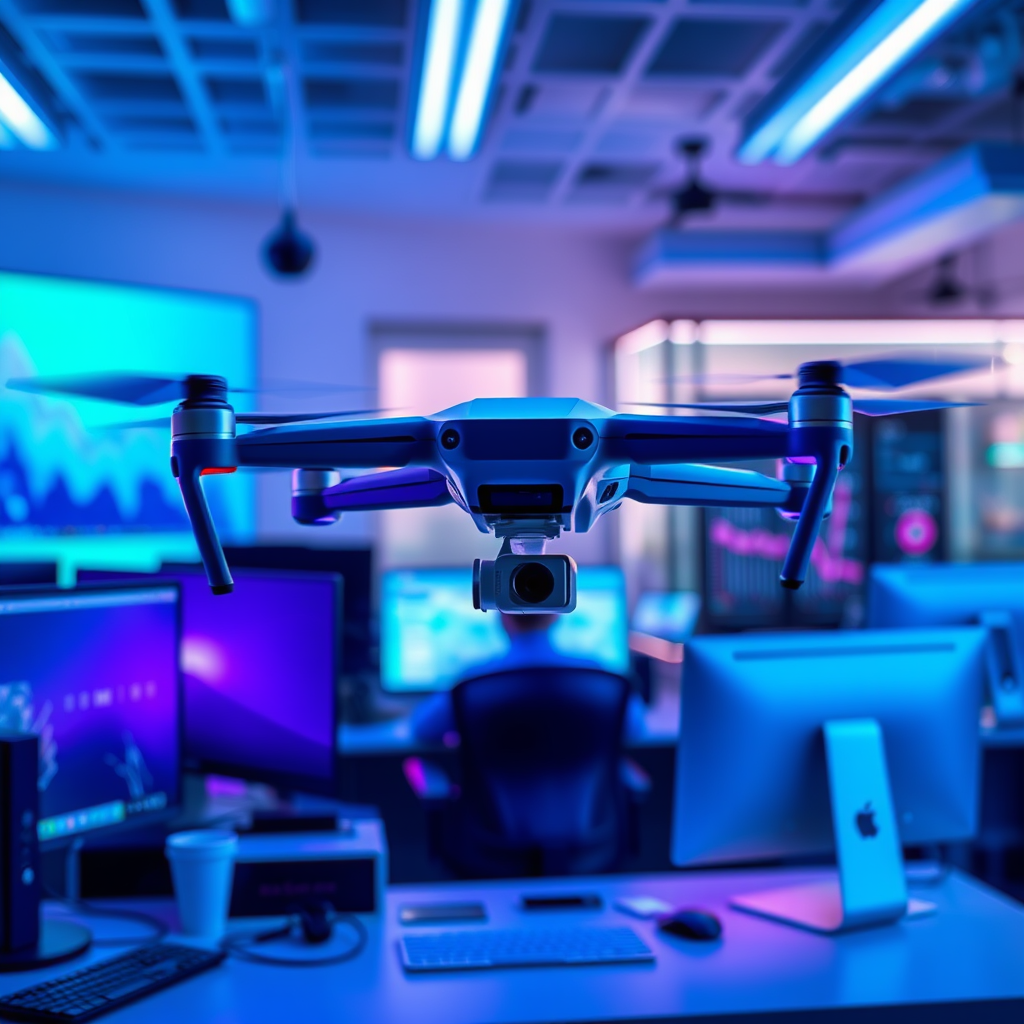
Yes, you can fly a drone in Tokyo, but there are strict regulations and guidelines that you must follow to ensure safety and compliance with local laws. Tokyo, a vibrant metropolis known for its stunning skyline and rich cultural heritage, presents unique challenges and requirements for drone enthusiasts. Understanding these rules is essential for anyone looking to capture the city’s breathtaking views from above while respecting the local community and environment.
Understanding Japanese Drone Regulations
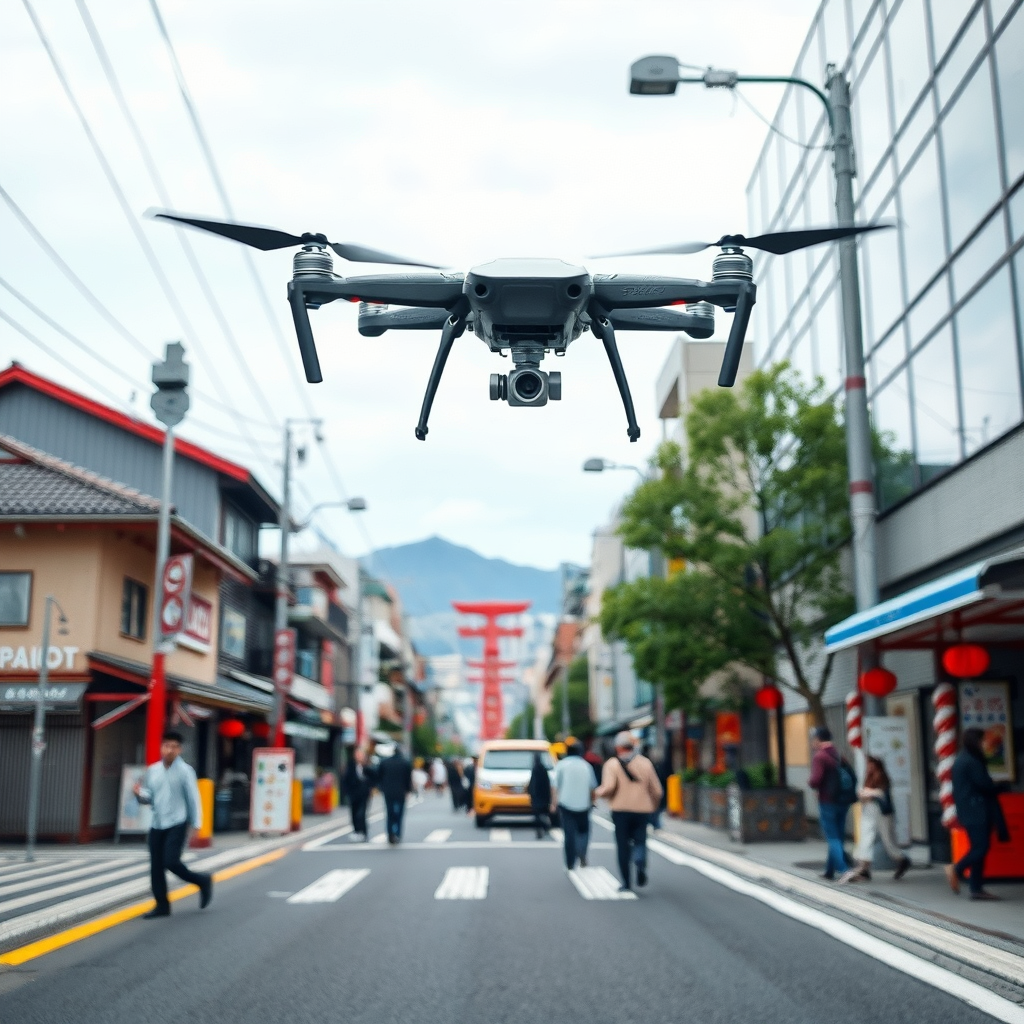
In Japan, drone regulations are primarily governed by the Ministry of Land, Infrastructure, Transport and Tourism (MLIT). Any drone weighing more than 200 grams must be registered with MLIT, which is crucial for tracking ownership and ensuring accountability. Registration involves providing the drone’s specifications and the operator’s information, often requiring a nominal fee.
Additionally, operators of drones over 200 grams are mandated to have liability insurance. This insurance acts as a safeguard against potential damages that may occur during flights, protecting not only the operator but also any individuals or property that could be affected by a drone mishap. For recreational flyers, while the insurance is not legally required, it is highly recommended to mitigate risks. Following these regulations is vital for promoting safe drone usage and fostering a responsible flying culture in Japan.
No-Fly Zones in Tokyo
Tokyo has designated several no-fly zones to ensure public safety and security. Areas around major airports, such as Haneda and Narita, are strictly off-limits to drone flights, as are government buildings and military installations. These restrictions stem from concerns about air traffic safety and national security. Additionally, crowded public spaces, including popular tourist attractions like Ueno Park and the Imperial Palace, often have specific regulations that prohibit drone use to ensure the safety and enjoyment of visitors.
It is crucial for drone operators to familiarize themselves with local maps and resources that outline these restricted zones. Ignoring these regulations can lead to significant penalties, including fines and confiscation of equipment. Utilizing apps designed for drone pilots can help identify safe flying areas and keep operators informed of any changes in regulations.
Necessary Permissions and Licenses
For commercial drone operators, obtaining a specific license from the MLIT is mandatory. This license not only requires a thorough understanding of drone regulations but also necessitates passing a practical flying test, ensuring that operators are proficient in handling their drones safely. Commercial flyers must also adhere to additional regulations, such as maintaining a maximum altitude of 150 meters and ensuring that their flights do not interfere with manned aircraft.
Recreational drone users, while not required to have a commercial license, must still comply with local laws. This includes maintaining a visual line of sight with the drone at all times, which can be challenging in a city as densely populated as Tokyo. Operators should also be aware that flying in certain areas may require prior permission from local authorities, particularly for events or gatherings where large crowds are present.
Safety Guidelines for Flying Drones
Safety should always be a top priority when flying drones in urban environments. Before taking flight, operators should conduct thorough checks of the weather conditions, as adverse weather can significantly affect flight performance. It is advisable to avoid flying in high winds or poor visibility, which can lead to accidents.
Moreover, drone operators should maintain a safe distance from people and vehicles to minimize risks. A general rule of thumb is to keep the drone at least 30 meters away from individuals who are not part of the flying operation. This distance not only helps ensure safety but also enhances the experience for bystanders who may be enjoying the public space.
Additionally, always have a contingency plan in case of technical malfunctions. Familiarizing oneself with the drone’s emergency features, such as return-to-home functions, can prevent potential accidents and loss of equipment.
Best Practices for Capturing Images
For those looking to capture stunning imagery of Tokyo’s iconic landscapes, investing in a drone equipped with a high-resolution camera is essential. Drones with 4K cameras can offer breathtaking aerial views of the city, showcasing its unique architecture and vibrant urban life. However, operators must remain mindful of privacy laws, which are stringent in Japan.
Capturing images of individuals without their consent can lead to legal complications. It is advisable to focus on landscape photography and avoid areas where people are congregated unless you have explicit permission. Additionally, consider the time of day when flying; early mornings or late afternoons often provide optimal lighting conditions for photography.
Tips for a Successful Drone Flight in Tokyo
To ensure a successful and enjoyable drone flying experience in Tokyo, it is advisable to immerse oneself in local customs and etiquette. For instance, being respectful of public spaces and other people’s enjoyment can go a long way in fostering goodwill. Engaging with locals and explaining your intentions when flying can help alleviate any concerns they may have.
Joining local drone communities can also be beneficial. These groups often share valuable insights and updates on regulations, as well as tips on the best flying locations. Online forums and social media platforms dedicated to drone enthusiasts can provide real-time information and support, making it easier to navigate the complexities of flying in a bustling city like Tokyo.
Furthermore, keeping abreast of changes to regulations is crucial, as drone laws can evolve. Regularly checking the MLIT website or subscribing to local drone news can ensure that operators remain compliant and informed.
In conclusion, while flying a drone in Tokyo is allowed, it is crucial to adhere to the established regulations and safety guidelines. By understanding the specific rules, familiarizing oneself with no-fly zones, and practicing responsible flying techniques, operators can enjoy the unique experience of capturing Tokyo from the sky. Always stay informed about changes to these laws to ensure a safe and enjoyable flying experience. If you’re planning a drone flight in Tokyo, make sure to do your homework and respect the local environment and community.
Frequently Asked Questions
Can you fly a drone in Tokyo?
Yes, you can fly a drone in Tokyo, but there are strict regulations and guidelines you must follow. The Japanese government requires drone operators to adhere to the rules set by the Ministry of Land, Infrastructure, Transport and Tourism (MLIT), which include obtaining a permit for commercial use and respecting no-fly zones, especially over populated areas, airports, and sensitive sites. It’s essential to familiarize yourself with local laws and regulations to ensure safe and legal drone operations in the city.
What are the drone flying regulations in Tokyo?
Drone flying regulations in Tokyo are governed by Japan’s Civil Aeronautics Act. Key rules include flying below 150 meters, keeping the drone within your line of sight, not flying over crowds or private property without permission, and avoiding restricted areas such as airports or government buildings. Additionally, operators must register their drones if they weigh over 200 grams and should consider obtaining insurance for potential liabilities.
How do I obtain a drone flying permit in Tokyo?
To obtain a drone flying permit in Tokyo, you need to submit an application to the Ministry of Land, Infrastructure, Transport and Tourism (MLIT). The application process requires you to provide details about your drone, the purpose of your flight, and the intended location and time for flying. You may also need to demonstrate knowledge of drone operations and safety regulations, especially if you plan to use your drone for commercial purposes.
Why are there restrictions on flying drones in Tokyo?
Restrictions on flying drones in Tokyo are primarily in place to ensure public safety and privacy. Given the high population density and significant number of landmarks, there’s a heightened risk of accidents and privacy violations if drones are allowed to fly freely. These regulations help mitigate risks associated with drone operations, ensuring that the rights and safety of residents and visitors are protected.
What are the best places to fly a drone in and around Tokyo?
The best places to fly a drone in and around Tokyo include parks and open spaces where drone usage is permitted, such as Yoyogi Park, Showa Kinen Park, and the outskirts of Tokyo Bay. However, always check local regulations before flying, as certain areas may have specific restrictions. Additionally, rural areas outside the city, like the outskirts of Chiba or Kanagawa Prefectures, can offer beautiful landscapes and fewer regulations, making them ideal for drone enthusiasts.
References
- https://en.wikipedia.org/wiki/Drone_regulations_in_Japan
- https://www.japan.travel/en/uk/inspiration/guide-to-drone-flying-in-japan/
- https://www.faa.gov/uas/getting_started/where_to_fly/
- https://www.japantimes.co.jp/news/2021/07/05/national/drone-regulations-japan/
- https://www.mlit.go.jp/en/kokusai/Drone/
- https://www.nippon.com/en/news/yjj2021070600910/
- https://www.bbc.com/news/world-asia-58375583
