
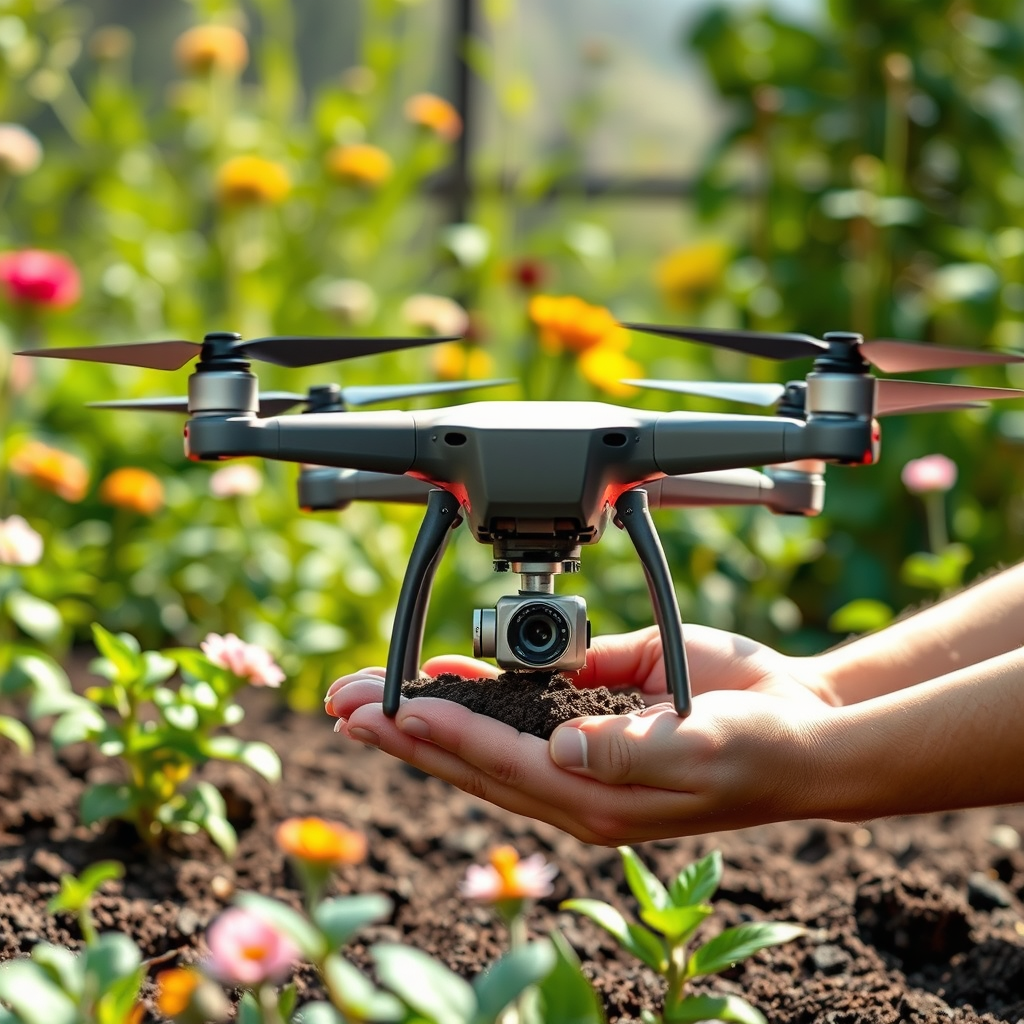
Yes, you can generally fly a drone in your backyard, provided you adhere to local regulations and guidelines. Drones have become increasingly popular for recreational use, offering an exciting way to capture aerial photography, engage in outdoor activities, and even explore your local environment from a new vantage point. However, understanding the rules that govern drone use is essential for ensuring safety, compliance, and harmonious relations with your neighbors and the surrounding community.
Understanding Local Regulations
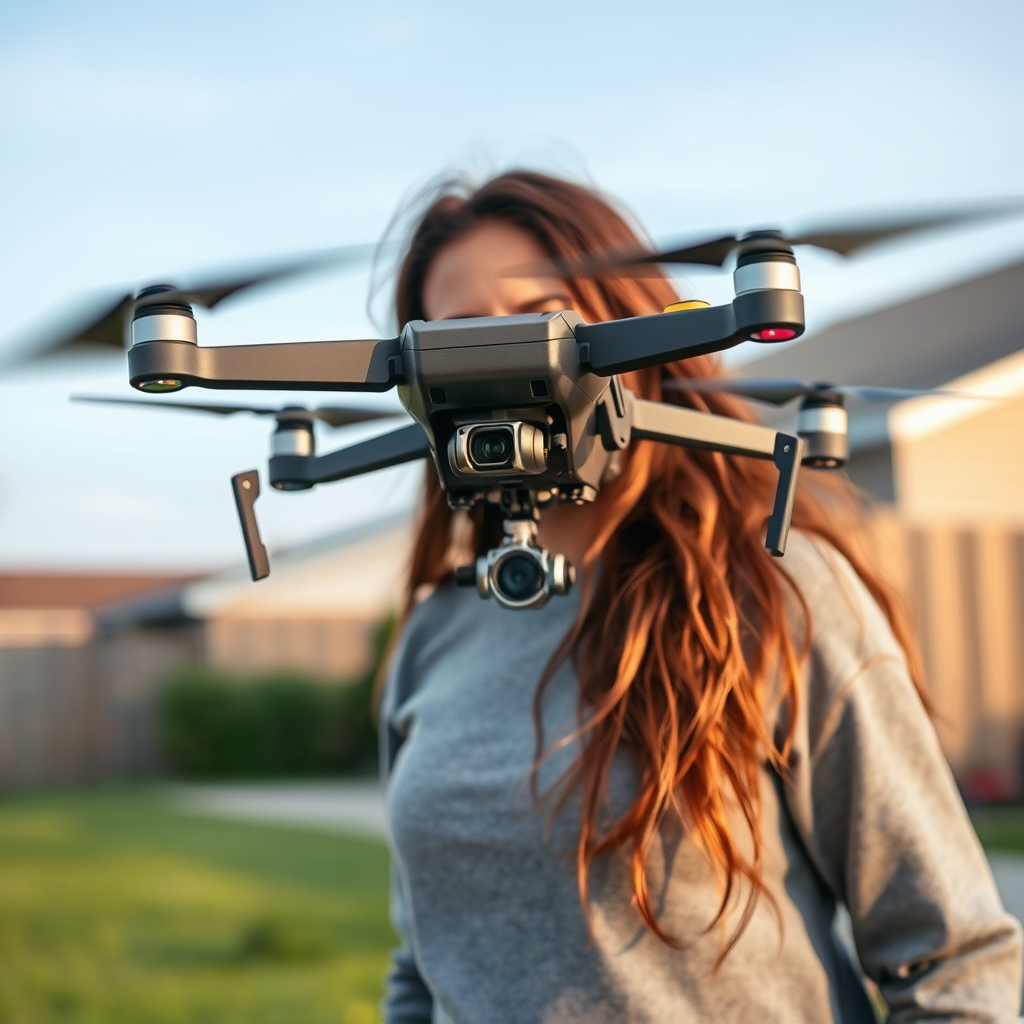
Before you take to the skies, it’s vital to familiarize yourself with the local drone laws, as these can significantly vary by region, state, or country. In the United States, for instance, the Federal Aviation Administration (FAA) outlines specific regulations for drone users, including the requirement to register drones that weigh more than 0.55 pounds. Additionally, many local jurisdictions impose their own restrictions that may include designated no-fly zones, particularly near airports, schools, and other sensitive areas.
To ensure compliance, begin by checking your local government’s website or contacting your local aviation authority to clarify the rules regarding flying drones in residential areas. Some municipalities may require a permit, especially if you plan to use your drone for commercial purposes or operate it in a way that could disturb the neighborhood. Being well-informed about these regulations not only protects you from potential legal issues but also enhances the safety of your drone flying experience.
Safety Considerations
Safety should always be your top priority when flying a drone in your backyard. It is crucial to maintain a safe distance from people, animals, and structures to minimize risks and prevent accidents. A good guideline is to keep your drone at least 25 feet away from individuals and pets, as well as any property that could be damaged in the event of a malfunction.
Furthermore, always keep your drone within visual line-of-sight. This means you should be able to see your drone with your own eyes at all times during flight. Using first-person view (FPV) goggles can be tempting, but they can impair your ability to maintain visual contact. Instead, consider using a spotter who can help keep an eye on the drone while you focus on the controls.
Choosing the Right Drone
Selecting the appropriate drone for backyard use is vital to enhancing your flying experience while ensuring safety. Consider the size and features of the drone. Smaller drones are typically easier to maneuver in confined spaces and are less likely to cause damage if an accident occurs. Drones designed for beginners are often equipped with user-friendly features, such as altitude limiters and GPS stabilization, which can help prevent crashes and make flying more enjoyable.
Additionally, look for drones that come with built-in safety features, such as automatic return-to-home functions, which can help you retrieve your drone if it loses connection with the controller. Models such as the DJI Mini series or the Ryze Tello are excellent choices for backyard flying, offering a balance of performance, safety, and ease of use.
Best Practices for Backyard Flying
To ensure a smooth and enjoyable flying experience, it is essential to follow best practices for backyard flying. First and foremost, choose to fly during favorable weather conditions. Windy, rainy, or overly sunny days can all impact your drone’s performance, so aim for calm days with good visibility. Early mornings or late afternoons often provide ideal flying conditions.
Moreover, avoid flying near homes, schools, or crowded areas whenever possible. This consideration not only reduces the risk of accidents but also helps maintain a positive relationship with neighbors and the community. By flying in an open area away from heavy foot traffic, you can enjoy a more relaxed experience while still adhering to safety guidelines.
Respecting Neighbors’ Privacy
Flying a drone can be an exciting hobby, but it also comes with the responsibility to respect the privacy of those around you. Be mindful of privacy concerns and avoid flying over adjacent properties without permission. This is particularly important in densely populated areas where neighbors may feel uncomfortable or threatened by the presence of a drone.
To foster goodwill and transparency, consider communicating your flying plans with your neighbors. Let them know when you intend to fly and what you will be doing. This can help alleviate concerns and may even encourage them to join in on the fun. Additionally, educating them about drone safety and the regulations you are following can reinforce your commitment to responsible drone use.
Insurance and Liability
When flying a drone, it is wise to consider the potential risks involved, which is where drone insurance comes into play. Many insurance companies offer policies specifically tailored for drone operators that cover damages to the drone itself as well as liability for any property damage or personal injury that may occur during flight.
Understanding your liability is crucial, especially in the event of an accident. If your drone were to cause damage to a neighbor’s property or injure someone, you could be held financially responsible. Having insurance not only provides peace of mind but also helps protect your financial interests should an unfortunate incident occur.
Learning to Fly Responsibly
Before you unleash your drone in the backyard, take the time to practice flying in open spaces where you can hone your skills without the pressures of confined areas. This practice is essential for building confidence and proficiency with your drone. Many communities have designated parks or fields where drone flying is permitted, making them ideal for practice sessions.
Additionally, utilize online resources or local drone clubs to gather tips and training opportunities. Online platforms like YouTube offer countless tutorials for beginners, while local clubs may host events or workshops to help you learn from experienced pilots. By dedicating time to learn and practice, you can ensure a more enjoyable and safe flying experience.
Flying a drone in your backyard can be an enjoyable and rewarding experience, as long as you take the time to learn and follow the regulations and best practices. Always prioritize safety and respect for those around you, and you’ll be able to enjoy your drone without hassle. By adhering to local laws, maintaining a commitment to safety, and being considerate of your neighbors, you can fully embrace the joy of drone flying while contributing positively to your community.
Frequently Asked Questions
Can I legally fly a drone in my backyard?
Yes, you can legally fly a drone in your backyard, but there are specific regulations you must follow. In most areas, you must comply with local laws and regulations set by the Federal Aviation Administration (FAA) in the United States. This includes flying below 400 feet, maintaining visual line-of-sight with your drone, and not flying in restricted airspace. Always check your local ordinances as well, as some communities may have additional restrictions on drone use.
What are the safety guidelines for flying a drone in my backyard?
When flying a drone in your backyard, it’s crucial to prioritize safety. Always ensure you have enough space to operate your drone safely, away from people, pets, and obstacles. Familiarize yourself with the drone’s features and controls, and perform a pre-flight inspection to check for any mechanical issues. Additionally, consider using a drone that has safety features like obstacle avoidance to minimize the risk of accidents.
How do I choose the best drone for backyard flying?
When selecting the best drone for backyard flying, consider factors such as size, battery life, and ease of use. Smaller drones are generally better for limited spaces, while models with longer battery life allow for extended flying sessions. Look for user-friendly features such as GPS-assisted flight modes and stabilization systems, which can enhance your flying experience. Reviews and comparisons can help you find a drone that fits your needs and budget.
Why should I register my drone if I’m flying it in my backyard?
Registering your drone is essential for compliance with FAA regulations, even if you’re only flying it in your backyard. Drones weighing more than 0.55 pounds must be registered to ensure accountability and safety in the airspace. Registration helps authorities track drone usage and promotes responsible flying practices, reducing the risk of accidents and ensuring the safety of people and property.
Which drones are best suited for beginners flying in a backyard?
For beginners looking to fly a drone in their backyard, models like the DJI Mini SE or the Holy Stone HS720 are excellent choices. These drones are user-friendly, offer stable flight performance, and come with safety features such as altitude hold and GPS positioning. Additionally, they are lightweight and portable, making them ideal for confined spaces. Always start with a drone that has a good balance of features and ease of use to ensure a positive flying experience.
References
- https://www.faa.gov/uas/getting_started/where_to_fly
- https://www.faa.gov/uas/
- https://www.wired.com/story/drone-flying-laws/
- https://www.nytimes.com/2021/04/01/technology/drones-privacy.html
- https://www.nas.edu/activities/drones
- https://www.theguardian.com/technology/2022/aug/26/drone-use-privacy-issues
- https://www.nap.edu/catalog/23003/drones-in-the-21st-century-a-technical-and-policy-analysis
- https://www.nrc.gov/reading-rm/doc-collections/fact-sheets/drone-safety.html
