
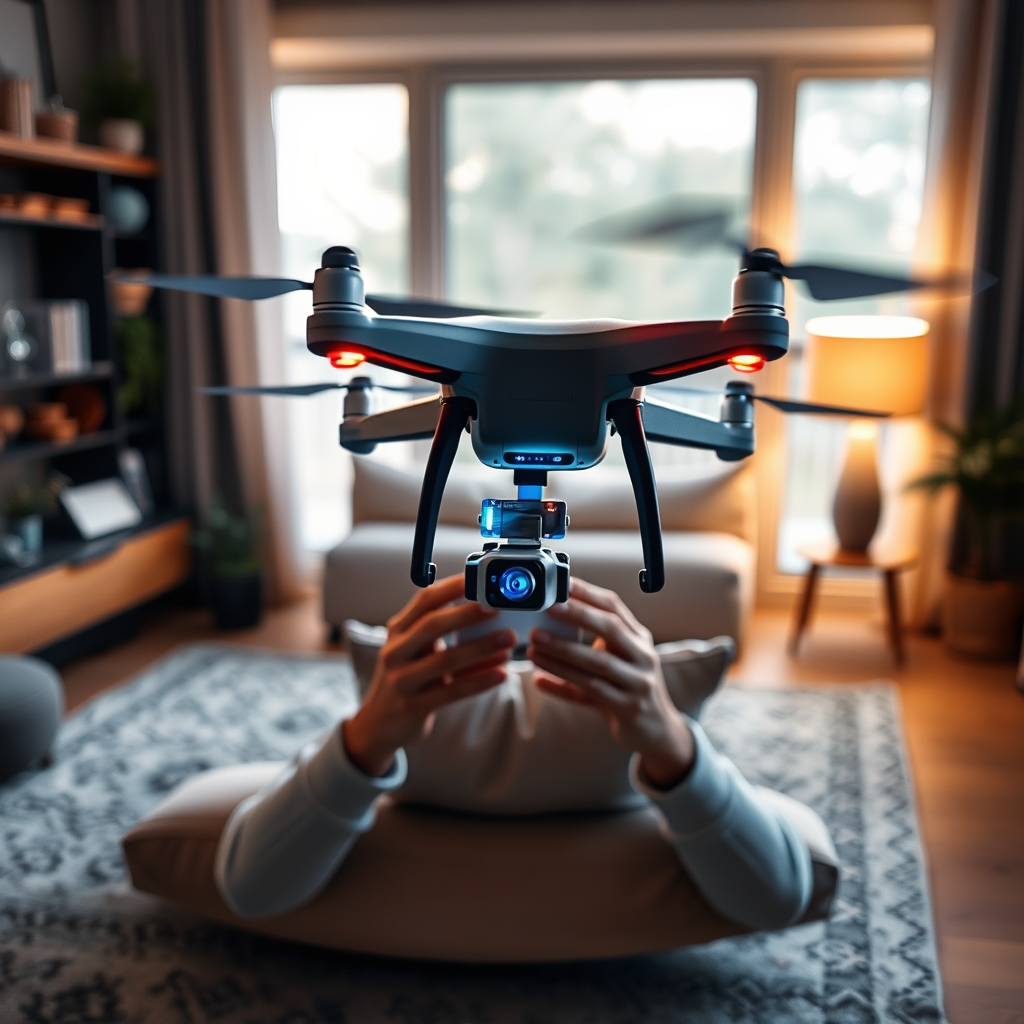
Yes, you can fly a drone indoors, but there are several important factors to consider to ensure safety and compliance with regulations. Indoor drone flying can be an exciting and rewarding experience, especially with the right equipment and environment. However, it is crucial to understand the unique challenges associated with indoor operations, including legal regulations, safety protocols, and flying techniques. This article explores the essential aspects of indoor drone flying, providing you with the knowledge needed for a successful and enjoyable experience.
Understanding the Legalities of Indoor Drone Use
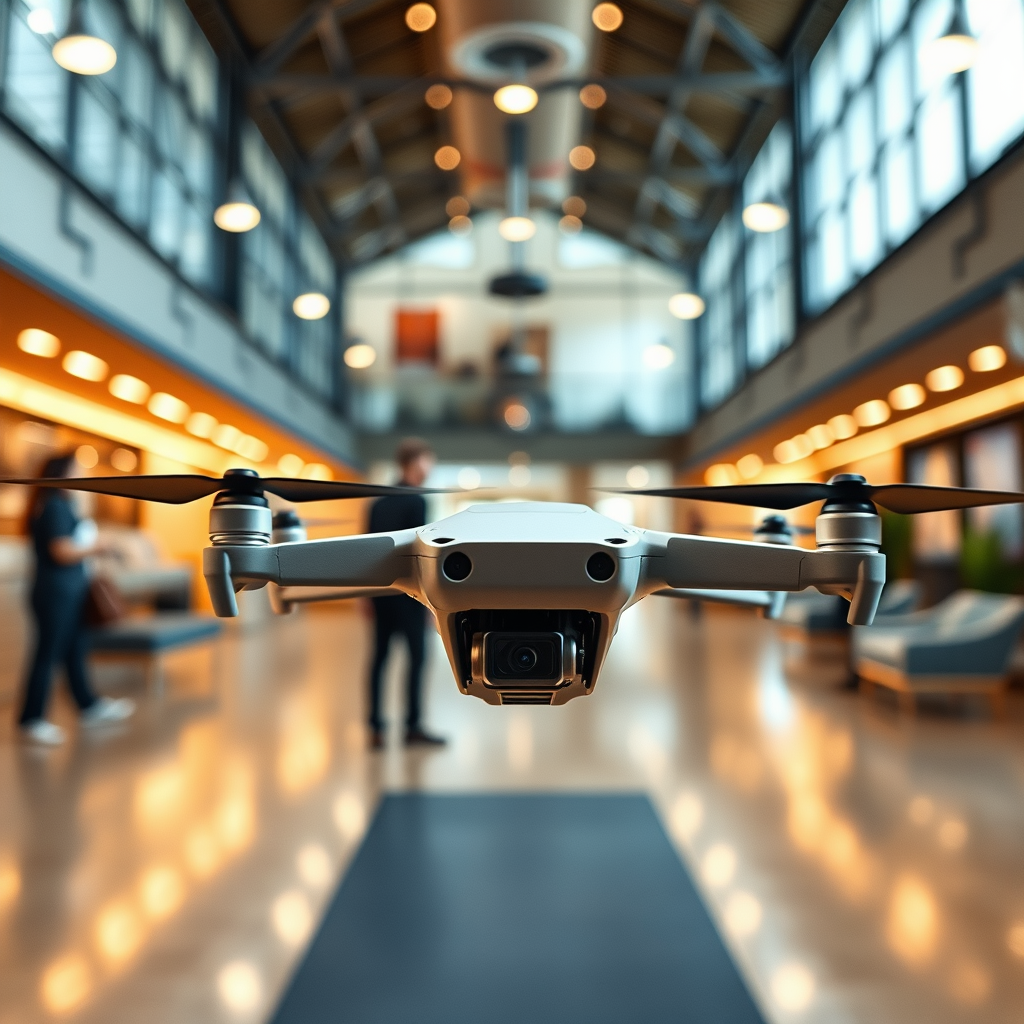
When it comes to flying drones indoors, the legal landscape can be somewhat less stringent compared to outdoor flying. In many countries, there are no specific regulations governing indoor drone operations; however, it is vital to check local laws to ensure compliance. For instance, the Federal Aviation Administration (FAA) in the United States primarily regulates outdoor drone flights and has fewer guidelines for indoor use. Nevertheless, general drone regulations may still apply, especially concerning drone weight, safety measures, and liability.
Additionally, even if there is no specific indoor regulation, the FAA emphasizes that operators must always fly responsibly. This includes ensuring that the drone does not cause harm to individuals or property, even if flying indoors. Therefore, it is advisable to familiarize yourself with your local drone laws and any relevant guidelines to avoid potential legal issues.
Choosing the Right Drone for Indoor Flight
Selecting the appropriate drone for indoor flight is crucial for ensuring a smooth experience. Generally, smaller drones are better suited for indoor environments because they offer greater maneuverability and are less likely to cause significant damage in case of a collision. Drones that weigh less than 250 grams, such as the DJI Tello or the Holy Stone HS210, are excellent choices for indoor flying due to their compact size and ease of use.
Moreover, look for drones equipped with features specifically designed to enhance indoor flying. For instance, altitude hold capabilities allow the drone to maintain a steady height, making it easier to control during flight. Obstacle avoidance sensors can prevent crashes by detecting and navigating around obstacles, which is particularly useful in confined spaces. These features not only improve the flying experience but also enhance safety for both the operator and the surroundings.
Safety Precautions for Indoor Drone Flying
Safety should always be a top priority when flying drones indoors. Before taking off, it is essential to ensure that the indoor space is clear of obstacles and people. This includes removing fragile items, furniture, and any potential hazards that could lead to accidents. A well-organized space minimizes the risk of collisions and allows for better navigation.
Another effective safety measure is the use of propeller guards. These attachments can significantly reduce the chances of damaging the drone or injuring individuals in the event of a crash. Propeller guards are particularly beneficial for beginners, as they provide an extra layer of protection while learning to fly. Furthermore, conducting a pre-flight check of the drone’s components, including the battery, propellers, and cameras, can help prevent mechanical failures during flight.
Best Indoor Flying Techniques
Mastering indoor flying techniques is essential for both novice and experienced drone pilots. One of the best practices is to practice flying at lower altitudes. This approach allows the pilot to gain better control over the drone’s movements, making it easier to navigate through tight spaces. Flying at lower heights also reduces the risk of accidents, as the drone will have less distance to fall in case of a malfunction.
Additionally, utilizing slow and steady maneuvers can greatly enhance the indoor flying experience. Rapid, jerky movements can lead to crashes and loss of control, especially in confined areas. Instead, pilots should aim for smooth transitions, maintaining a steady speed and gradual turns. This technique not only improves handling but also allows for a more enjoyable flying experience, making it easier to showcase aerial maneuvers.
Recommended Indoor Flying Locations
Choosing the right location for indoor drone flying is critical for a successful experience. Large open spaces, such as gymnasiums, warehouses, or even spacious living rooms, provide ample room for flying and practicing maneuvers. These environments allow for greater freedom of movement and reduce the likelihood of collisions with walls or furniture.
Moreover, ensure that the chosen area is well-ventilated and free from clutter. A clean environment not only enhances safety but also creates an enjoyable atmosphere for flying. If possible, scout the location beforehand to identify potential hazards and establish a designated flight zone.
Troubleshooting Common Indoor Flight Issues
Indoor drone flying can present unique challenges, particularly when it comes to connectivity and performance. For example, weak GPS signals in enclosed spaces can affect the drone’s stability and navigation. In such cases, pilots should rely more on manual controls rather than GPS-assisted flight modes. Familiarizing yourself with the drone’s manual flying capabilities is essential for maintaining control in these situations.
Additionally, monitoring the drone’s battery life and temperature during flights is crucial for avoiding performance issues. Indoor flying can lead to overheating, especially if the drone is operated continuously for long periods. To mitigate this, consider taking breaks between flights to allow the drone to cool down. Always keep an eye on the battery level and land the drone safely before it runs out of power.
In summary, flying a drone indoors is entirely feasible with the right preparation and precautions. By understanding the legalities, selecting the appropriate equipment, and adhering to safety protocols, you can create a successful indoor flying experience. Remember to practice good flying techniques and choose suitable locations for your drone activities. Whether you’re a hobbyist seeking to explore new flying techniques or a professional looking to capture stunning indoor imagery, following these guidelines will help you make the most of your indoor drone adventures.
Frequently Asked Questions
Can you fly a drone indoors safely?
Yes, you can fly a drone indoors safely, but it requires careful consideration of several factors. It’s essential to choose a small, lightweight drone designed for indoor use, as larger models can cause damage or injury. Ensure there is ample space free of obstacles, and be mindful of your surroundings, including people and pets, to prevent accidents.
What are the best drones for indoor flying?
The best drones for indoor flying are typically small, lightweight models that have features like propeller guards and stable flight capabilities. Popular choices include the DJI Tello, which offers easy controls and great stability, and the Holy Stone HS210, known for its durability and ease of use. These drones are designed to be safe for indoor environments and come with features that make them beginner-friendly.
How can I prepare my home for flying a drone indoors?
To prepare your home for flying a drone indoors, start by choosing an open space with minimal furniture and obstacles. Clear the area of breakable items and ensure there are no low-hanging ceilings or other hazards. Additionally, consider using a dedicated drone flying area, such as a large room or a gym, and maintain good lighting to enhance visibility during flight.
Why is it important to check local regulations before flying a drone indoors?
It’s important to check local regulations because some areas may have specific rules governing indoor drone flying, especially in public spaces or commercial buildings. Understanding these regulations helps you avoid fines and ensures the safety of yourself and others. Additionally, some venues may have their own policies regarding drone usage that you need to adhere to.
Which features should I look for in a drone for indoor use?
When selecting a drone for indoor use, look for features such as propeller guards, altitude hold, and stable flight technology, which help prevent crashes and enhance safety. Additionally, consider drones with a low weight for better maneuverability and ease of handling in confined spaces. A good camera and easy controls are also advantageous for capturing indoor footage without complicated setups.
References
- https://en.wikipedia.org/wiki/Drone_flight
- https://www.faa.gov/uas/getting_started/part_107
- https://www.nasa.gov/centers/dryden/pdf/81463.pdf
- https://www.theguardian.com/technology/2020/jan/13/drones-flying-indoor-regulations
- https://www.sciencedirect.com/science/article/pii/S235286481530181X
- https://www.usatoday.com/story/tech/2020/02/18/drones-are-flying-indoor/4763291002/
- https://www.nytimes.com/2018/06/25/technology/drone-regulations.html
- https://www.dronepilotgroundschool.com/flying-drones-indoors/
