
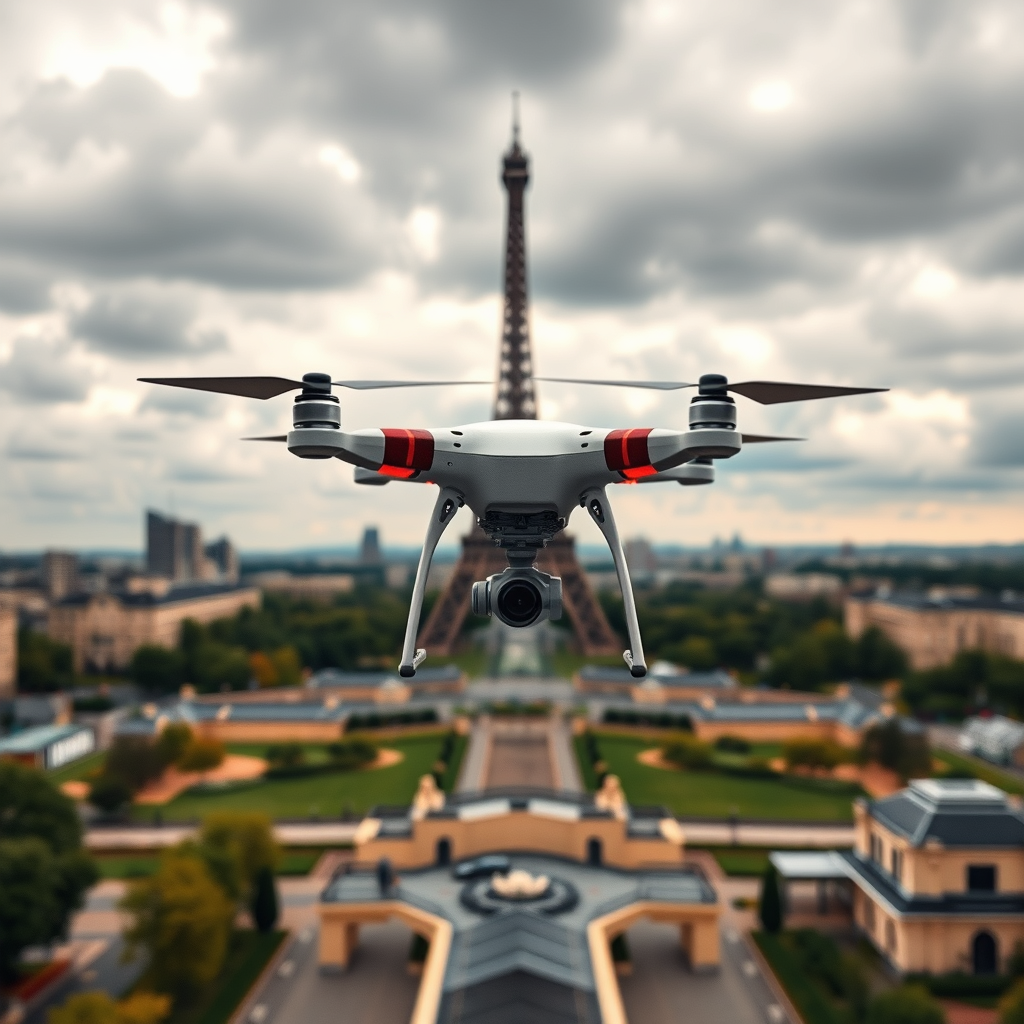
Yes, you can fly a drone near the Eiffel Tower, but there are strict regulations and restrictions in place that you must follow. Understanding these rules is essential for a safe and legal flying experience, as failure to comply can lead to significant penalties and safety risks. The breathtaking views the Eiffel Tower offers make it a tempting target for drone pilots, yet navigating the complexities of French drone laws is paramount to avoid legal complications.
Understanding Drone Regulations in France
France has established a comprehensive set of laws governing drone usage, particularly in urban areas where safety and privacy concerns are heightened. The primary regulatory body overseeing drone operations in France is the Civil Aviation Authority, known as the DGAC (Direction Générale de l’Aviation Civile). The DGAC has categorized airspace into various zones, each with specific rules regarding drone flight.
For recreational and commercial drone pilots alike, it is crucial to familiarize themselves with these regulations. For instance, drones must not exceed a flying altitude of 150 meters (approximately 490 feet) in uncontrolled airspace, and pilots must be certified if their drone weighs more than 800 grams (about 1.76 pounds). Furthermore, the DGAC mandates that all drone pilots register their drones online, ensuring accountability and traceability.
Additionally, drone pilots must adhere to the European Union’s regulations, which include rules on drone registration, pilot certification, and operational limitations. These laws are designed to ensure the safety of both the drone operators and the general public, making it imperative to understand them thoroughly before attempting to fly a drone in France.
No-Fly Zones Around the Eiffel Tower
The Eiffel Tower, one of the most recognizable landmarks in the world, is situated in a highly restricted area where drone flying is not permitted. The French authorities have designated a no-fly zone that extends for several kilometers around the tower. Specifically, flying a drone within a 5 km radius of the Eiffel Tower requires special permissions from the DGAC.
This no-fly zone is enforced to protect the monument and the surrounding urban environment, ensuring that drone operations do not interfere with air traffic, pose risks to public safety, or violate the privacy of individuals in the area. The consequences of flying in these restricted zones can be severe, including immediate confiscation of the drone, hefty fines, and potential legal action.
Drone pilots need to remain vigilant and informed about these restrictions, as the penalties for disregarding no-fly zones can be significant. It is advisable to consult the official drone maps provided by the DGAC, which outline the restricted areas and help ensure compliance with local laws.
Obtaining Necessary Permits
For those determined to capture aerial footage of the Eiffel Tower, it is crucial to understand the process of obtaining the necessary permits. To fly a drone near restricted areas like the Eiffel Tower, you must apply for permission from the DGAC well in advance of your planned flight. This process involves submitting a detailed request, including your flight plan, the intended area of operation, and the purpose of the flight.
The application process can vary in complexity depending on the intended use—whether recreational or commercial—and the specific details of the flight. It is advisable to allow ample time for the DGAC to process your application, as approvals may take several weeks. Moreover, ensuring that all paperwork is meticulously completed will significantly enhance your chances of receiving the necessary permissions.
Additionally, it is essential to stay updated on any changes to regulations or procedures, as the DGAC may revise its policies based on evolving safety concerns or technological advancements. Engaging with local drone pilot communities can also provide valuable insights and support during the application process.
Safe Flying Practices
When flying a drone, safety should always be the top priority. Maintaining a visual line of sight with your drone is a fundamental rule, allowing you to monitor its position and avoid potential collisions with obstacles or other aircraft. This practice not only enhances safety but also complies with the legal requirements set forth by the DGAC.
Moreover, drone pilots should avoid flying over crowds or densely populated areas. Not only does this reduce the risk of accidents, but it also respects the privacy of individuals nearby. Before embarking on your flight, check local weather conditions, as adverse weather can significantly impact drone performance and safety. Wind, rain, and low visibility can pose challenges that may lead to accidents or loss of control.
It is also prudent to familiarize yourself with the specifics of your drone, including its battery life, range, and any automatic safety features it may possess. Conducting pre-flight checks and ensuring that your drone is in optimal working condition will further enhance safety during operations.
Alternatives to Drone Flying
While the allure of capturing breathtaking aerial views of the Eiffel Tower is undeniable, there are alternative methods to achieve stunning imagery without violating regulations. One effective approach is to utilize a high-quality telephoto lens for your camera. By positioning yourself at a safe distance, you can still capture remarkable photographs of the Eiffel Tower without the need for a drone.
Additionally, several drone-friendly parks and vantage points in Paris offer picturesque views of the Eiffel Tower. These locations allow you to appreciate the landmark from unique perspectives while remaining compliant with local laws. Parks such as the Champ de Mars and Trocadéro Gardens provide excellent spots for photography, ensuring that you can enjoy the beauty of the Eiffel Tower without the restrictions associated with drone flying.
Engaging with local photography communities can also provide insights into the best locations and techniques for capturing the Eiffel Tower, allowing you to enhance your skills while adhering to regulations.
Consequences of Illegal Drone Flying
Failing to adhere to drone regulations can lead to serious consequences, not only for the individual pilot but also for the broader community. Flying without the necessary permissions can result in hefty fines, confiscation of the drone, and potential legal action. The French authorities take violations seriously, and the penalties can vary based on the severity of the infraction.
Moreover, illegal drone flying poses safety risks to others, particularly in crowded urban environments. Accidents involving drones can lead to injuries or property damage, undermining the reputation of responsible drone pilots and the drone community as a whole. It is essential for drone enthusiasts to prioritize safety and legality in their operations, fostering a positive image for the hobby and ensuring that regulations are respected.
In conclusion, while flying a drone near the Eiffel Tower is not permitted, there are alternative ways to capture stunning images of this iconic landmark. Always prioritize safety and legality when planning your drone activities, and consider other methods of photography that comply with local regulations. By doing so, you can enjoy the beauty of the Eiffel Tower while respecting the rules designed to protect both the landmark and the community.
Frequently Asked Questions
Can you fly a drone near the Eiffel Tower legally?
No, flying a drone near the Eiffel Tower is illegal. The area surrounding this iconic monument is a restricted zone due to safety and security regulations. Authorities in Paris prohibit drone flights in many public spaces, especially around major landmarks like the Eiffel Tower, to prevent accidents and ensure the safety of both visitors and the structure.
What are the penalties for flying a drone near the Eiffel Tower?
The penalties for flying a drone near the Eiffel Tower can be severe. Violators may face fines that can range from €1,500 to €15,000, depending on the infraction’s severity and circumstances. Additionally, you could have your drone confiscated, and repeated offenses may lead to criminal charges, making it crucial to adhere to local regulations.
How can I legally take aerial photos of the Eiffel Tower?
To legally capture aerial photos of the Eiffel Tower, consider hiring a licensed aerial photography service that is permitted to operate drones in restricted areas. Alternatively, you can take stunning photos from nearby locations that are outside the no-fly zone. Popular vantage points include Trocadéro Gardens and the Champ de Mars, where you can get impressive shots without breaking any laws.
Why are drone flights restricted around the Eiffel Tower?
Drone flights are restricted around the Eiffel Tower primarily for safety reasons. The high volume of tourists and the potential for accidents pose significant risks to public safety. Additionally, the Eiffel Tower is a national landmark, and drone regulations help protect its structural integrity and the privacy of visitors enjoying the site.
Which areas in Paris allow drone flying?
In Paris, drone flying is generally permitted in designated areas outside of restricted zones. Popular locations for drone enthusiasts include parks like Parc des Buttes-Chaumont and Parc de la Villette, where you can operate drones within the legal height limits. Always check local regulations and ensure you have the necessary permissions and insurance before flying your drone in any area.
References
- https://www.faa.gov/uas/getting_started/part_107
- https://www.leparisien.fr/paris-75/drone-interdit-sur-la-tour-eiffel-06-10-2021-8T6N2YYX5BG3NPEE5IQB6D7G6E.php
- https://www.bbc.com/news/world-europe-55091675
- https://www.reuters.com/article/us-france-tourism-drone-idUSKBN2A2146
- https://www.wired.com/story/what-you-need-to-know-about-flying-drones-in-paris/
- https://www.tourisme93.com/faq/faq-drones-in-paris.html
