
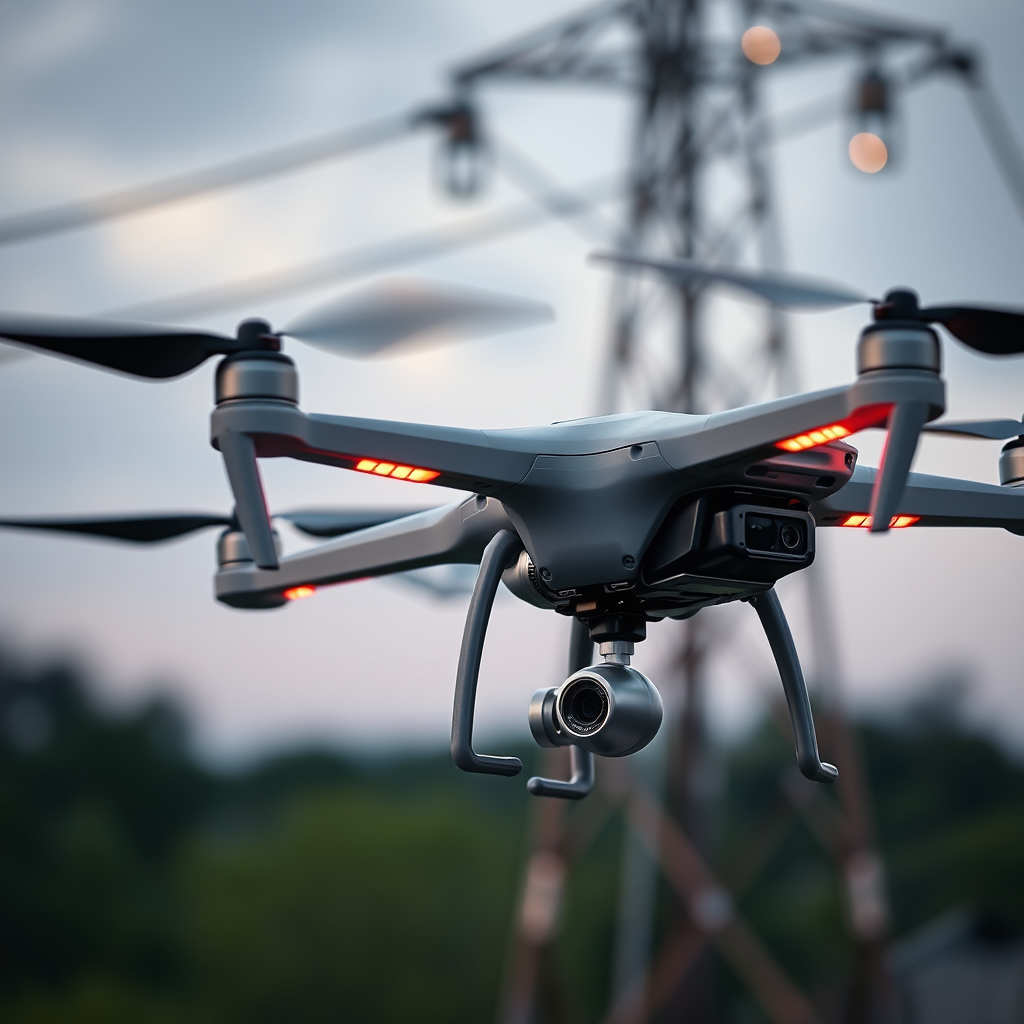
Yes, you can fly a drone near power lines, but there are important safety regulations and considerations to keep in mind. Understanding the legal framework and the potential risks is essential for safe operation. Power lines pose unique challenges for drone pilots, including the risk of collision and interference, which can lead to equipment damage and safety hazards. This article will delve into the relevant FAA regulations, safety risks, best practices, local laws, insurance considerations, and alternatives for safe drone operation near power lines.
Understanding FAA Regulations
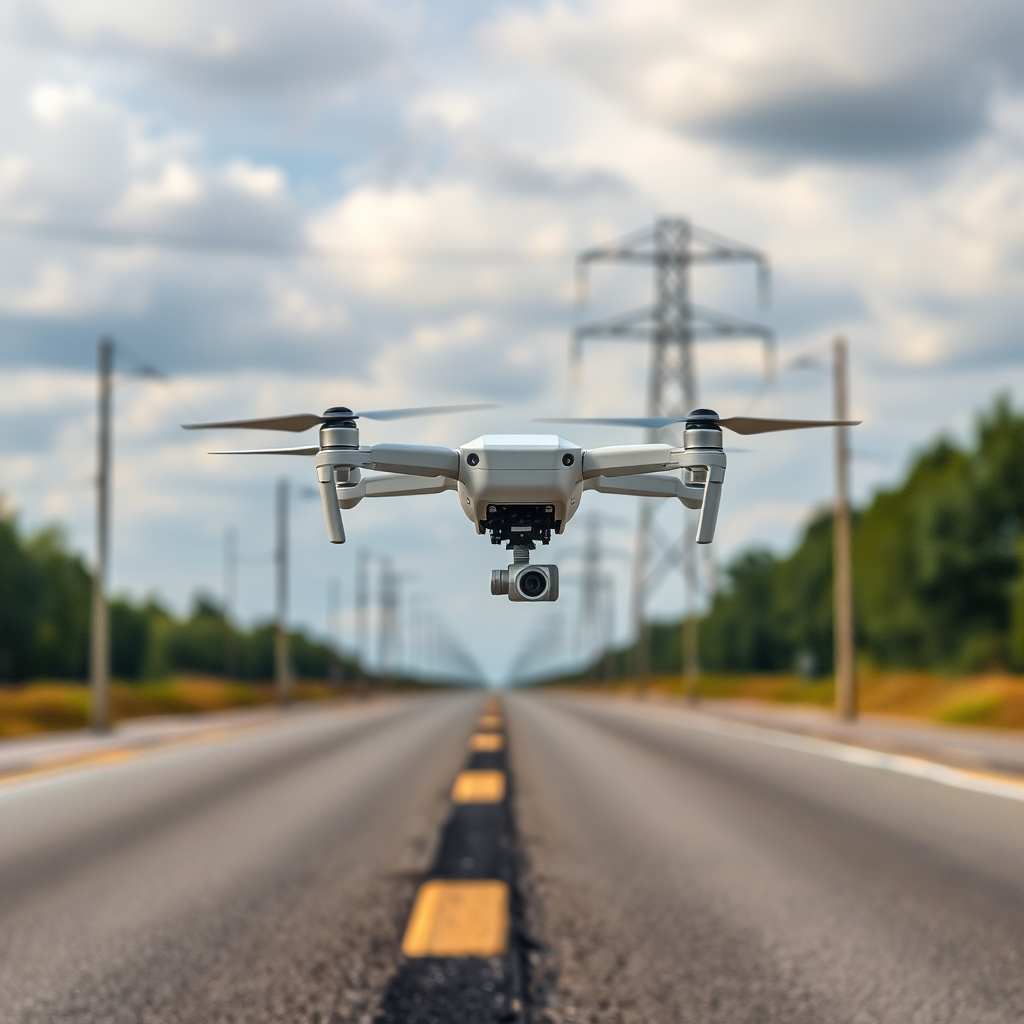
The Federal Aviation Administration (FAA) governs the use of drones in the United States, and its regulations are pivotal for ensuring safe airspace. According to the FAA, all drone operators must adhere to specific rules designed to protect both the pilot and the public. One of the fundamental regulations is that drone pilots must maintain a visual line of sight with their aircraft at all times. This requirement is particularly critical when flying near power lines, as maintaining situational awareness can help prevent collisions.
Additionally, the FAA requires drone operators to fly below 400 feet and away from manned aircraft. This is especially pertinent near power lines, where the risk of encountering other aircraft may be heightened due to the proximity to urban areas and infrastructure. While the FAA does not specifically prohibit flying near power lines, it emphasizes the importance of maintaining safety and compliance with airspace regulations. Pilots must also be aware of any temporary flight restrictions (TFRs) that may be in effect in certain areas, which could include zones around power lines during maintenance or emergencies.
Safety Risks of Flying Near Power Lines
Flying a drone near power lines introduces several safety risks that pilots must consider. One of the most significant hazards is the potential for collision. Power lines can be difficult to see, especially from a distance or at certain angles, making it easy for a drone to accidentally fly into them. Such collisions can not only damage the drone but also create hazardous situations, including power outages or electrical fires if the lines are compromised.
Another critical risk involves electromagnetic interference (EMI) from power lines. Drones rely on various radio frequencies for control signals and GPS navigation. Proximity to high-voltage power lines can disrupt these signals, leading to loss of control. Pilots may experience erratic drone behavior, including unintended flight paths, which can endanger both the drone and people on the ground.
Moreover, if a drone becomes entangled in power lines, it can lead to costly repairs or replacements—not just for the drone but potentially also for the infrastructure itself. Therefore, understanding these risks is paramount for any drone operator planning to fly near power lines.
Best Practices for Flying Near Power Lines
To mitigate the risks associated with flying near power lines, drone operators should implement several best practices. First and foremost, pilots should always maintain a visual line of sight with their drone. This not only helps in avoiding obstacles like power lines but also ensures that the pilot can react quickly to any sudden changes in the drone’s behavior.
Utilizing a spotter can greatly enhance safety. A designated spotter can help monitor the drone’s surroundings and provide real-time feedback about the proximity to power lines and other hazards. This additional set of eyes can be invaluable, especially in complex environments where power lines are interspersed with other structures.
Additionally, planning the flight path in advance can contribute to safer operations. Pilots should familiarize themselves with the layout of the area, identifying all potential hazards, including power lines and other infrastructure. Using pre-flight checklists to ensure all equipment is functioning properly can help prevent technical malfunctions that could lead to accidents.
Lastly, consider flying at times when visibility is optimal, such as during daylight hours, and avoid adverse weather conditions that may impair drone operation.
Local Laws and Permissions
In addition to FAA regulations, drone operators must also navigate local laws that may impose additional restrictions on flying near power lines. Many municipalities have specific regulations governing drone use, particularly in urban settings where power lines are prevalent. Researching local ordinances is essential to ensure compliance and avoid potential fines or legal repercussions.
In some cases, local governments or utility companies may require permits for drone operations near critical infrastructure such as power lines. These permits are often designed to protect public safety and prevent disruptions to necessary services. Always check with local authorities or utility providers before planning a flight near power lines to understand any specific requirements that may be in place.
Insurance and Liability Considerations
When flying a drone near power lines, it is prudent to consider obtaining drone insurance. Many insurance policies cover damages to the drone itself as well as liability for damages caused to third parties. Given the potential risks associated with flying near power lines, having insurance can provide peace of mind and financial protection in case of accidents.
Understanding liability implications is equally important. If your drone were to cause damage to property, such as downing a power line or injuring someone, you could be held financially responsible. By securing appropriate insurance coverage and familiarizing yourself with liability laws in your area, you can better protect yourself from unexpected costs associated with drone operation.
Alternatives to Flying Near Power Lines
If the risks of flying near power lines seem daunting, consider exploring alternative locations for drone operation. Many regions offer designated drone flying zones or parks that are specifically designed for safe drone use. These areas typically have fewer obstacles and provide ample space for pilots to hone their skills without the hazards posed by power lines.
Additionally, remote locations away from urban infrastructure can provide ideal conditions for drone operation. National parks, rural areas, and open fields often present opportunities for safe flying without the complications of navigating around power lines or other obstacles. Utilizing platforms or applications that map out drone-friendly areas can also assist in finding suitable flying locations.
In conclusion, while it is possible to fly a drone near power lines, it is crucial to adhere to regulations and prioritize safety. Understanding FAA regulations, recognizing safety risks, and implementing best practices can minimize hazards associated with power line proximity. Moreover, being aware of local laws, considering insurance options, and exploring alternative flying locations can further enhance the safety and enjoyment of your drone flying experience. Always do your research and prepare adequately before taking your drone to the skies, ensuring a responsible and enjoyable operation.
Frequently Asked Questions
Can you fly a drone near power lines without permission?
Flying a drone near power lines typically requires careful consideration of federal and local regulations. In the United States, the Federal Aviation Administration (FAA) mandates that drone operators maintain a safe distance from power lines to avoid potential hazards and interference with utility operations. It’s advised to check local laws and obtain necessary permissions if you’re planning to operate a drone close to power infrastructure.
What are the risks of flying a drone near power lines?
The risks of flying a drone near power lines include the potential for collisions, which can lead to drone damage or loss, as well as posing a danger to the power lines themselves. Drones can also interfere with power transmission, creating safety hazards. Additionally, flying too close to power lines may result in legal consequences or fines, as it violates safety regulations aimed at protecting both the drone operator and the utility infrastructure.
How far should you keep your drone away from power lines?
It is generally recommended to keep your drone at least 500 feet away from power lines to minimize the risk of accidents and ensure compliance with safety regulations. This distance helps prevent interference with electrical equipment and reduces the likelihood of losing control of your drone due to signal interference. Always prioritize safety and check local regulations for specific distance requirements in your area.
Why is it important to avoid flying drones near power lines?
Avoiding drone flights near power lines is crucial for several reasons, including safety, legal compliance, and protecting infrastructure. Power lines can pose significant hazards; if a drone collides with them, it can lead to power outages, damage to the lines, and potential injury to nearby individuals. Furthermore, adhering to regulations helps drone operators avoid fines and maintain responsible flying practices.
What should you do if your drone gets near power lines?
If your drone inadvertently approaches power lines, remain calm and refrain from attempting to retrieve it yourself, as this could be dangerous. Instead, try to regain control of the drone using your remote control, and if necessary, allow it to land safely. Afterward, report the incident to local authorities or utility companies if the drone becomes entangled or if there is potential damage to the power lines, ensuring that you follow proper protocols.
References
- https://www.faa.gov/uas/getting_started/where_to_fly
- https://www.fcc.gov/consumers/guides/rc-aircraft
- https://www.nasa.gov/centers/langley/news/factsheets/2016.html
- https://www.nerc.com/pa/Standards/Documents/PRC-005-2.pdf
- https://www.electrical
- https://www.wired.com/story/drone-flying-safety/
- https://www.psu.edu/news/research/story/drone-safety-power-lines/
- https://www.nytimes.com/2021/04/14/technology/drones-power-lines.html
