
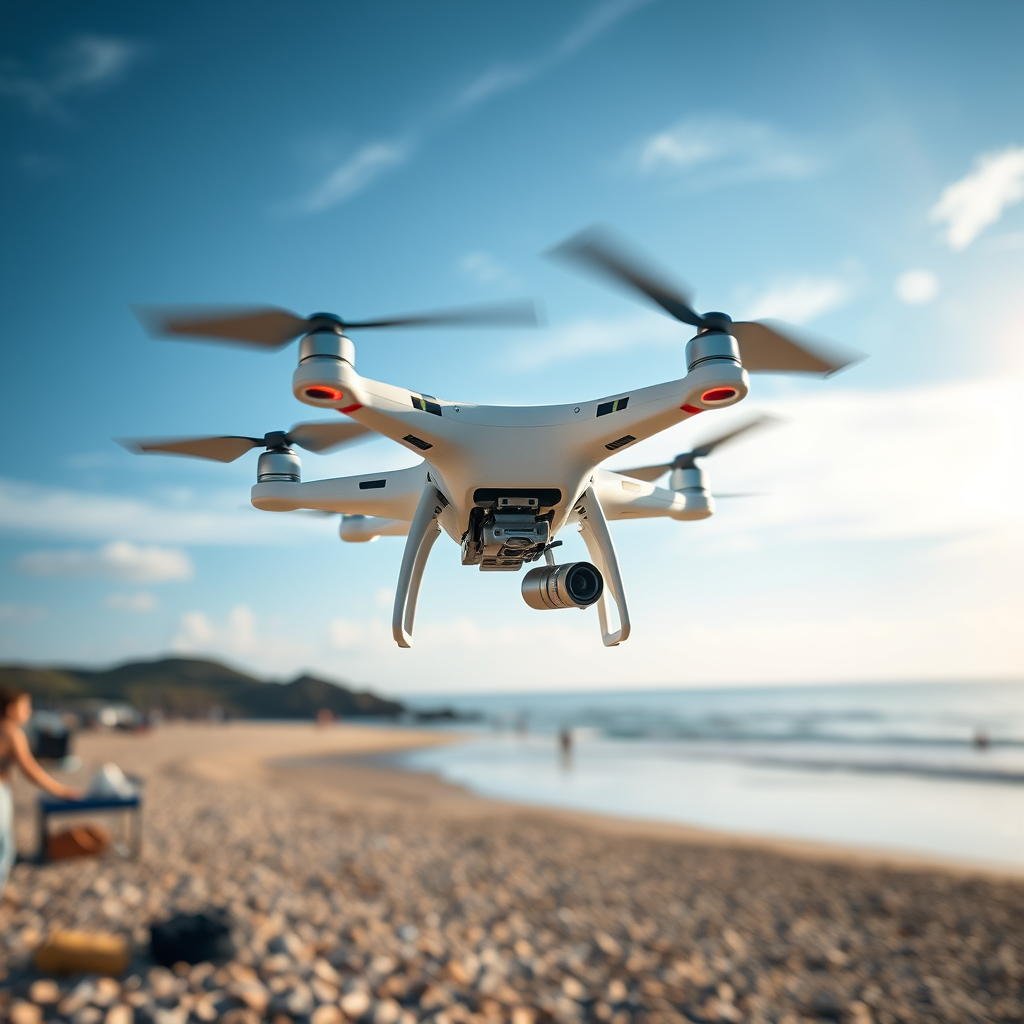
Yes, you can fly a drone on a public beach, but there are specific regulations and guidelines you must follow. Each beach may have its own set of rules, and understanding these local laws is crucial for a safe and enjoyable flying experience. Adhering to federal regulations, respecting privacy, and considering safety are all essential components when planning to operate your drone in these picturesque yet populated environments.
Understanding Local Regulations
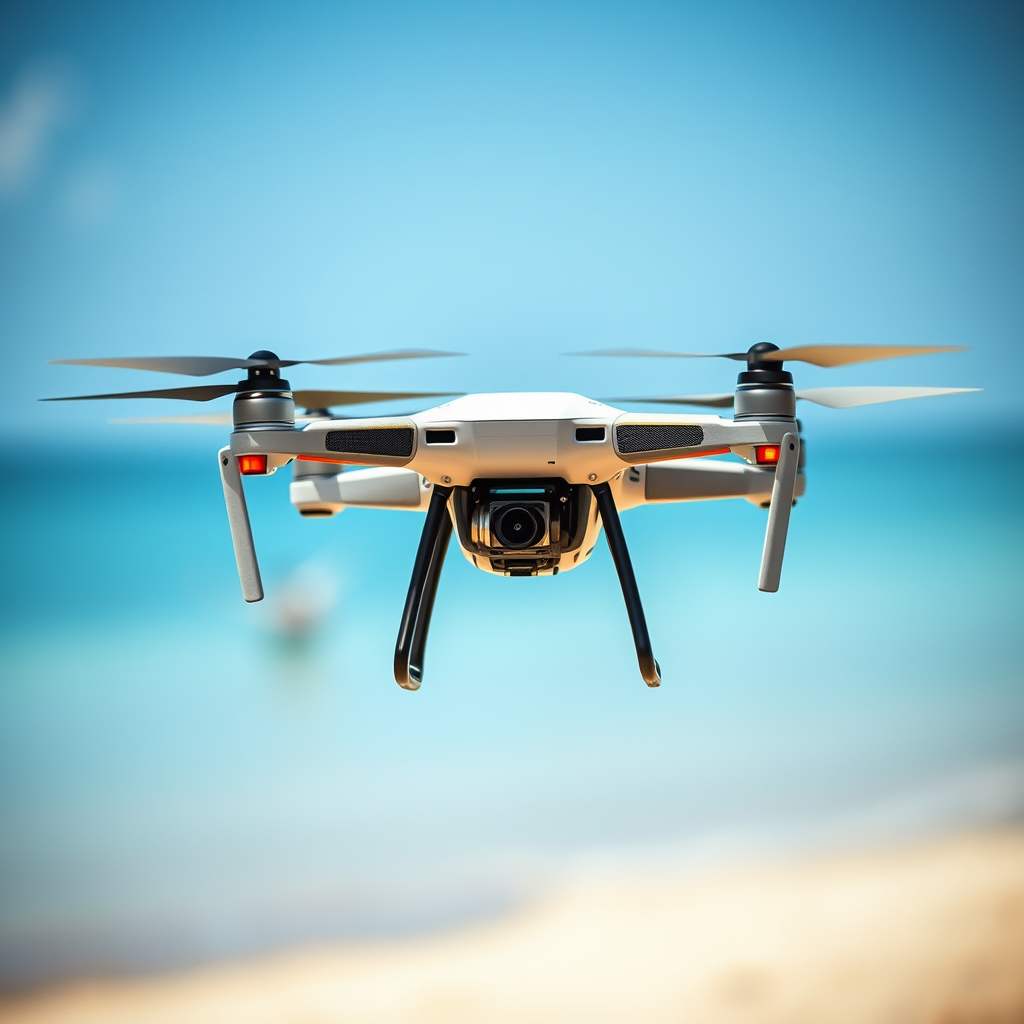
Before you take off, it’s critical to familiarize yourself with both federal and state laws that govern drone usage in public spaces. In the United States, the Federal Aviation Administration (FAA) regulates commercial and recreational drone flights. Under FAA guidelines, drone operators must register their drones if they weigh more than 0.55 pounds, maintain visual line-of-sight during flights, and fly below 400 feet. Additionally, some states have enacted stricter drone laws that may apply specifically to public beaches, so checking with your state’s aviation authority is a wise step.
Local regulations can vary significantly. For example, California’s state parks, which include some of its most beautiful beaches, often have designated areas where drone flying is permitted, while others may outright ban it. Always check local ordinances and consult the official website of the beach or park before your visit. Some beaches may have specific restrictions, such as designated flying areas or bans during peak hours to minimize disturbances to beachgoers.
Beach-Specific Rules
When it comes to flying a drone on public beaches, beach-specific rules can be the deciding factor on whether or not you can take to the skies. Many public beaches enforce regulations set by local authorities or park services, which can include restrictions based on time, space, or the type of drone being flown.
For instance, popular beaches in Florida like South Beach in Miami may have seasonal restrictions owing to increased tourist traffic, while quieter, less-visited beaches might have more lenient rules. It’s essential to look for signage indicating drone flying permissions or restrictions as you arrive at the beach. Failing to adhere to these rules can lead to fines or confiscation of your equipment.
Safety Considerations
Safety should always be a primary concern for any drone pilot, especially in environments that attract large crowds such as public beaches. Maintaining a safe distance from beachgoers is critical; the FAA recommends keeping a minimum distance of 50 feet from people. This not only protects individuals from potential accidents but also enhances your flying experience by reducing the chances of disturbance.
Additionally, be aware of environmental hazards like strong winds, which can affect drone stability and control, and be vigilant about low-flying aircraft in the vicinity. Beaches often see helicopters and seaplanes, particularly near coastal cities, so always keep a lookout for other air traffic. Adhering to these safety considerations will ensure that your drone flight is both enjoyable and responsible.
Respecting Privacy
Respecting the privacy of individuals is another crucial aspect of flying drones on public beaches. While public spaces typically allow for some degree of aerial photography, it’s important to avoid flying over private property or capturing images of people without their consent. Each state may have its own privacy laws, which can be complex and vary widely.
For example, California has specific laws that prohibit photographing people in a way that can be deemed intrusive. If your drone captures images of individuals without their knowledge, you may be infringing on their privacy rights. Familiarizing yourself with local privacy laws regarding aerial photography will not only keep you compliant but also foster good relationships with the community and fellow beachgoers.
Environmental Impact
The environmental impact of flying drones, particularly on public beaches, is an often-overlooked consideration. Drones can disturb local wildlife, especially birds, which may be nesting along coastal areas. In some regions, flying a drone too close to nesting sites can lead to abandonment of eggs or fledglings, adversely affecting their populations.
To minimize disturbance, always adhere to guidelines that protect local wildlife. This includes avoiding flying during sensitive periods, such as nesting seasons, when birds are particularly vulnerable. Many wildlife organizations recommend keeping your drone at least 1,500 feet away from known nesting sites or bird sanctuaries. Understanding and respecting these environmental considerations is vital for responsible drone operation.
Best Practices for Flying Drones at the Beach
To ensure a successful and enjoyable drone-flying experience at the beach, consider implementing best practices. Planning your flights during less crowded times, such as early mornings or weekdays, can provide a more serene environment with fewer interruptions. This not only enhances your flying experience but also reduces the likelihood of disturbing others.
Additionally, bring extra batteries and equipment to ensure a smooth operation. Drones have finite flight times, and beaches can be expansive, requiring you to cover large areas. Extra batteries can extend your flying time and allow for additional exploration. Also, check your equipment before heading out; this includes ensuring that your drone is fully charged, firmware is updated, and you have all necessary accessories, such as a sunshade for your remote control.
Resources for Drone Pilots
Staying informed about current regulations and guidelines is essential for all drone pilots. The FAA website is an invaluable resource, providing updated regulations, safety tips, and information specific to drone operation in various environments. Additionally, consider joining local drone enthusiast groups or online forums. These communities can offer invaluable tips, shared experiences, and camaraderie among fellow drone operators.
In addition to these resources, various mobile apps can assist with flight planning, airspace awareness, and local regulations. Utilizing technology can help streamline your flying experience, ensuring compliance with all applicable rules.
In conclusion, flying a drone on a public beach is not only possible but can be an exhilarating experience, provided that you adhere to local regulations and safety guidelines. Understanding the specific rules of the beach you are visiting, respecting privacy, considering environmental impacts, and following best practices will ensure a responsible and enjoyable drone flying adventure. Always prioritize the safety of others and the environment while indulging in your aerial pursuits. Happy flying!
Frequently Asked Questions
Can you legally fly a drone on a public beach?
Yes, you can legally fly a drone on a public beach, but it is subject to specific regulations. Local laws and regulations may vary by location, so it’s essential to check with local authorities or park services for any restrictions. Additionally, you must comply with FAA regulations, which include flying below 400 feet, not flying over crowds, and maintaining visual line of sight with your drone.
What are the common restrictions for flying a drone at the beach?
Common restrictions for flying a drone at the beach often include limitations on flying over people, wildlife, and certain designated areas. Many beaches may have specific rules against drone use to protect wildlife or ensure public safety, especially during peak hours. Always look for posted signs and consult local ordinances to avoid fines or penalties.
How can you find out if drone flying is allowed on a specific beach?
To find out if drone flying is allowed on a specific beach, start by checking the website of the local government or beach authority. Many municipalities provide guidelines for drone usage on their official sites. You can also contact local law enforcement or the beach management office directly for the most accurate and updated information regarding drone regulations.
Why is it important to follow drone regulations when flying at the beach?
Following drone regulations when flying at the beach is crucial for safety, compliance, and respect for the environment. Adhering to these rules helps prevent accidents, protects wildlife and natural habitats, and ensures a positive experience for all beachgoers. Violating drone regulations can lead to fines, confiscation of your drone, and even legal action, which highlights the importance of being informed and responsible.
What is the best time to fly a drone on a beach?
The best time to fly a drone on a beach is typically early in the morning or late in the evening when crowds are smaller and wind conditions are often calmer. These times not only provide better flying conditions but also enhance the quality of your aerial photography and videography due to softer natural lighting. Always check local regulations regarding time restrictions before launching your drone.
References
- https://www.faa.gov/uas/getting_started/part_107
- https://www.nps.gov/subjects/drones/index.htm
- https://www.wikiwand.com/en/Drone_flying_regulations_in_the_United_States
- https://www.dronesfordepartments.org/resources/drone-flying-on-public-beaches
- https://www.ama-assn.org/delivering-care/public-health/drone-operations-public-beaches
- https://www.theguardian.com/us-news/2021/jul/07/drone-beaches-us-regulations
- https://www.nytimes.com/2021/06/30/us/drone-beach-regulations.html
