
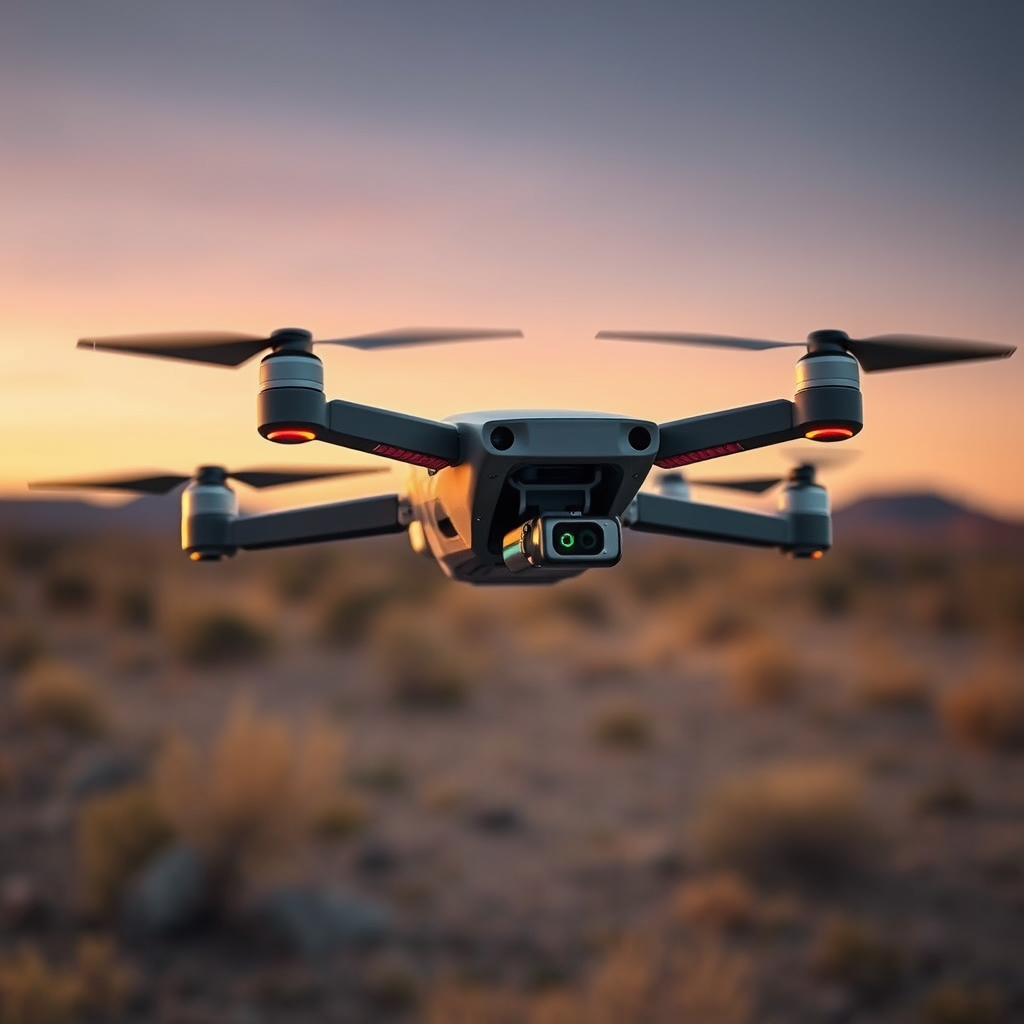
Yes, you can fly a drone on Bureau of Land Management (BLM) land, but there are specific regulations and guidelines you must follow. Understanding these rules not only ensures that you fly safely and legally, but it also enhances your experience as you explore the diverse and breathtaking landscapes of BLM territories. This article will detail the regulations you need to be aware of, the permits required, safe flying practices, and the importance of environmental respect when operating your drone on BLM land.
Understanding BLM Land Regulations
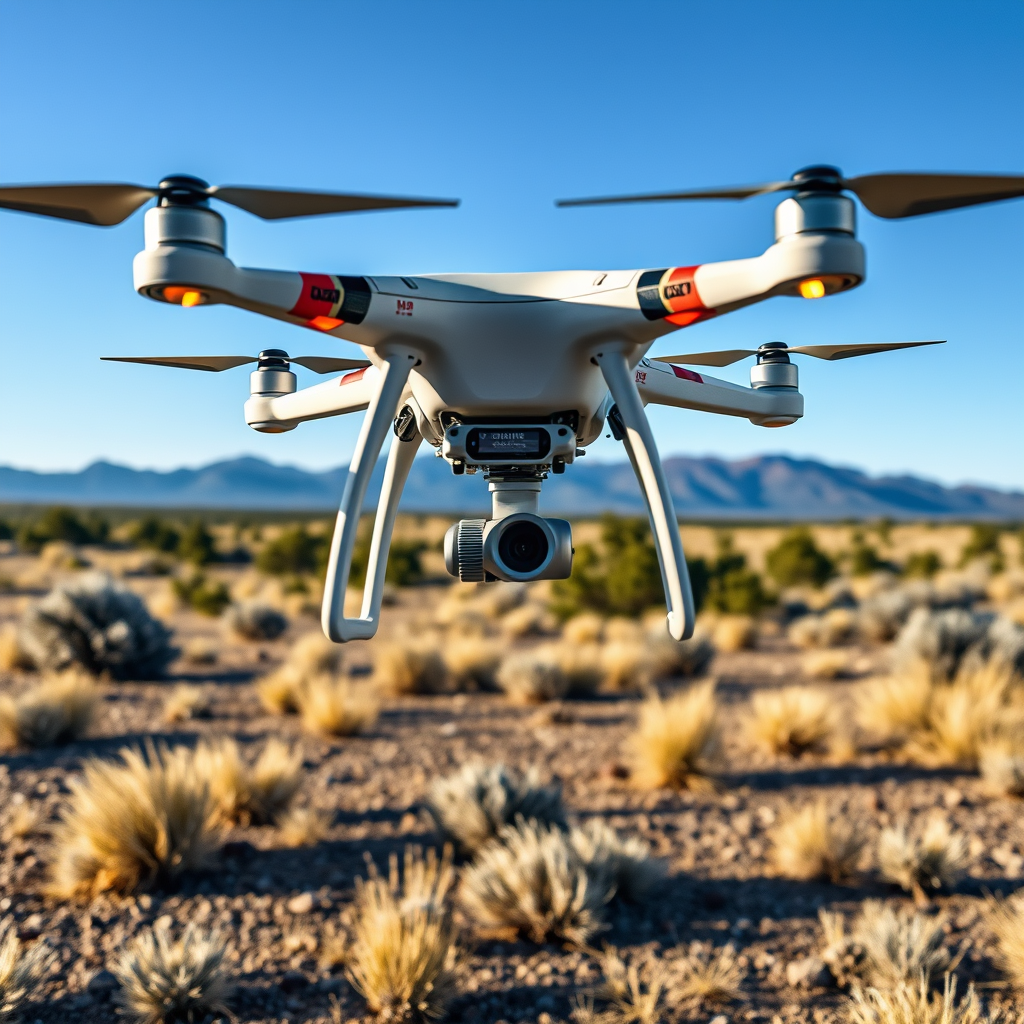
BLM land is managed by federal regulations, which encompass policies regarding drone usage. The BLM oversees vast areas of public land, and while the agency generally encourages recreational activities, it also places strict regulations to protect natural resources and public safety. Drone operation is subject to the same federal laws that govern airspace usage, primarily enforced by the Federal Aviation Administration (FAA).
Each BLM field office may have specific restrictions based on the local ecosystem, wildlife habitats, and land use designations. For instance, certain areas may be designated as wilderness, where drone flights are prohibited to preserve the natural soundscape and minimize human impact. Therefore, before planning your trip, it is crucial to check the local BLM office for any specific regulations or restrictions that may apply to your intended flying location. This proactive approach not only ensures compliance but also fosters a greater appreciation for the protected areas you are visiting.
Required Permits and Authorizations
Flying a drone on BLM land may require obtaining special use permits, particularly if your operations are for commercial purposes. Commercial use of drones, defined as any activity that is conducted for business or compensation, often necessitates additional authorization due to the potential impact on the environment and other users of the land.
For example, if you plan to conduct aerial photography for a real estate project or provide aerial surveys for a construction company, you will need to submit a request for a special use permit. This process entails providing specific details about your intended operations, including the purpose of the drone flight, the location, and the duration of your activities. It is advisable to contact your local BLM office well in advance of your planned flight to ensure you have ample time to complete all necessary paperwork and receive any required approvals.
Designated No-Fly Zones
While BLM land offers expansive areas for drone flight, certain zones are strictly off-limits. Areas near airports, military installations, and wildlife refuges typically fall under no-fly zones due to safety concerns and the protection of sensitive ecosystems. For instance, flying a drone near an active airport can pose significant risks to manned aircraft and is strictly regulated under FAA guidelines.
Moreover, temporary restrictions may be imposed on specific locations due to events, such as wildfires or natural disasters, or for the protection of wildlife during critical breeding seasons. It is essential to stay informed about any temporary no-fly zones that may restrict drone operations in your chosen area. Utilizing apps and resources that provide real-time information about airspace restrictions can assist you in avoiding these areas and ensure that your drone flight remains compliant with all regulations.
Best Practices for Flying Drones
To ensure a safe and enjoyable drone flying experience on BLM land, it is imperative to adhere to best practices. First and foremost, maintain a safe distance from wildlife and people. Disturbing wildlife can have detrimental effects on their natural behaviors, particularly during nesting or migration seasons. A respectful approach is not only legally required but also ethically responsible.
Additionally, follow FAA guidelines for drone flight, which include adhering to altitude limits (typically 400 feet above ground level), maintaining visual line-of-sight with your drone, and avoiding flight over populated areas. Familiarizing yourself with the controls of your drone and performing pre-flight checks can significantly reduce the risk of accidents or loss of control.
Lastly, consider the time of day when planning your flights. Early mornings or late afternoons often provide optimal lighting conditions for photography and minimize the potential for encountering other visitors.
Safety Considerations
Safety should always be a top priority when operating a drone. Before your flight, assess the weather conditions, as strong winds, rain, or low visibility can adversely affect your ability to control the drone. It is advisable to have contingency plans in place for lost connection or emergency landings.
In the event of a lost connection, many drones are equipped with “return to home” features that automatically guide the drone back to its takeoff point. Familiarizing yourself with your drone’s specific safety features and understanding how to operate them can prevent damage to the drone and mitigate safety risks to others.
Furthermore, carrying a first aid kit and knowing basic first aid procedures can be beneficial, especially in remote areas where help may be far away.
Community and Environmental Respect
Respecting the natural environment and local wildlife is essential when flying drones on BLM land. Drones can create noise pollution and disturb wildlife, which can lead to negative impacts on animal behavior and habitat. It is crucial to fly discreetly and keep your distance from animals to minimize these disturbances.
Additionally, be mindful of other visitors enjoying the land. Drones can be distracting and intrusive to those seeking solitude in nature. Always be considerate of others’ experiences and avoid flying in crowded areas. Engaging with fellow outdoor enthusiasts and educating others about responsible drone use can foster a positive community around this activity.
Before your flight, take the time to learn about the specific ecosystems and wildlife that inhabit the area you are visiting. This knowledge deepens your appreciation for the landscape and reinforces the importance of minimizing your impact.
In conclusion, flying a drone on BLM land is permissible under specific conditions. By familiarizing yourself with the regulations, obtaining necessary permits, and practicing responsible flying, you can enjoy the beauty of BLM landscapes while adhering to legal and safety standards. Always check for updates and local guidelines before your flight to ensure a smooth experience. By doing so, you contribute to the preservation of these incredible natural spaces for future generations.
Frequently Asked Questions
What are the regulations for flying a drone on BLM land?
When flying a drone on Bureau of Land Management (BLM) land, it’s essential to adhere to both federal and state regulations. Drones must be flown at or below 400 feet, within visual line of sight, and away from wildlife, national parks, and other restricted areas. Additionally, you should check for any specific BLM district regulations, as some areas may have unique restrictions or require permits for drone use, especially in sensitive habitats.
How do I obtain a permit to fly a drone on BLM land?
To obtain a permit for flying a drone on BLM land, you need to contact the local BLM office in the area where you plan to fly. The process typically involves filling out an application, providing details about your intended drone use, and possibly paying a fee. It’s advisable to submit your application well in advance, as processing times can vary based on location and the complexity of your request.
Why is it important to follow drone regulations on BLM land?
Following drone regulations on BLM land is crucial for multiple reasons. It helps protect wildlife and their habitats, ensures public safety, and preserves the natural landscape. Non-compliance can lead to fines and legal consequences, and it may also harm the reputation of the drone community, potentially leading to stricter regulations in the future.
What are the best practices for flying a drone on BLM land?
The best practices for flying a drone on BLM land include flying during daylight hours, maintaining a safe distance from wildlife, and respecting the privacy of others. Always check for temporary flight restrictions or local events that may affect your flight. Additionally, it’s advisable to familiarize yourself with the area and avoid flying over sensitive landscapes or archaeological sites to minimize environmental impact.
Which BLM areas are most drone-friendly for recreational flying?
Several BLM areas are known for being drone-friendly, including the Mojave National Preserve in California and the Red Rock Canyon National Conservation Area in Nevada. However, it’s important to verify specific regulations for each location, as some may have designated zones where drone flying is permitted. Always check the BLM website or contact local offices for up-to-date information on drone policies in your chosen area.
References
- https://www.blm.gov/programs/recreation/aircraft
- https://www.faa.gov/uas/getting_started/what_is_uas
- https://www.nps.gov/articles/drone-use-in-national-parks.htm
- https://www.wildlife.ca.gov/Conservation/Drone-Use
- https://www.usgs.gov/mission-areas/water-resources/science/using-drones-science-and-management
- https://www.nytimes.com/2020/09/29/us/drone-regulations.html
