
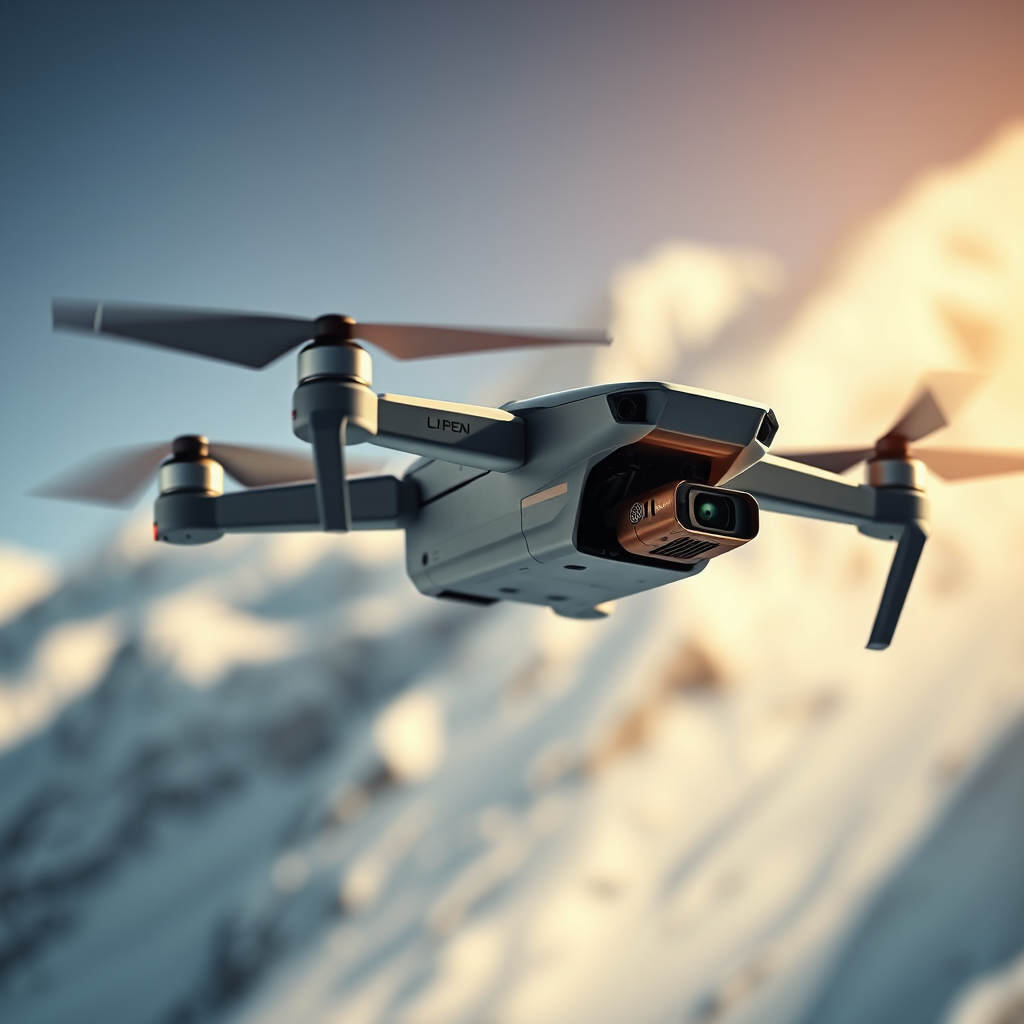
Yes, you can fly a drone on Mount Everest, but there are significant challenges and regulations to consider. The extreme altitude, unpredictable weather conditions, and strict legal restrictions all play a crucial role in the feasibility of operating drones in this iconic location. As drone technology continues to advance, the potential for aerial exploration and research in such extreme environments becomes increasingly appealing. However, understanding the framework of regulations and the inherent challenges is essential for anyone considering this adventurous endeavor.
Understanding Drone Regulations in Nepal
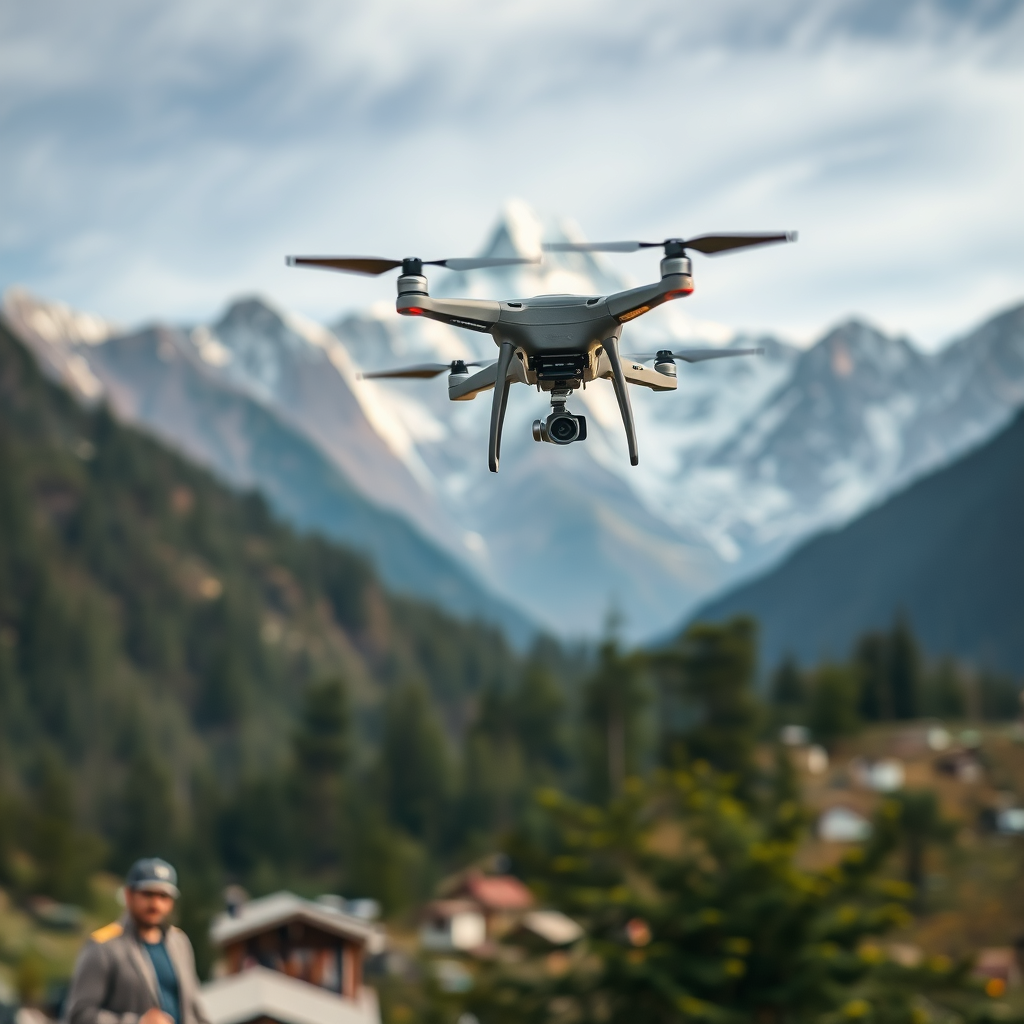
Flying a drone in Nepal, particularly in regions like Mount Everest, involves navigating a complex web of regulations. The Civil Aviation Authority of Nepal (CAAN) oversees all drone operations within the country, emphasizing the need for special permits, especially in protected areas. These regulations are designed to ensure safety, protect the environment, and regulate air traffic.
To operate a drone legally, pilots must apply for a permit that specifies the intended flight area and purpose. The application process can be intricate and requires documentation detailing the drone’s specifications, the pilot’s qualifications, and a thorough flight plan. Violating these regulations can lead to hefty fines or even confiscation of the drone. It is also vital to stay updated on any changes to the regulations, as they can evolve based on environmental, political, or technological developments.
Additionally, the areas surrounding Mount Everest are often designated as conservation zones, where restrictions are even stricter. Pilots must respect these boundaries to avoid legal repercussions and contribute positively to the conservation efforts.
The Challenges of High-Altitude Drone Flying
Flying a drone at high altitudes brings forth numerous challenges that can significantly impact performance. One of the primary issues is the thin air found at elevations above 8,000 meters, which can lead to reduced lift and diminished battery efficiency. Drones are typically designed to operate optimally at lower altitudes, and the higher you go, the more pronounced these effects become.
Moreover, Mount Everest is notorious for its unpredictable weather conditions. Sudden storms, high winds, and rapidly changing temperatures can create hazardous flying conditions. These factors not only complicate flight plans but can also lead to equipment failure or loss of control. For instance, a drone that encounters unexpected wind gusts may struggle to maintain stability, making it challenging to capture clear images or video.
Pilots must also account for the risk of hypoxia, a condition that can impair cognitive function and reaction times, especially at extreme elevations. This makes it imperative for drone operators to be in good physical condition and well-acquainted with the symptoms of altitude sickness.
Best Practices for Flying Drones in Extreme Conditions
Flying a drone in extreme conditions like those found on Mount Everest necessitates meticulous planning and preparation. Pre-flight checks should be rigorous, ensuring that the drone is in optimal condition to withstand harsh environments. This includes checking battery levels, ensuring all components are functioning correctly, and confirming that firmware is updated.
Experience in flying drones under challenging conditions is crucial. Pilots should practice in varied environments before attempting to fly in extreme conditions. This experience can help them develop strategies for managing unforeseen issues that may arise during flight.
Moreover, having a robust emergency plan is essential. Pilots should establish protocols for communication, including methods to retrieve the drone in case of an emergency landing. Carrying backup equipment, such as extra batteries and tools, can also mitigate risks associated with equipment failure.
Additionally, utilizing drones equipped with advanced features such as GPS tracking, real-time telemetry, and obstacle avoidance systems can enhance safety and improve the likelihood of a successful flight. These technologies can assist pilots in navigating the challenging terrain and avoiding obstacles, which is especially important in a rugged environment like Mount Everest.
Potential Uses for Drones on Mount Everest
The application of drones on Mount Everest extends beyond recreational use; they offer significant benefits in various fields. One of the most compelling uses is in search and rescue operations. Drones can provide aerial views of difficult terrains, allowing search teams to identify locations that may be inaccessible on foot. This capability can be life-saving, helping rescuers locate climbers in distress more efficiently.
In addition to rescue operations, drones play a critical role in scientific research. They can capture high-resolution images and collect data from remote locations, facilitating studies on glacial movements, climate change, and ecological monitoring. For example, researchers can utilize drones to survey and map glacier surfaces, providing valuable insights into the impacts of climate change on these fragile ecosystems.
Furthermore, drones can assist in documenting the effects of tourism on the region, allowing researchers to analyze how increased human activity is altering the landscape and environment. By employing drones as research tools, scientists can gather data that would otherwise be challenging to obtain, contributing to a broader understanding of environmental dynamics in extreme conditions.
Safety Considerations for Pilots
Safety is paramount when flying drones in extreme environments like Mount Everest. Pilots must prioritize their safety and that of others in the vicinity. This includes conducting thorough risk assessments before each flight, understanding the terrain, and being aware of potential hazards such as wildlife, crevasses, and other climbers.
Establishing a backup plan for communication and emergency retrieval of the drone is essential. Pilots should have a reliable means of communication, such as satellite phones or radios, to maintain contact with their team or support crew during flights. In cases where the drone goes down, having a strategy in place for retrieval can save time and resources.
Additionally, pilots should educate themselves about altitude sickness and its symptoms to ensure they can respond appropriately to any health issues that may arise during their expedition. Prioritizing personal health and safety not only enhances the flying experience but also contributes to the overall success of the mission.
Equipment Recommendations for High-Altitude Flying
Selecting the right equipment is crucial for successful drone operations in high-altitude environments. Pilots should choose drones specifically designed for high-altitude performance, taking into account features such as extended battery life and lightweight materials. Drones equipped with powerful motors can help maintain lift in thinner air, while those with advanced stabilization systems can improve flight stability.
Furthermore, considering drones with high-quality GPS and obstacle avoidance systems is advisable. These features can help navigate effectively through challenging terrains and avoid collisions with natural obstacles. Some models also offer thermal imaging capabilities, which can be beneficial for search and rescue operations or wildlife monitoring.
Investing in quality gear, such as weather-resistant drones, can also enhance reliability in adverse weather conditions. It’s crucial to conduct thorough research and read reviews before making a purchase, ensuring that the chosen drone meets the specific operational demands associated with high-altitude flying.
In conclusion, while flying a drone on Mount Everest is indeed possible, it requires careful planning, adherence to regulations, and an understanding of the unique challenges posed by such an extreme environment. Pilots must be well-prepared and informed about the necessary requirements and precautions to ensure a successful and safe flying experience. With the right approach, drones can serve as invaluable tools for exploration, research, and conservation in one of the world’s most awe-inspiring locations.
Frequently Asked Questions
Can you fly a drone on Mount Everest?
Yes, you can technically fly a drone on Mount Everest, but there are significant challenges and restrictions. The extreme altitude, harsh weather conditions, and risk of interference with manned flights make it a complex endeavor. Additionally, Nepal’s government has regulations regarding drone usage, particularly in sensitive areas like the Everest region, requiring permits and adherence to local laws.
What are the legal requirements for flying a drone in Nepal, especially near Mount Everest?
To fly a drone in Nepal, you must obtain a permit from the Civil Aviation Authority of Nepal (CAAN). This process typically involves submitting an application detailing your drone’s specifications and intended use. For areas near Mount Everest, where regulations are stricter due to the environmental and cultural sensitivities, it’s crucial to research and comply with both national and local regulations to avoid fines or confiscation.
How does altitude affect drone performance on Mount Everest?
The high altitude of Mount Everest, which exceeds 29,000 feet, significantly affects drone performance due to thinner air and reduced lift. Most consumer drones are not designed to operate effectively above 15,000 feet, leading to issues such as reduced battery life, loss of control, and insufficient GPS signal. Therefore, if you plan to fly a drone in this region, consider specialized high-altitude drones that can handle these extreme conditions.
What are the best practices for flying a drone in challenging environments like Mount Everest?
When flying a drone in challenging environments such as Mount Everest, it’s essential to conduct thorough pre-flight checks and ensure your drone is equipped for high-altitude operation. Always monitor weather conditions closely, keep the drone within line of sight, and respect the local wildlife and cultural sites. Additionally, carrying spare batteries and maintaining a cautious approach to avoid technical failures is crucial for safe drone operation.
Why would someone want to fly a drone on Mount Everest?
Flying a drone on Mount Everest offers unique opportunities for capturing breathtaking aerial views and documenting the majestic landscape in ways that traditional photography cannot achieve. Drones can also be used for scientific research, such as monitoring glacial changes or wildlife observations. However, anyone considering this should weigh the technical challenges and legal restrictions against the potential benefits of aerial footage and data collection.
References
- https://en.wikipedia.org/wiki/Drone_usage_in_Nepal
- https://www.bbc.com/news/world-asia-54227282
- https://www.reuters.com/article/us-nepal-drones-idUSKCN1VV1P4
- https://www.nps.gov/subjects/drones/index.htm
- https://www.ncbi.nlm.nih.gov/pmc/articles/PMC6838400/
- https://www.sciencedirect.com/science/article/pii/S2351978918300790
