
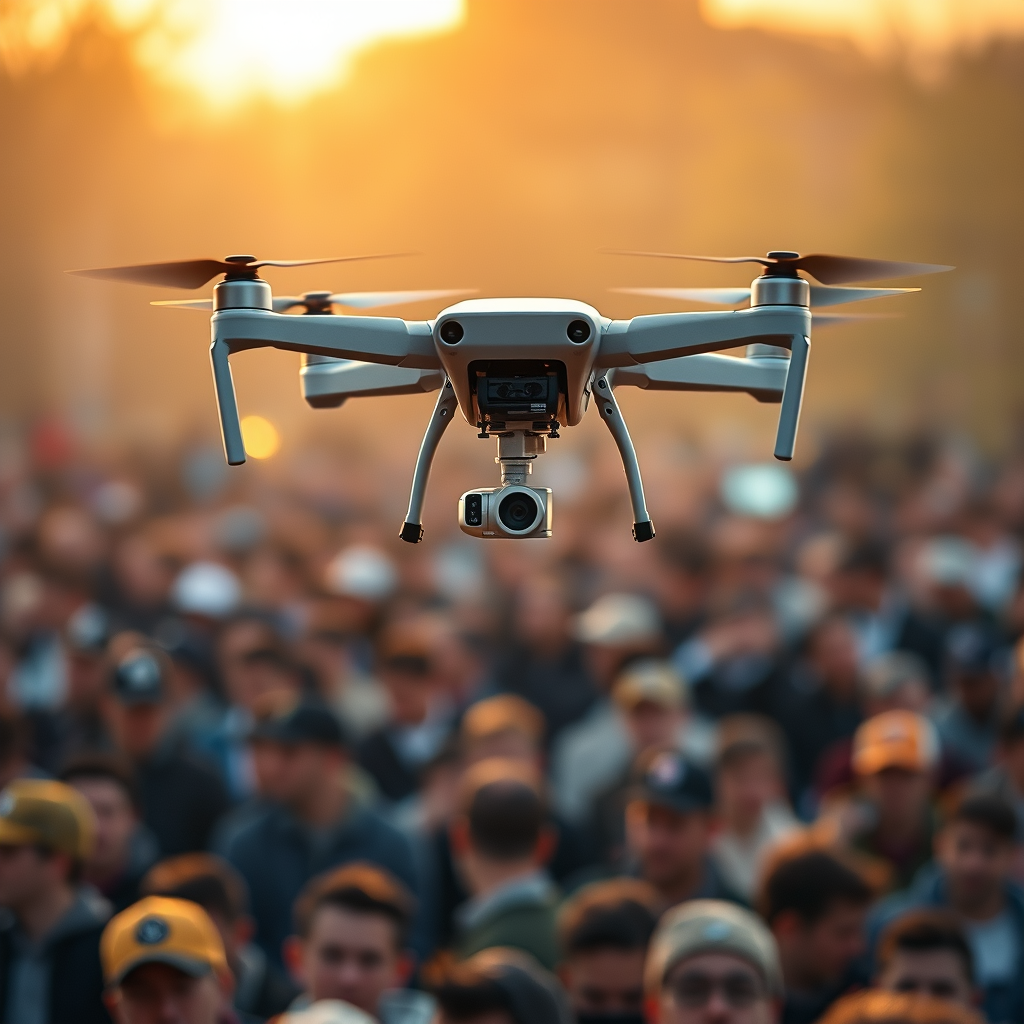
Yes, you can fly a drone over a crowd, but there are important regulations and safety concerns to keep in mind. Understanding these factors will help ensure a safe and legal flying experience. With the growing popularity of drone technology, it’s essential to navigate the complexities of operating drones in crowded environments, particularly in public spaces where the potential for accidents increases. This guide will provide you with a comprehensive understanding of the necessary regulations, safety considerations, and practical steps to take if you plan to fly a drone over a crowd.
Understanding FAA Regulations
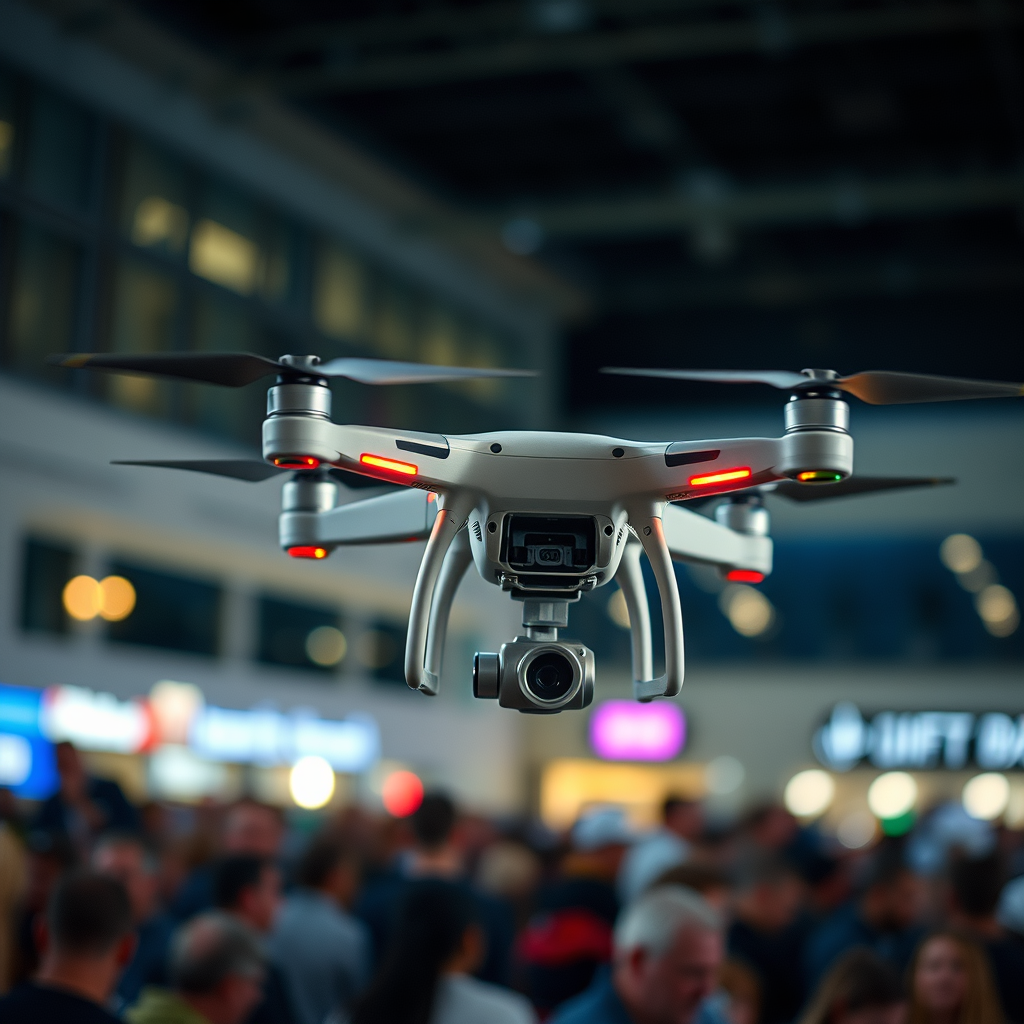
The Federal Aviation Administration (FAA) has established strict regulations regarding drone flights, especially when it comes to operating over people. According to the FAA’s Part 107 rules, commercial drone pilots are generally prohibited from flying over people who are not directly participating in the operation of the drone. If you are considering flying a drone over a crowd, you may need to secure a specific waiver that allows for such operations. This waiver process demands that you demonstrate an understanding of potential risks and outline your safety measures to mitigate them.
Furthermore, in August 2020, the FAA released new guidelines that allow for some operations over people without a waiver, provided that the drone meets certain criteria, including being classified as a low-risk category drone. This includes drones weighing less than 0.55 pounds with no exposed rotating parts that could injure people. Understanding these regulations not only ensures compliance but also promotes responsible flying practices that prioritize public safety.
Safety Concerns
Safety is paramount when flying a drone over a crowd. Drones can pose significant risks, particularly in the event of mechanical failure, loss of control, or battery malfunction. For instance, a drone crash could potentially cause serious injuries to individuals below, leading to severe consequences both for the operator and the affected parties. As a drone pilot, you must assess the size of the crowd and the weight and capabilities of your drone. Larger crowds increase the risk of accidents, and heavier drones can cause more damage if they fall.
Additionally, environmental factors such as wind, rain, and visibility should not be overlooked. If conditions are unfavorable, it may be wise to postpone the flight. Prioritizing safety by conducting thorough pre-flight checks and maintaining situational awareness during the operation is essential to prevent accidents and ensure a safe experience for everyone involved.
Types of Drones Suitable for Crowds
When considering flying over a crowd, it is crucial to select a drone designed with safety features that minimize risks. Certain drones come equipped with propeller guards, which can significantly reduce the likelihood of injury in case of an accident. Lightweight drones, those weighing under 2 pounds, are generally safer options for flying over people, as they are less likely to cause serious harm if they malfunction.
For example, the DJI Mini SE is a compact and lightweight drone that includes features such as GPS stabilization and automatic return-to-home functionality, making it a suitable choice for novice pilots looking to operate in crowded areas safely. Additionally, drones equipped with advanced obstacle avoidance systems can help reduce the risk of collisions during flight. Ensuring that the drone you choose meets these safety standards will not only protect those on the ground but also enhance your overall flying experience.
Insurance and Liability
Having liability insurance is essential when flying a drone in public spaces, particularly over crowds. Liability insurance can protect you from potential lawsuits arising from accidents or injuries caused by your drone’s operation. Many insurance providers offer specific drone insurance policies that cover damages to third parties and property.
Understanding your legal responsibilities is equally important. Familiarize yourself with local laws and regulations regarding drone operations in your area, as these can vary significantly. In the event of an incident, having proper documentation and insurance coverage can safeguard you against financial repercussions and legal challenges. Maintaining a proactive approach to insurance and liability will not only protect you but also instill confidence in those around you.
Planning Your Flight
Effective planning is critical for minimizing potential hazards when flying a drone over a crowd. It is advisable to choose the right time and location for your flight. Consider flying during events that require aerial photography or monitoring, as these often have pre-established protocols and safety measures in place. Additionally, conducting a thorough site assessment can help identify potential risks, such as nearby obstacles or restricted airspace.
Always notify local authorities or event organizers before flying over a crowd. This not only ensures compliance with regulations but also fosters cooperation and understanding with those involved in the event. Providing advance notice allows for the implementation of safety measures and can enhance the overall experience for both the drone operator and the crowd below.
Alternative Options
If flying over a crowd poses too many risks, consider alternative options that can achieve similar results without compromising safety. For instance, drones equipped with safety features specifically designed for crowd monitoring can be used for surveillance or aerial photography without the need to fly directly over people. These drones often have advanced sensors and capabilities that allow for safe operation at a distance.
Moreover, drone shows or events where aerial displays are permitted under controlled conditions can be an excellent alternative. Participating in organized events with established safety protocols allows for creative drone usage while adhering to regulations. Exploring these alternatives can provide unique opportunities for drone enthusiasts and professionals while prioritizing public safety.
In conclusion, while flying a drone over a crowd is possible, it requires careful consideration of regulations, safety, and planning. Understanding FAA regulations, addressing safety concerns, selecting the right drone, ensuring proper insurance coverage, and planning your flight meticulously are all crucial factors for a successful operation. By prioritizing safety and legal compliance, you can ensure a positive experience for everyone involved, ultimately enhancing the enjoyment and utility of drone technology in public spaces.
Frequently Asked Questions
What are the legal restrictions for flying a drone over a crowd?
In many countries, including the United States, flying a drone over a crowd is subject to strict regulations. According to the Federal Aviation Administration (FAA), drone operators must maintain a safe distance from people not directly involved in the operation and typically must not fly over groups of people. Violating these regulations can result in fines and penalties, so it’s crucial to check local laws and regulations regarding drone use in populated areas before attempting to fly.
How can I ensure safety when flying a drone near crowds?
To ensure safety when flying a drone near crowds, it is essential to perform a thorough risk assessment and maintain a safe distance from people. Operators should also conduct pre-flight checks to ensure the drone is in good working condition and familiarize themselves with emergency procedures. Additionally, using drones equipped with safety features like obstacle detection and auto-return can help mitigate risks associated with flying in crowded areas.
Why is it dangerous to fly a drone over a crowd?
Flying a drone over a crowd can be dangerous due to the risk of injury from a falling drone, particularly if it malfunctions or crashes. Drones can weigh several pounds and may cause serious harm to individuals if they descend unexpectedly. Moreover, flying over crowds can lead to panic or chaos, especially if the drone operates in unexpected ways, creating a potential safety hazard for both the audience and the drone operator.
What are the best practices for flying a drone at public events?
The best practices for flying a drone at public events include obtaining necessary permits and permissions from local authorities and event organizers, ensuring compliance with relevant regulations, and informing attendees about the drone’s presence. Operators should also fly at a safe altitude, avoid crowded areas, and use visual observers to assist in maintaining situational awareness while flying. Prior planning and communication can significantly improve safety and enhance the experience for everyone involved.
Which drones are suitable for flying in crowded environments?
Drones that are suitable for flying in crowded environments typically have enhanced safety features, such as obstacle avoidance systems, lightweight designs, and stable flight capabilities. Models like the DJI Mavic Mini and DJI Air 2S are popular choices due to their compact size and advanced technology that allows for safe navigation. Always ensure that the drone you select complies with local regulations regarding flying over people, as this can vary widely based on location.
References
- https://en.wikipedia.org/wiki/Drone_regulations_in_the_United_States
- https://www.faa.gov/uas/resources/policies_regulations/
- https://www.faa.gov/uas/getting_started/part_107/
- https://www.reuters.com/business/aerospace-defense/us-drone-flying-crowds-regulation-2023-10-01/
- https://www.nbcnews.com/technology/drone-flying-crowds-rcna12345
- https://www.nytimes.com/2023/09/30/us/drone-flying-crowds.html
- https://www.nasa.gov/feature/nasa-research-on-drones-flying-over-people
- https://www.cnet.com/news/drone-flying-over-crowds-rules-and-regulations/
- https://www.smithsonianmag.com/innovation/flying-drones-over-crowds-what-you-need-to-know-180980600/
