

Yes, you can fly a drone over a golf course, but there are specific regulations and considerations you must follow. Understanding local laws, respecting privacy, and ensuring safety are crucial before taking to the skies. As drone technology becomes more accessible and popular, golf enthusiasts and aerial videographers alike are eager to capture stunning views and unique perspectives of golf courses. However, it is essential to proceed with caution and diligence to ensure compliance with legal requirements and respect for individuals on the course.
Understanding Drone Regulations
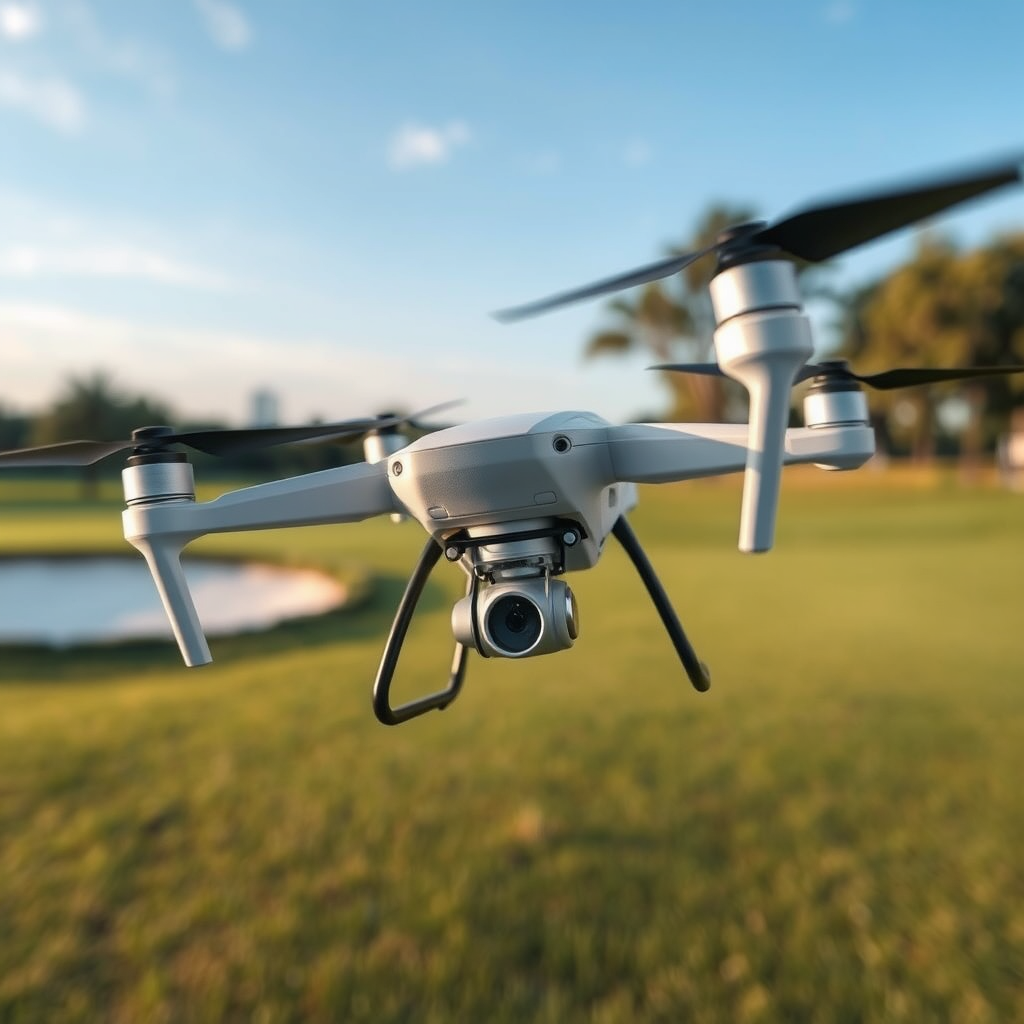
Before launching your drone over a golf course, it is imperative to familiarize yourself with the Federal Aviation Administration (FAA) regulations concerning drone usage. In the United States, the FAA requires all drone operators to follow specific guidelines, including registering their drones if they weigh more than 0.55 pounds, flying below 400 feet, and maintaining visual line-of-sight with the drone at all times. Additionally, drone pilots must avoid flying near airports and other restricted airspaces.
Beyond federal regulations, local and state laws can also impose additional restrictions on drone operations. These may include specific no-fly zones, permits for commercial use, or limitations on flying over populated areas. Researching local ordinances, particularly those that pertain to public spaces like golf courses, ensures that you remain compliant and avoid potential fines. Resources like local government websites or drone-specific platforms can provide valuable insights into the applicable laws in your area.
Golf Course Policies
While federal and local regulations set the groundwork for drone operation, many golf courses implement their own policies regarding drone usage. These rules are often put in place to ensure the safety and enjoyment of all patrons on the course. Some golf courses may prohibit drone flights altogether, while others might require prior approval or specific permits.
To navigate these policies effectively, it is advisable to contact course management before your visit. A simple phone call or email can clarify their stance on drone usage and provide insight into any necessary procedures for obtaining permission. Some courses may even have designated areas for drone flying or specific times when drone use is permitted. Establishing open communication with the golf course can facilitate a positive experience and foster goodwill between drone operators and course management.
Safety Considerations
Safety is paramount when flying a drone, especially in environments like golf courses where many people are present. To minimize the risk of accidents, always maintain a safe distance from players, staff, and spectators. A good rule of thumb is to keep the drone at least 50 feet away from anyone on the course, ensuring that you are not disrupting their game or putting them at risk.
Additionally, be mindful of your surroundings. Golf courses often have trees, water hazards, and other obstacles that can interfere with drone flight. Familiarize yourself with the layout of the course, and plan your flight path accordingly to avoid potential collisions. Utilizing a drone equipped with advanced safety features, such as obstacle avoidance sensors and geofencing capabilities, can further enhance safety during your flight.
Privacy Concerns
Respecting the privacy of golfers and staff is a critical consideration when flying a drone over a golf course. Many individuals may not feel comfortable being recorded or photographed without their consent, and capturing footage of private moments can lead to legal ramifications. Therefore, it is advisable to avoid flying the drone directly over players or staff, particularly when they are engaged in their activities on the course.
If you plan to capture footage for promotional purposes or personal projects, consider informing individuals nearby and seeking their permission if they are identifiable in the recordings. This practice not only respects their privacy but also enhances the likelihood of a positive reception to your drone activity.
Best Practices for Flying Drones
To ensure a smooth and enjoyable drone flying experience over a golf course, adhering to best practices is crucial. First and foremost, choose appropriate times to fly when the course is less busy, such as early mornings or late afternoons. This approach minimizes the likelihood of interfering with golfers and provides a more serene environment for capturing stunning aerial shots.
Moreover, using a reliable drone equipped with safety features, such as automatic return-to-home functionality and real-time telemetry data, can significantly reduce risks. These features provide peace of mind, knowing that your drone will return safely if it loses connection or runs low on battery.
Additionally, plan your flight path ahead of time to maximize the visual impact of your footage. Identify key features of the golf course, such as scenic water hazards or lush fairways, and create a flight plan that highlights these elements while ensuring compliance with all regulations and safety considerations.
Capturing Stunning Footage
Flying a drone over a golf course presents a unique opportunity to capture breathtaking footage that showcases the beauty and intricacy of the landscape. To optimize your aerial photography and videography, plan your flight path to include a variety of angles and perspectives. This can entail flying low over fairways to capture the lush grass, soaring above water hazards to showcase reflections, or circling around iconic landmarks on the course.
Utilizing the drone’s camera capabilities effectively is also key to achieving high-quality images and videos. Experiment with different settings, such as adjusting the ISO, shutter speed, and frame rates, to suit the lighting conditions and desired outcomes. Additionally, consider employing a gimbal stabilization system to ensure smooth footage, especially during dynamic movements.
Reporting Incidents
In the event of an incident or accident while flying your drone, knowing how to report it is essential. Familiarize yourself with the proper procedures, both for FAA regulations and any specific requirements set forth by the golf course. Maintaining a detailed log of your flights, including dates, times, locations, and any permissions granted, can be invaluable should any issues arise.
If you encounter an incident involving damage to property or injury, promptly report it to the relevant authorities, including course management and, if necessary, local law enforcement. Having a clear record of your activities can help protect you from potential liability and facilitate resolution.
Flying a drone over a golf course can be an enjoyable experience, but it comes with responsibilities and regulations. Always prioritize safety, respect for others, and compliance with local laws to ensure a positive flying experience. By understanding drone regulations, golf course policies, safety considerations, privacy concerns, best practices, and effective incident reporting, you can enjoy the thrill of capturing stunning aerial footage while maintaining the integrity of the golfing environment.
Frequently Asked Questions
Can you fly a drone over a golf course legally?
Yes, you can fly a drone over a golf course, but it’s essential to check local regulations and any specific rules set by the golf course management. Many golf courses may have their own policies that prohibit drone use to ensure the safety and privacy of players. Always consult the Federal Aviation Administration (FAA) guidelines and seek permission from the golf course before flying your drone.
What are the potential risks of flying a drone over a golf course?
Flying a drone over a golf course poses several risks, including the possibility of disturbing players, interfering with gameplay, or causing accidents due to low flight paths. Additionally, there’s the risk of damaging your drone from trees, water hazards, or other obstacles commonly found on golf courses. It’s crucial to maintain a safe distance and to operate your drone responsibly to mitigate these risks.
How can I get permission to fly a drone over a golf course?
To obtain permission to fly a drone over a golf course, start by contacting the course management directly. Explain your intentions and the purpose of your drone flight, whether for recreational use or photography. Be prepared to follow any specific guidelines they may have, and ensure you comply with FAA regulations regarding drone operation in public spaces.
Why do some golf courses prohibit drone usage?
Many golf courses prohibit drone usage primarily for safety and privacy reasons. Drones can be a distraction to players, potentially leading to accidents or disruptions during play. Additionally, golf courses often prioritize the privacy of their patrons, and the presence of drones can infringe on that privacy, prompting them to implement strict no-drone policies.
What is the best way to fly a drone responsibly over a golf course?
To fly a drone responsibly over a golf course, always prioritize safety and respect for players. Start by checking local regulations and obtaining permission from the golf course management. Fly at a safe altitude, avoid crowded areas, and maintain visual line-of-sight with your drone. Finally, be mindful of any ongoing games or events, and consider flying during off-peak hours to minimize disturbances.
References
- https://www.faa.gov/uas/getting_started/part_107/
- https://www.nytimes.com/2021/08/23/sports/golf/drone-usage.html
- https://www.golf.com/instruction/2020/10/20/drone-golf-course-rules/
- https://www.verywellfit.com/using-drones-in-golf-5116550
- https://www.npr.org/2020/06/18/880099573/golf-courses-turning-to-drones-for-operations-and-safety
- https://www.golfdigest.com/story/drones-in-golf-course-management
- https://www.golfchannel.com/news/why-drones-are-becoming-popular-golf-courses
- https://www.abc.net.au/news/2020-06-15/drones-in-golf-course-management/12360844
