
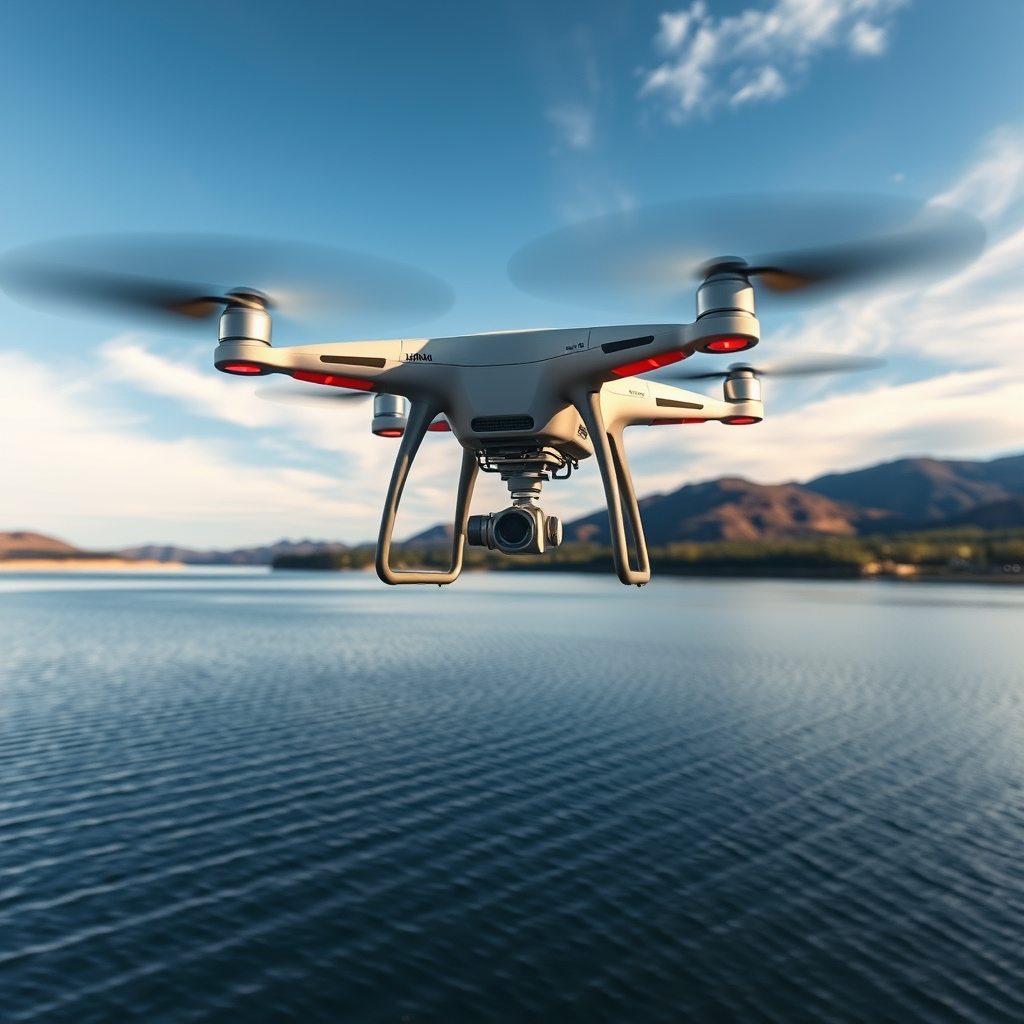
Yes, you can fly a drone over a lake, but there are specific regulations and safety considerations to keep in mind. Understanding these guidelines will help you enjoy your flying experience while remaining compliant with local laws and ensuring safety for yourself and others. Flying a drone over water can provide stunning aerial perspectives and unique photographic opportunities, yet it also demands a thorough awareness of the legal and environmental implications of such activities.
Understanding Drone Regulations
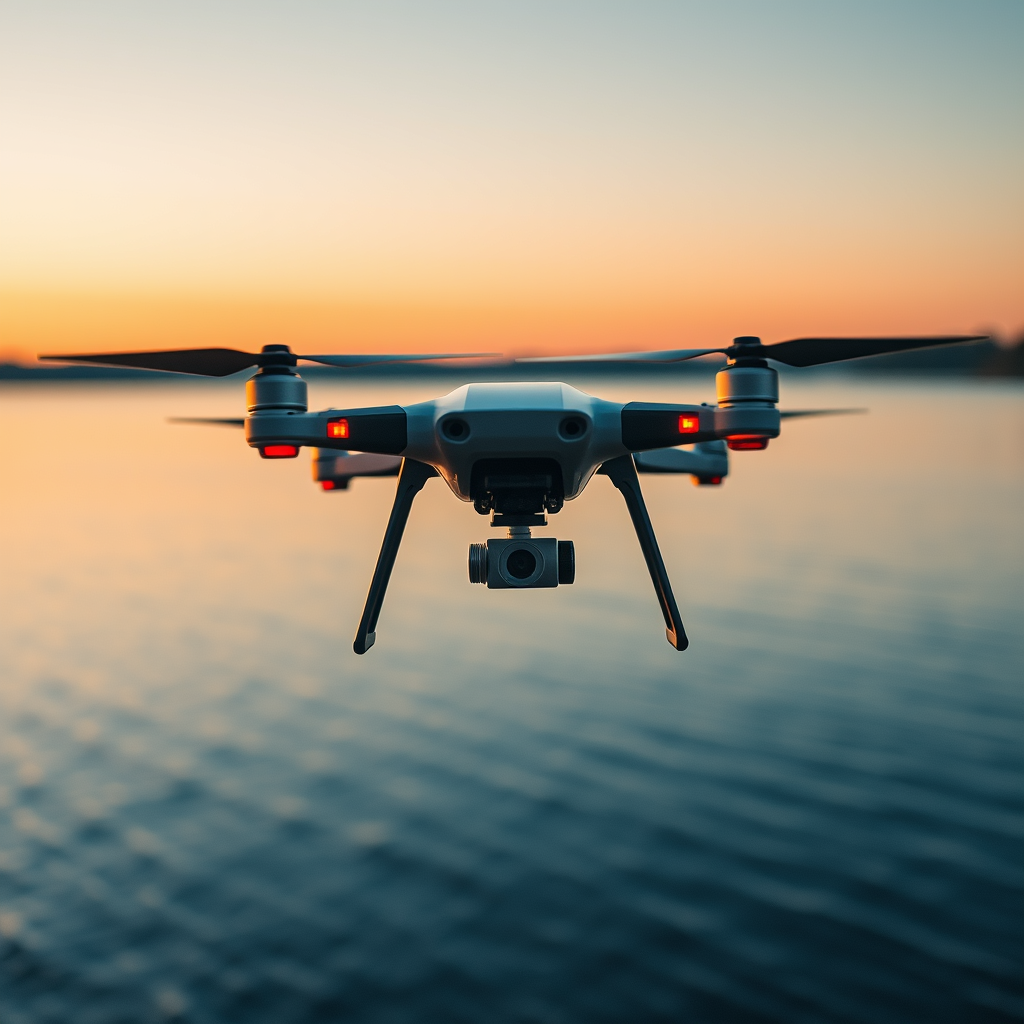
When considering flying a drone over a lake, it is crucial to familiarize yourself with the regulations set forth by the Federal Aviation Administration (FAA). The FAA governs all airspace in the United States, and their rules apply to drone flights regardless of the location, including over water bodies. For recreational flyers, drones must be under 400 feet in altitude, and operators must adhere to the community-based guidelines. Commercial drone pilots, on the other hand, must have a Remote Pilot Certificate and follow Part 107 regulations, which include obtaining necessary permissions for specific operations.
In addition to federal regulations, local laws may impose additional restrictions, particularly in protected areas such as national parks, wildlife refuges, and conservation lands. Many lakes are located in such zones, where drone usage may be prohibited or severely limited. Before planning your flight, be sure to check for any local ordinances or restrictions, as these can vary significantly based on the region. This diligence not only ensures compliance but also promotes responsible drone use in sensitive environments.
Safety Considerations
Safety is paramount when flying a drone over a lake. One of the primary guidelines is to always maintain a visual line of sight with your drone. This requirement enables you to keep track of your drone’s position and avoid potential collisions with obstacles, other aircraft, or wildlife. Additionally, be mindful of the limitations of your drone’s battery life, as flying over water can complicate recovery efforts in the event of a malfunction.
Weather conditions also play a crucial role in ensuring a safe flying experience. Strong winds, for instance, can create unstable flying conditions, making it difficult to control your drone. Moreover, water reflections can distort your perception of the drone’s altitude and position, potentially leading to accidents. Therefore, it is advisable to monitor weather forecasts and choose calm days for flying, which will enhance both safety and performance.
Environmental Impact
Flying a drone over a lake can have significant implications for local wildlife and ecosystems. Lakes often serve as habitats for various species, including birds, fish, and other aquatic life. Drones can disturb these creatures, particularly during nesting seasons. It is essential to be thoughtful about the areas you choose to fly over; avoid hovering near nesting sites or sensitive habitats to minimize disturbances.
Additionally, consider the potential impact of noise pollution generated by drones. The sound can disrupt wildlife behavior and feeding patterns. Being aware of your drone’s noise signature and flying at a respectful distance from wildlife can help mitigate this impact. As responsible drone operators, it is our duty to ensure that our activities do not negatively affect the natural environment.
Best Practices for Flying Over Water
Utilizing a drone designed with water-resistant features can significantly enhance your safety when flying over a lake. Water-resistant drones are built to withstand exposure to moisture, which can be particularly valuable if you experience unexpected weather changes or if your drone gets splashed during flight. However, keep in mind that water resistance does not equate to waterproof; operators should still exercise caution to protect their equipment.
Having a robust recovery plan is another critical aspect of safe drone flying. In the event of a crash or malfunction, knowing how to quickly and effectively retrieve your drone is essential, especially when it lands in water. Consider investing in flotation devices or landing gear designed to keep your drone afloat in case of an accidental water landing. Additionally, be sure to familiarize yourself with your drone’s emergency features, such as return-to-home functions, which can help you regain control during unexpected situations.
Ideal Conditions for Flying
Selecting the right conditions for drone flying can greatly enhance your experience. Calm weather is crucial; strong winds can disrupt flight stability, while turbulent air can make controlling the drone challenging. Ideally, aim for days with light breezes or no wind at all, as this will facilitate a smoother flight.
From a photographic perspective, the early morning or late afternoon often provides the best natural lighting for capturing breathtaking views over a lake. The soft, golden sunlight during these “golden hours” can add depth and warmth to your images, making them more visually appealing. Additionally, the lower sun angle can create interesting shadows and reflections on the water surface, enhancing the overall composition of your aerial footage.
Tips for Capturing Great Aerial Footage
To maximize the quality of your aerial footage, planning your shots in advance is essential. Think about unique perspectives that highlight the lake’s features and surrounding landscapes. For example, consider shooting from various altitudes and angles to capture the expansive scenery, or focus on specific details like the shoreline or interesting patterns in the water.
Utilizing different flight patterns can also enhance your video or photo composition. Techniques such as circling a landmark, performing smooth ascents and descents, or executing slow, sweeping pans can add dynamism to your footage. Experimenting with these techniques can help you discover the most compelling ways to showcase the beauty of the lake from above.
In conclusion, flying a drone over a lake is not only possible, but it also offers an incredible opportunity to capture stunning visuals and explore the natural landscape from a new perspective. However, it is essential to understand and adhere to regulations, prioritize safety, and remain mindful of the environmental impact of your drone activities. By following best practices and maintaining a responsible approach, you can enjoy a fulfilling flying experience while respecting both the law and the natural world.
Frequently Asked Questions
Can you legally fly a drone over a lake?
Yes, you can legally fly a drone over a lake, but you must adhere to local regulations and guidelines set by the Federal Aviation Administration (FAA) in the United States. It’s essential to check for any specific rules related to the area, as some lakes may be located near restricted airspace, wildlife reserves, or other no-fly zones that could impact your ability to fly.
What precautions should I take when flying a drone over water?
When flying a drone over water, it’s important to take several precautions to ensure safety and minimize risks. Always ensure your drone is equipped with GPS for stable positioning and return-to-home functionality. Additionally, consider using a drone that is waterproof or has water-resistant features, and keep a close eye on battery life to avoid crashes into the water.
How do I retrieve my drone if it crashes into a lake?
If your drone crashes into a lake, act quickly to increase the chances of retrieval. First, ensure your safety and assess the situation; then, if it’s safe to do so, try to retrieve the drone using a long pole or a boat if available. Remember that water can damage electronics, so if you recover it, remove the battery immediately and dry the drone as thoroughly as possible to prevent corrosion.
Why is flying a drone over a lake beneficial for photography and videography?
Flying a drone over a lake can provide stunning aerial shots and unique perspectives that are difficult to achieve from the ground. The reflective surface of the water enhances the aesthetic appeal of your images, allowing for captivating reflections and vibrant colors, making it an ideal location for both photography and videography enthusiasts looking to create breathtaking content.
Which drones are best suited for flying over water?
The best drones for flying over water are those designed with waterproof or water-resistant features, such as the DJI Mavic Air 2 or the Swellpro Splash Drone. These drones are equipped to handle the risks associated with water exposure, ensuring durability while delivering high-quality aerial footage. When selecting a drone, also consider flight time, stability, and camera quality to enhance your overall experience.
References
- https://www.faa.gov/uas/getting_started/registration
- https://www.faa.gov/uas/getting_started/learn/
- https://www.nasaa.gov.au/airspace/drones/a-guide-to-flying-drones-over-water/
- https://www.dronepilotgroundschool.com/drone-flying-over-water/
- https://www.nytimes.com/2021/04/27/technology/drones-water.html
- https://www.nytimes.com/2022/08/20/technology/drones-regulations.html
