
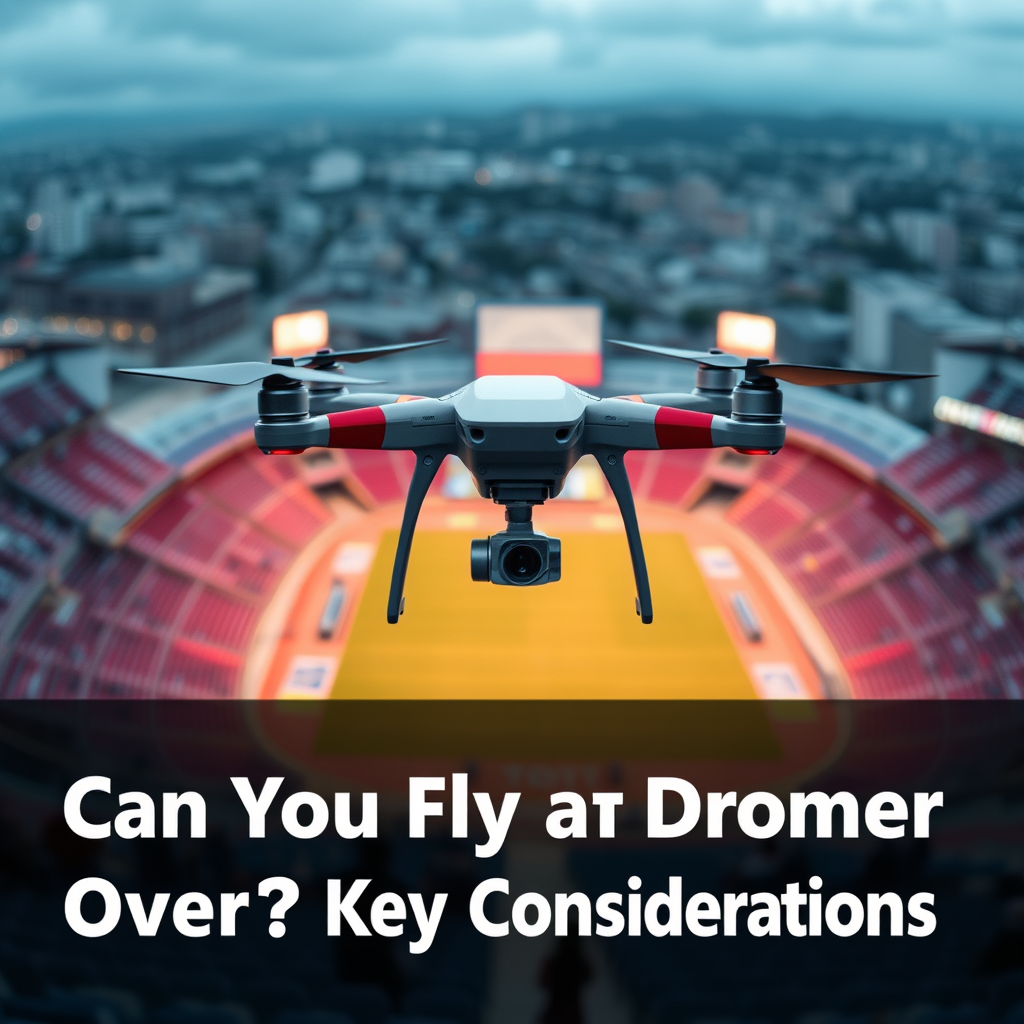
Yes, you can fly a drone over a stadium, but several regulations and safety considerations must be taken into account. Drones are becoming increasingly popular for capturing aerial footage of events, but operating them in crowded environments, such as stadiums, poses unique challenges. In this article, we will delve deeper into the legal restrictions, safety guidelines, and best practices to ensure that drone operations are both compliant and safe.
Understanding FAA Regulations
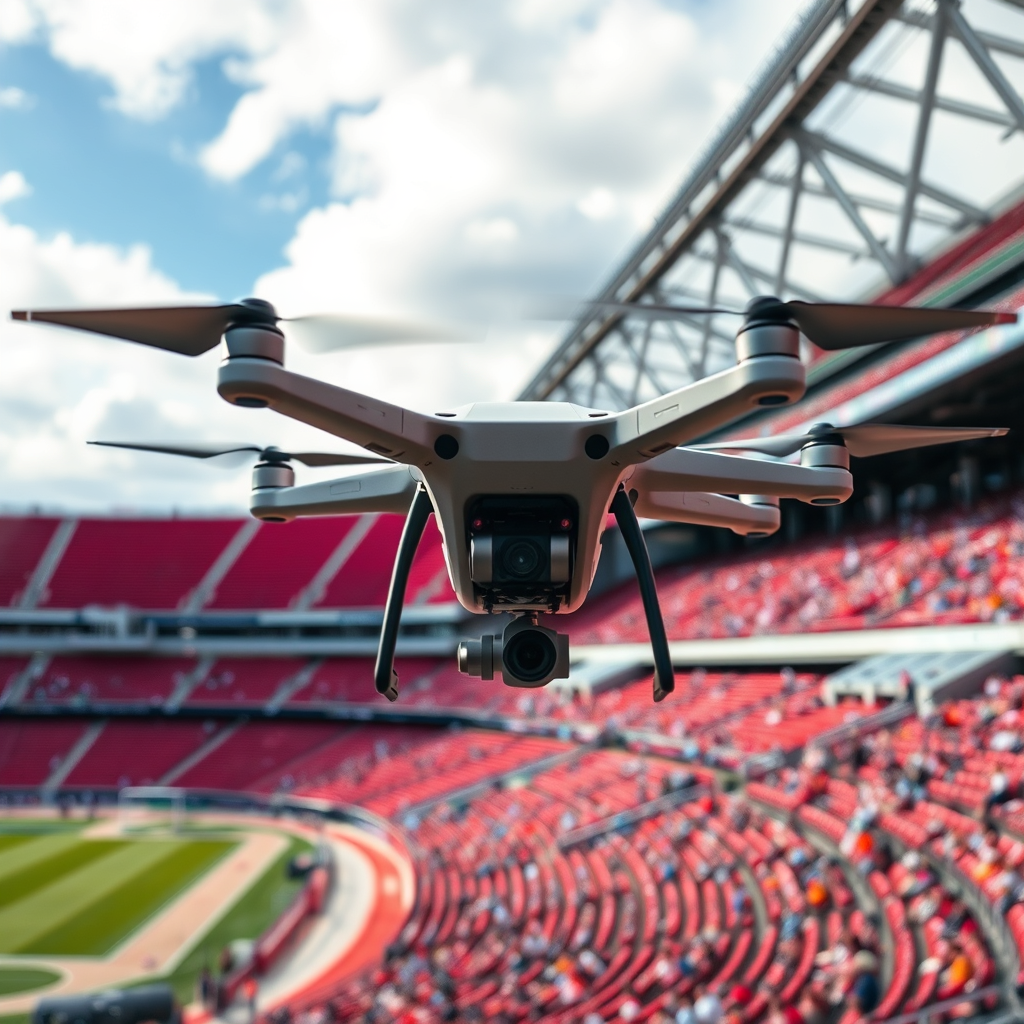
Flying a drone in the vicinity of a stadium requires adherence to Federal Aviation Administration (FAA) regulations. According to the FAA, drones must be operated within the Visual Line of Sight (VLOS) of the pilot, which means the operator must be able to see the drone without any visual aids other than corrective lenses. This rule is crucial for maintaining control of the device and ensuring safety.
Beyond VLOS, specific airspace restrictions apply around stadiums, particularly during events. Many stadiums are situated within controlled airspace, often classified as Class B or Class C airspace, which imposes strict limits on drone operations. For instance, the FAA typically prohibits drone flights within a five-mile radius of airports without prior authorization, and this can extend to stadiums located near airports. Additionally, during major events, temporary flight restrictions (TFRs) may be enacted, further limiting drone flights. Therefore, it is essential to check the FAA’s NOTAM (Notice to Airmen) system for real-time restrictions before planning a flight.
Local Laws and Ordinances
In addition to federal regulations, local laws and ordinances may impose further restrictions on flying drones over stadiums. Many cities and municipalities have implemented drone-specific regulations that can vary widely. For example, some cities may prohibit drone flights in public parks or near large gatherings, which would include stadium events.
Event organizers might also impose additional rules regarding drone usage. For example, large sports franchises often have their own policies that forbid unauthorized drone flights during games. Always check with local authorities and the venue’s management to understand the specific regulations that apply to your planned drone operation. Ignoring these local rules can lead to fines or even criminal charges.
Safety Considerations
Safety is of paramount importance when flying drones, especially over crowded areas such as stadiums. One of the primary risks is the potential for injury to spectators or participants. Drones, while generally safe, can malfunction or be subject to operator error, leading to crashes that could cause harm.
Avoid flying during large events where crowds are present, as this significantly increases the risk of accidents. Ideally, drone flights should be conducted when the stadium is empty or during practice sessions when fewer people are present. Additionally, it is important to have a clear plan for emergency procedures, should something go wrong. This includes having fail-safes in place, such as Return to Home (RTH) features that allow the drone to return to its takeoff point in case of loss of signal or other malfunctions.
Best Practices for Flying Drones
To maximize safety and compliance while flying drones over stadiums, it is advisable to adopt best practices. First, use drones equipped with advanced safety features, such as geofencing, which prevents the drone from entering restricted airspace. Many modern drones come with built-in geofencing technology that alerts the operator when they are approaching a restricted area.
Conducting a thorough pre-flight check is also crucial. This includes ensuring that the drone’s batteries are fully charged, the firmware is up to date, and all components are functioning correctly. Additionally, familiarize yourself with the drone’s controls and features before attempting to operate it in a complex environment like a stadium. Planning your flight path in advance can also help avoid potential hazards and ensure that you remain within legal limits.
Insurance and Liability
When flying a drone, especially in high-risk areas like stadiums, it’s wise to consider obtaining drone insurance for liability coverage. This type of insurance can protect you from financial loss in case of accidents that result in property damage or personal injury. Many insurance companies offer specialized drone liability policies that can cover both commercial and recreational drone use.
Additionally, be aware of the potential legal ramifications of flying a drone irresponsibly. If a drone were to cause injury or damage, the pilot could face lawsuits or criminal charges. Being insured not only provides a safety net, but it also signifies to others that you take your responsibilities seriously.
Alternatives to Flying Over Stadiums
If flying directly over a stadium seems too risky or complicated, consider exploring alternative options for aerial photography or videography. Many locations surrounding stadiums can provide excellent vantage points for capturing dynamic shots without entering restricted airspace. For instance, public parks, rooftops, or open fields nearby may offer a clear line of sight to the stadium while allowing you to remain compliant with regulations.
Additionally, consider collaborating with event organizers for authorized drone usage. Some events may welcome drone operators to capture official footage, provided that they follow specific guidelines and obtain the necessary permits. Engaging with event staff can not only ensure compliance but also enhance the quality of the footage captured.
In conclusion, flying a drone over a stadium is indeed possible, but it requires a thorough understanding of regulations, safety measures, and best practices. By staying informed about the relevant laws and maintaining a focus on safety, drone operators can enjoy a rewarding flying experience while minimizing risks to themselves and others. Always prioritize responsible flying to contribute positively to the growing drone community.
Frequently Asked Questions
Can you fly a drone over a stadium legally?
Flying a drone over a stadium is generally subject to strict regulations, primarily governed by the Federal Aviation Administration (FAA) in the United States. Most stadiums are located near airports and fall within controlled airspace, which requires special permissions for drone flights. Additionally, many venues have their own policies prohibiting drone use to ensure the safety of attendees and players. Always check local laws and regulations before attempting to fly a drone over a stadium.
What are the risks of flying a drone over a stadium?
The risks of flying a drone over a stadium include the potential for accidents, such as collisions with spectators, players, or infrastructure, which can lead to serious injuries. Additionally, flying in restricted airspace without permission can result in legal consequences, including fines and penalties. Furthermore, drones can disrupt events, leading to security concerns that may result in law enforcement intervention.
How can you get permission to fly a drone over a stadium?
To obtain permission to fly a drone over a stadium, you typically need to submit a request to the FAA for a Temporary Flight Restriction (TFR) in the area, often requiring a Specific Operations Risk Assessment (SORA). Additionally, you should reach out to the stadium management to inquire about their policies and obtain any necessary permits. It’s crucial to provide detailed flight plans and ensure compliance with all safety regulations.
Why are there restrictions on flying drones over stadiums?
Restrictions on flying drones over stadiums are primarily in place to protect public safety and security. Drones pose risks of accidents that can result in injuries to attendees or damage to property. Moreover, drones can interfere with broadcast signals and disrupt sporting events, leading to significant operational challenges for event organizers. These regulations help maintain a safe environment for everyone involved.
Which drones are best suited for flying in controlled airspace near stadiums?
Drones that are best suited for flying in controlled airspace near stadiums are typically those equipped with advanced safety features, such as geofencing, which prevents them from entering restricted zones. Models like the DJI Phantom 4 RTK or the DJI Mavic 2 Enterprise provide reliable performance and robust safety measures. However, regardless of the drone, it is essential to ensure compliance with FAA regulations and obtain necessary permissions before flying in these areas.
References
- https://en.wikipedia.org/wiki/Drone_flight_regulations
- https://www.faa.gov/uas/getting_started/part_107
- https://www.faa.gov/uas/commercial_operators/
- https://www.nytimes.com/2021/09/16/us/drone-regulations.html
- https://www.reuters.com/technology/drone-use-sports-stadiums-raises-safety-questions-2021-09-15/
- https://www.ama-assn.org/delivering-care/public-health/drone-use-public-health-and-safety
- https://www.npr.org/2021/10/01/1043098063/drone-regulations-sports-stadiums-safety
- https://www.sporttechie.com/drone-flying-over-sports-stadiums-regulations-safety/
- https://www.safewise.com/resources/drone-laws/
